Newsletters


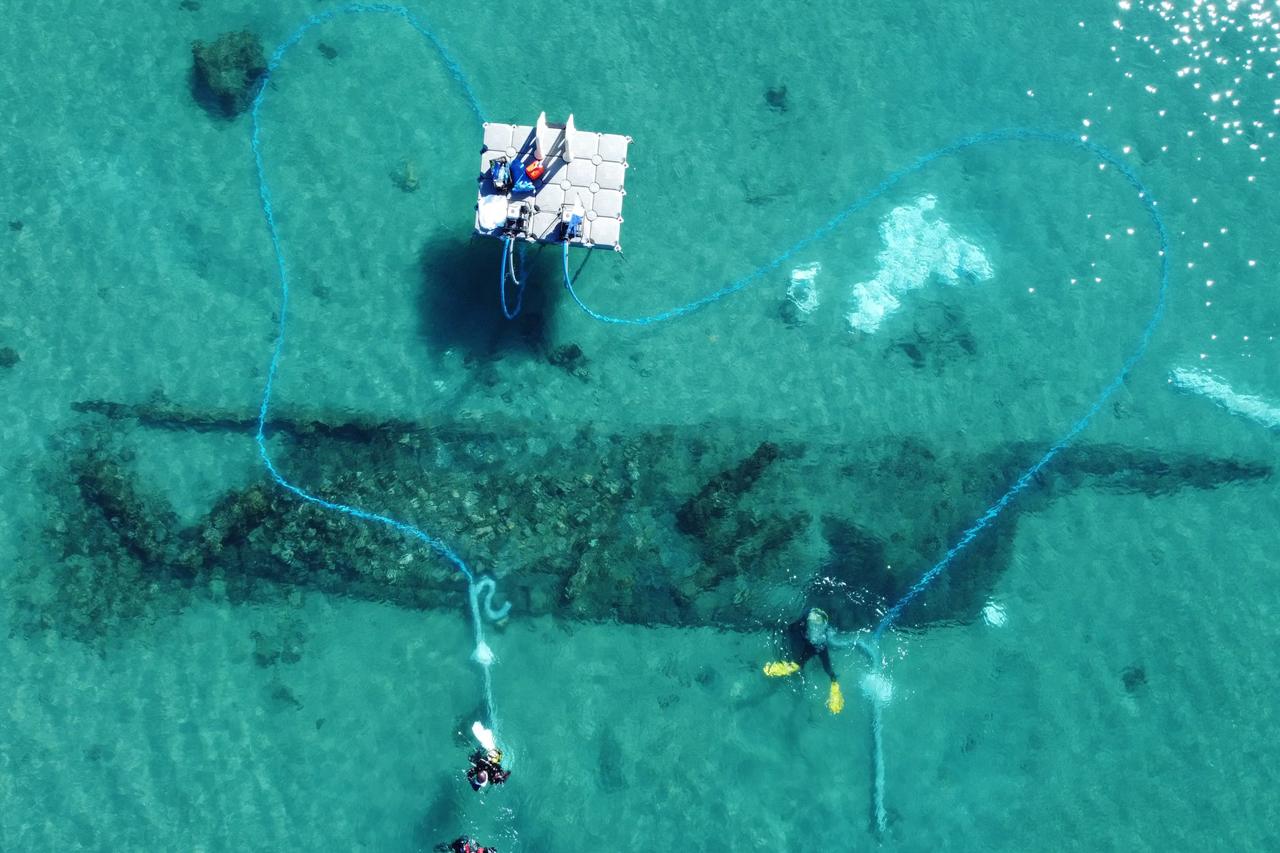


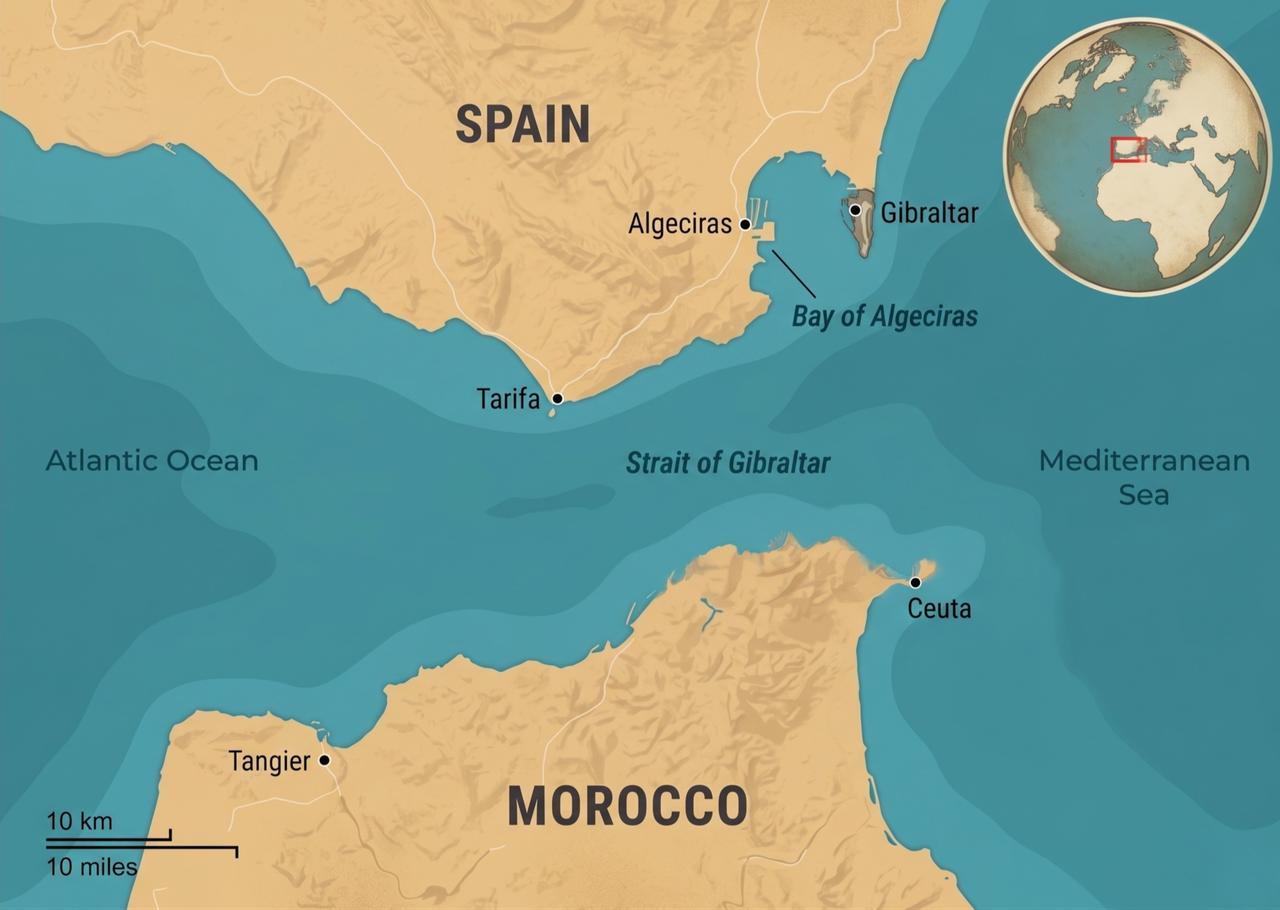
Spanish archaeologists have documented over 30 shipwrecks in the waters between the Rock of Gibraltar and the port of Algeciras.
This discovery follows a three-year study titled Project Herakles. Led by the University of Cádiz, the team identified 151 archaeological sites and 134 total wrecks, according to The Guardian.
These findings span thousands of years of maritime history at a vital nautical crossroads.
The researchers worked with colleagues from the University of Granada to document 34 specific wrecks.
These vessels represent a diverse array of eras and cultures:
Felipe Cerezo Andreo, a professor of archaeology at the University of Cadiz, led the investigation and described the area as a historical bottleneck.
"It’s one of those bottlenecks through which ships have always had to pass, whether on commercial shipping routes, voyages of discovery, or due to armed conflicts," Cerezo said.
He noted that few places in the Mediterranean possess such a significant variety of remains from different nations.

The investigation highlighted a small, late 18th-century gunboat known as the Puente Mayorga IV.
This type of vessel performed rapid and stealthy attacks against British ships of the line. These boats often used fishing nets as a disguise to mask their true intent. They revealed their identity only when they were close enough to fire their prow-mounted cannons at the enemy.
Archaeologists found a wooden box shaped like a book inside this specific wreck.
Initial theories suggested the box held documents related to espionage or troop movements. However, a closer examination revealed a more personal and mundane purpose.
"After careful examination, the box turned out to contain a pair of wooden combs," Cerezo stated. This suggests the officer on board prioritized grooming over military intelligence.
Researchers are now calling for the urgent protection of these underwater sites.
Port development, dredging, and dock construction pose immediate risks to the stability of the remains. The climate emergency also complicates preservation efforts through rising sea levels and shifting sediment.
Additionally, invasive algae species now grow over the shipwrecks and surrounding rocks, potentially damaging the structures.
The team uses virtual models and 360-degree videos to share their work with the public. These tools allow people to experience the sites in museums and town halls without needing to dive.
Cerezo noted that while the wrecks may not look like treasure ships from fiction, their archaeological context remains vital. He believes that showing these sites to the public creates a necessary demand for their protection.
"What we have here is a very small space that allows us to analyse the evolution of maritime history throughout practically the whole of the Iberian peninsula and north Africa," Cerezo explained.
The project aims to reconstruct the daily lives of coastal societies through these tangible remains.


 Set as preferred source
 Set as preferred source


 3 min read