Newsletters


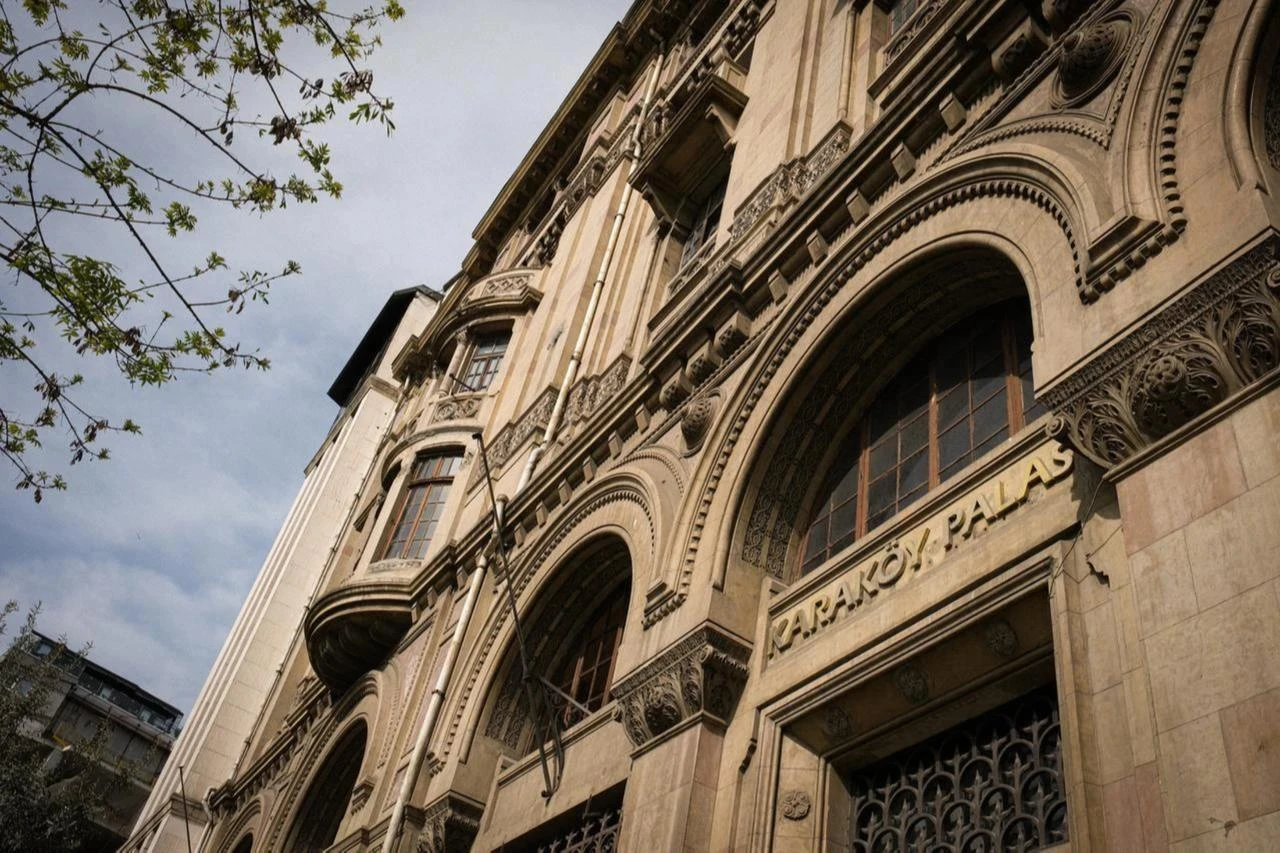


The “Temas” exhibition opens at Istanbul’s Karakoy Palace on Monday, bringing together architecture, urban memory and art to explore how the historic building has interacted with the changing social and cultural landscape around it.
Organized by the KUME Foundation and curated by Murat Kosemen, the exhibition takes the memory of Karakoy Palace as its starting point before moving outward to examine the architectural, social and cultural layers of Karakoy, one of Istanbul’s long-standing districts shaped by commerce, transportation and encounters between different communities.
Rather than simply using Karakoy Palace as a venue in which artworks are displayed, “Temas” brings the building itself into the narrative. Its architectural character, the different functions it has taken on over time and the everyday life that developed around it form the conceptual foundation of the exhibition.
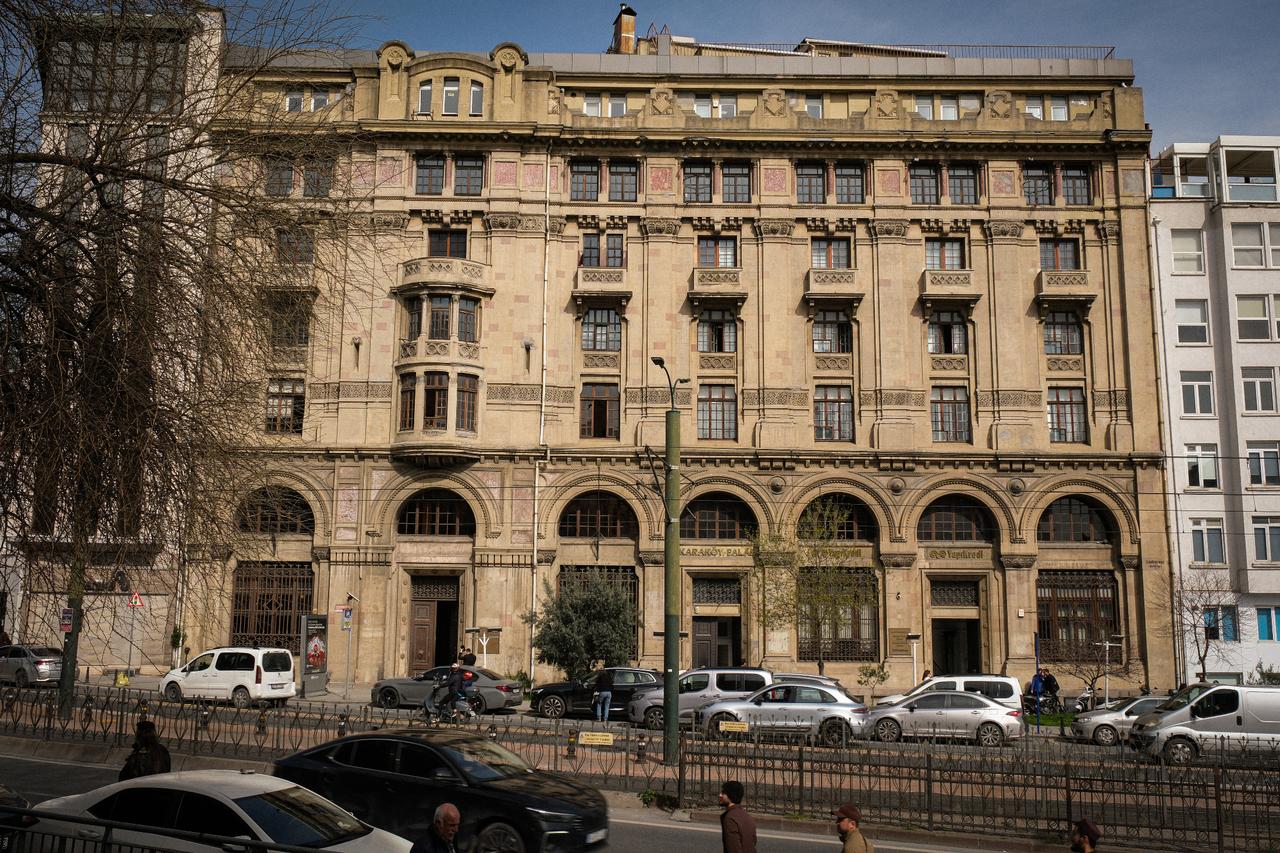

Designed by Giulio Mongeri, Karakoy Palace carries traces of different periods and uses from the time of its construction to the present day. The exhibition approaches those traces not as elements of a nostalgic account of the past, but as parts of a living memory that continues to connect with the present.
As relationships between people and spaces, buildings and their surroundings, and the past and present produce new meanings, Karakoy Palace emerges as a memory space where different periods, functions and experiences come together and reshape one another.
The exhibition is the second installment in the KUME Foundation’s ongoing culture and arts program at Karakoy Palace, extending its focus from the history of a single building toward its surroundings and the broader memory of Istanbul.
Karakoy has historically stood out as one of Istanbul’s most active meeting points, where trade, transportation, different communities, architectural traditions and everyday life have crossed paths while the district has continued to transform.
Against this backdrop, “Temas” looks into how a building forms relationships with its surroundings and how urban memory develops through those connections.
By placing the architecture of Karakoy Palace alongside the social, commercial and cultural life that took shape around it, the exhibition moves beyond the limits of the building and opens up a broader reading of Karakoy.
Instead of presenting the past as a completed story, the exhibition treats it as a field of memory that can be reconsidered through the present.
Connections between architecture, archives, the city and art bring different periods of Karakoy together while inviting visitors to follow the relationships between them.
“Temas” can be visited at Karakoy Palace every day from 10 a.m. to 7 p.m.


 Set as preferred source
 Set as preferred source


 1 min read
 1 min read