Newsletters




Türkiye and Japan sit on opposite ends of Asia, some 8,000 kilometers (4,970 miles) apart, with no shared border, language, or faith.
Yet for more than 130 years, they have behaved like old friends, and the reason can be traced to a single shipwreck off a town most Japanese could not find on a map.
The relationship began with small gifts. In 1873, Japan sent an ivory oil lamp to Sultan Abdulaziz in Istanbul, signaling a desire for closer ties.
Japan was emerging from over two centuries of isolation, with its government seeking to learn how a non-Western power could engage Europe as an equal. The Ottomans offered a valuable example.
Over the next fifteen years, the two courts exchanged envoys and honors, gradually building a friendship.

The turning point came in 1887, when Prince Komatsu Akihito and his wife visited Sultan Abdulhamid II at Yildiz Palace.
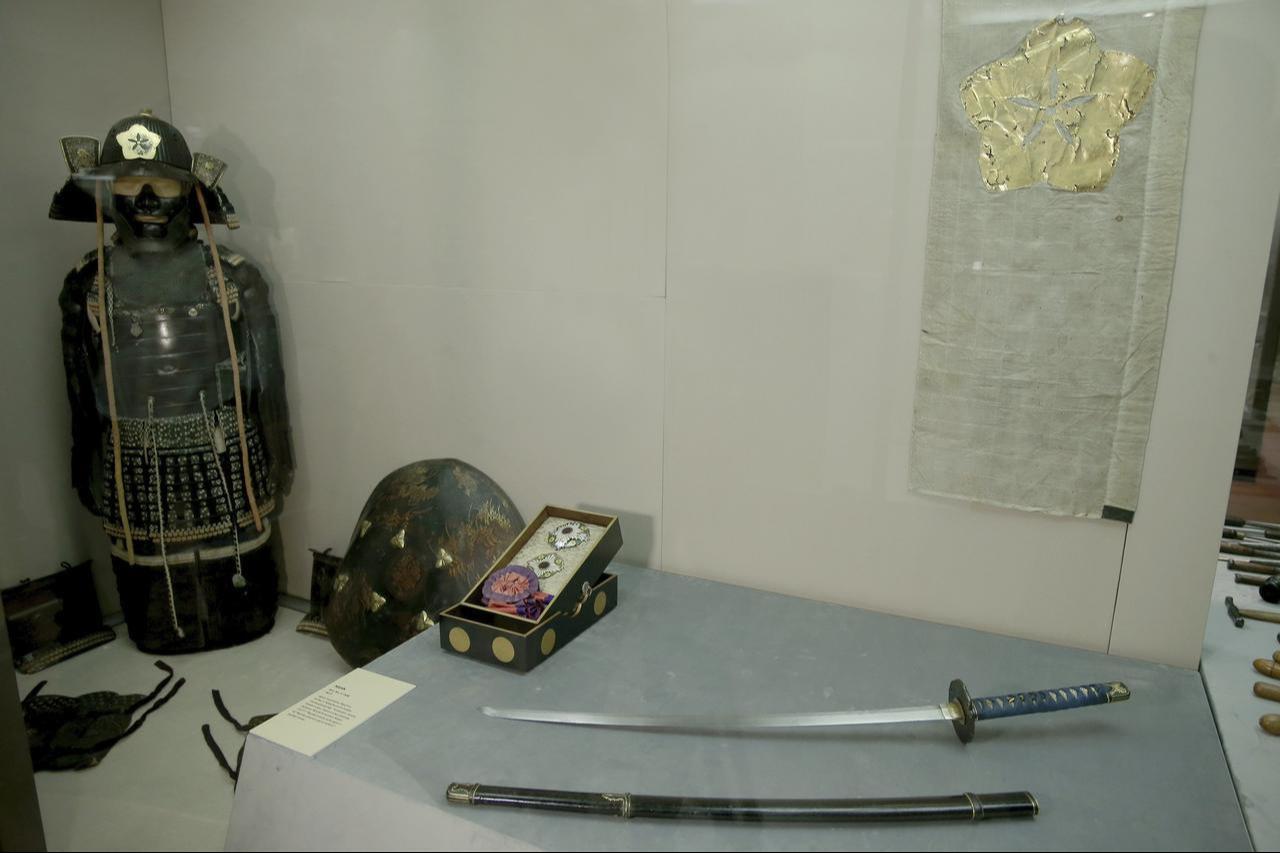
The sultan honored them, and Emperor Meiji responded with the Chrysanthemum Order, Japan's highest distinction, typically reserved for monarchs.
Among the exchanged gifts was a 17th-century suit of samurai armor, still bearing a battle dent, now on display at the Palace Collections Museum in Istanbul's Beshiktas district.
Returning a visit is a fundamental aspect of diplomacy, but for the Ottomans, it was also a matter of tradition.
Turkish culture regards guests as sacred, emphasizing honor, comfort, and a sense of being valued.
The obligation to reciprocate hospitality is seen as a reflection of character, not merely protocol. Therefore, sending a ship to reciprocate Prince Komatsu's visit was motivated by more than strategy.
However, the empire could scarcely afford such a gesture. Abdulhamid II governed a state in decline, losing territory and facing financial hardship. Despite ongoing modernization efforts in education, public works, and state administration, the treasury was strained, and significant gestures had to be made with limited resources.
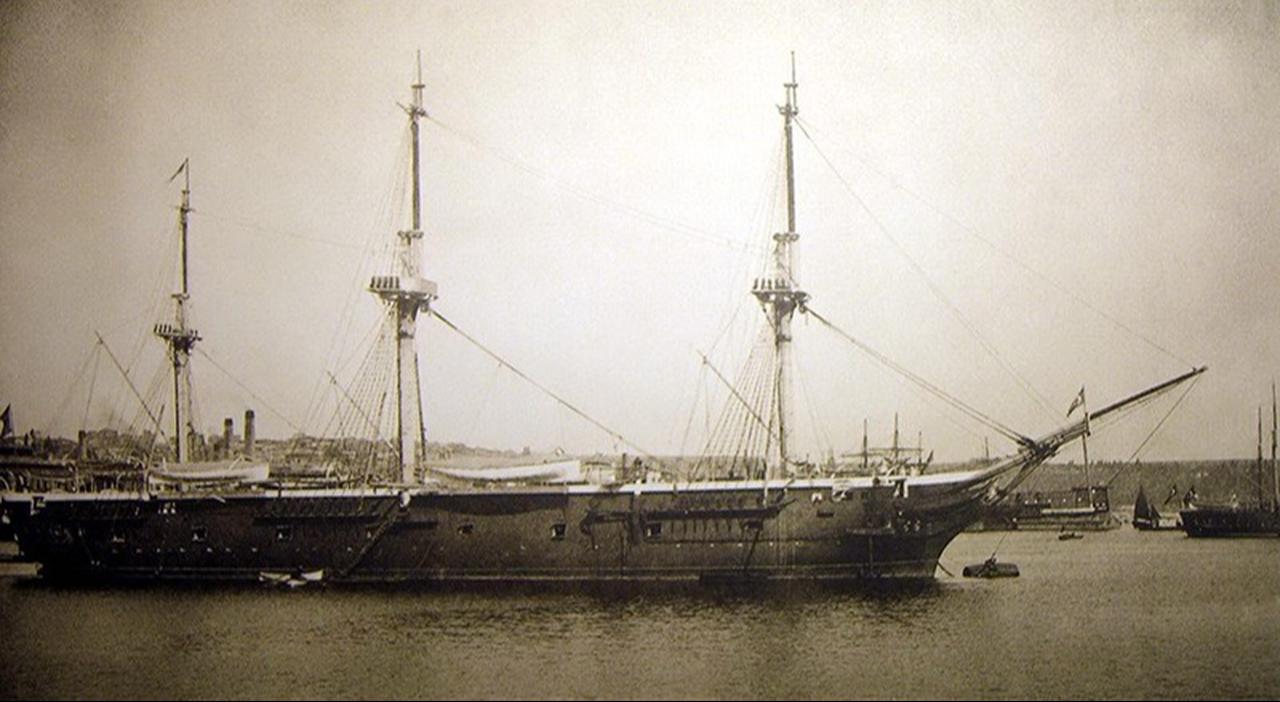
In the summer of 1889, the Ottoman frigate Ertugrul departed Istanbul to deliver the sultan's reply to Emperor Meiji.
The ship was outdated for such a long journey, and the financially strained empire could not fully equip her. The voyage took nearly a year, marked by breakdowns and delays, before she reached Yokohama, delivered her message and medals, and was received with honor.
With their mission complete, the crew of approximately 600 men faced another year at sea to return home.
They could not afford to remain in Japan to rest or resupply. According to accounts from both countries, the Japanese warned of approaching dangerous weather and advised them to wait, but the Ottomans declined. Pride and financial constraints influenced their decision; unwilling to request assistance and determined to strengthen the friendship without imposing, they chose to depart.
They did not get far. On the night of September 16, 1890, a typhoon struck the Ertugrul shortly after departure, driving her onto the rocks near Kashinozaki Lighthouse, within sight of land. The ship broke apart in the darkness, resulting in the loss of more than 500 sailors and officers, including Rear Admiral Ali Osman Pasha. Sixty-nine men survived.
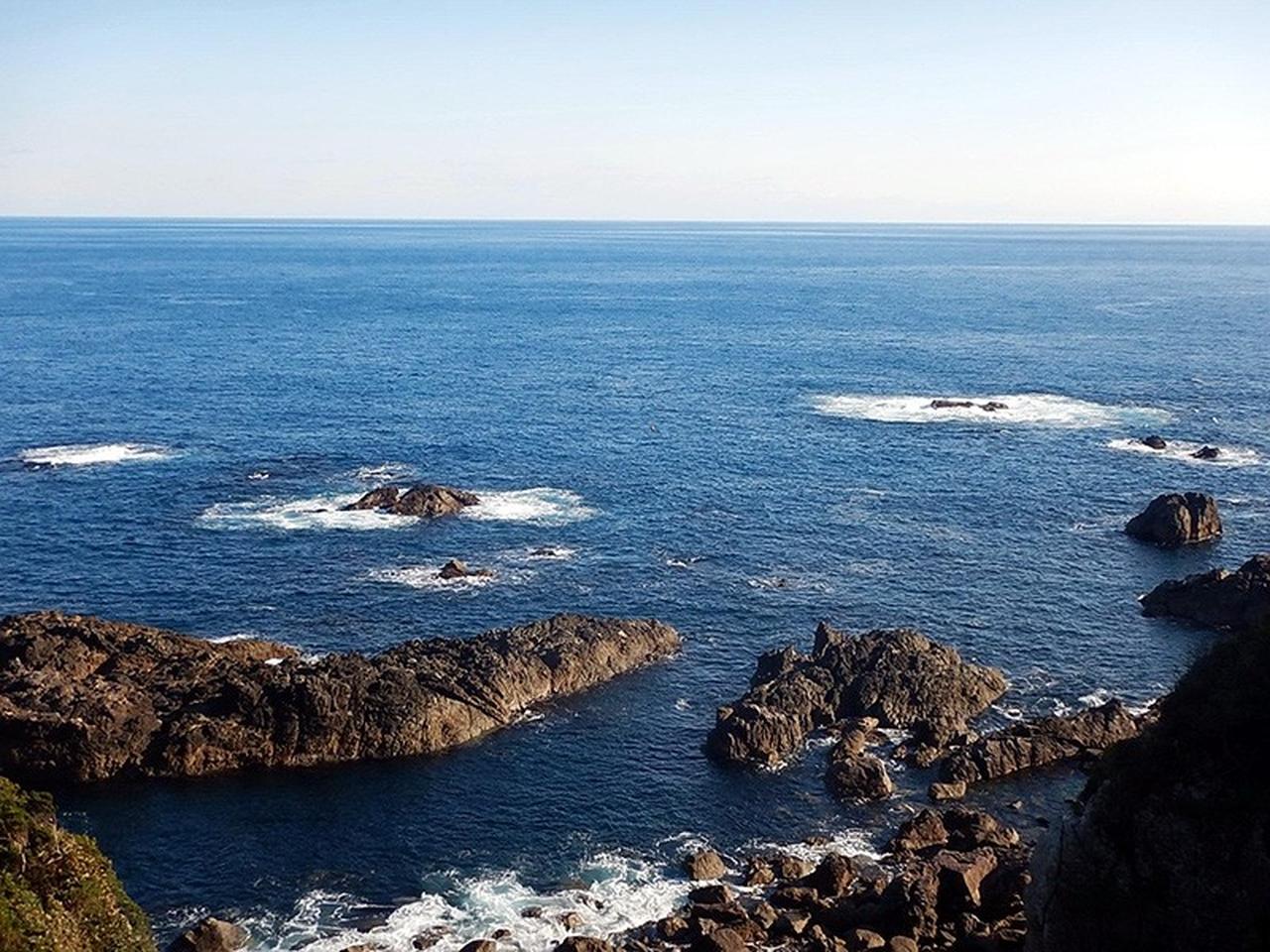
The actions of the people of Kushimoto are central to this story and its enduring legacy. Alerted by the lighthouse keeper, villagers from Kii Oshima braved the storm to rescue survivors from the shore.
Although the typhoon had prevented fishing and food was scarce, they shared what little they had, including eggs, potatoes, and even chickens. They cared for the injured sailors without expecting anything in return. Once the survivors recovered, two Japanese corvettes transported them back to Istanbul, where they arrived in early 1891 to national gratitude.
One detail remains in local memory: when Türkiye later requested invoices from three doctors who treated the survivors, the doctors declined, stating they had acted only out of compassion. A friendship founded on a refusal to be repaid has proven remarkably enduring.
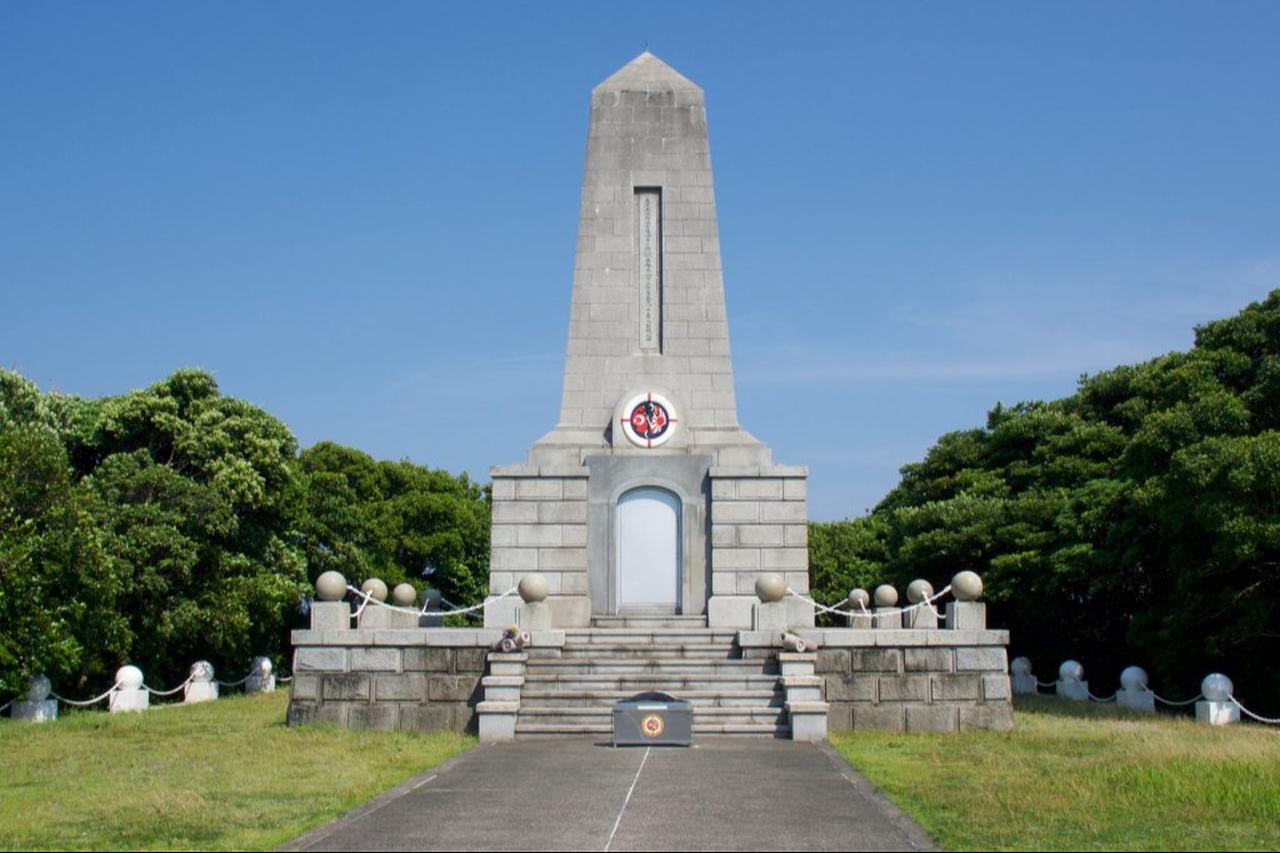
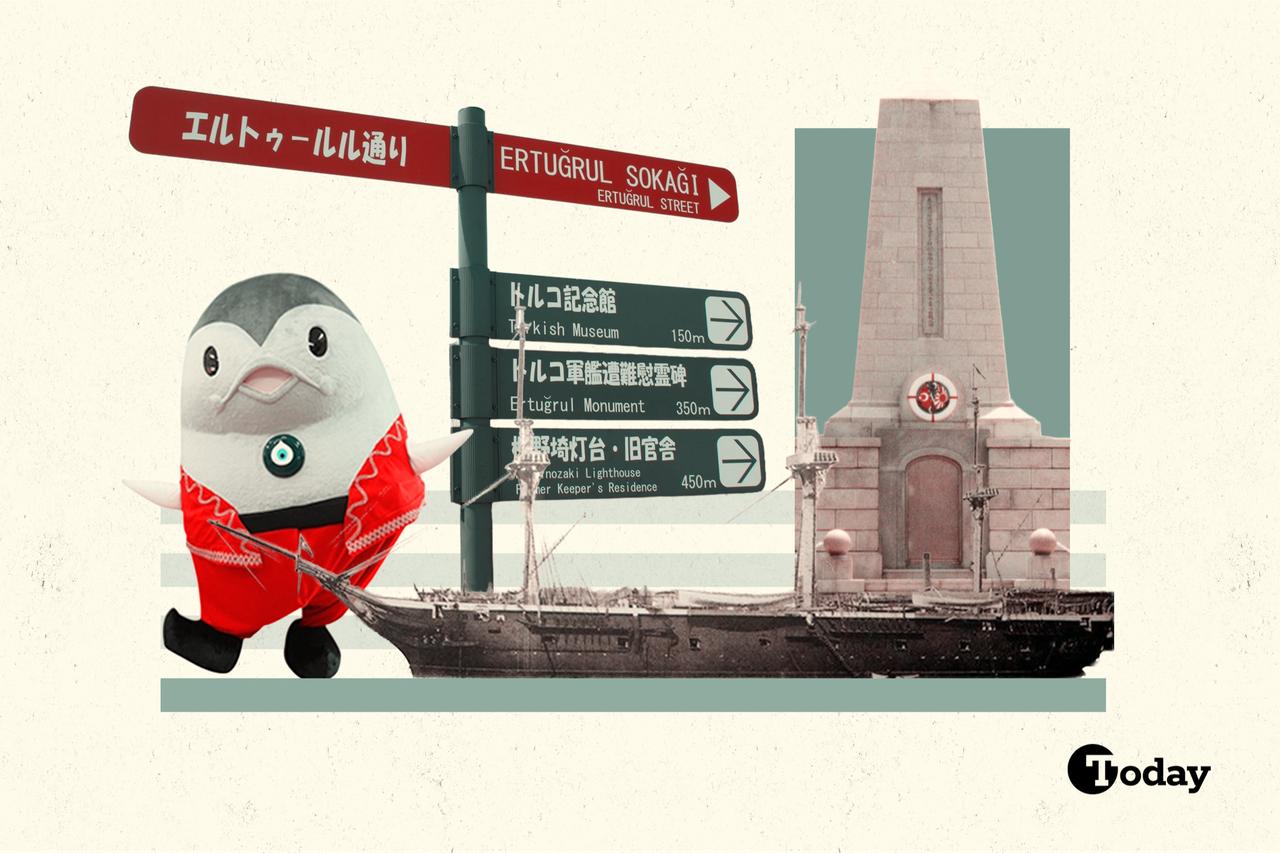
In Kushimoto, the Ertugrul is not merely a historical date but a tangible presence. A monument was erected for the lost sailors in 1891, followed by a memorial and museum adorned with tulip-patterned tiles that commemorate the wreck and the resulting friendship.
Every five years, the town and the Turkish Embassy in Tokyo gather to honor the dead, and a 2015 Turkish-Japanese film introduced the tragedy to a new generation.
Not all commemorations are solemn. For the 125th anniversary of the wreck, volunteers, primarily young town employees, created a mascot named Magutoru in 2015: a bluefin tuna, native to Kushimoto's waters, dressed in Ottoman attire with a blue nazar boncuk, the Turkish charm against the evil eye, on his chest.
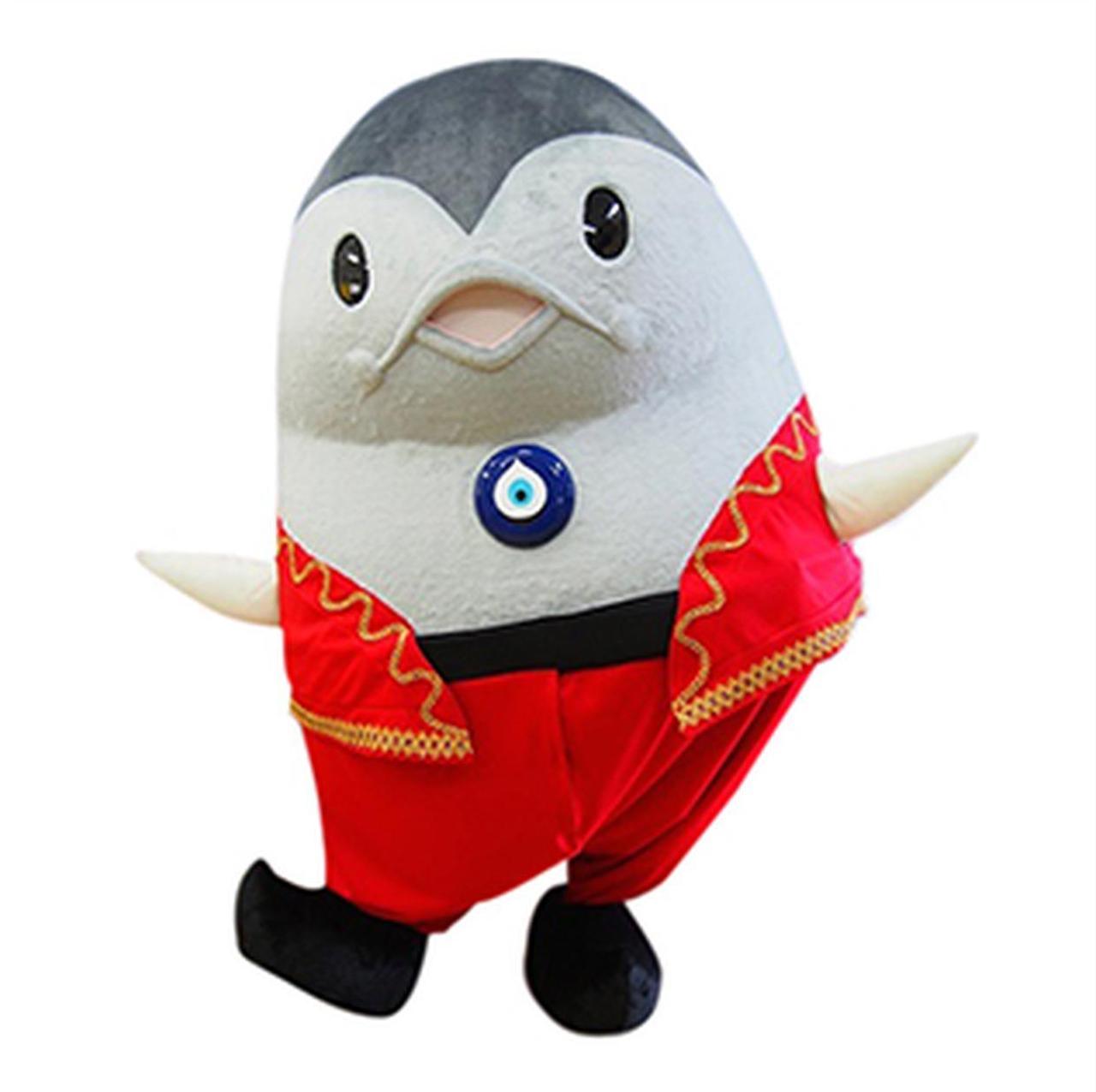
An elementary school student named him by combining the Japanese words "maguro" (tuna) and "Toruko" (Türkiye), symbolizing the union of the two countries. Magutoru has a birthday on June 4, a playful personality, an appreciation for Turkish culture, and is known for his irritation at being mistaken for a penguin. He appears on the town's tourist bus and serves as an effective ambassador of friendship to children too young for the museum.
The bond also has a permanent home. On September 16, 2018, the anniversary of the wreck, a Turkish Culture Center opened across from the museum in a restored building, rebuilt by Turkish craftsmen from Nagoya with support from the Turkish ambassador in Tokyo.
The center features handmade lace, Turkish tea and fruit juices, and antique lamps from the embassy. Volunteers operate it on weekends and holidays, bring a simit cart to local festivals, and perform folk dances from the Mersin region at the town's annual fire festival each January.
The most compelling evidence that this friendship is ongoing, not merely historical, is its reciprocity.
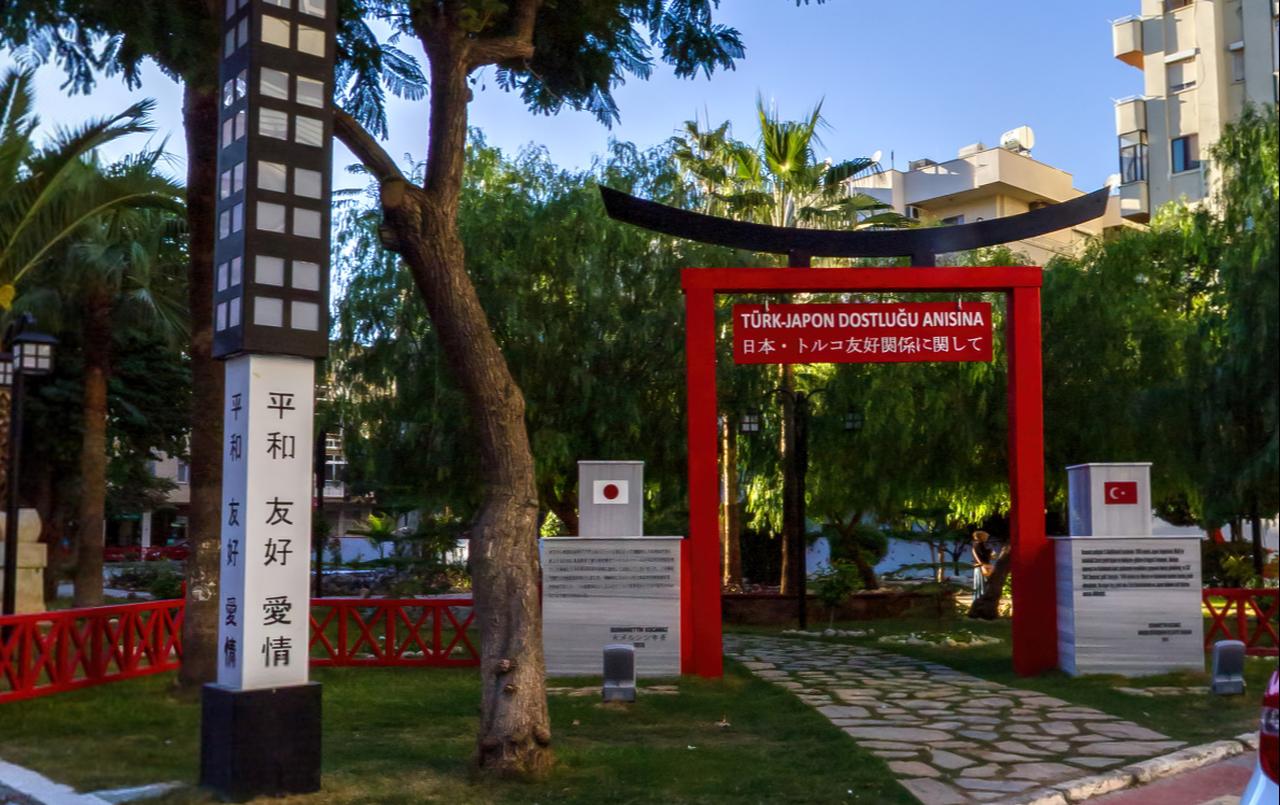
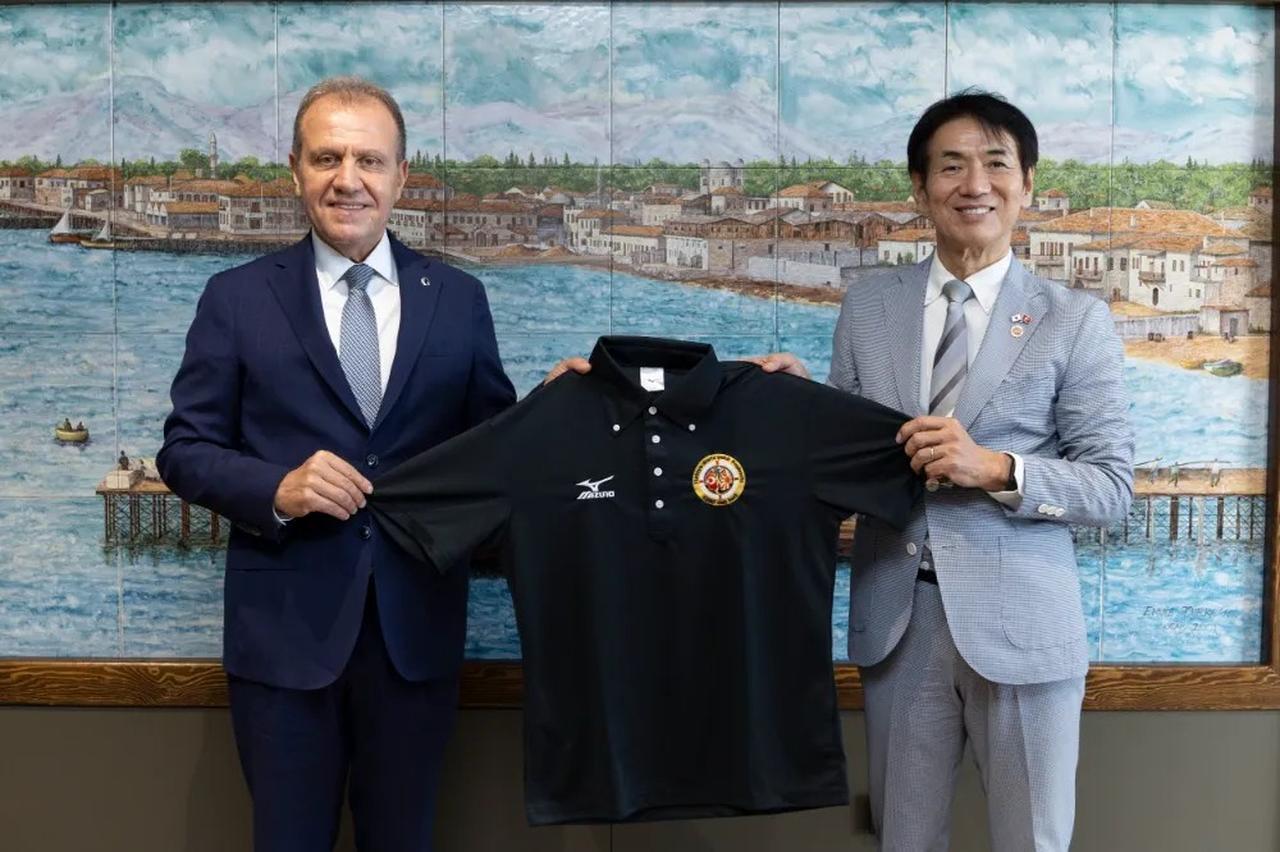
Mersin, on Türkiye's southern coast, is Kushimoto's sister city, and the two have exchanged gestures for decades.
After a Turkish naval commander visited the Kushimoto memorial in 1970, he resolved to honor the lost crew with a monument in Türkiye; Mersin's memorial opened in 1972, modeled after the one in Japan. In 1996, the city renamed a street in its Yenisehir district to Kushimoto Street, so a Turkish city now bears the name of a Japanese town.
Japan continued to reciprocate. In 1990, the centennial of the wreck, a Japanese prince visited Mersin and saw a memorial containing two flasks, one with water and one with soil, both brought from Kashinozaki, the shore where Japanese villagers once rescued Turkish sailors.
A small amount of Japanese earth is now kept in a Turkish city for those who never returned home. The exchange that began with an oil lamp had grown into something neither nation could have anticipated.
It would be easy to regard the Ertugrul as a poignant episode in maritime history, but that would diminish its significance.
Treaties expire and national interests change; alliances that seem permanent can fade. The connection between Kushimoto and Mersin is rooted in something deeper than mutual interest. It is based on the memory of a night when ordinary people, with little to offer, chose to help regardless.
This is the unique foundation of this friendship and the reason it has endured for over 130 years.
For a traveler from Türkiye, arriving in Kushimoto can feel like an unexpected homecoming: familiar tea, hand-knotted lace, two flags displayed together, and a cartoon fish adorned with the evil-eye charm of a distant country.
The strongest bonds between people are rarely established by law. They are most often forged through acts of kindness, even in the most difficult circumstances, and preserved through remembrance.


 Set as preferred source
 Set as preferred source


 3 min read