Newsletters


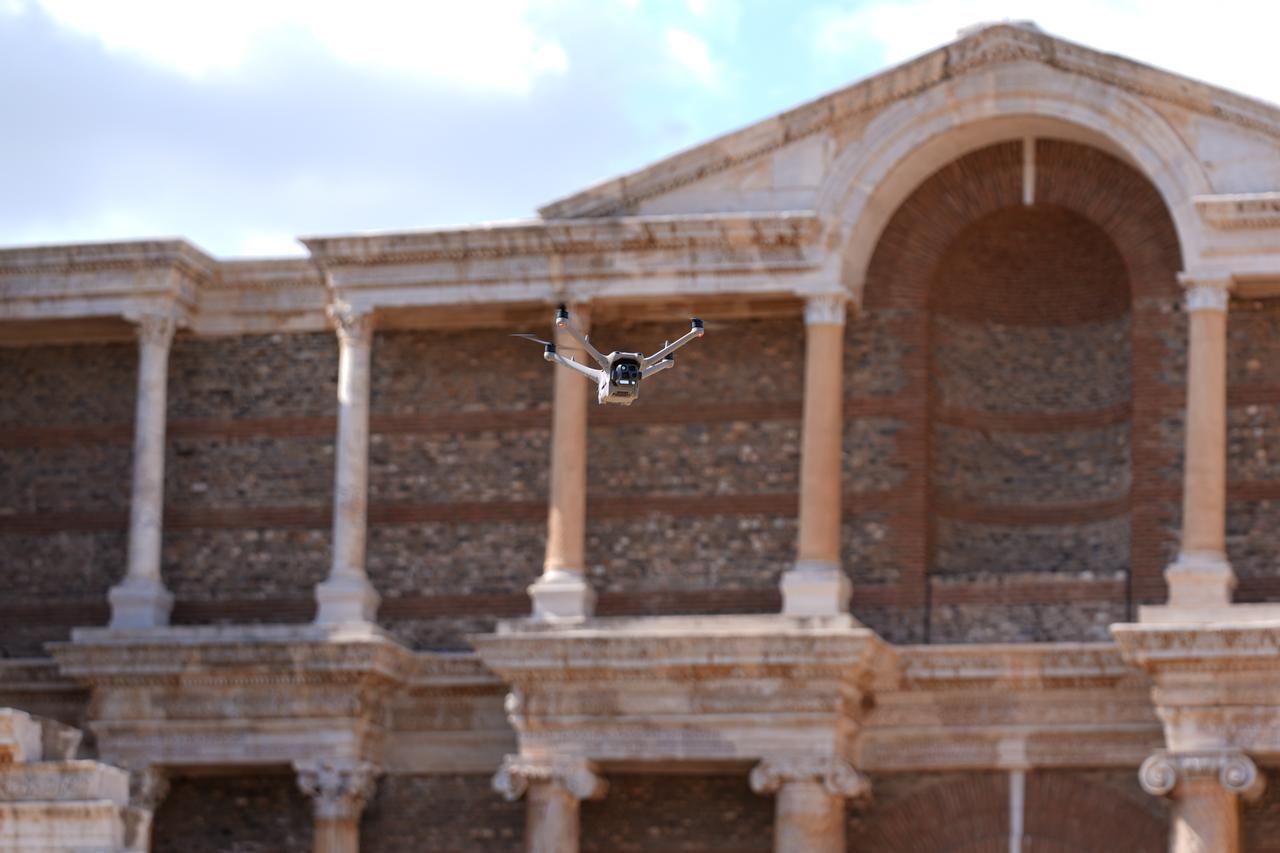


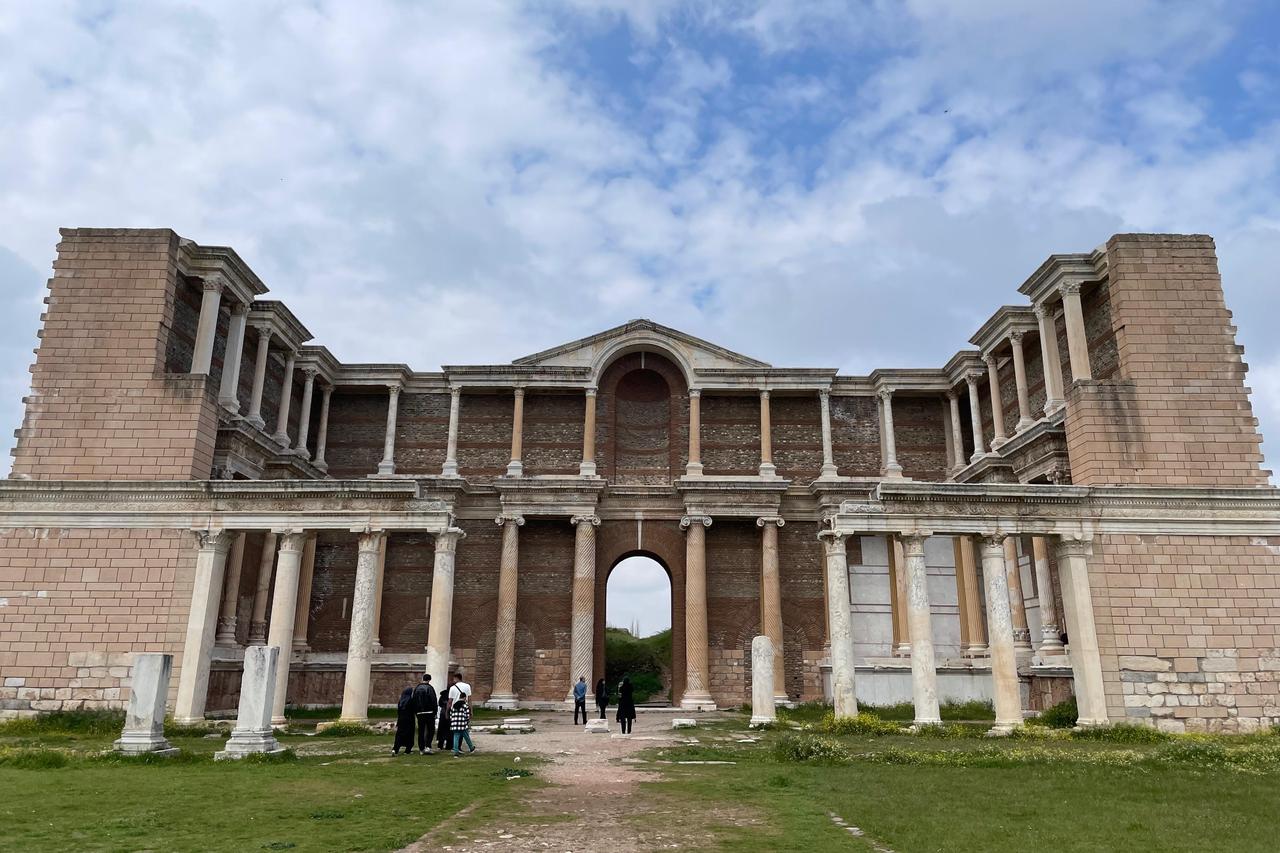
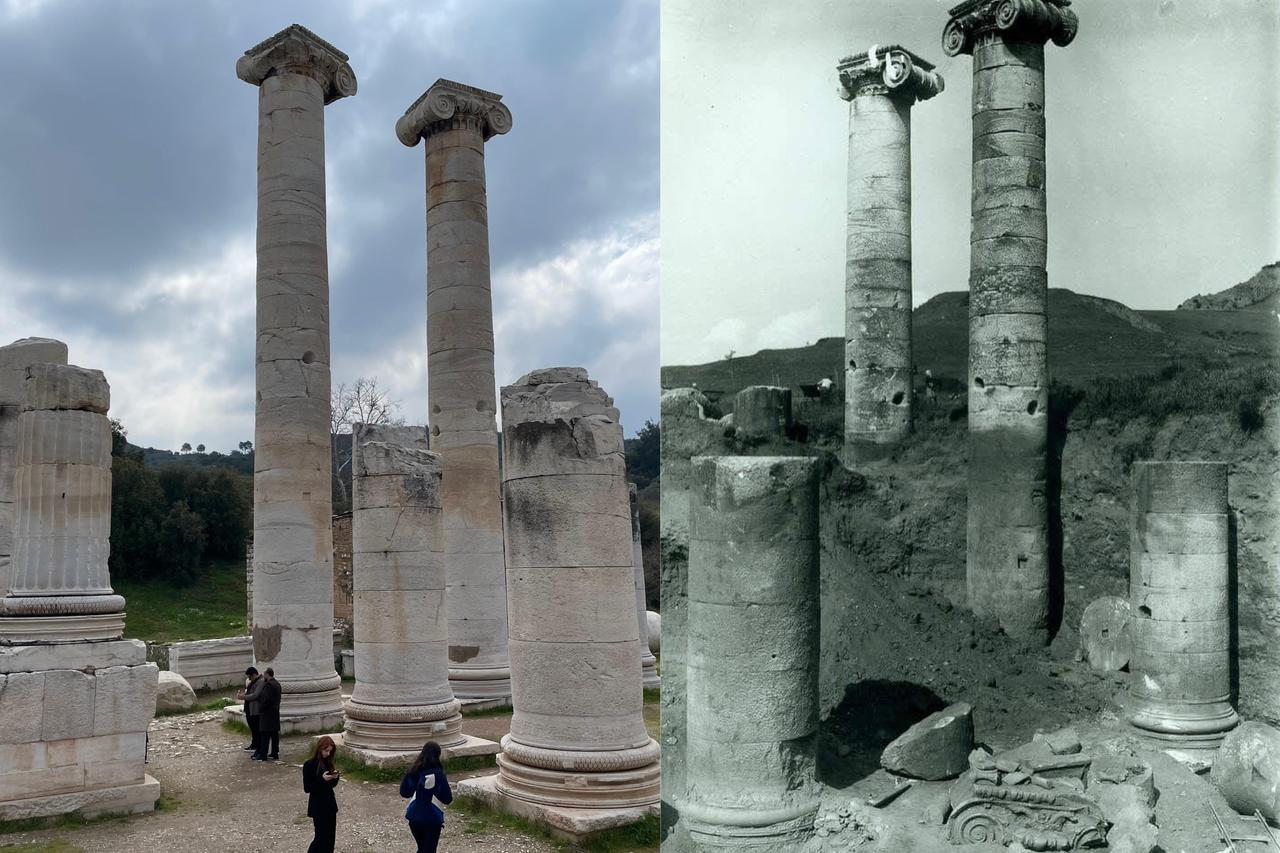
Türkiye has opened a new aerial monitoring and security center at the ancient city of Sardis and the nearby Bin Tepe Lydian tumuli in Manisa, using long-range drones and night-vision technology to detect and prevent illegal excavations.
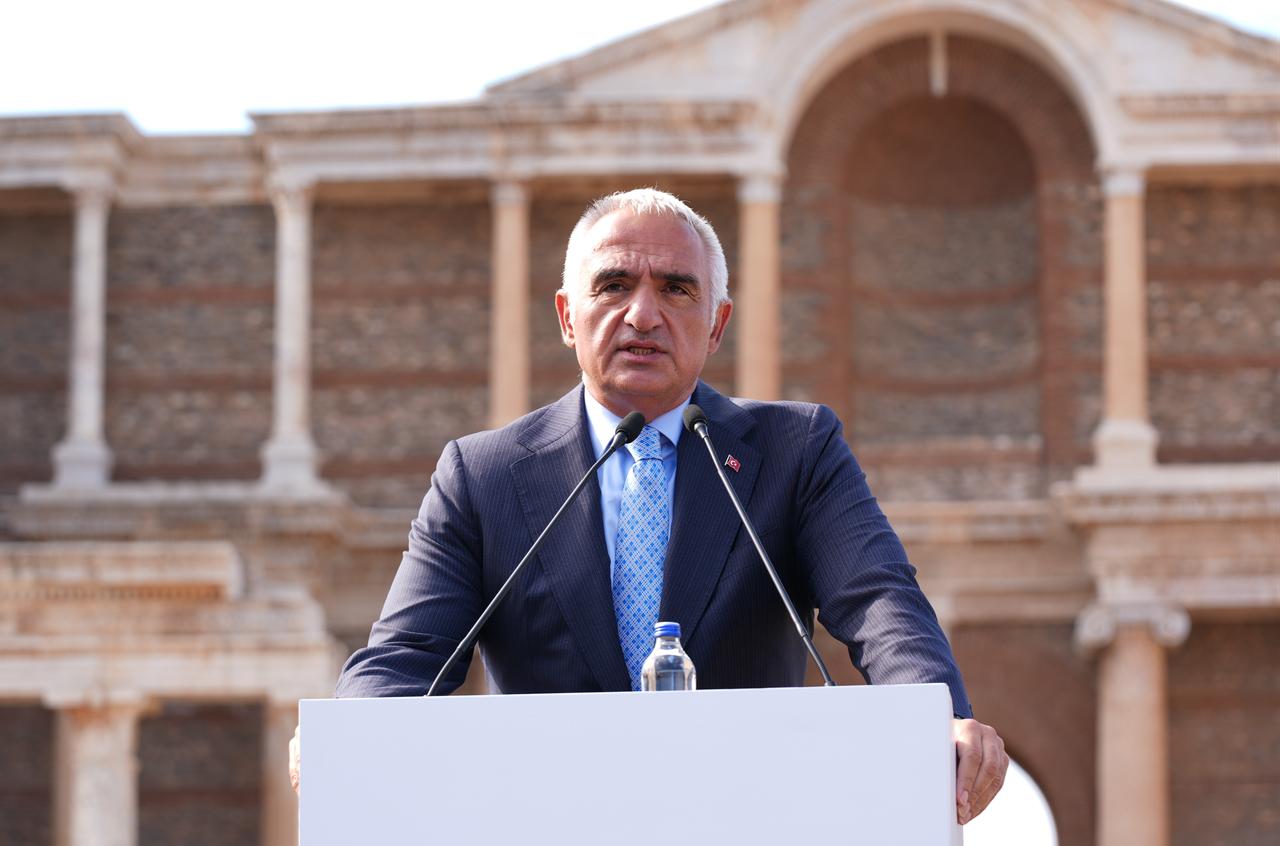
Culture and Tourism Minister Mehmet Nuri Ersoy said the facility marked the first application of a new technology-based approach aimed at protecting cultural heritage across large archaeological landscapes.
"We use technology to detect, deter and prevent illegal excavation attempts as early as possible," Ersoy said during the opening ceremony at Sardis.
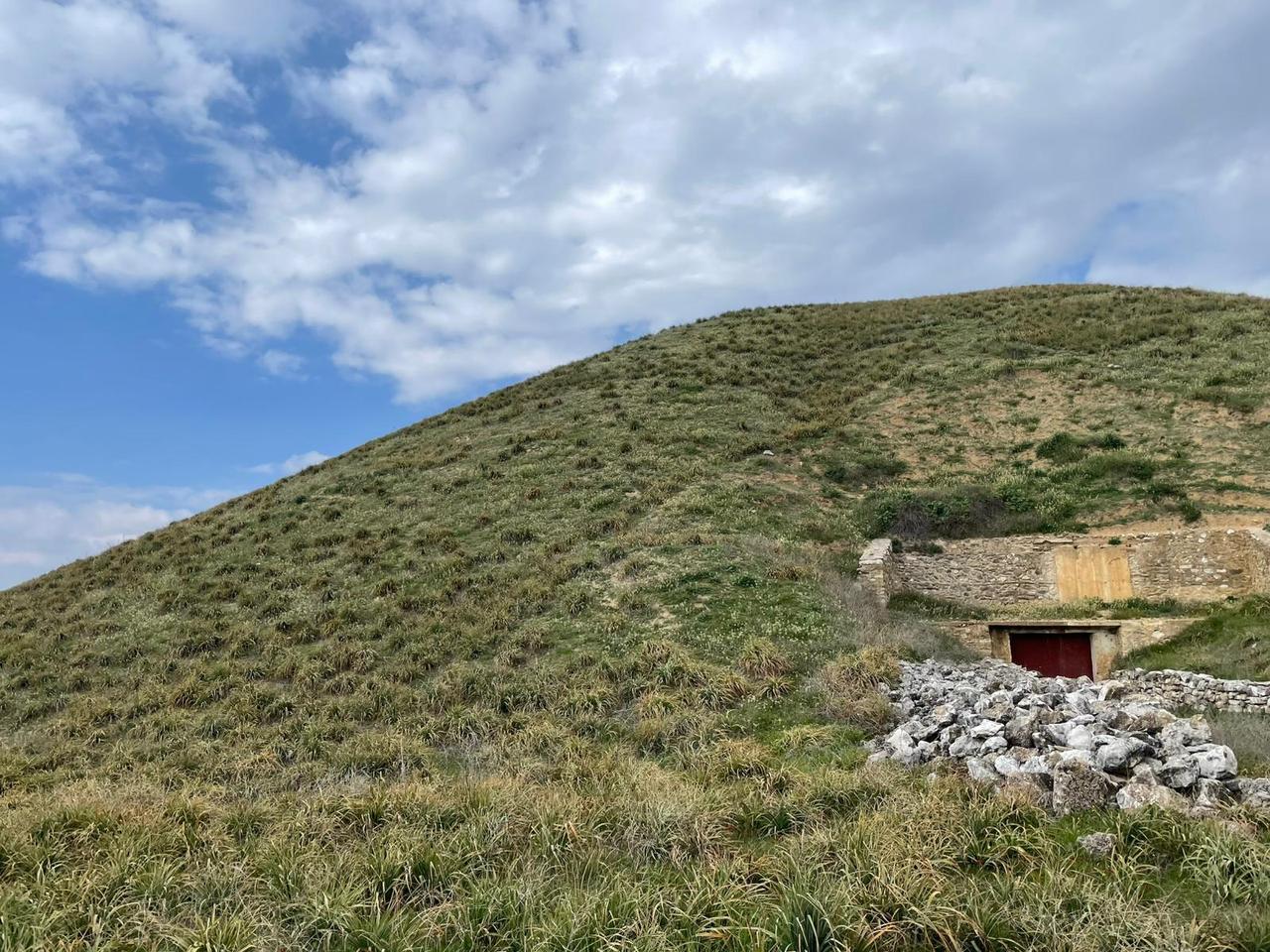

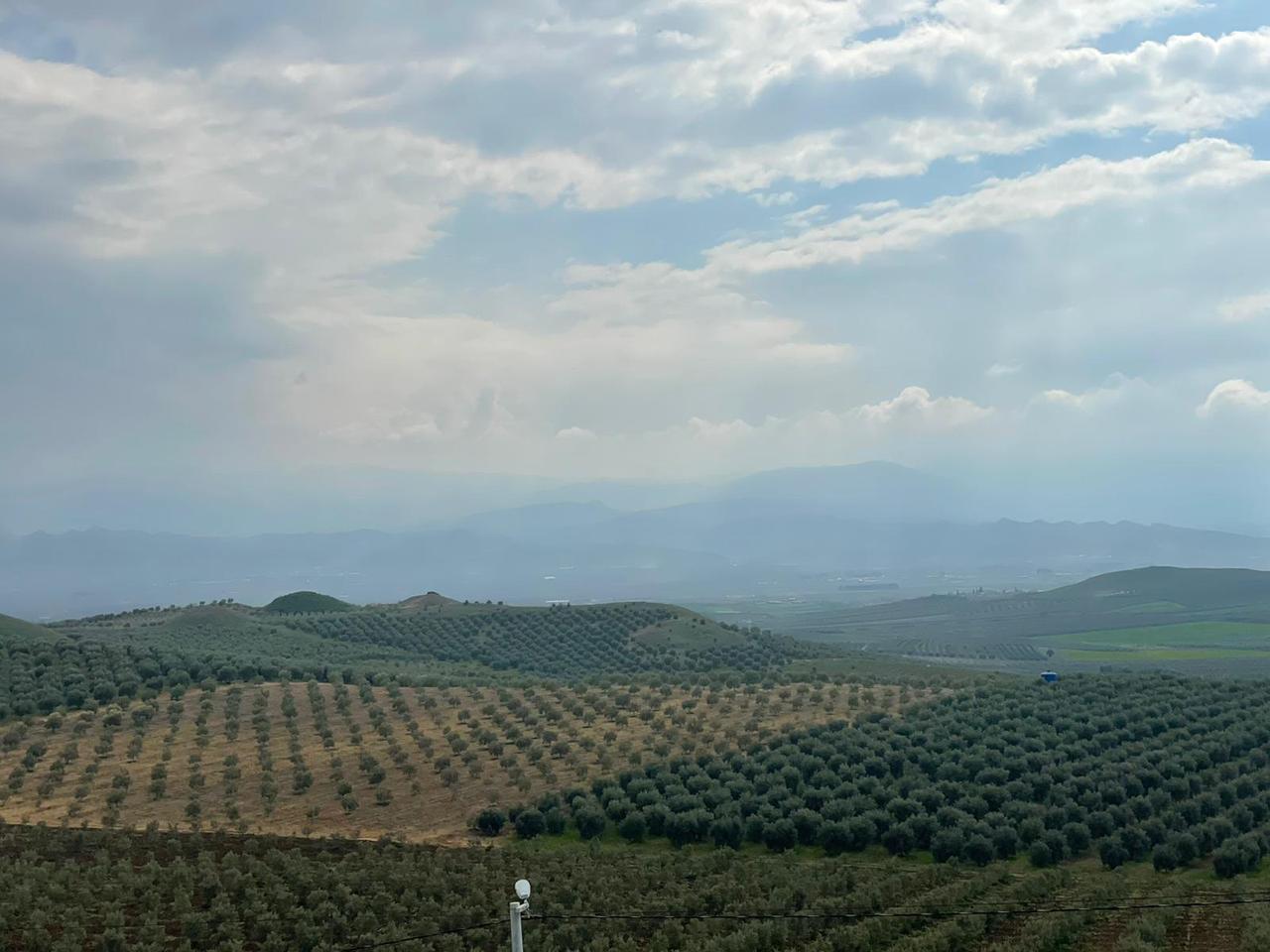
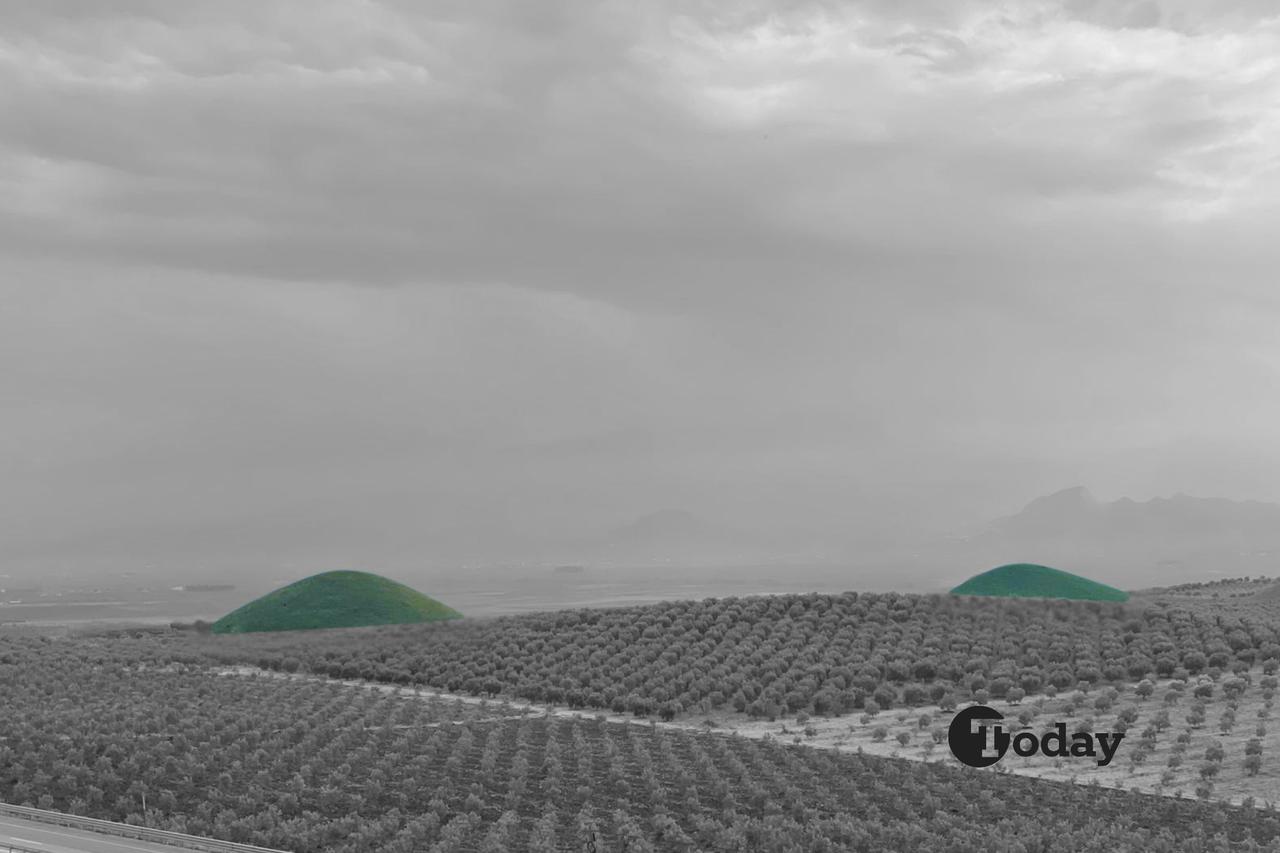
Bin Tepe, located next to Sardis, the capital of ancient Lydia, covers around 75 square kilometers and contains more than 120 monumental tombs, including the burial monument of Lydian King Alyattes.
Ersoy said the area had previously been targeted by illegal excavations that caused irreversible damage, underlining the need to spot potential threats before they develop.
An old excavation house near Karniyarik Tepe, which overlooks Bin Tepe, has now been converted into the aerial monitoring and security center.
The facility is equipped with two unmanned aerial vehicle systems capable of long-range operation and night vision, while three antenna systems expand its coverage. Central monitoring systems, large screens and perimeter security cameras have also been installed.
Security personnel assigned to the center in shifts have completed drone pilot training and certification. When suspicious activity or an illegal excavation attempt is detected during aerial monitoring, the information is passed on to gendarmerie units for intervention.
Ersoy said data gathered through the system would also be used to develop protection policies and bring in additional measures when needed, adding that the Sardis project was being carried out as a pilot application.
Ersoy also said Türkiye continued to track down cultural objects illegally taken abroad, regardless of where they were located.
According to the minister, 13,474 cultural assets have been brought back to Türkiye since 2002, including 9,159 over the past eight years.
He pointed to bronze imperial statues removed from the ancient city of Boubon as one of the notable examples of these efforts, saying works including a statue of Marcus Aurelius had returned to Anatolia following years of research and international cooperation.
While emphasizing the role of technology, Ersoy said it could not work alone and added that the model developed at Bintepe would provide experience for protecting other archaeological sites spread across large geographical areas.
Sardis excavation director Professor Nicholas Cahill also thanked those involved in the project during the ceremony.


 Set as preferred source
 Set as preferred source


 1 min read
 1 min read