Newsletters


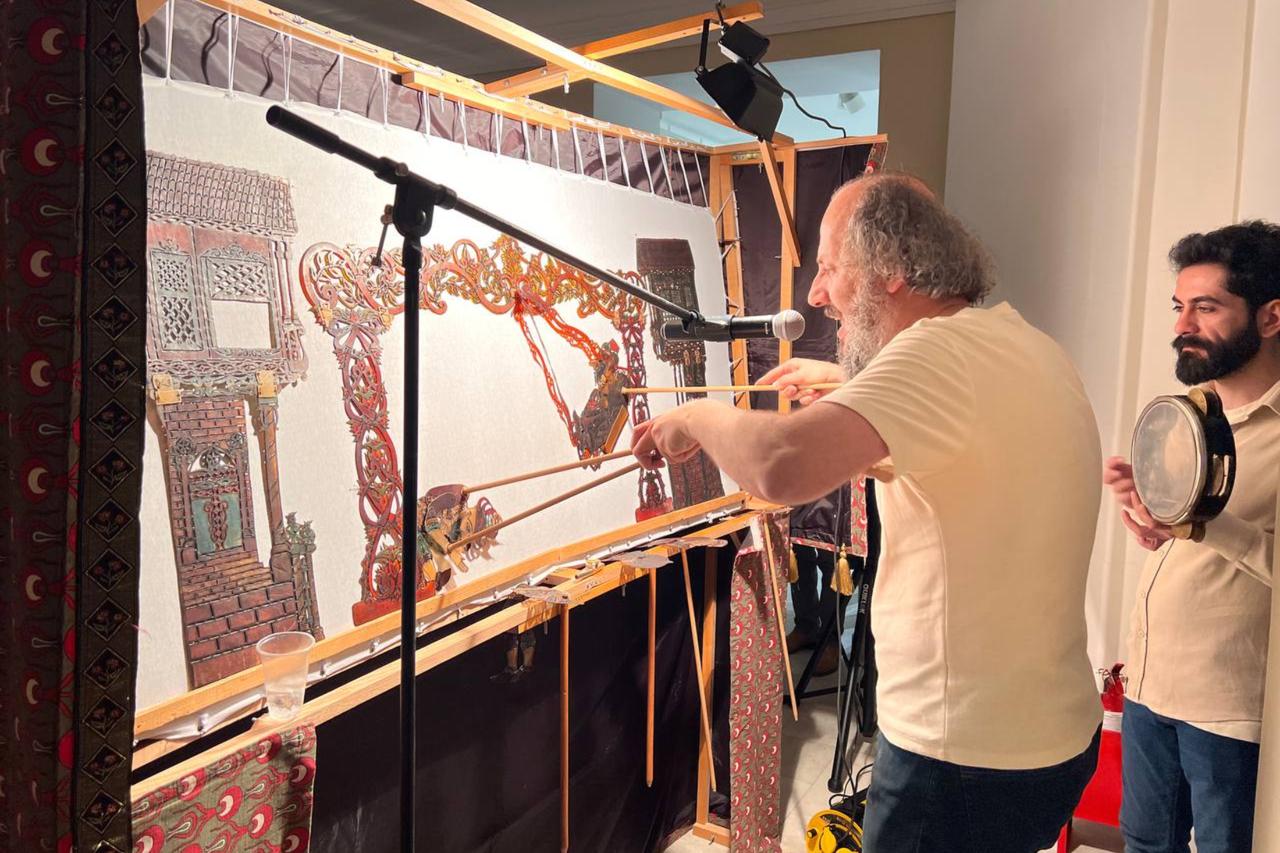


Türkiye is taking a new step to safeguard one of its most recognized forms of intangible cultural heritage, as the centuries-old Karagoz shadow theatre is set to be preserved, studied, and passed on through a newly established laboratory in the northwestern province of Bursa. The initiative aims to both protect the tradition and bring it closer to the public by turning preservation into an active, participatory process.
Karagoz, a traditional form of Turkish shadow theatre featuring leather puppets projected onto a screen, is listed on UNESCO’s List of the Intangible Cultural Heritage of Humanity. Known for its humor, social commentary, and improvisational dialogue, the art form has been performed for nearly 700 years and remains closely associated with cultural life in Anatolia.
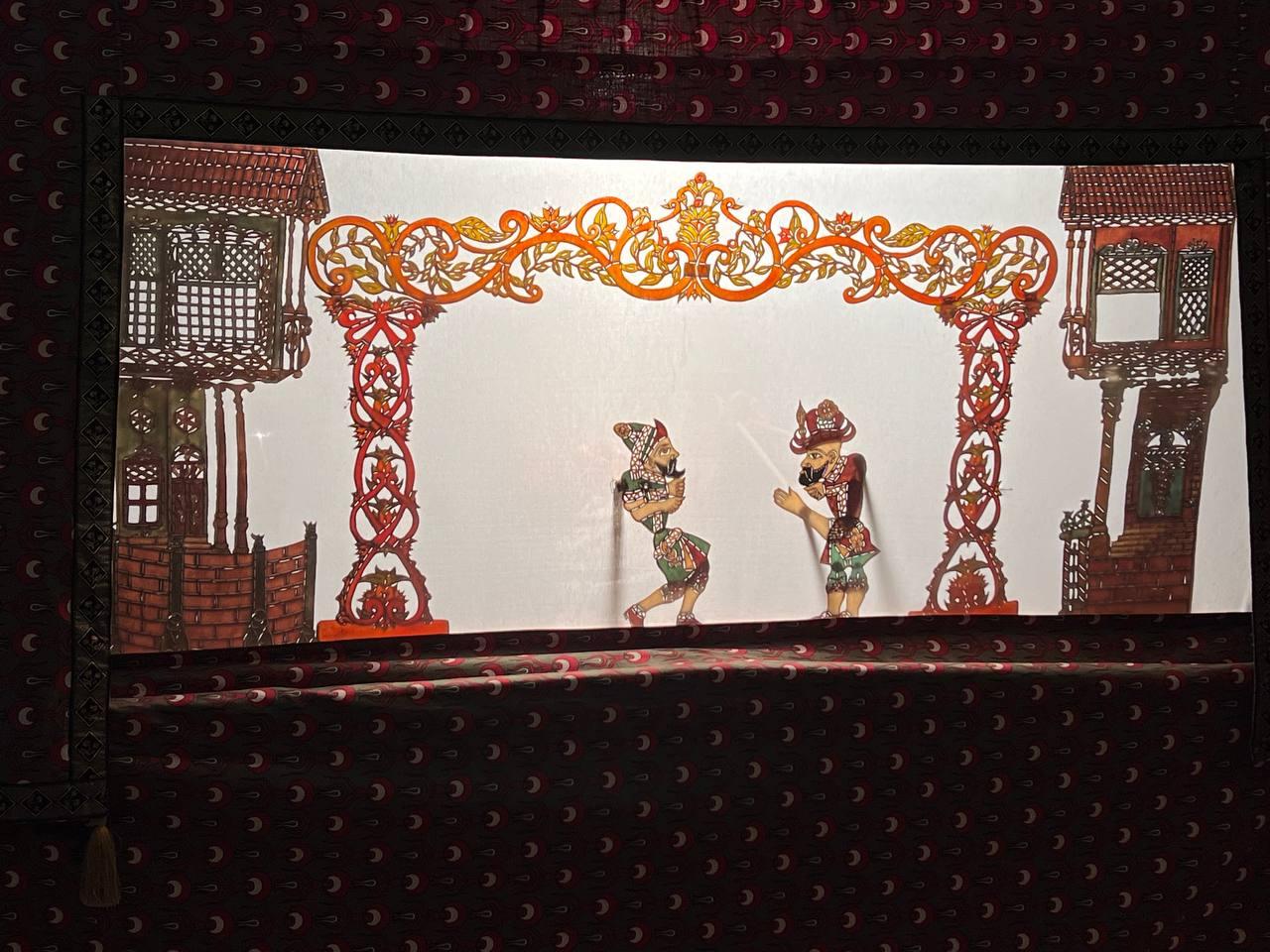

The Karagoz Laboratory has been set up by a research center operating under Bursa Uludag University and is expected to open its doors to visitors in January 2026. Rather than functioning only as an exhibition area, the laboratory has been designed as a living space where academic research, public engagement, and hands-on learning come together.
According to its director Ibrahim Oztahtali, the laboratory is intended to study Karagoz in a scientific framework while also opening it up to society. He underlined that children, in particular, will be encouraged not only to watch performances but also to learn how the figures are made and how the plays are performed, allowing them to take part in the tradition rather than remain passive viewers.
Visitors to the laboratory will be able to watch traditional Karagoz and Hacivat performances, explore the historical development of shadow theatre through an extensive collection, and join workshops focused on figure-making, puppetry, and performance. These activities are planned for all age groups, helping the art form reach audiences with different levels of familiarity.
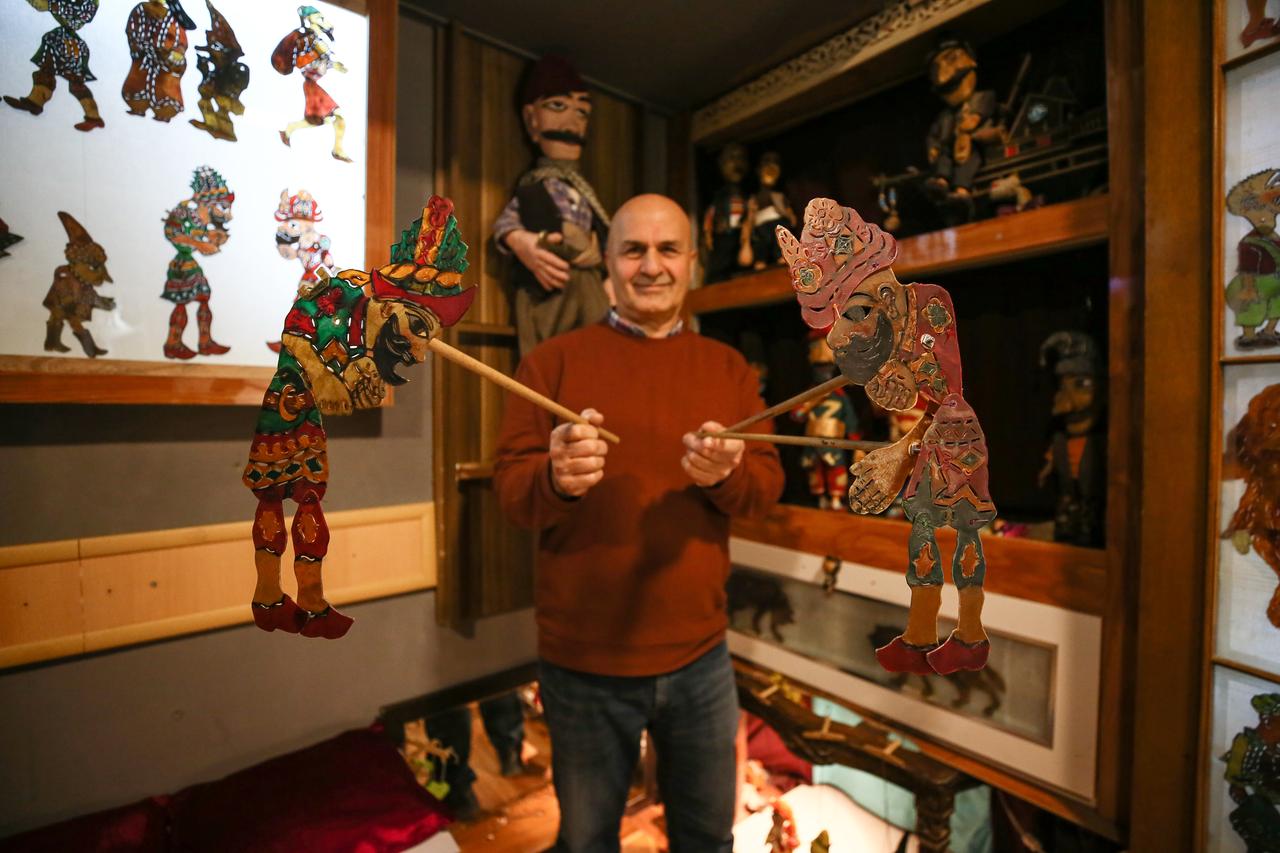
Master puppeteer Nevzat Ciftci explained that the project aims to draw visitors into the creative process itself. He said the laboratory was set up to make sure people actively engage with Karagoz, rather than simply observing it from a distance.
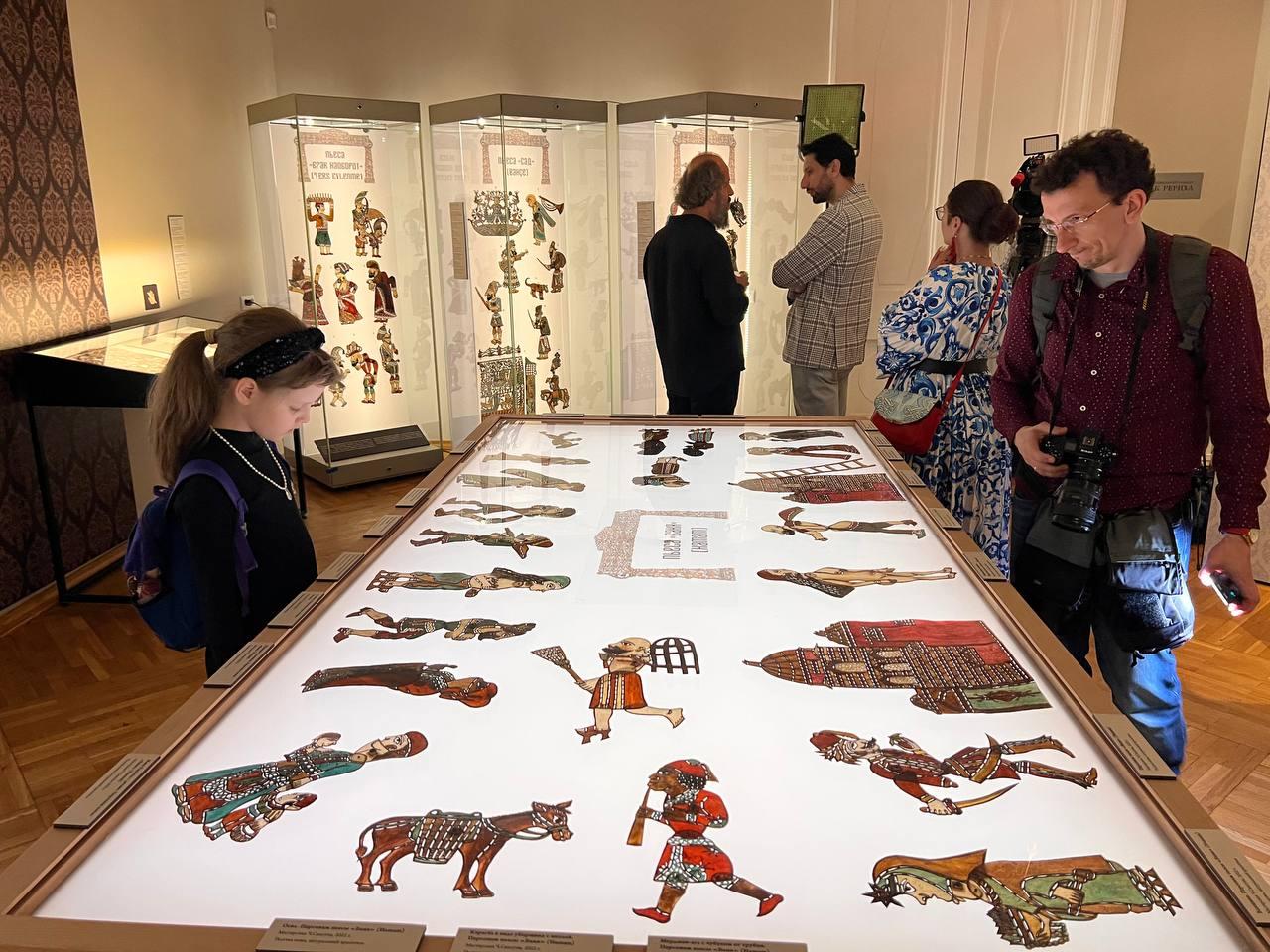
Beyond focusing solely on Anatolia, the laboratory will also trace the broader journey of Karagoz from Central Asia to Türkiye. Visitors will be able to compare the tradition with shadow theatre practices from China, Indonesia, and India, highlighting both shared elements and local distinctions.
Ciftci noted that the laboratory houses more than 100 figures and puppets, allowing visitors to see how different styles and techniques developed over time. By placing Karagoz within this wider cultural map, the project aims to strengthen understanding of its historical depth and international connections.
At its core, the initiative seeks to raise new generations of Karagoz performers and puppetry enthusiasts while ensuring the long-term safeguarding of a nearly seven-century-old tradition.


 Set as preferred source
 Set as preferred source


 2 min read