

 Sign in
 Newsletters


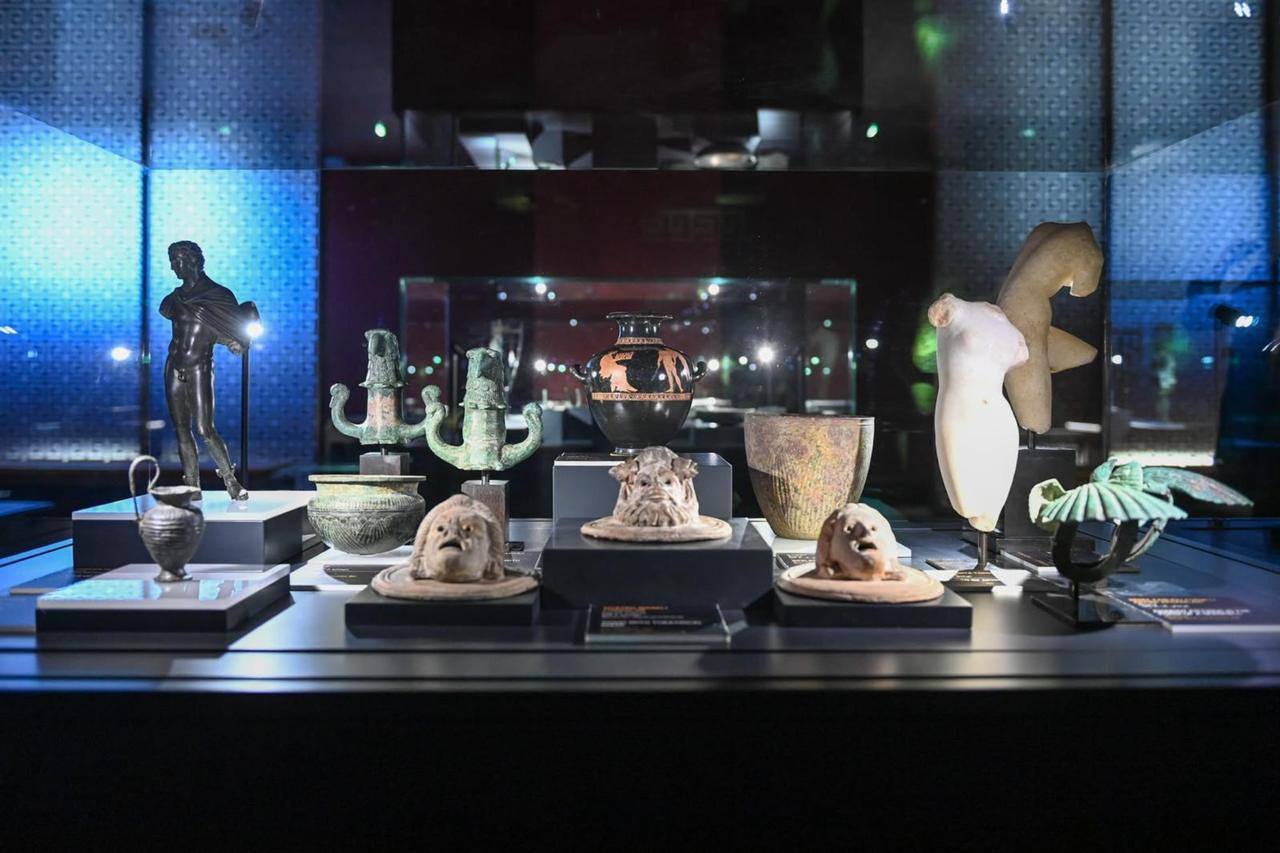


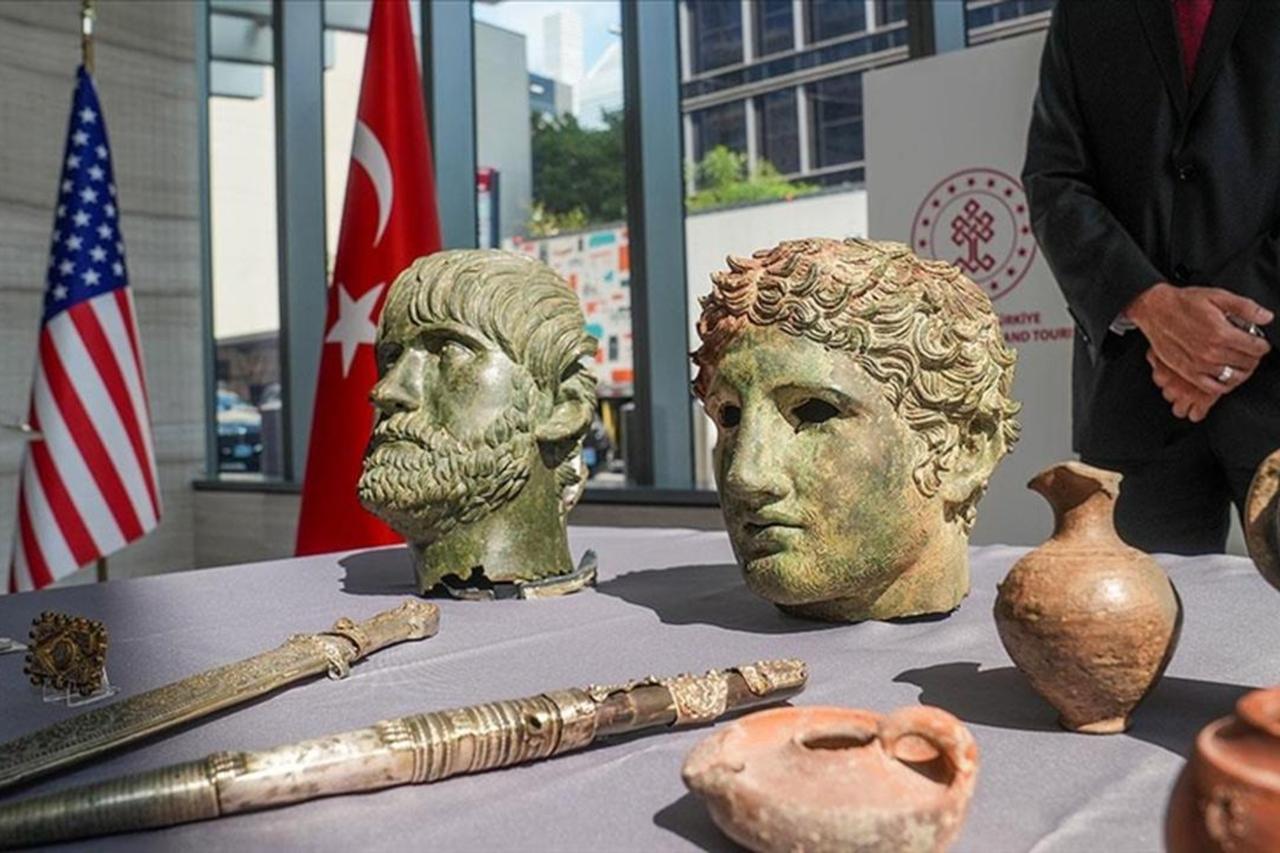
Türkiye has secured the return of 100 historical artifacts from the United States, drawing on decades-old excavation reports, museum archives, three-dimensional scans and laboratory analyses to establish the origins of cultural treasures smuggled out of Anatolia.
The recovery marks a significant step in the Ministry of Culture and Tourism's efforts to reclaim the country's cultural heritage through scientific research, legal proceedings and international cooperation.
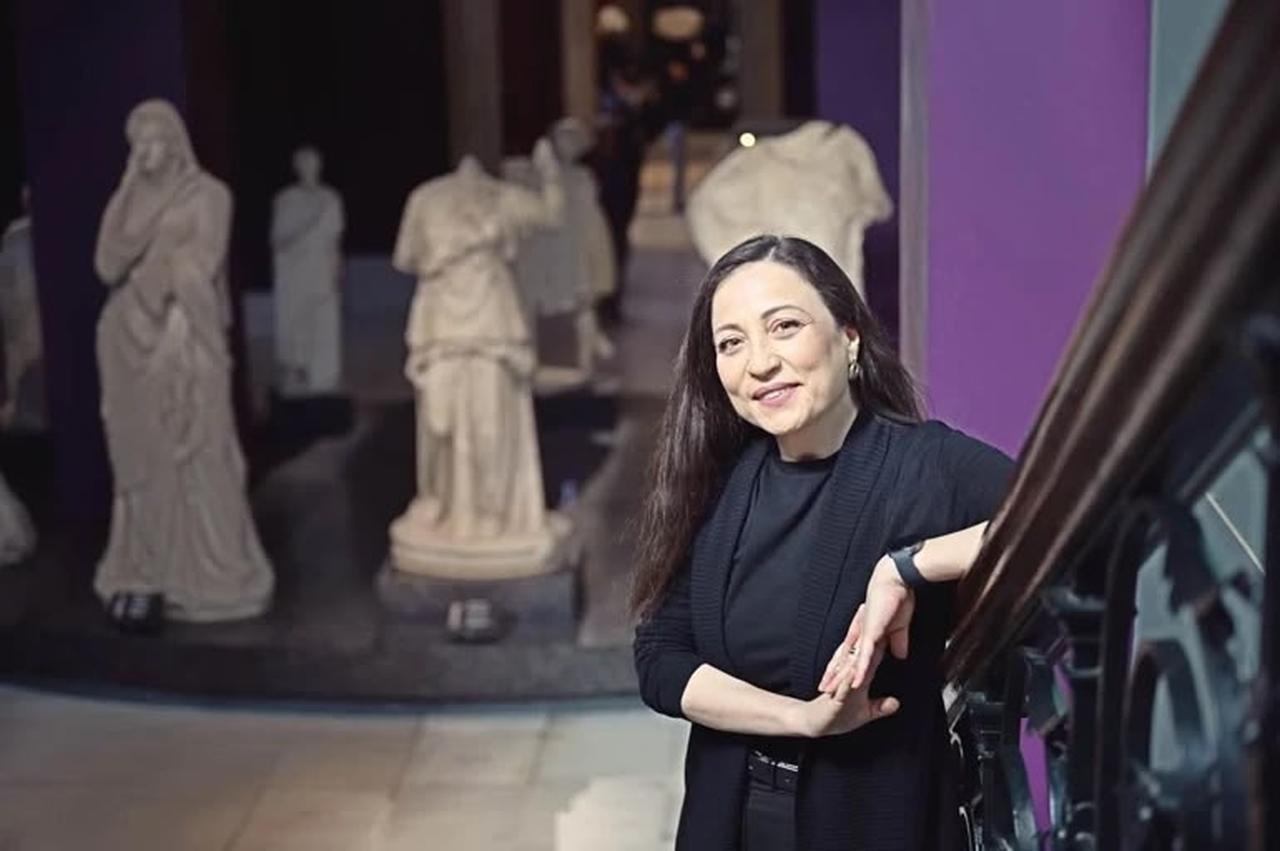
Speaking during a television program, Zeynep Boz, head of the ministry's Anti-Smuggling Department, outlined how historical records and modern technology have helped experts track down missing antiquities, sometimes more than half a century after their disappearance.
Boz also highlighted the role of Culture and Tourism Minister Mehmet Nuri Ersoy in strengthening institutional capacity, noting that the expansion of the ministry's anti-smuggling unit in 2020 helped establish closer ties with international counterparts.

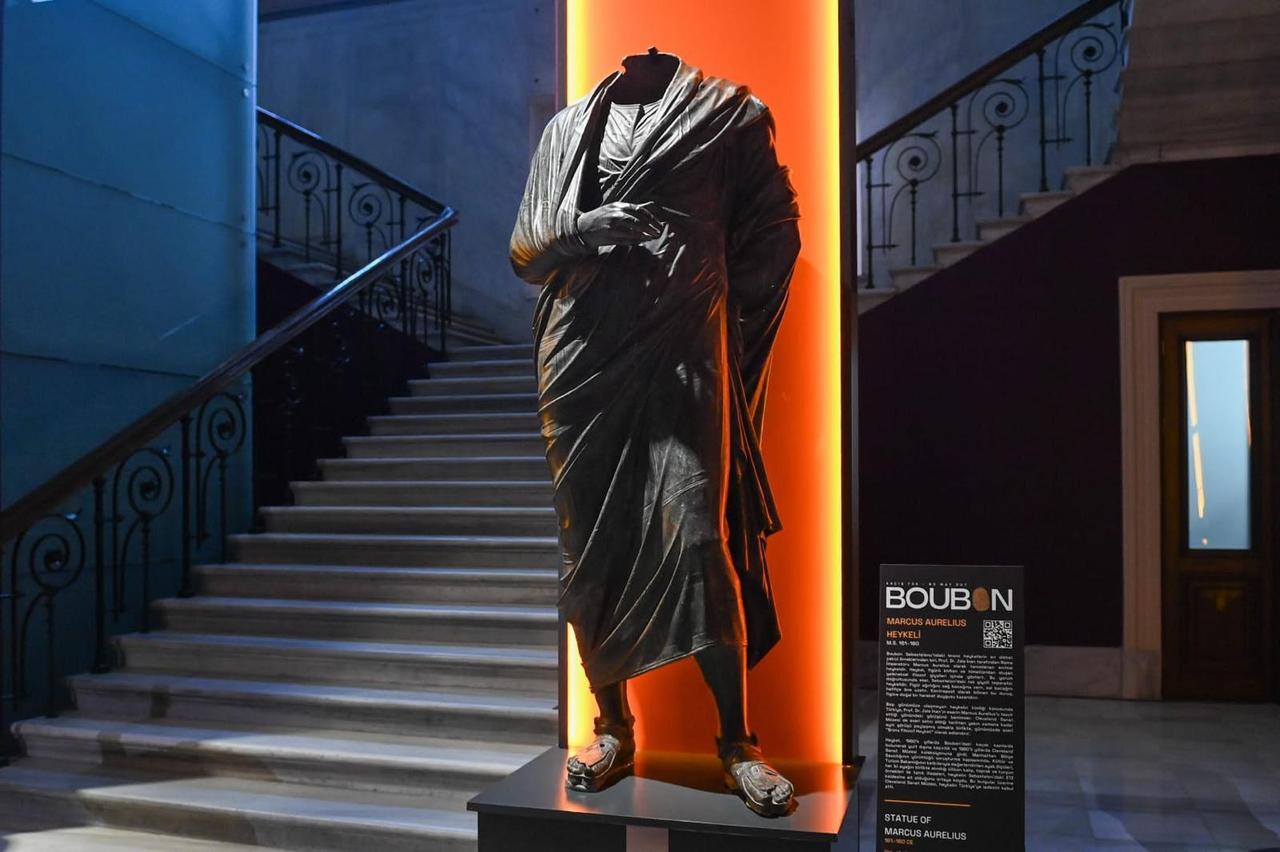
Among the most significant cases is the recovery of Roman bronze sculptures looted from the ancient city of Bubon in Türkiye's southwestern province of Burdur.
Many of the sculptures once stood inside the city's Sebasteion, a sanctuary dedicated to the worship of Roman emperors, before being smuggled abroad following illegal excavations in the 1960s.
Research published in 1973 by Professor Jale Inan, one of Türkiye's pioneering female archaeologists, laid the groundwork for subsequent investigations by establishing connections between bronze sculptures attributed to the ancient region of Pisidia and a statue recovered at Bubon.
Records from the Burdur Museum, a statue seized by Turkish security forces in 1967 and findings from rescue excavations helped establish that the sculptures belonged to the same sanctuary.
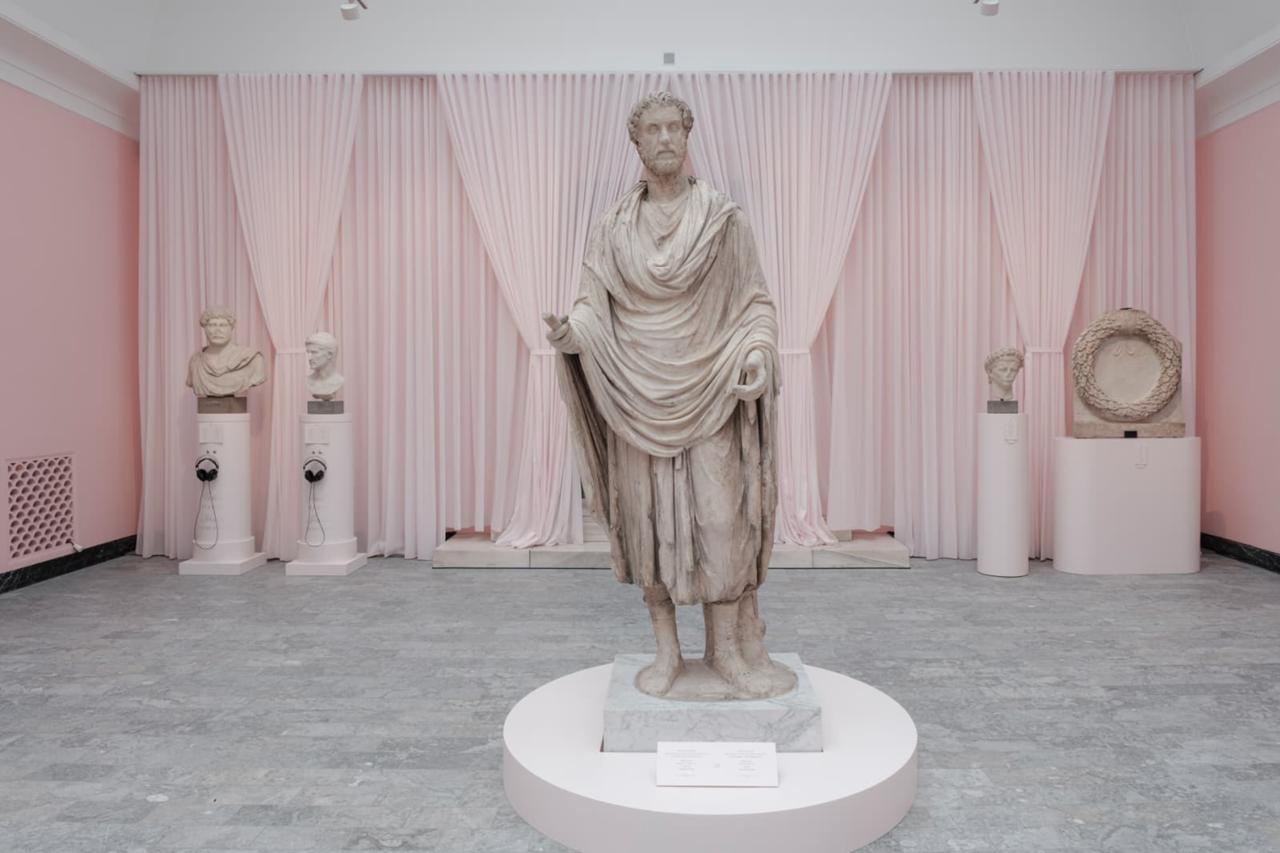
As part of the restitution process, Turkish experts carried out a three-dimensional scan of a Marcus Aurelius statue held by the Cleveland Museum of Art. Digital comparisons revealed that a lead fastening on the statue's foot matched a corresponding socket in a pedestal at Bubon.
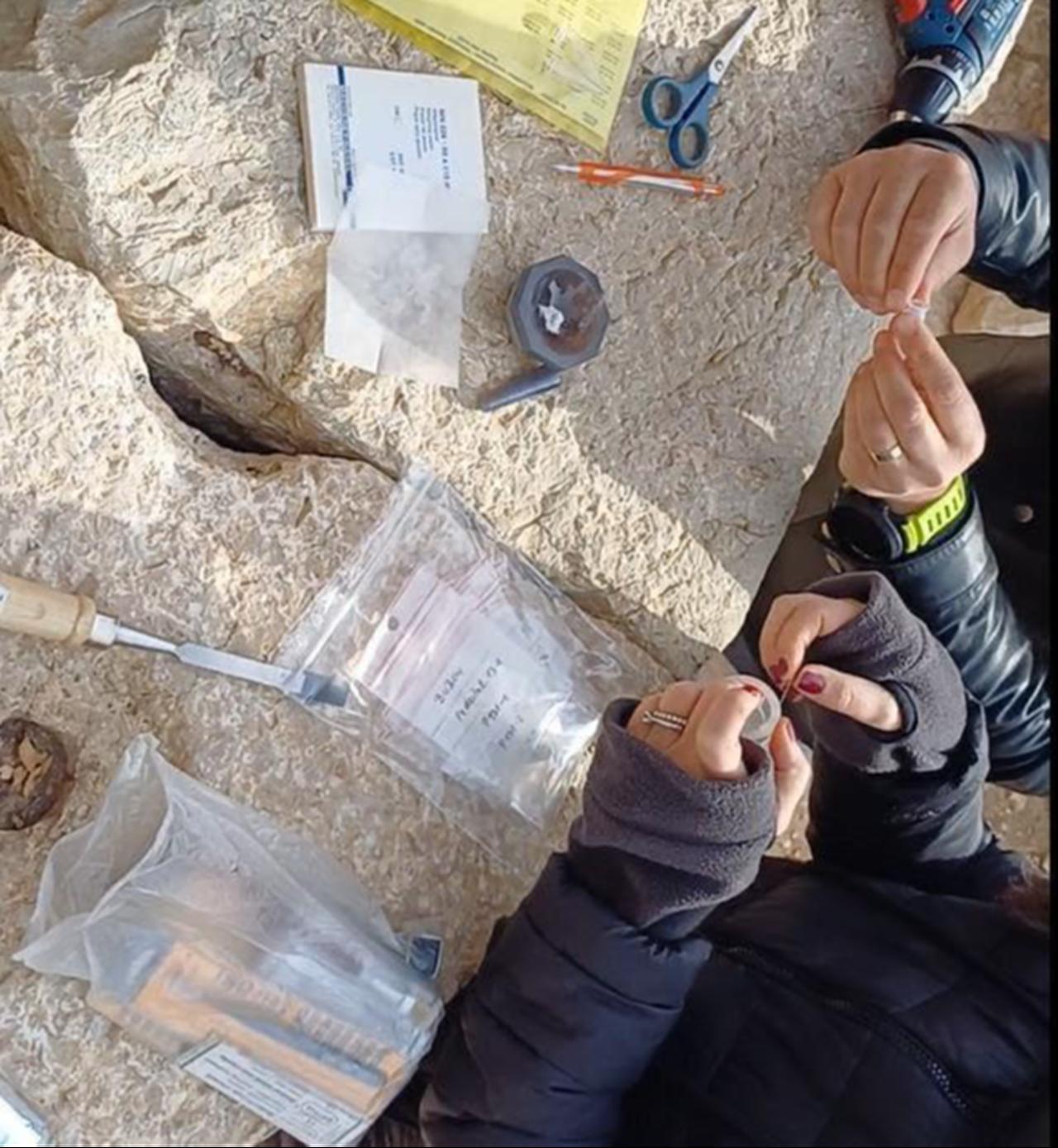
Researchers at Germany's University of Tubingen subsequently analyzed lead samples taken from the sculpture and the pedestal, providing further scientific evidence that the statue once stood inside the Sebasteion.
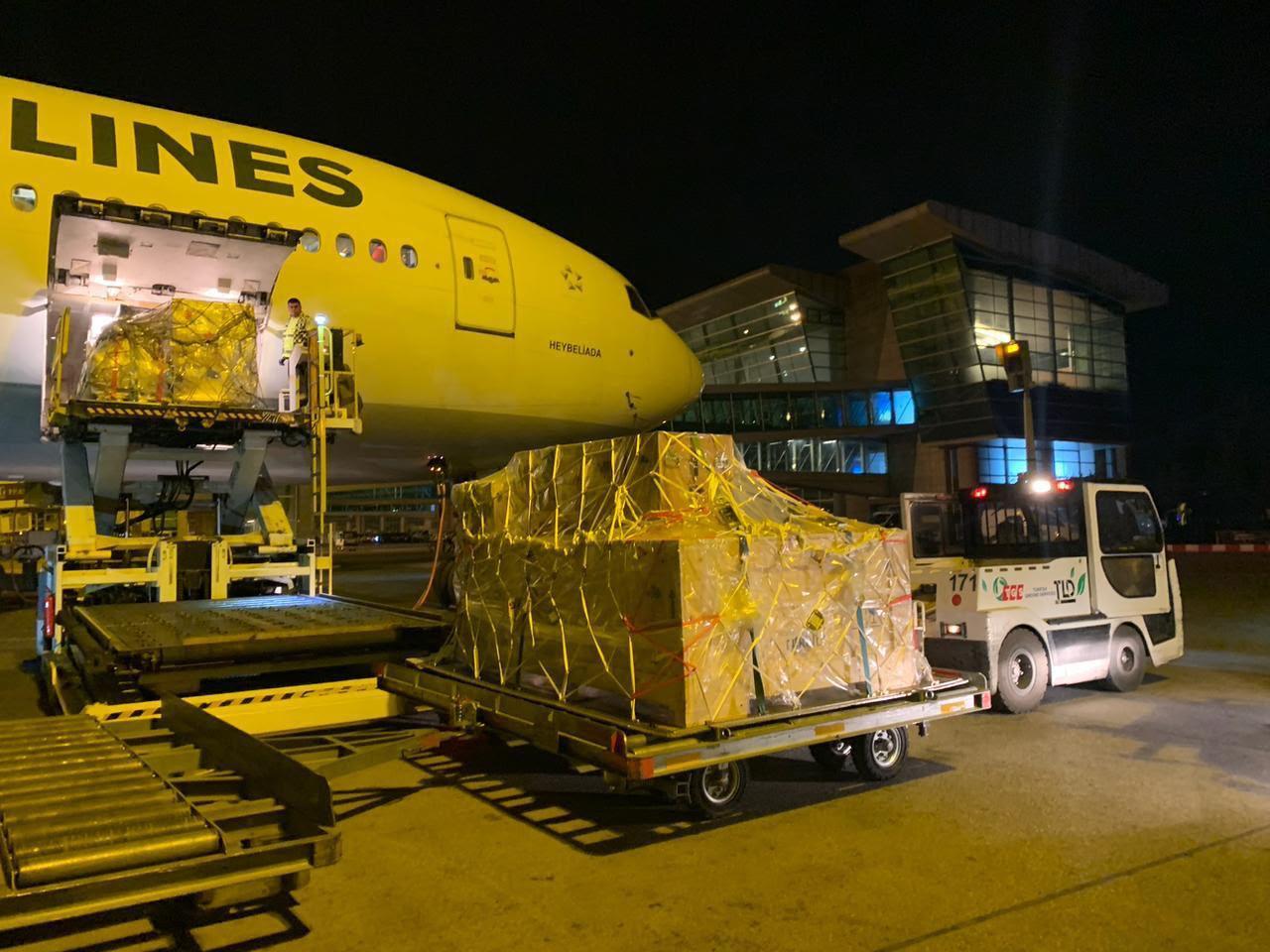
The recovery of the Bogazkoy Sphinx in 2011 stands out as another example of Türkiye's long-running restitution efforts. Halil Edhem Bey, director of the Istanbul Archaeological Museums during the Ottoman period, initiated efforts to reclaim the artifact, which eventually returned after 98 years.
"We have seen that an artifact can return to Türkiye even after 98 years. But through careful and persistent pursuit. As long as such cases exist, we will remain persistent," Boz said.
Meanwhile, Türkiye continues to seek the return of treasures smuggled out of the ancient city of Troy during Heinrich Schliemann's excavations in the 1870s.
According to Boz, Schliemann's treasure-oriented approach caused considerable damage to Troy's archaeological layers, stripping artifacts of their historical and scientific context.
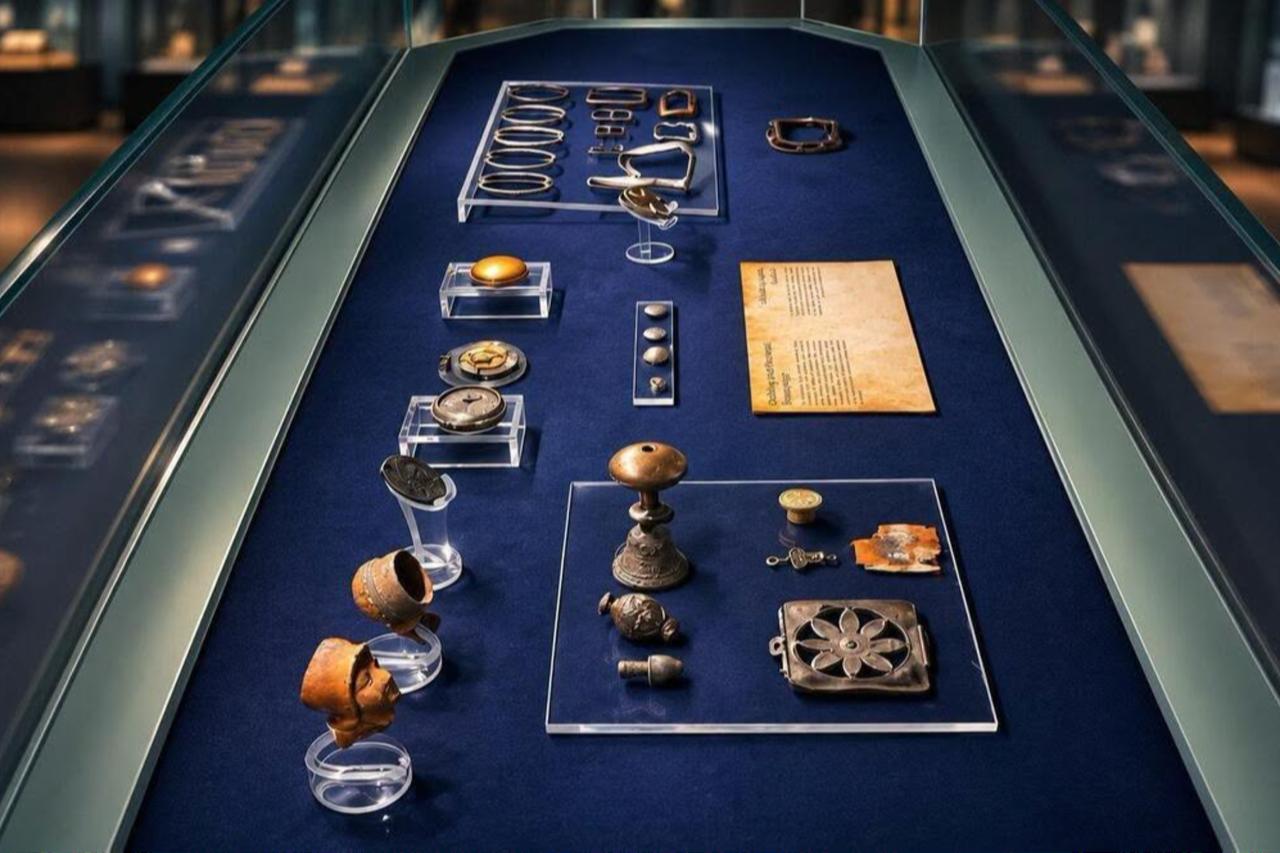
Some of these treasures remain in Russia's Pushkin and Hermitage museums. However, Türkiye secured the return of a collection of 24 gold jewelry pieces originating from Troy from the University of Pennsylvania Museum in 2012.
International museums are also taking on greater responsibility for provenance research, the process of establishing an artifact's origins and ownership history.
In one such case, a museum in Denver identified a sculpted head believed to have originated in Türkiye through an internal review of its collection and offered to return it.
Turkish ministry experts subsequently uncovered a historical record published in the Turkish Journal of Archaeology and Ethnography, establishing the artifact's connection to Anatolia and providing documentary evidence for its restitution.
Beyond the physical loss of antiquities, Boz stressed that illegal excavations deprive researchers of valuable scientific information.
An artifact's archaeological context, including the structure, soil layer and surrounding objects in which it was discovered, provides essential evidence for understanding the past. Once this context is destroyed, much of that information becomes irrecoverable.
The ministry continues to pursue numerous unresolved restitution cases while working alongside police, gendarmerie, customs authorities and museums to prevent further trafficking.
"We will not see this as a simple crime. We will be happy about the artifacts returned to our country from abroad, but we will remember that they should never have left in the first place," Boz said.


 Set as preferred source
 Set as preferred source


 1 min read
 1 min read


