

 Newsletters


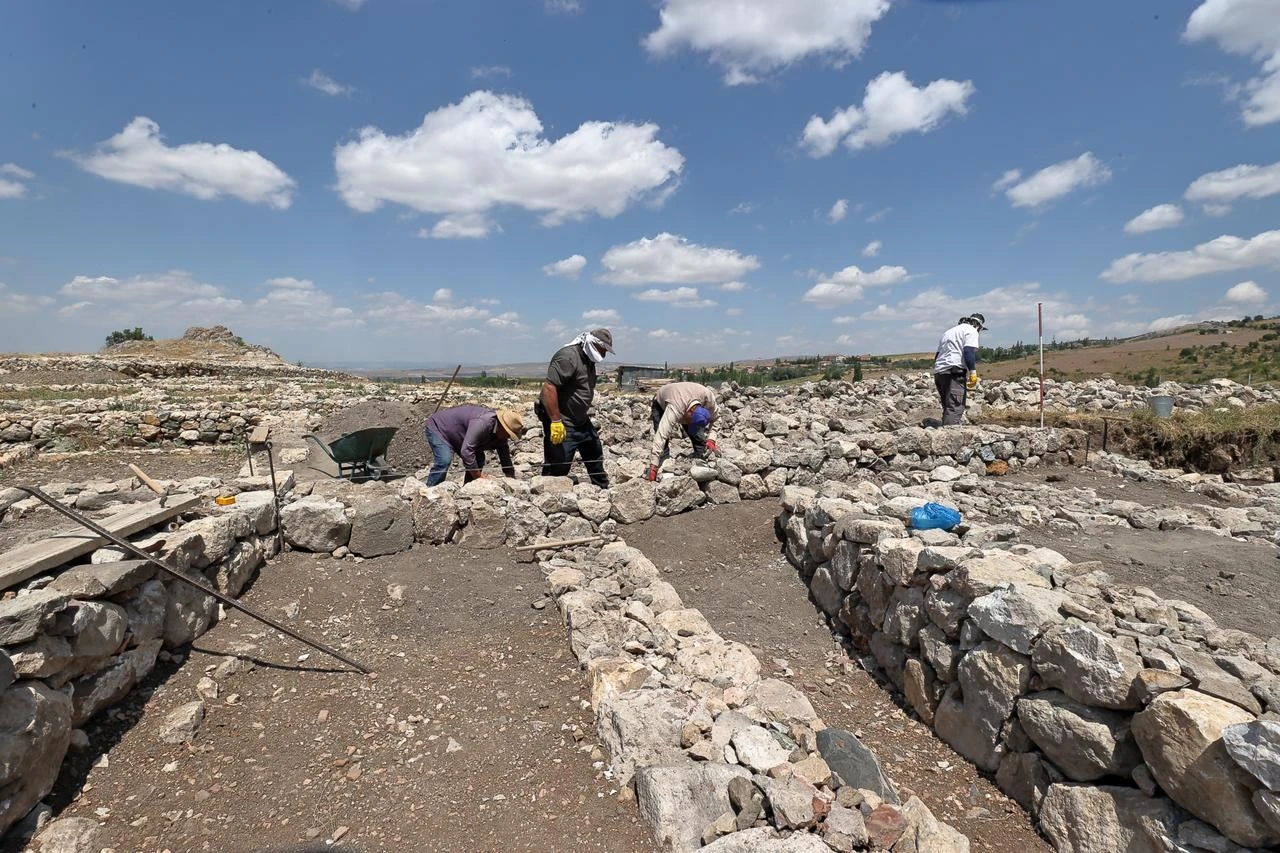


A 3,500-year-old Hittite neighborhood uncovered at Hattusa, the ancient capital in central Türkiye, is being restored to help preserve its remains and give visitors a clearer sense of how the city once looked.
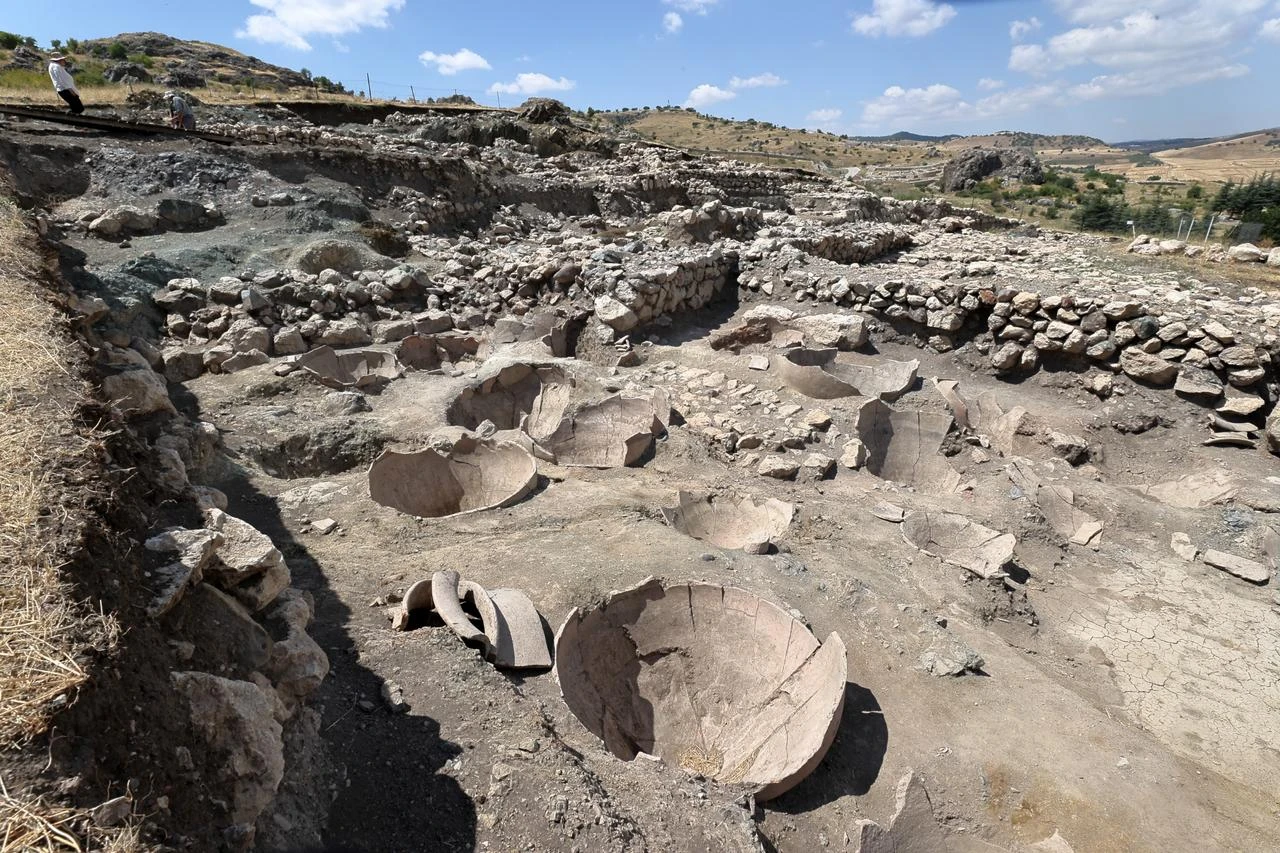
Restoration work is underway in the Lower City section of Hattusa, located in Bogazkale district of Corum province, where excavations completed in 2022 brought architectural remains from the Hittite period to light.
The ancient city, which is on UNESCO's World Heritage List, contains traces of settlement stretching back to the 6th millennium B.C. and preserves the cultural heritage of both the Hatti and Hittite civilizations. Hattusa later served as the capital of the Hittite civilization for about 450 years.
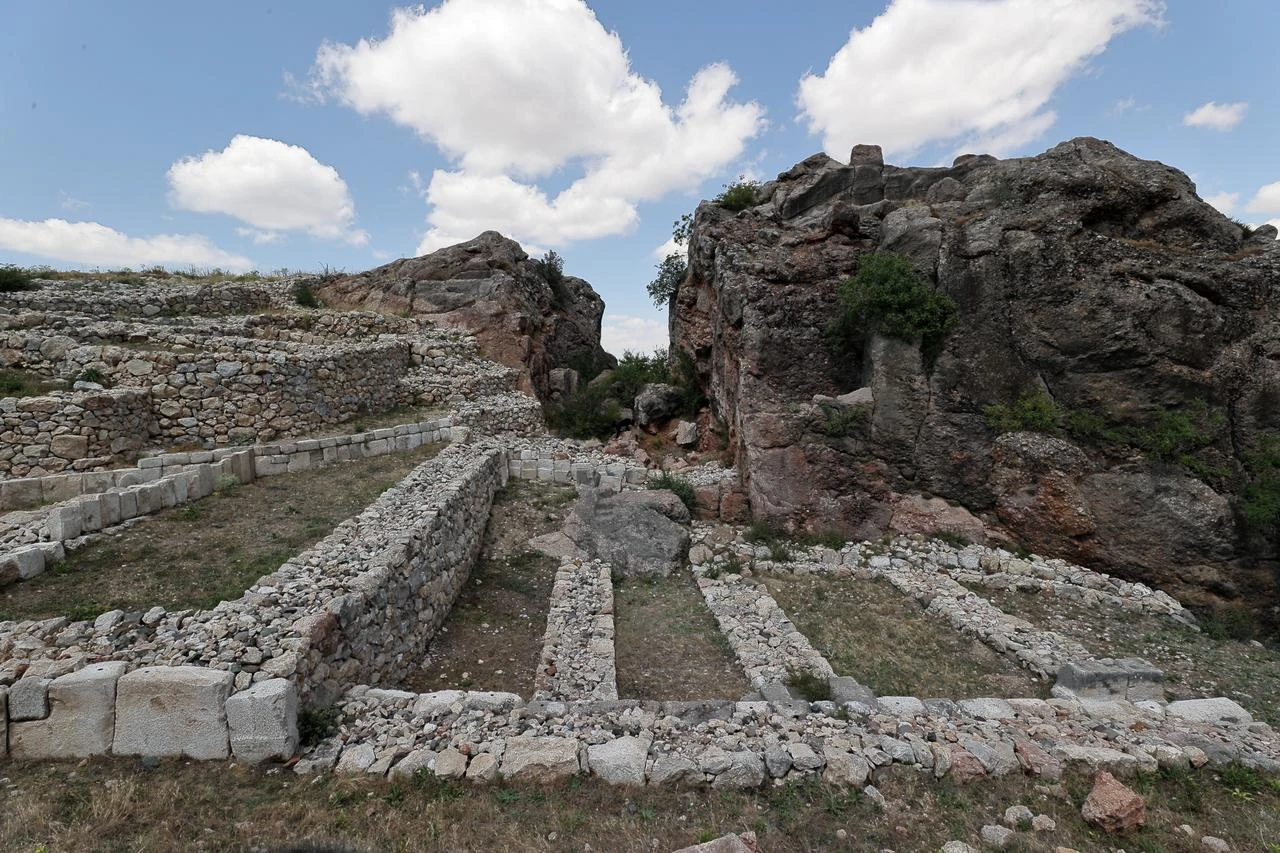

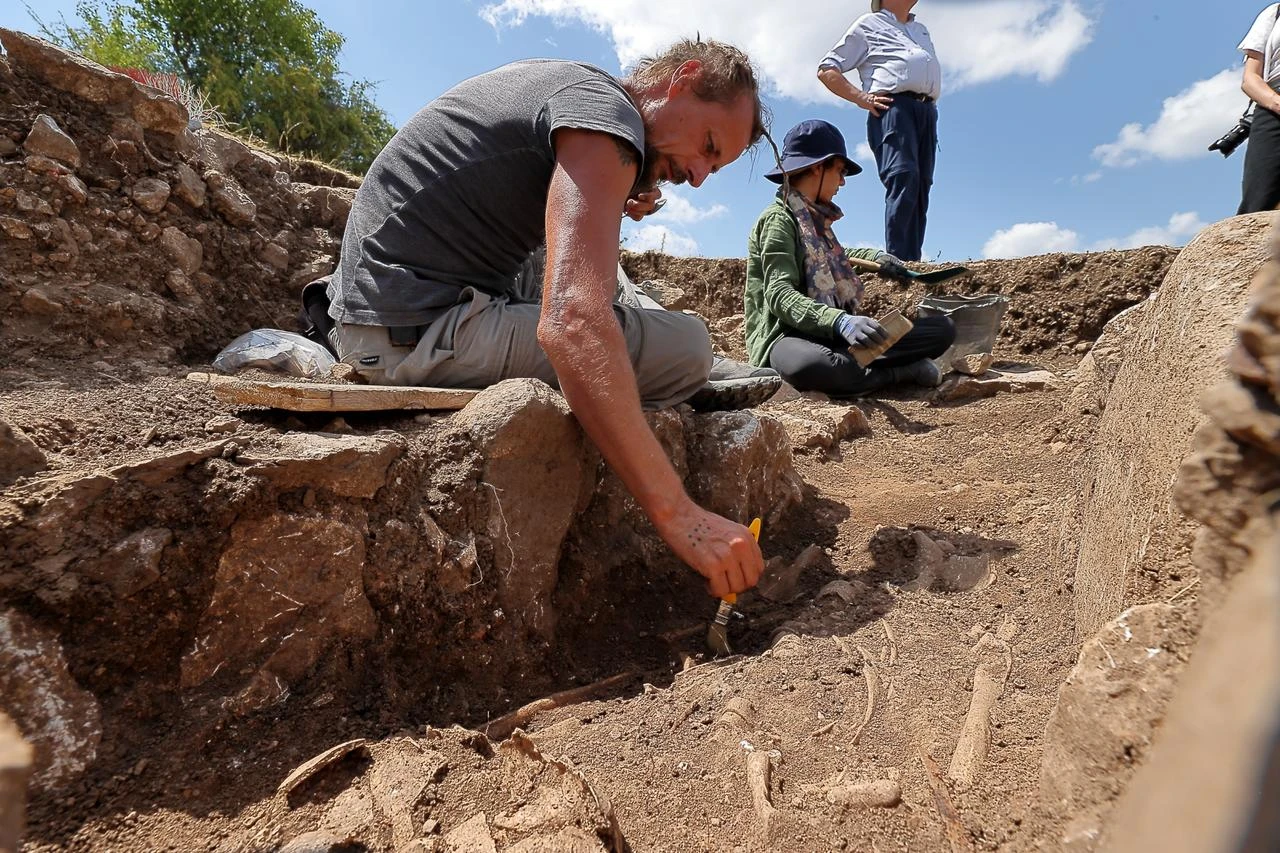
Excavations at Hattusa are being carried out by the German Archaeological Institute under excavation director Professor Andreas Schachner, who has led work at the site since 2006.
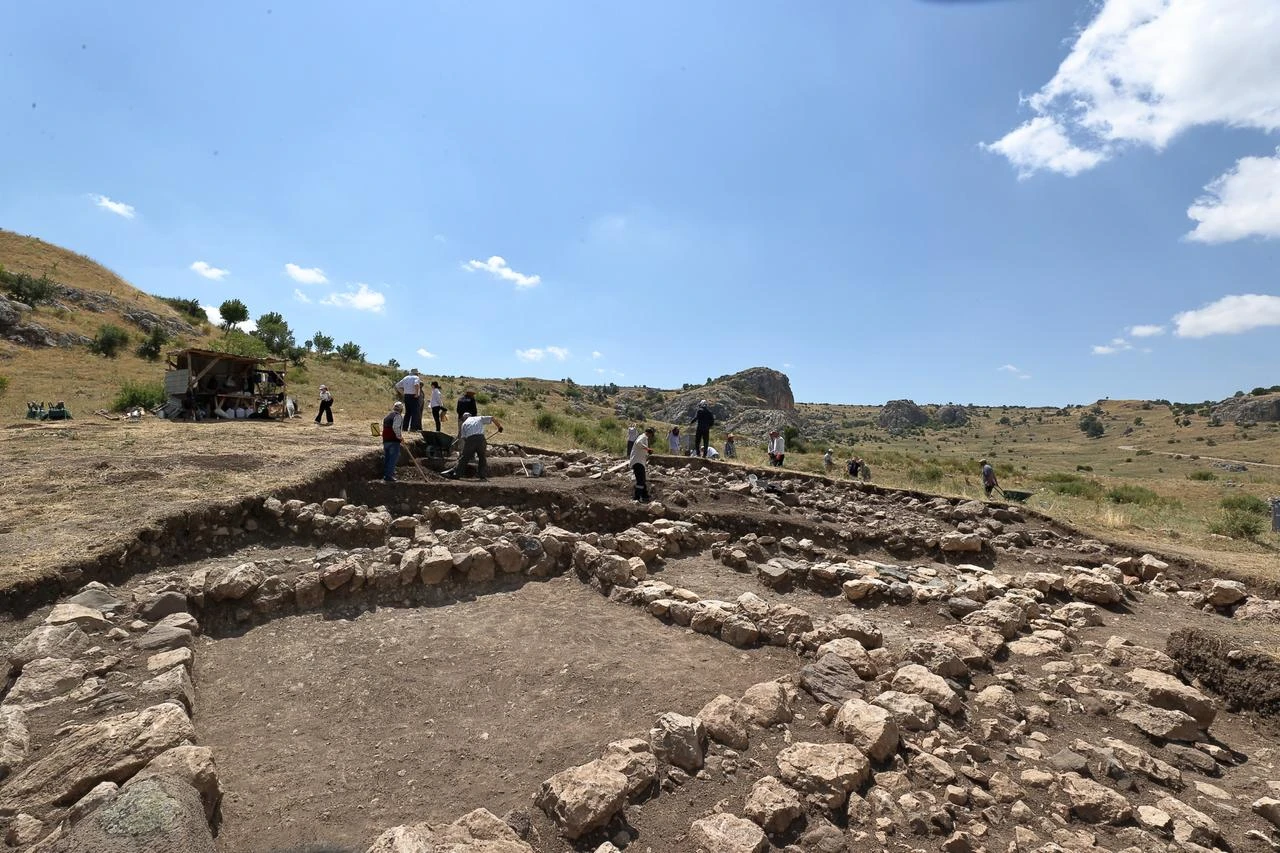
In addition to launching new excavations, the team is restoring ancient structures uncovered during previous seasons. Local stone masons are participating in the project, rebuilding walls directly over surviving foundations using stones recovered during the ongoing excavations.
Schachner said the approach both protects the architecture and makes the ancient urban layout easier for visitors to understand.
"We carried out extensive excavations in the Lower City until 2022. We are restoring the architectural elements found in these excavations and carrying out repairs in a way visitors can understand. We have to do this, otherwise, visitors would only be faced with a pile of stones. When the work is completed, visitors will see a Hittite neighborhood. This provides a good completion of the site. Our duty is not only to carry out research and excavations, but also to carry out restoration and show what we find to future generations," he said.
Around 30% of archaeological work at Hattusa is devoted to restoration, according to Schachner, reflecting the need to protect exposed structures at a site that receives large numbers of visitors.
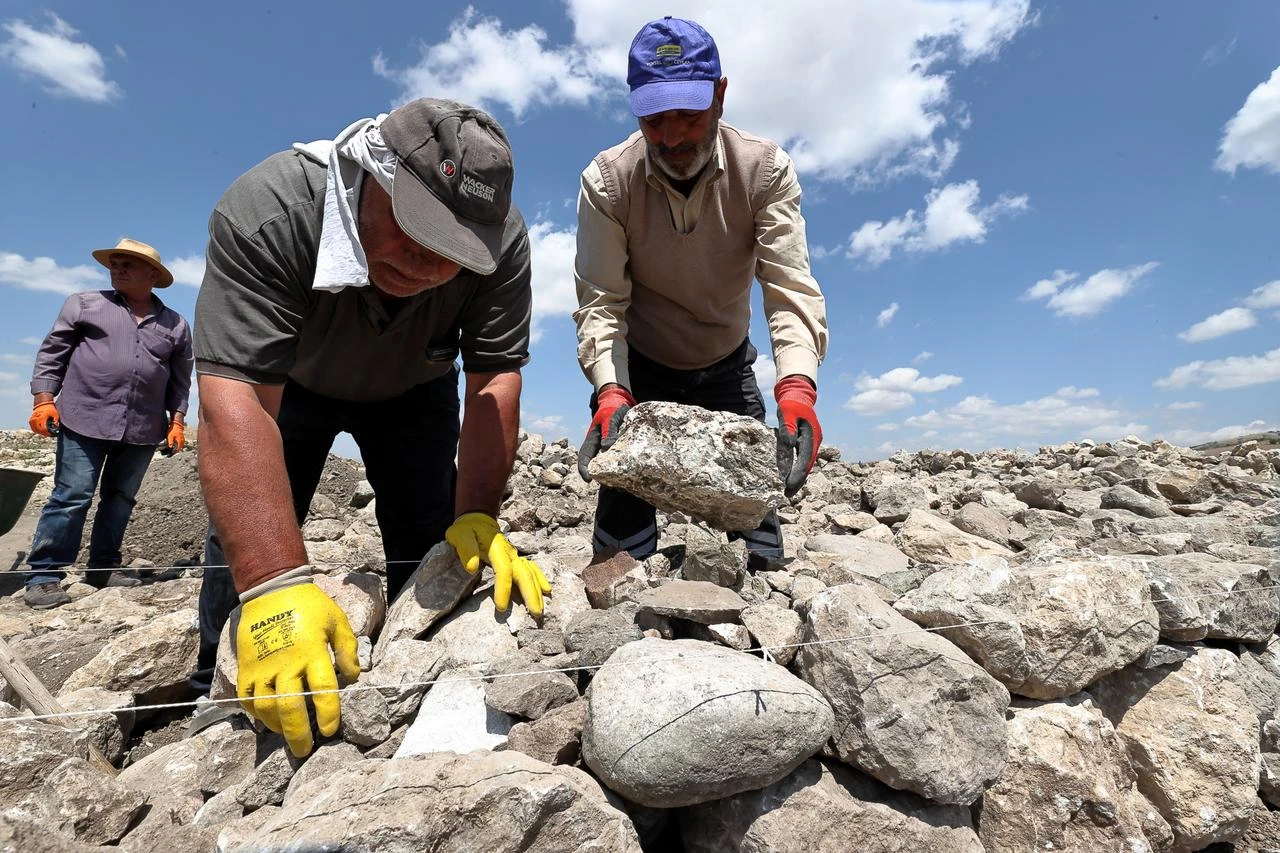
Hattusa has used a restoration system dating back to the 1960s, under which excavated areas are not simply left exposed after archaeological work is completed.
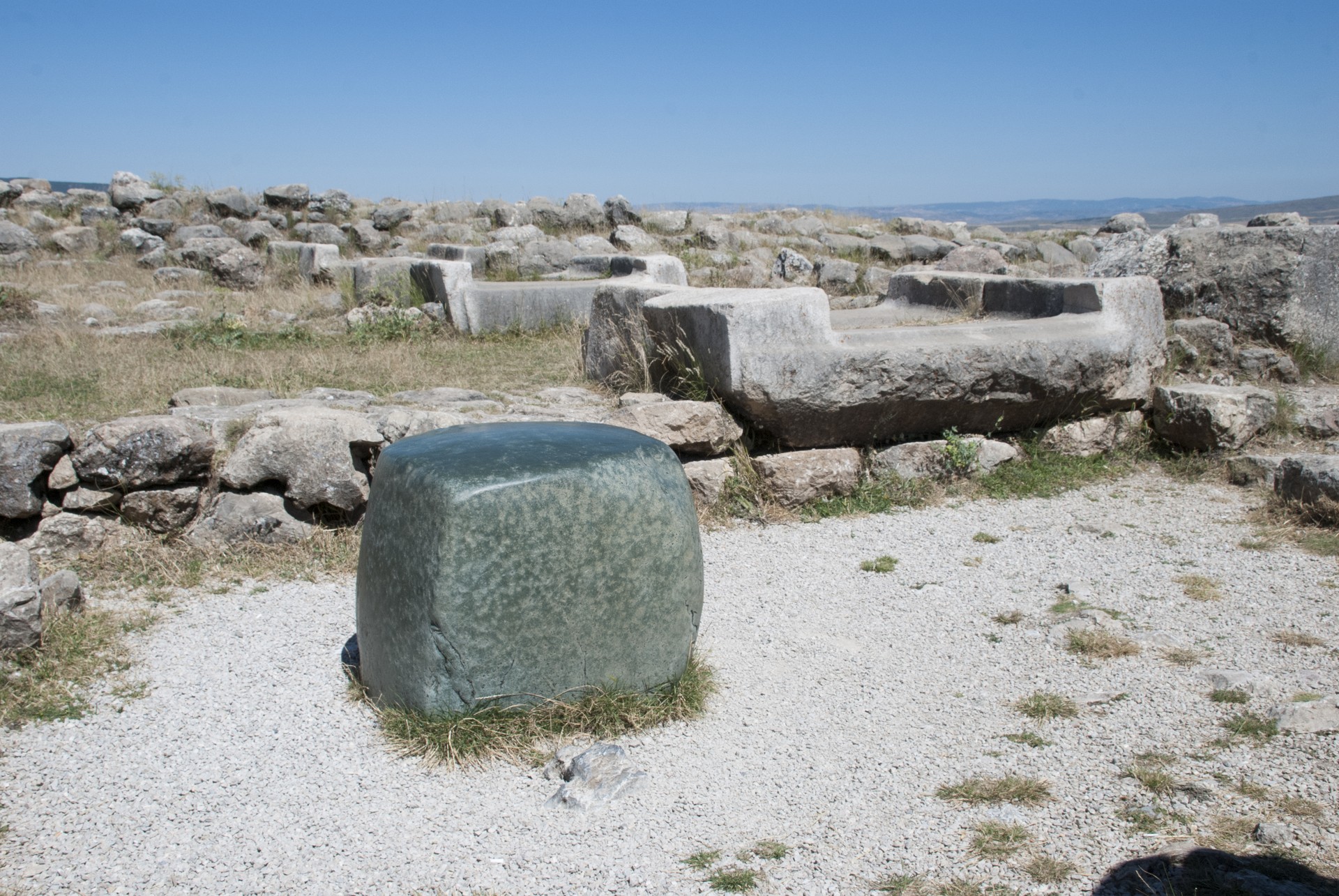
Because the ancient stone walls were originally built without mortar, Schachner said they would gradually break apart if left untreated. Archaeologists therefore sort stones recovered during excavations and use them to rebuild walls on top of the surviving foundations, while filling the sides with soil to create a clearly visible layout.
The wider ancient settlement covers about 2 square kilometers and is enclosed by roughly 7 kilometers of fortification walls. Excavations have uncovered remains from the Chalcolithic, or Copper Age, as well as pre-Hittite, Hittite, Iron Age, Galatian, Roman and Byzantine periods.
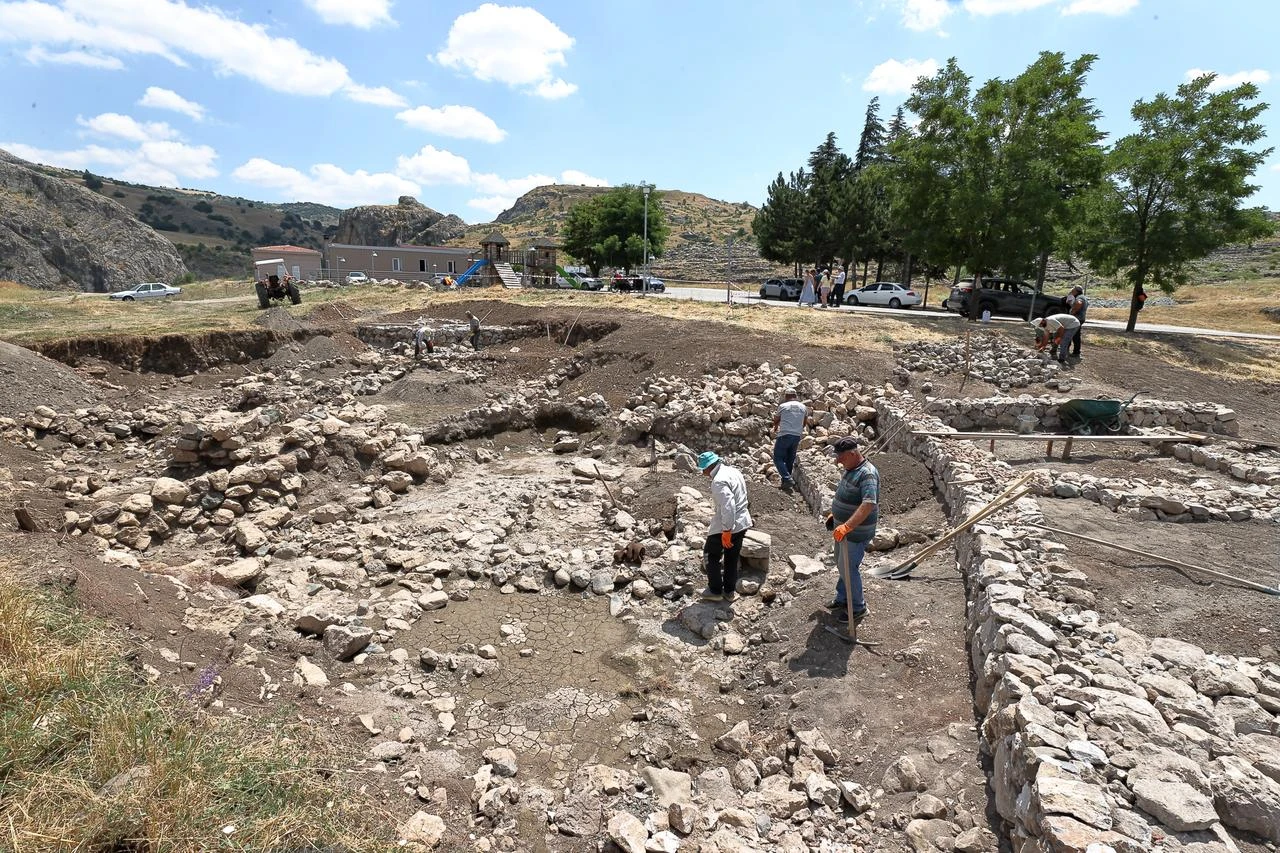
The Lower City includes buildings linked to the Hittite king's close circle as well as structures that served administrative and economic functions.
Researchers have also identified evidence of earthquake damage in the area. Schachner said that "this part of the city came to an end with an earthquake."
A previously excavated city gate, the large square in front of it and roads leading into the settlement have also provided information about Hattusa's urban organization.
According to Schachner, the remains offer a clear picture of the city's landscape and development up to the 14th century B.C.
Restoration work also covers reconstructed Hittite fortifications built from mudbrick by Türkiye's Culture and Tourism Ministry in 2005 using original construction techniques. These walls are repaired every few years as part of the site's continuing conservation program.


 Set as preferred source
 Set as preferred source


 1 min read
 1 min read


