Newsletters


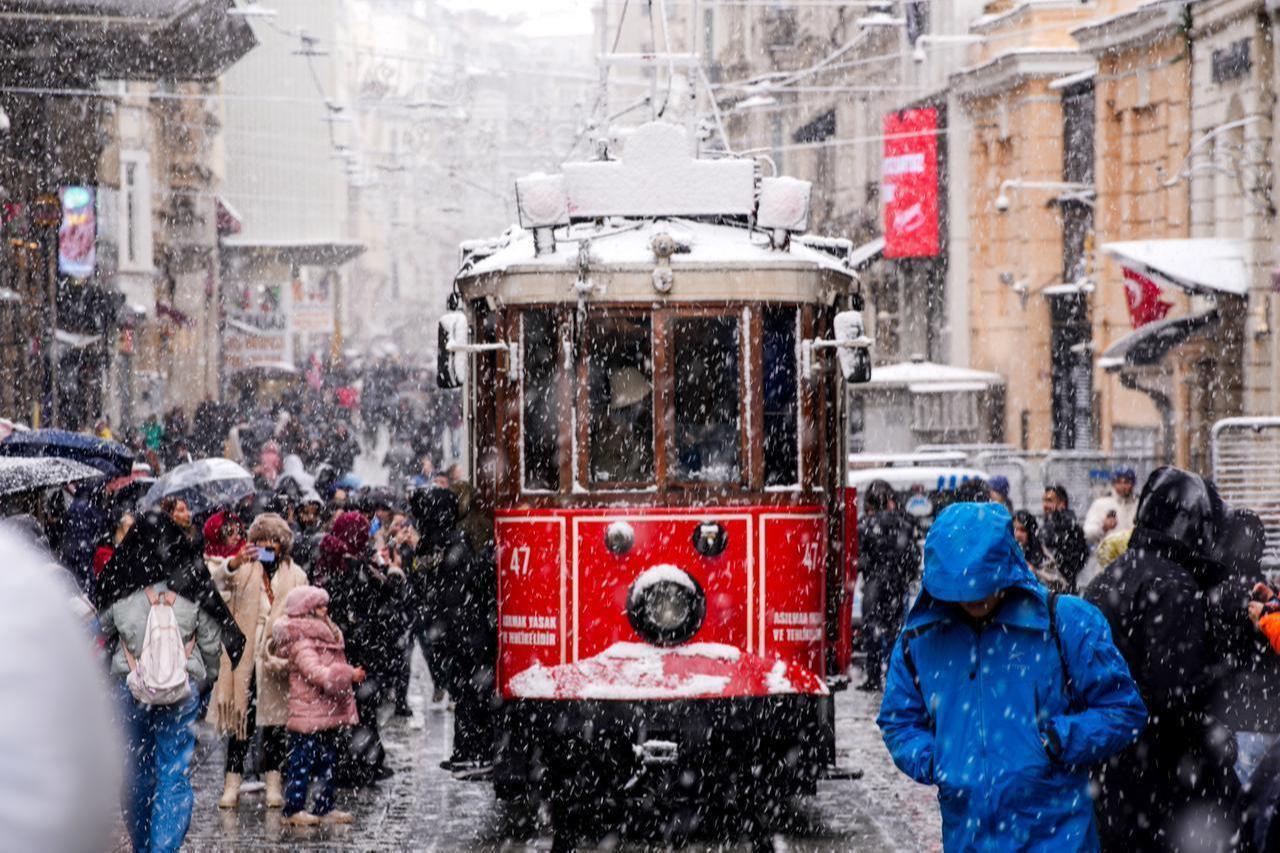
Walk down a busy street in Türkiye and the first thing that reaches you is not just the movement but the sound of life unfolding around you.
Voices travel across shopfronts as vendors call out to familiar faces, neighbours exchange quick remarks from opposite balconies, and passersby throw a casual “kolay gelsin” (may it be easy) or “gule gule” (go with a smile) without breaking stride.
To an outsider, this constant exchange may seem like simple loudness or even disorder, but it is in fact a continuous weaving of personal and communal ties that holds everyday life together.
People turn toward one another almost instinctively, extending good wishes, acknowledging presence, and reaffirming connection through phrases so habitual they feel automatic.
These expressions are not decorative flourishes of speech but living threads of a shared social fabric, offering insight into how Turkish everyday language reflects not only how people communicate, but how they relate, care, and persist together.

Turkish everyday language carries an unusually dense vocabulary for emotional connection, and this richness shapes how people relate to one another in ordinary life.
Words like “ask” (romantic love), “sevgi” (affection), “sevda” (deep romantic longing), “gonul” (the heart as the seat of feeling), “yurek” (the emotional core), and expressions such as “canim cigerim” (my soul and my liver, meaning my dearest) offer different shades of closeness rather than a single category of love.
Turkish also distinguishes clearly between romantic love and other forms of attachment, separating “ask” from the broader warmth of “sevgi,” which can describe family bonds, friendship, or care without romantic meaning. This linguistic distinction reflects a cultural habit of naming emotional relationships precisely rather than leaving them implied.
Even more striking is the everyday use of “canim” (my life/my soul) as a casual form of address. Friends greet each other with “canim,” and family members use it instinctively. The literal meaning carries weight, yet daily speech turns it into a soft marker of familiarity, appreciation and goodwill rather than a dramatic declaration.
It lowers social distance and signals ease in interaction, even in small encounters where closeness has not been earned through long friendship.
This warmth also shows up in the way people use family terms with strangers in everyday life. It is not uncommon for a shopkeeper to call you “abi” (older brother), “abla” (older sister), or “kardesim” (my sibling), especially when they are younger or close in age, creating a temporary space of kinship that signals comfort, trust, and harmless intent. Terms like “amca” (uncle) and “teyze” (aunt) work similarly, extending respect and familiarity through language even when there is no actual family tie.
This emotional vocabulary is reinforced by reflexive good wishes that pass constantly between people. A departing friend hears “gule gule” (go with a smile), while someone beginning a task or simply moving through the day is met with “kolay gelsin” (may it be easy).
These phrases are spoken so frequently that they nearly dissolve into the texture of daily life, as a passerby nods to the person sweeping the street and offers the wish without pausing.
Rather than reserving warmth for special occasions, Turkish speech distributes it across ordinary encounters, shaping a social atmosphere where emotional expression feels natural rather than exceptional, because it is quietly expected.
This culture of constant verbal exchange extends beyond politeness and into how emotions themselves are named, shared, and normalized in everyday speech.
Turkish everyday speech is rich in words, concepts, and social cues carried casually within ordinary conversation, as well as in common sayings known as “atasozleri”, literally meaning "ancestor sayings".
Many common sayings offer guidance on how to move through uncertainty, manage expectations, and accept that life rarely unfolds exactly as planned. They ultimately reflect a cultural instinct to meet life as it is rather than as one hopes it to be.
Together, these sayings sketch a worldview that does not promise control over fate but encourages patience, preparedness, and emotional steadiness in the face of uncertainty. Turkish people use these phrases with friends, family members, and even casual acquaintances, offering not only advice but reassurance drawn from shared cultural memory.
There is comfort in knowing that common struggles have already been named and carried across generations through familiar words. This shared linguistic inheritance strengthens solidarity, nurtures a sense of belonging, and makes empathy feel natural rather than effortful, allowing interpersonal advice and emotional support to flow with ease in everyday life.

Beyond patience and realism, Turkish sayings also carry firm expectations about moral conduct and social responsibility.
They warn against dishonesty, expose hidden guilt and acknowledge uncomfortable truths about power and money. Rather than idealising human nature, these expressions assume that weakness, deception, and self-interest exist, and they offer language to name them openly.
In a way, these sayings express a social awareness that values truth while recognising its cost. They also give people language to name dishonesty, guilt, and power without pretending these forces do not exist, shaping a culture that prefers clear sight over comfortable illusion.
By circulating these phrases in everyday conversation, Turkish society normalises moral alertness, encourages people to read situations carefully, and equips them to navigate relationships where sincerity and self-interest often coexist.
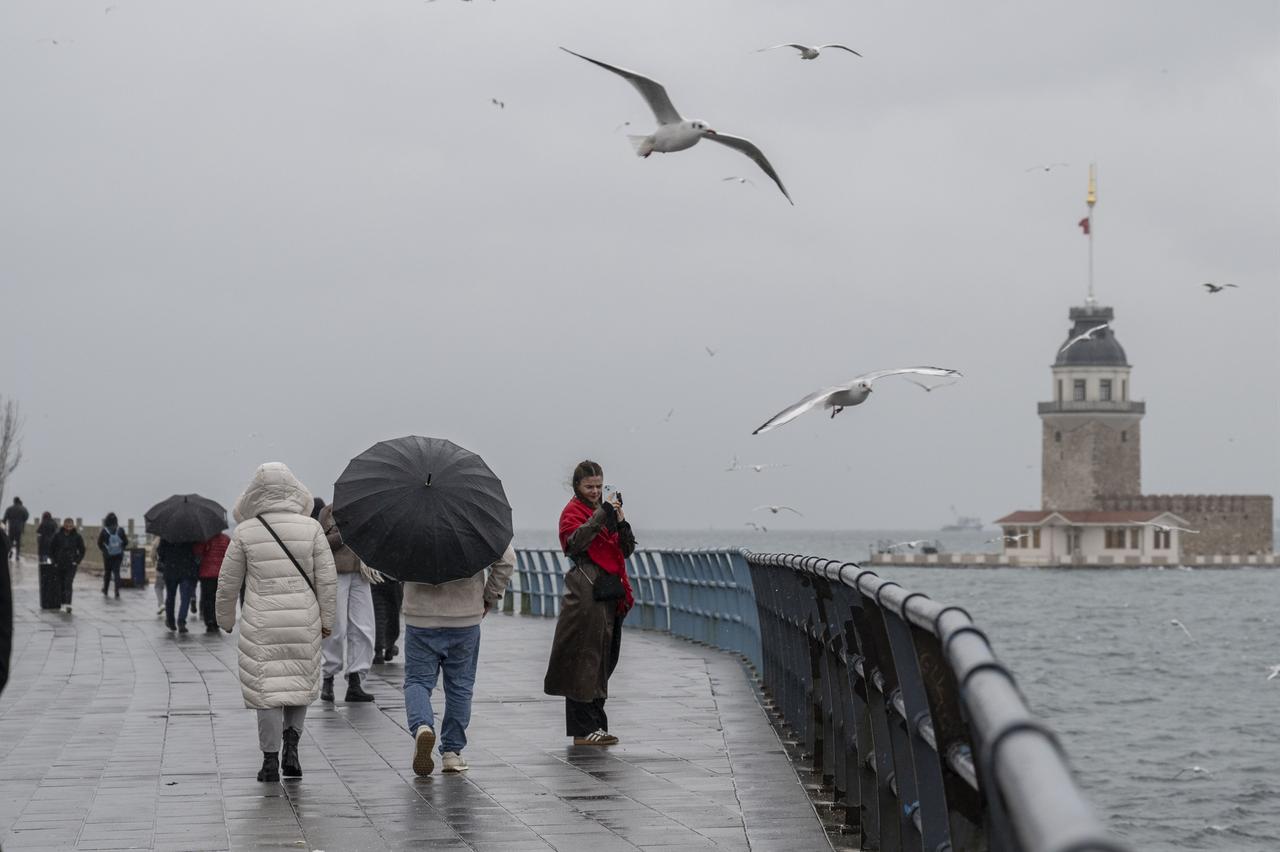
Something many outsiders find intrusive or even slightly overwhelming is the curiosity embedded in Turkish social life. Questions about a new acquaintance’s family, love life, or work are common in early conversations.
While these may feel overly personal to foreign ears, they reflect a culture where social connection is built quickly and community ties are expected rather than optional.
Turkish everyday speech does not imagine the individual as fully self-sufficient and encourages cooperation and collective living.
Many common sayings emphasise companionship, cooperation, and the limits of solitary effort, reflecting a social outlook where survival and success depend on shared labour, shared care, and shared responsibility rather than personal autonomy alone.
Such sayings set expectations about how a person should exist within society. They suggest that isolation is neither natural nor admirable, and that competence does not cancel the need for connection.
Relying on others is not framed as weakness but as common sense, normalising mutual dependence in everyday life. This stands in contrast to cultures where individuality and self-reliance are more strongly emphasised as social ideals.
A related saying captures this outlook directly: “Komsu komsunun kulune muhtactir” (a neighbour needs even the ash of another neighbour), expressing the belief that no household stands entirely alone.
It can be argued that such sayings help sustain a culture where a person can knock on a neighbour’s door to ask for sugar, eggs, or another missing ingredient, trusting that this request will be met without embarrassment.
By repeating these phrases in ordinary conversation, Turkish society quietly discourages withdrawal, encourages participation in shared life, and treats belonging not as a personal choice but as a basic condition of being human.
However, tightly woven community life also carries constraints. Expressions like “Elalem ne der” (what will others say) reveal the pressure of public opinion, where reputation and social approval shape behaviour. This creates an environment of informal social surveillance, encouraging conformity to shared norms even when individual preferences might diverge.
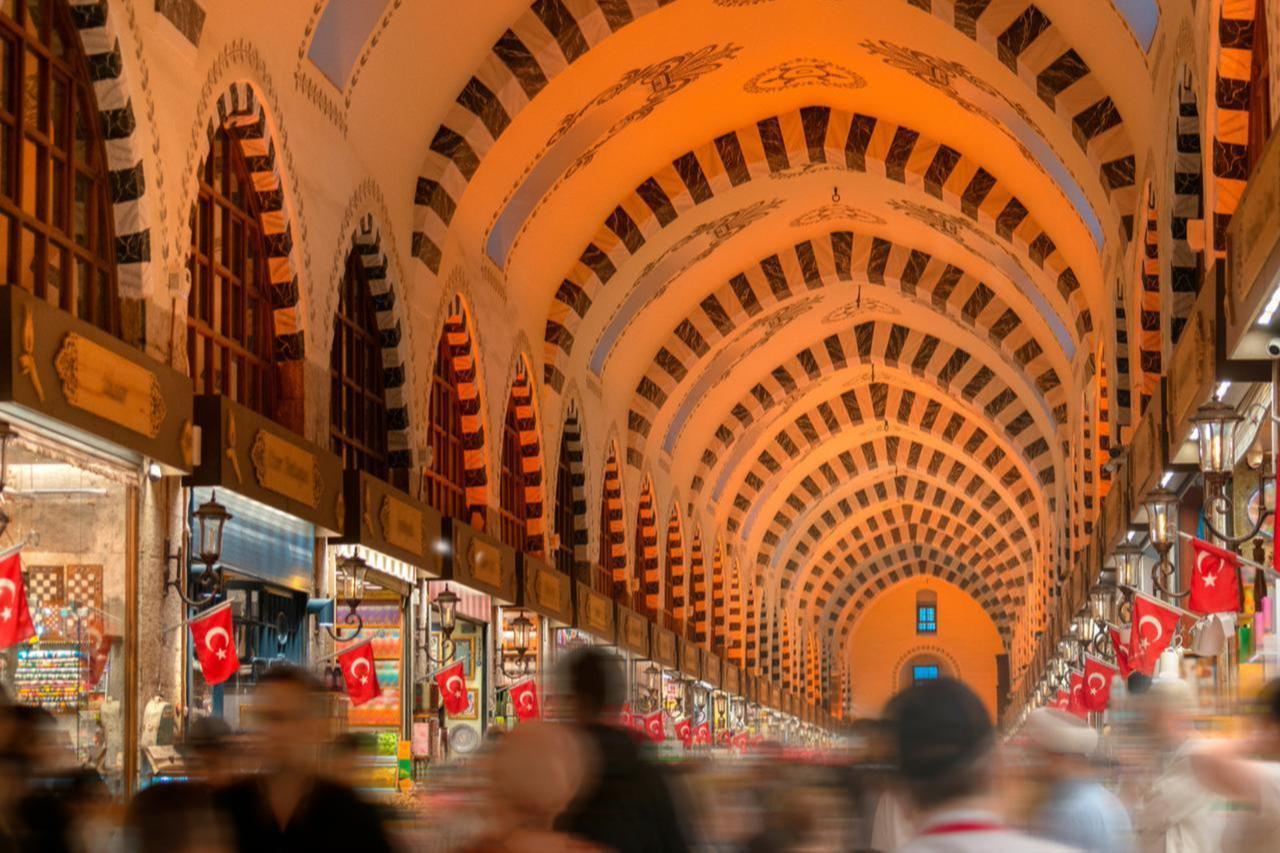
The same busy street where voices once blended into indistinct noise now tells a different story.
The calls across shopfronts, the passing wishes, the teasing remarks, and the curious questions no longer register as simple sound but as a system of quiet coordination, reassurance, and shared understanding. Each phrase carries expectations about how to feel, how to endure, how to behave, and how to belong.
Turkish everyday language does not simply reflect social life; it actively maintains it, turning ordinary conversation into a network of emotional closeness, practical wisdom, moral awareness, and communal participation. In this sense, everyday speech becomes a living archive, carrying shared experiences, values, and ways of understanding the world across generations.
For those willing to listen beyond the surface volume, these small phrases reveal not just how people speak, but how a society holds itself together, one exchanged a word at a time.


 Set as preferred source
 Set as preferred source



 7 min read