Newsletters


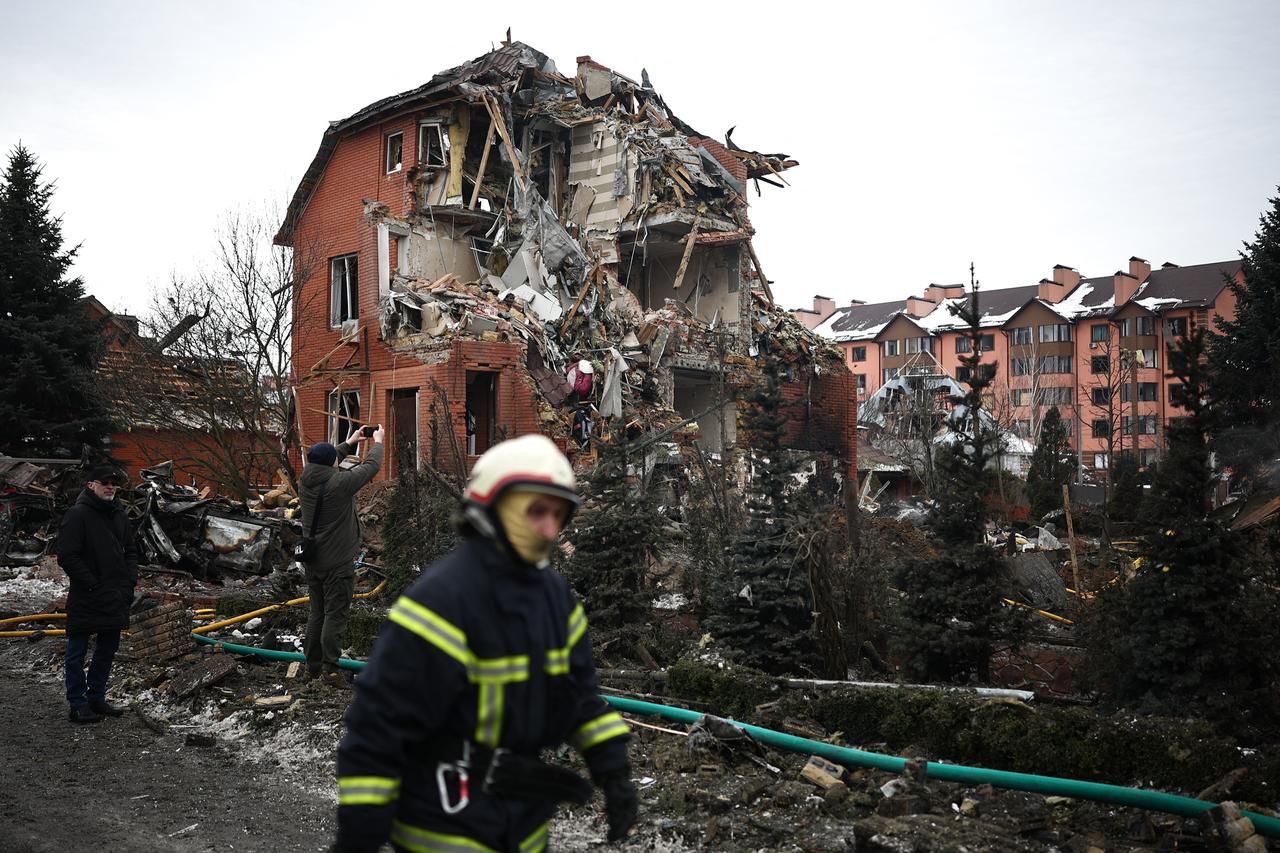


As Russia’s war against Ukraine drags on, a critical strategic question remains largely understated: how sustainable would Moscow’s military campaign be without external economic backing? Despite unprecedented Western sanctions, Russia has managed to stabilize its wartime economy and sustain defense production. A decisive factor in this resilience has been its deepening economic pivot toward China.
Since 2022, China has become Russia’s largest trading partner, absorbing discounted energy exports while supplying dual-use goods, microelectronics, industrial equipment, and financial channels that soften the impact of sanctions. Although Beijing officially presents itself as neutral, the structural effect of this partnership is clear; it cushions Russia’s economy and enables the continuation of the war effort. Redirected energy revenues, expanded yuan settlements, and alternative logistics corridors have provided Moscow with breathing space that would otherwise be far more limited.
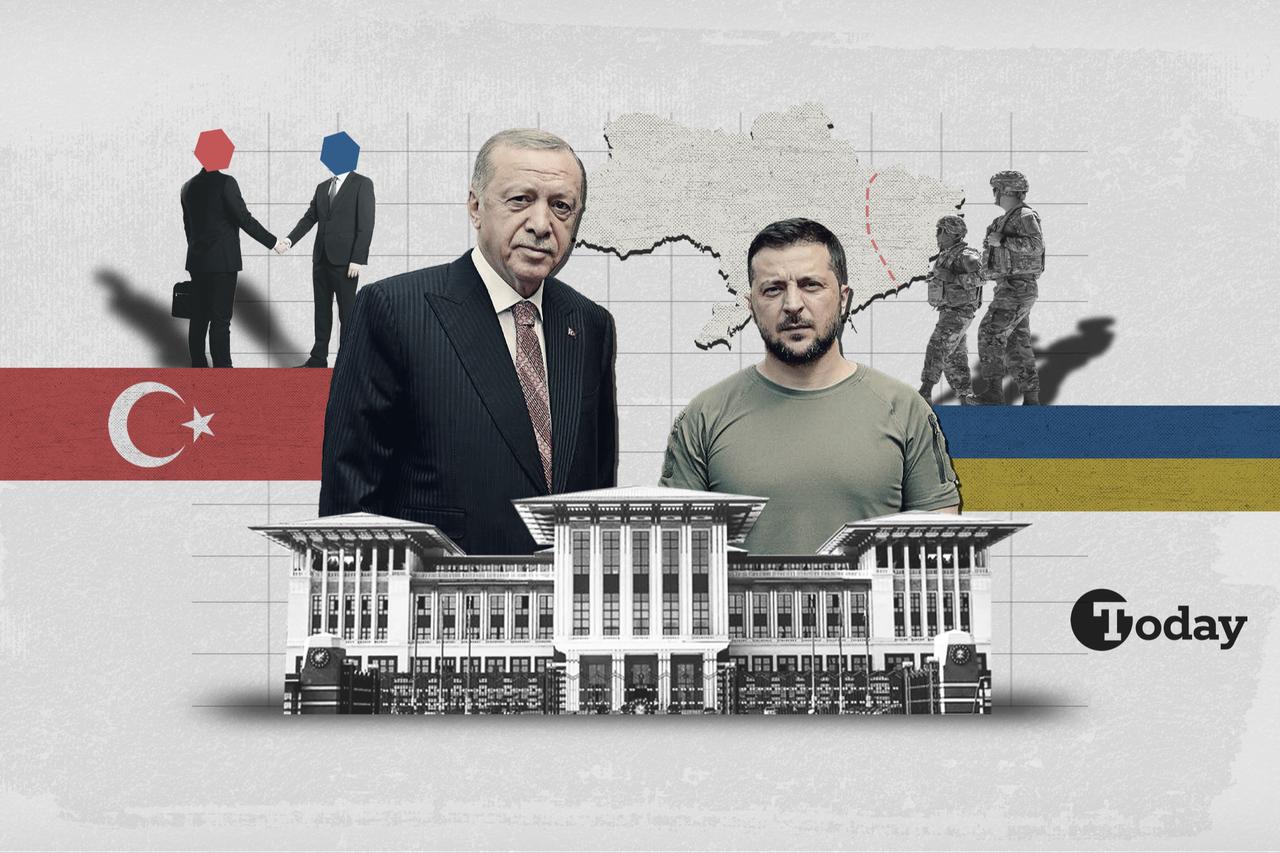
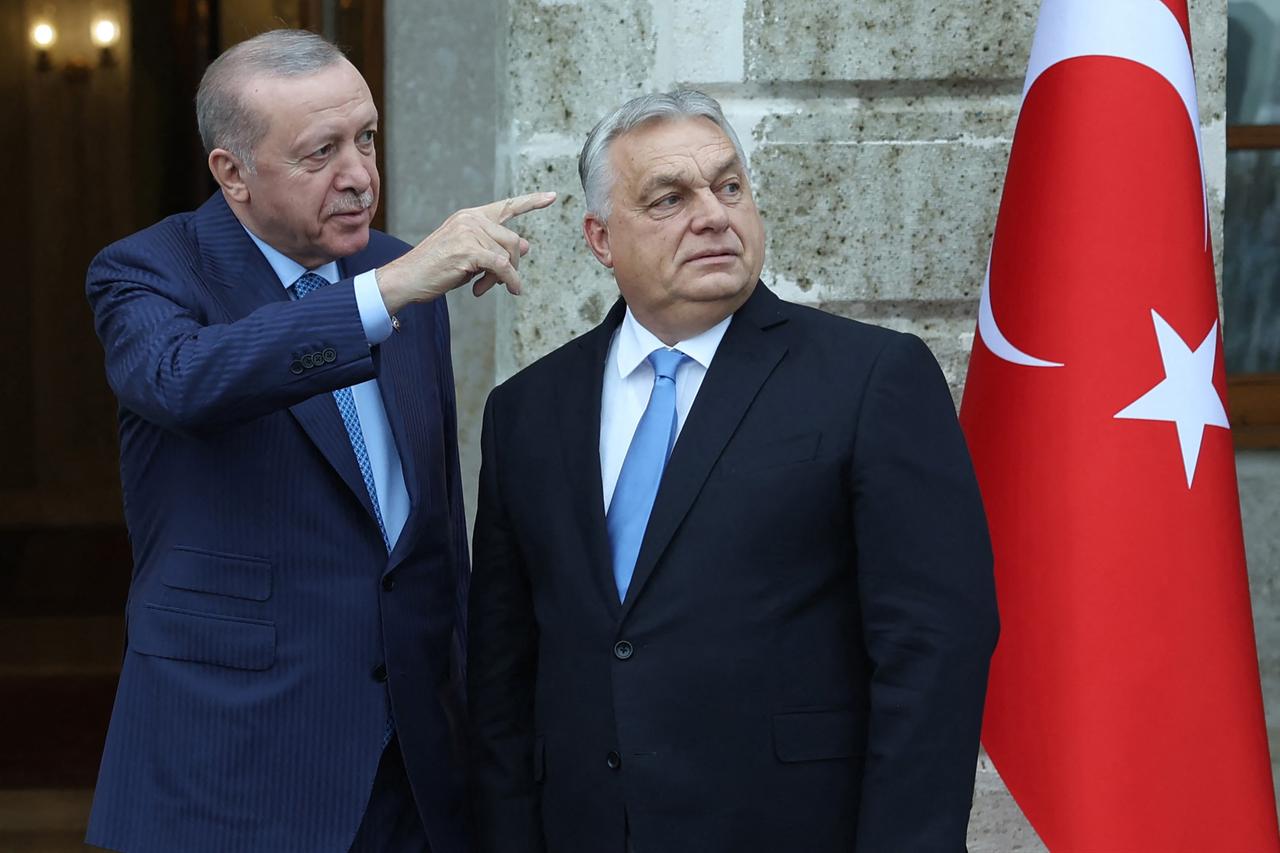
At the same time, the Black Sea region illustrates a contrasting approach. Türkiye, as a key regional actor and NATO member, has positioned itself as a diplomatic balancer. By facilitating grain export agreements and maintaining dialogue channels between Kyiv and Moscow, Ankara has sought to reduce escalation and preserve regional stability rather than prolong confrontation.
The war in Ukraine is not only fought on the battlefield but also shaped by external alignments. Some actors provide economic depth that sustains endurance; others invest diplomatic capital to contain instability. In that contrast lies a strategic distinction that may ultimately define how this conflict—and the broader international order—evolves.
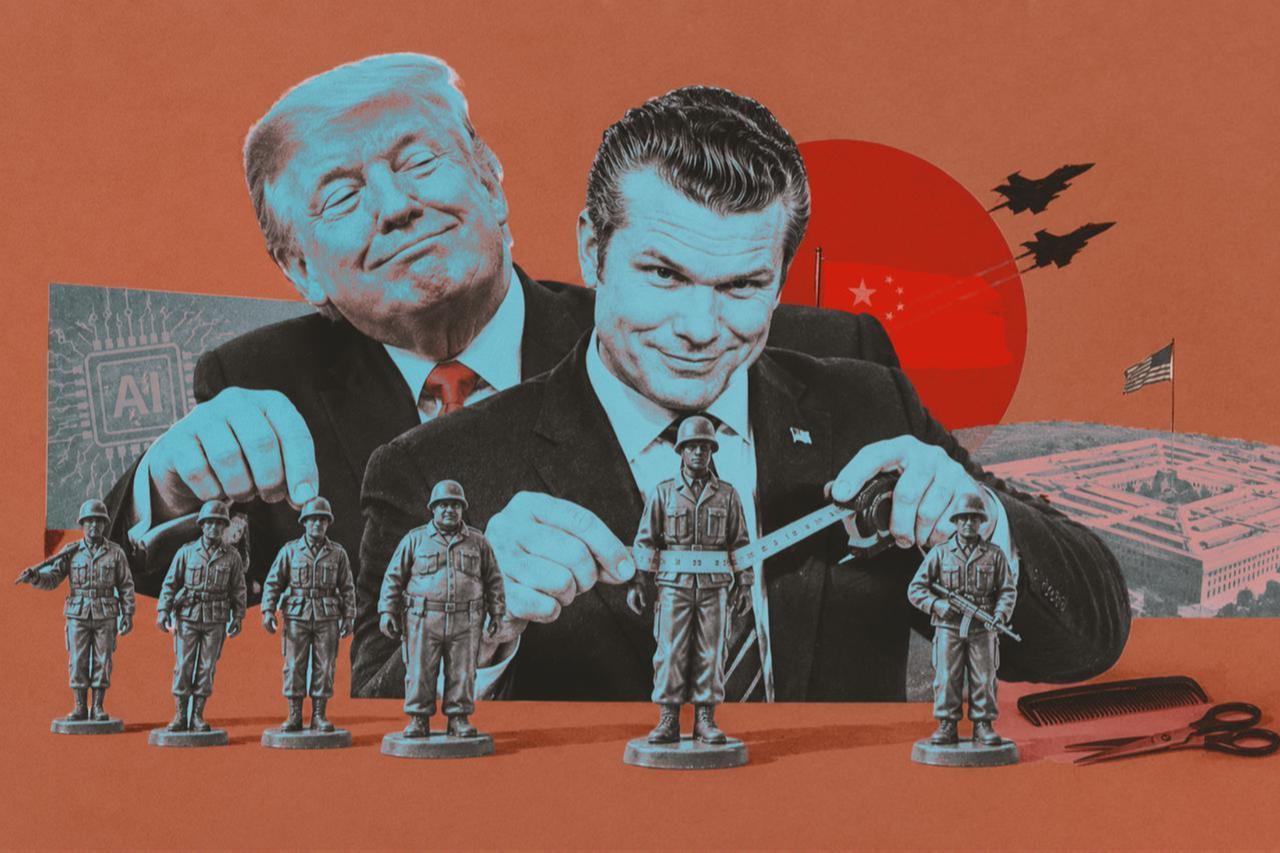
An analysis of U.S.–China relations in the context of Russia’s war against Ukraine demonstrates that strategic competition between Washington and Beijing remains one of the central axes of contemporary global geopolitics. Following Donald Trump’s return to the White House and against the backdrop of ongoing Russian aggression, further intensification of this rivalry appears highly probable.
The United States is expected to pursue a more assertive course of economic and technological containment toward China, potentially introducing new tariff barriers, expanding sanctions mechanisms, and tightening restrictions on Chinese companies’ access to advanced global technology markets. In parallel, the military-political dimension of U.S. strategy is likely to involve increased activity in the Indo-Pacific region, deeper defense coordination with key partners such as Japan, South Korea, Australia, and New Zealand, and possible expansion of cooperation within broader multilateral frameworks, including formats connected to the Ramstein coalition.
China’s international behavior—including its economic engagement with Russia, the development of BRICS+, and its calibrated balancing in relations with Washington—adds further unpredictability to the global strategic environment. These dynamics contribute to growing systemic tension and increase the likelihood of new geopolitical flashpoints.
Taken together, these trends suggest a continued escalation of U.S.–China rivalry, deepening fragmentation of the international system, and rising risks of broader instability. For Ukraine and its partners, this evolving landscape necessitates continuous monitoring of the global balance of power and the development of flexible strategic responses.
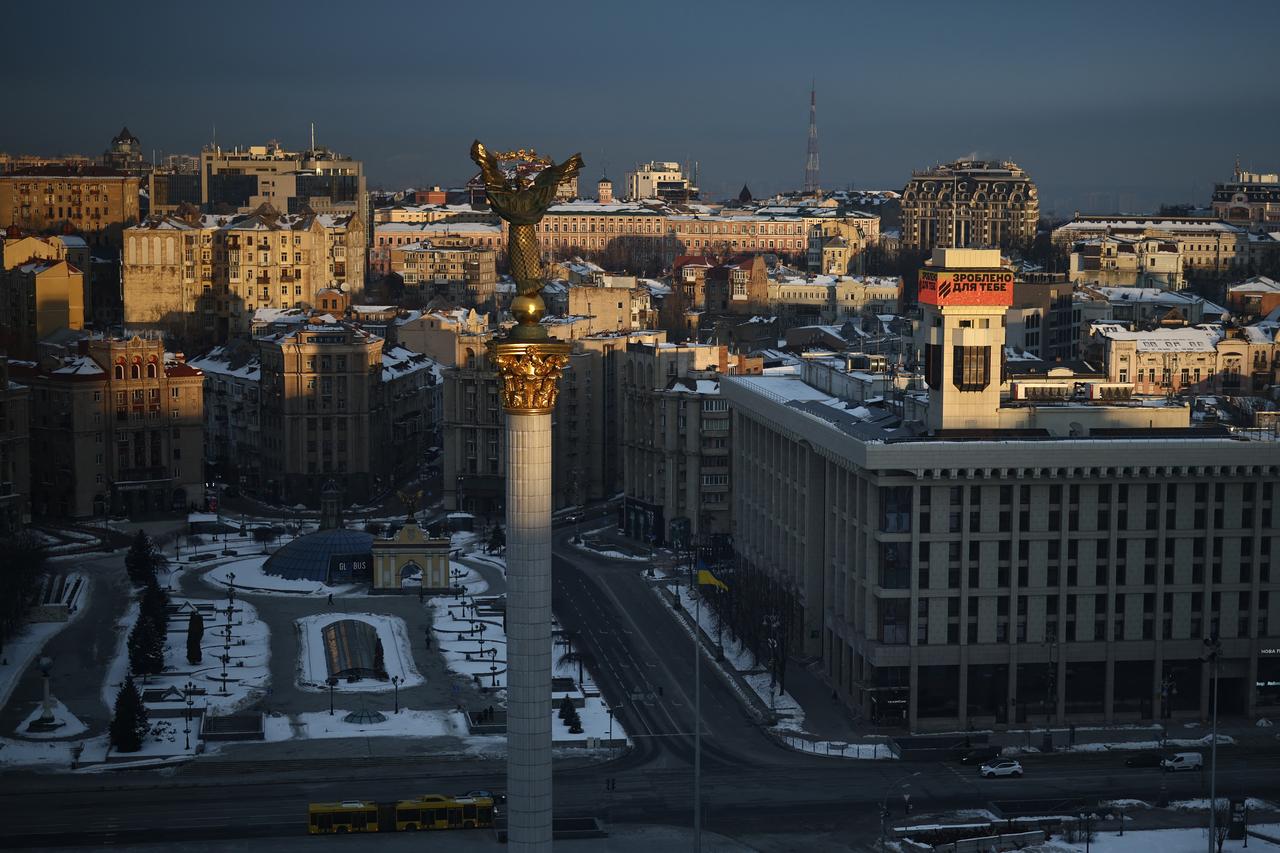

Recent investigative reporting by Bloomberg provides further evidence of how Chinese technology continues to reach Russia despite Western sanctions, reinforcing Moscow’s capacity to sustain its war against Ukraine.
According to Bloomberg's report, Thailand has emerged as a significant transshipment hub for Chinese-made drones that ultimately end up in Russia. Official Thai trade data show that in the first eleven months of 2025, Russia imported $125 million worth of drones from Thailand—accounting for 88% of Thailand’s total UAV exports and representing an eightfold increase compared to the previous year. During the same period, China exported $186 million worth of drones to Thailand, supplying nearly all of Thailand’s drone imports.
This synchronized growth strongly suggests a re-export pattern. While formally legal under Thai law, the practical outcome is clear: Chinese-manufactured unmanned aerial vehicles are entering the Russian market through intermediary jurisdictions.
One of the companies identified in the report, Skyhub Technologies Ltd., imported $25 million worth of drones from Autel Robotics, one of China’s major drone manufacturers. Trade documentation shows shipments included hundreds of EVO Max 4T drones, a model originally marketed for civilian use but reportedly adapted for battlefield conditions in Ukraine. Another Bangkok-based company, China Thai Corp., imported $144 million in drones from China in 2025 and was later sanctioned by the United Kingdom for supplying technology to Russia’s military sector.
U.S. officials cited in the report state that China accounts for roughly 80% of the dual-use components that Russia relies upon in the war. Although Beijing officially denies providing military assistance to Moscow, Chinese-made technologies are routinely documented on the Ukrainian battlefield.
The use of Southeast Asian transshipment routes demonstrates the structural challenge of enforcing sanctions in a globalized trade system. After earlier routes through the UAE and Kazakhstan were restricted, supply chains appear to have adapted, shifting toward new intermediaries such as Thailand.
The strategic implication is significant: Russia’s ability to scale and sustain its drone warfare capabilities depends heavily on continued access to Chinese-produced dual-use technologies—even when those flows are routed through third countries.
Taken together, these developments point to a broader structural transformation of the international system. The Russia–Ukraine war is no longer merely a regional military conflict; it has become a stress test for global alignments. China’s economic backing, whether direct or indirect, whether framed as commercial cooperation or strategic balancing, plays a decisive role in sustaining Russia’s capacity to continue the war. Without that external economic depth, Moscow’s ability to wage a prolonged war of attrition would be significantly constrained.
At the same time, intensifying U.S.–China rivalry increasingly frames the conflict within a larger geopolitical confrontation. As Washington strengthens economic and technological containment policies and consolidates security partnerships across both the Euro-Atlantic and Indo-Pacific spaces, Beijing deepens its strategic positioning alongside actors challenging Western dominance. This dynamic gradually transforms the war in Ukraine into one of the central theaters of systemic competition between democratic and authoritarian models of governance.
In such conditions, the global order is likely to become more polarized. States will face growing pressure to define their strategic orientation. Democratic countries that support Ukraine and uphold sanction regimes will naturally gravitate toward the U.S.-led camp, while authoritarian regimes seeking to rebalance Western influence may align more closely with China.
The emerging world may not formally divide into rigid blocs overnight, but the trajectory is clear: the sharper the U.S.–China confrontation becomes, the more the international system will fragment—and the less space will remain for strategic ambiguity.
DISCLAIMER: The views and opinions expressed in this article are those of the author and may not necessarily reflect the editorial policy of Türkiye Today.


 Set as preferred source
 Set as preferred source


 2 min read
 1 min read