Newsletters


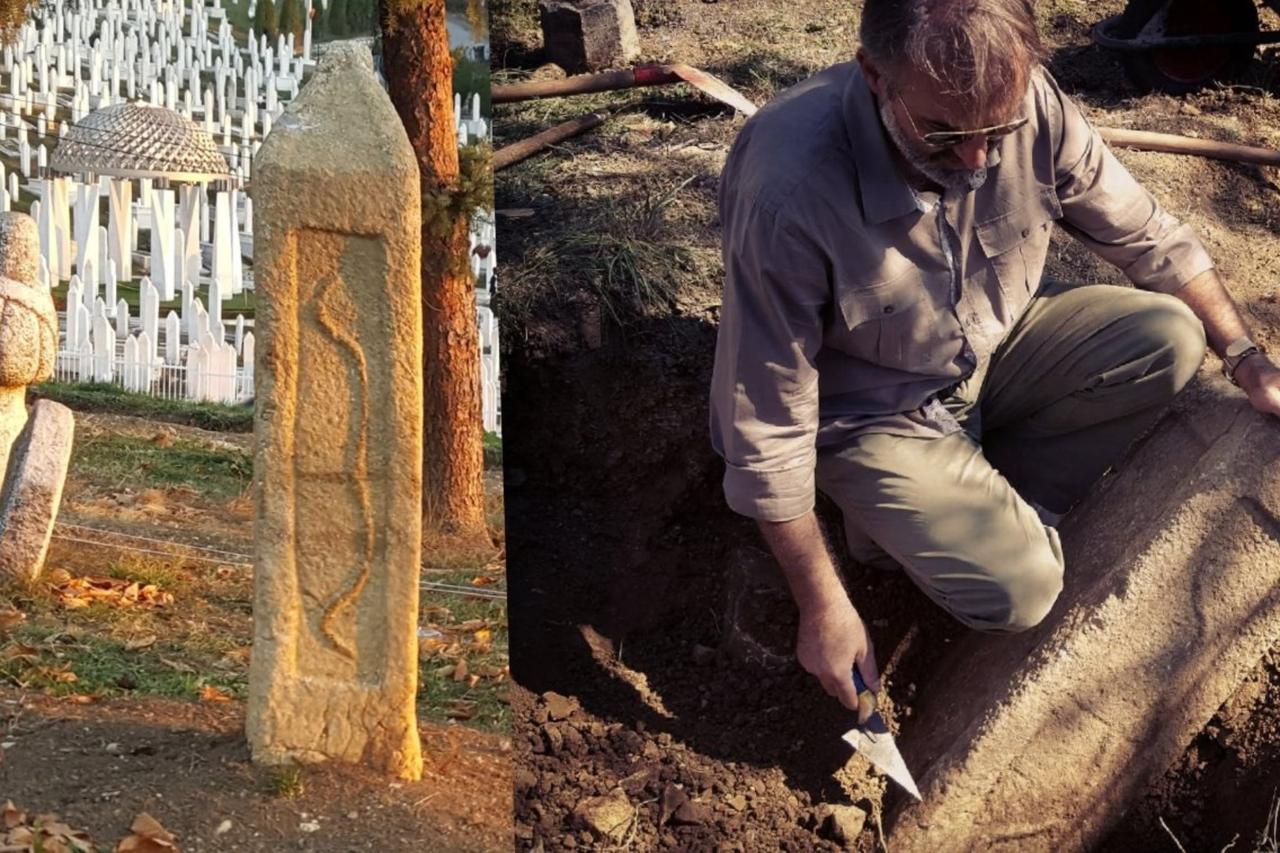


Bosnian archaeologist Adnan Muftarevic has spent more than two decades searching beneath cities and landscapes for traces of an Ottoman past that has largely disappeared above ground, helping uncover more than 20 architectural sites while pushing "Ottoman archaeology" into a field he says was once largely overlooked.
Working with colleagues through the 1894 Archaeologists Association and under the Sarajevo Museum, Muftarevic has spent 23 years investigating Ottoman remains in Bosnia and other parts of Europe, drawing on historical documents, travel accounts, engravings and photographs to locate structures that were demolished or buried.
Muftarevic, who studied archaeology in Türkiye, told Türkiye Daily in Sarajevo that when he and fellow archaeologist Mirsad Avdic began their work, the term "Ottoman archaeology" was barely known.
"Archaeological excavations were carried out only for the Middle Ages and antiquity, while Ottoman remains were not regarded as a period that should be investigated archaeologically," he said.
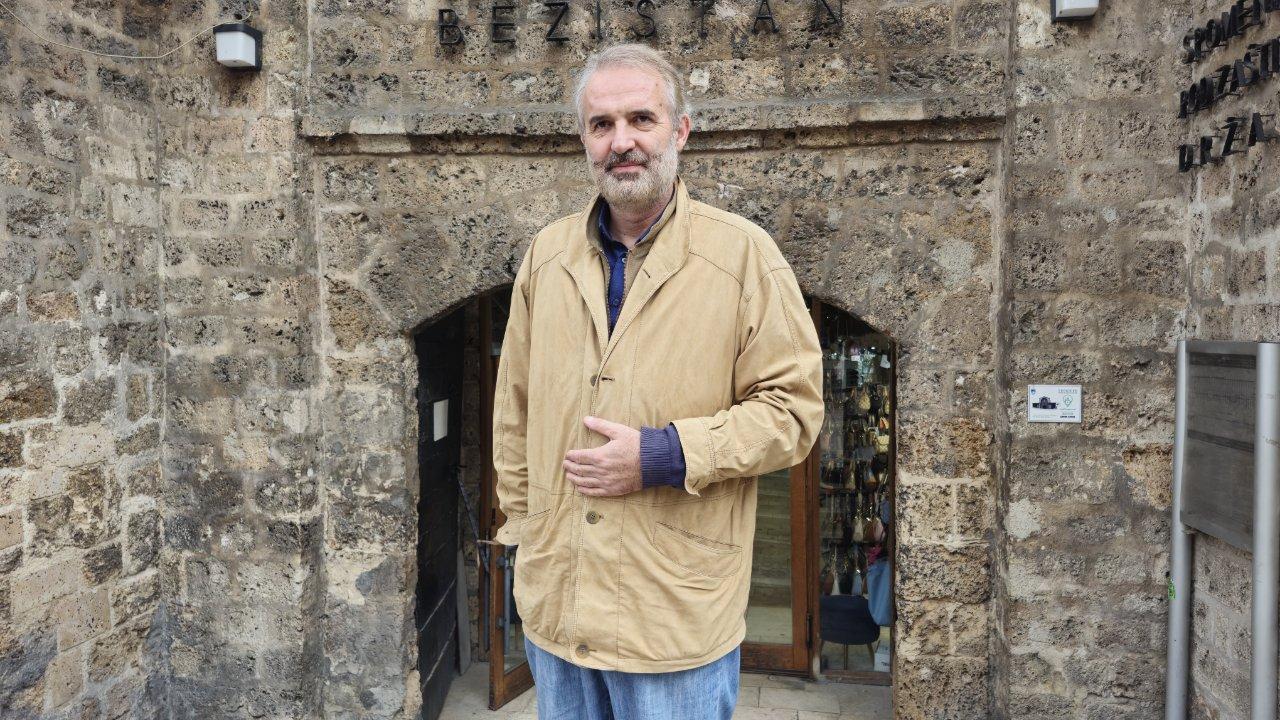

The Ottoman Empire ruled large parts of the Balkans, a region it referred to as Rumelia, for roughly 550 years, leaving behind mosques, madrasas, inns, bathhouses, bridges and other structures.
Muftarevic said thousands of these buildings were later destroyed across the region, while some disappeared beneath subsequent layers of urban development.
He pointed to Belgrade as one example, noting that the 17th-century Ottoman traveler Evliya Celebi recorded 270 mosques in the city during his lifetime, while Muftarevic said only the Bayrakli Mosque remains standing today.
He also cited the destruction of Ottoman structures in Albania under Enver Hoxha and in Serbia, where he said almost all Ottoman monuments were wiped out. According to Muftarevic, Serbia's parliament building was erected on the site of the former Battal Mosque.
He said Croatia went through a similar process, while Sarajevo retained comparatively more of its Ottoman heritage despite losing numerous mosques and other structures during the Austro-Hungarian, Kingdom of Serbs, Croats and Slovenes, and communist periods.
Muftarevic described this destruction as "urbicide," a term generally used for the deliberate destruction of urban environments.
"There is genocide, meaning systematic ethnic cleansing, and there is also 'urbicide'—the destruction of history, the destruction of a city," he said. "This is what was done to Ottoman monuments in the Balkans and Bosnia."
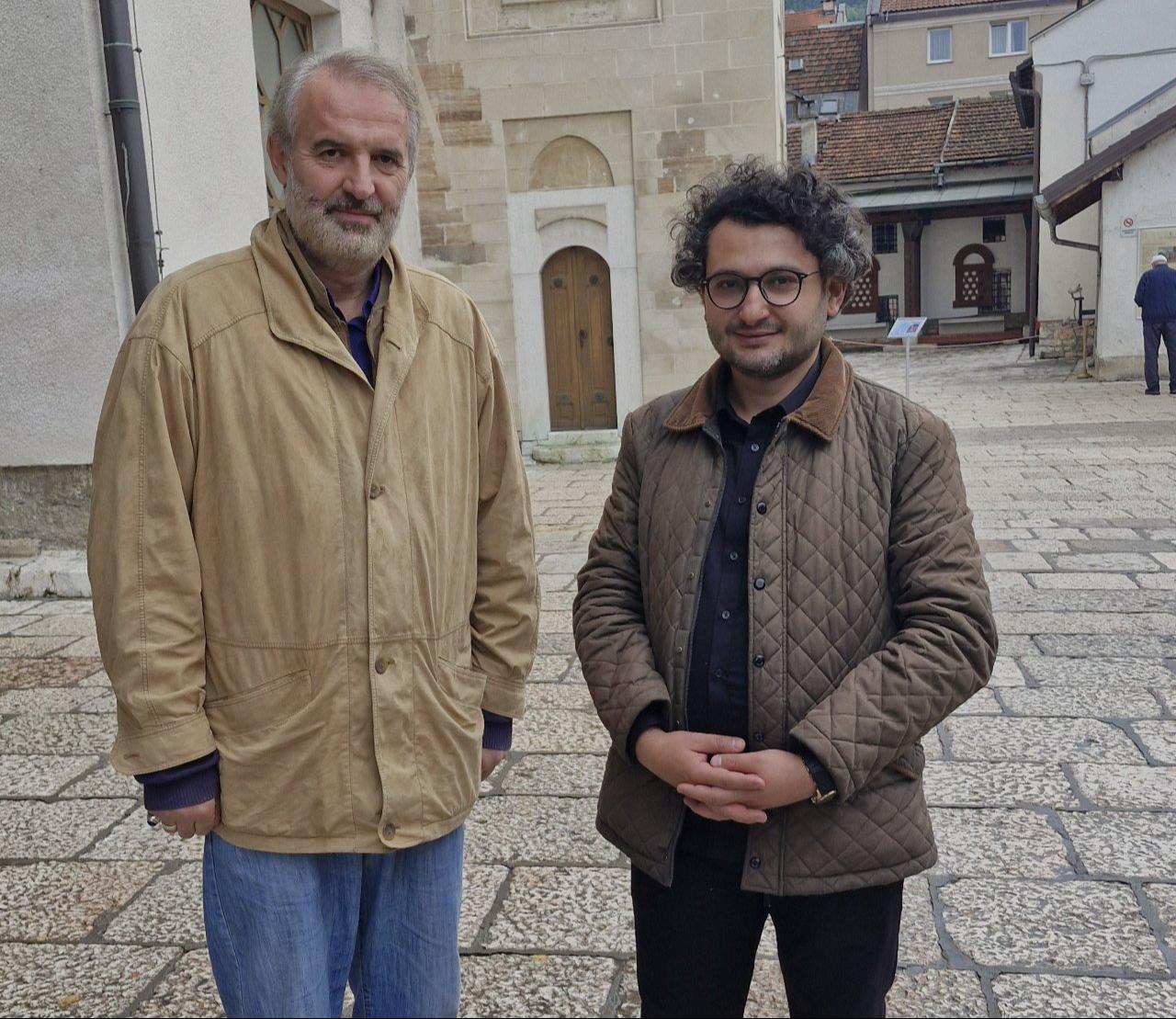
Despite the losses, Muftarevic and his colleagues have used archival evidence and archaeological excavation to identify and uncover a series of forgotten structures.
Among their most significant discoveries were remains beneath At Mejdan, a park in Sarajevo where a road had been planned.
Muftarevic said a prominent Mesnevi scholar named Haci Hafiz Muglic Efendi had told the archaeologists that a mosque once stood there. Excavations subsequently uncovered the Bakir Baba Mosque, the Ismail Misri Madrasa, its burial ground and the Kantamirija Library.
In Sarajevo's historic Bascarsija district, the team also discovered the remains of the Firuz Bey Hammam, dating to the 16th century.
Other finds include the Uzun Mustafa Tavil Mosque, Kalin Haci Ali Mosque and Ebu'l-Feth Mehmed Han Mosque.
Excavations at the Ottoman-era Kovaci Cemetery uncovered 170 graves, Muftarevic said, including one dating to the 15th century that he identified as belonging to a soldier from the period of Ottoman Sultan Mehmed II.
Muftarevic believes many more Ottoman structures remain underground and says researchers already know the locations of some of them.
He named the Kemal Udin Bey and Idris Bey mosques in Sarajevo among sites that could potentially be brought back to light through archaeological work.
However, he argued that Ottoman archaeology still receives insufficient attention and expressed disappointment with the level of interest shown by Turkish authorities.
Asked what the Ottoman Empire contributed to the Balkans, Muftarevic described it as a civilization that brought together numerous cultures, noting that dozens of languages were spoken across the empire.
He rejected the characterization of Ottoman rule as imperialist, arguing that people from different backgrounds could rise to senior positions in the state and pointing to Bosnians who became seyhulislam, the Ottoman Empire's highest religious authority.
Muftarevic said traces of the Ottoman legacy remain visible in Bosnia today, including the green crescent-and-star symbol used by the country's Islamic community, which he linked to the historic flag of the Ottoman governor-generalship of Rumelia.
"The Ottoman Empire may have left here, but its spirit did not," Muftarevic said.
He concluded by arguing that Türkiye's historical and cultural reach extends well beyond its present borders, while also criticizing what he described as weak Turkish diplomacy in the Balkans despite the country's growing influence.


 Set as preferred source
 Set as preferred source


 1 min read
 1 min read