Newsletters


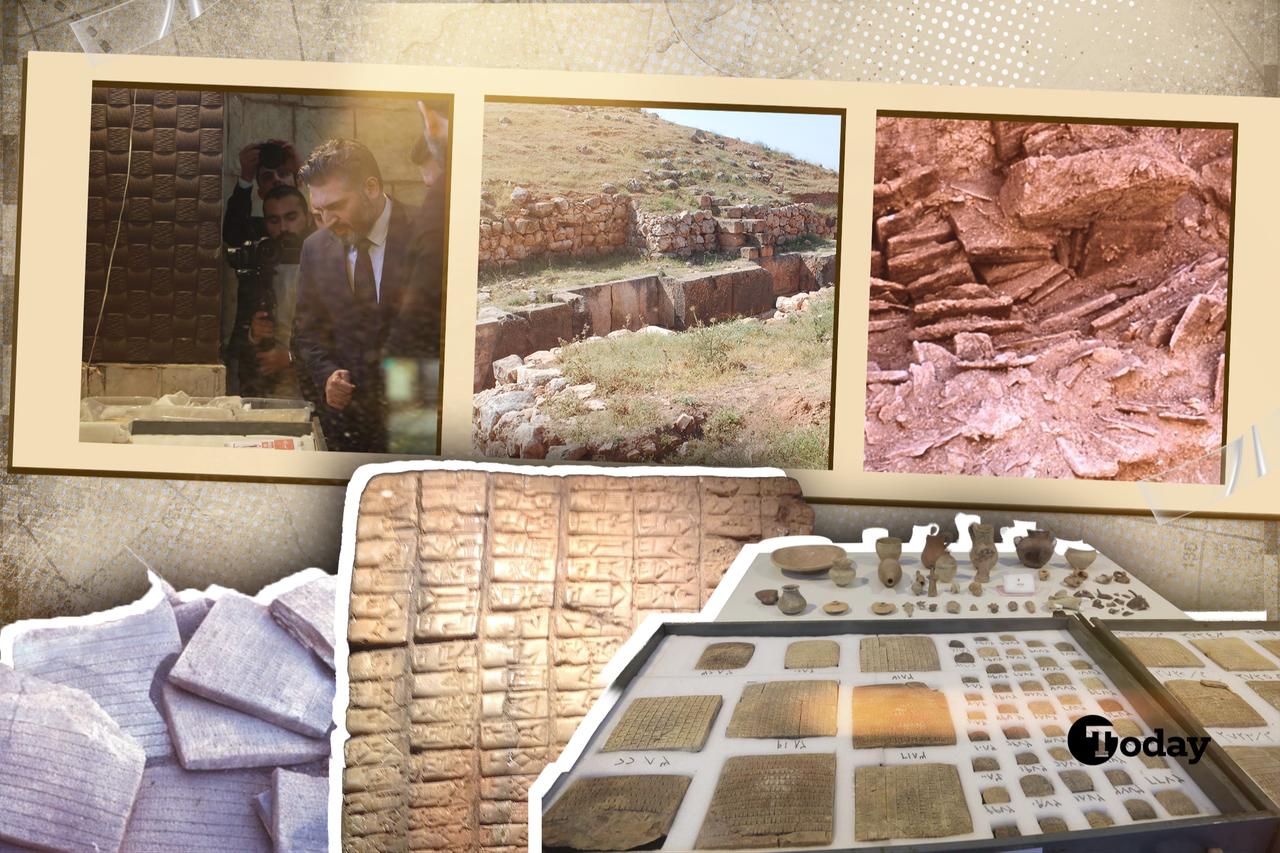


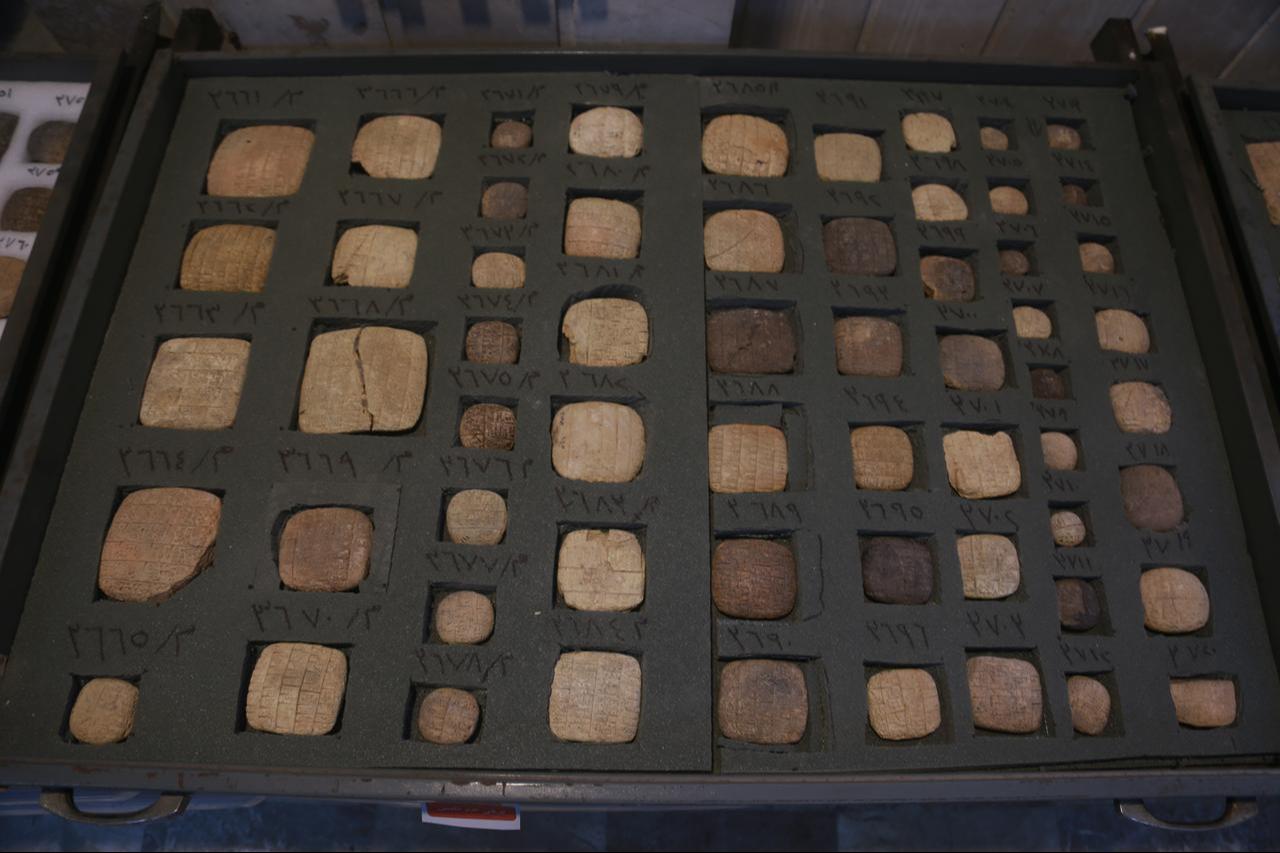
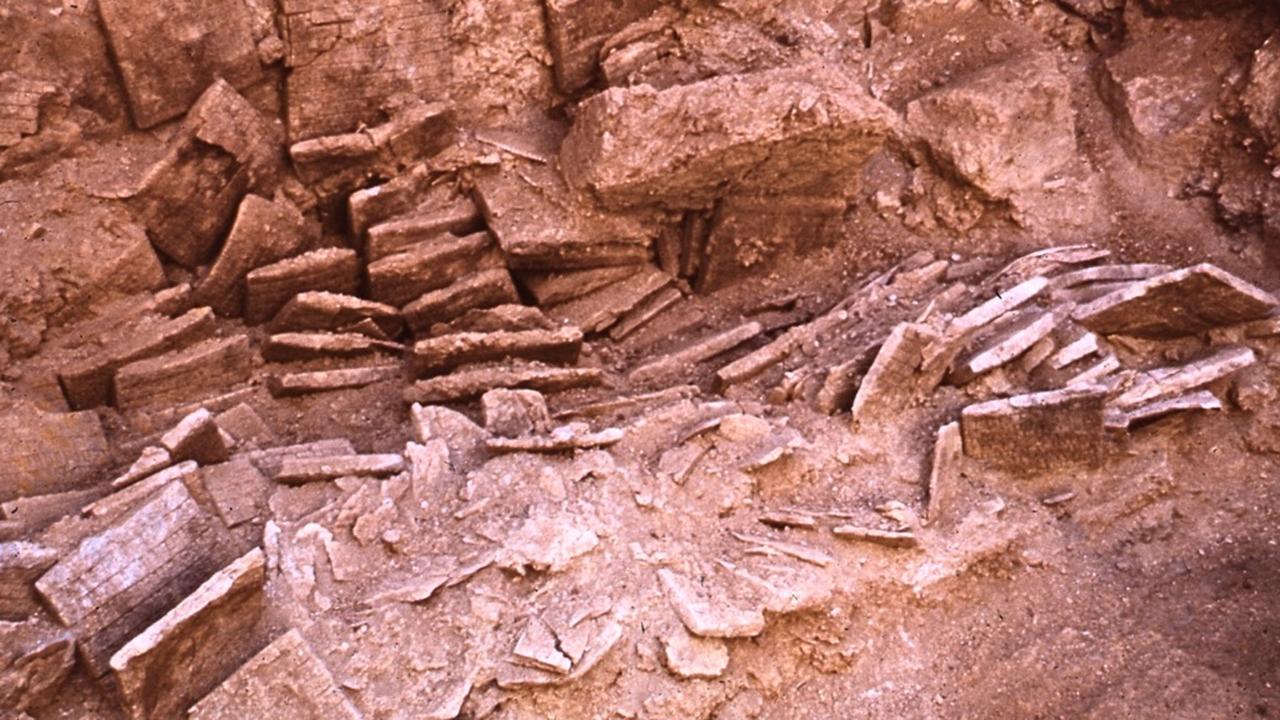
The return of 1,234 cuneiform tablets from the royal archive of ancient Ebla to the Idlib Museum after nearly a decade in hiding has emerged as a powerful symbol of cultural recovery in postwar Syria.
Speaking exclusively to Türkiye Today, Ahmed Zeidan, media officer for antiquities and museums, said the recovery represents not only the restoration of rare archaeological material, but also the reclaiming of a shared historical memory for Idlib and for Syria as a whole.
Zeidan described the return of the tablets as a symbol of hope and renewal at a time when the country continues to face severe social and economic challenges. He underlined that the tablets could help rebuild cultural tourism in Idlib, supporting the local economy while bringing Syria’s heritage back into global focus.

According to Zeidan, the episode has highlighted the decisive role played by ordinary citizens in safeguarding cultural heritage during years of conflict. He said the Directorate-General of Antiquities and Museums is now working to build on this experience by systematically involving local communities.
The effort includes joint workshops, the creation of local committees responsible for heritage protection and awareness programs targeting residents. Zeidan added that cooperation with schools and universities is also being stepped up to help embed cultural heritage protection within education and strengthen community ties.
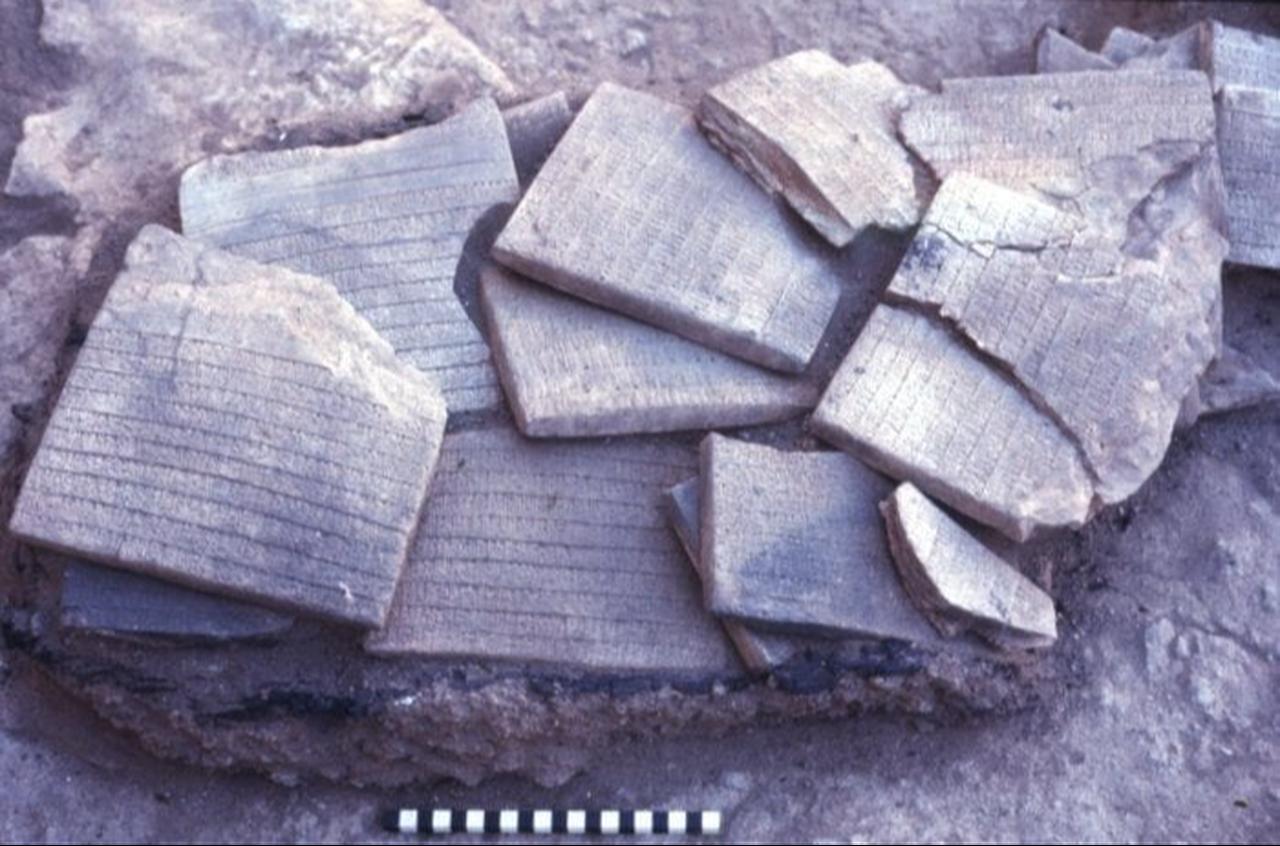
While the recovery marks a major milestone, Zeidan confirmed that a significant portion of the Ebla royal archive remains missing. Domestically, he said the priority is to compile detailed inventories of all missing artifacts and document them to determine what remains unaccounted for.
Researchers and academics are being brought into the process to help identify potential locations of the missing pieces. On the international front, Zeidan noted that cooperation is underway with international organizations and Interpol, alongside efforts to reinforce legal mechanisms that could enable future recoveries.
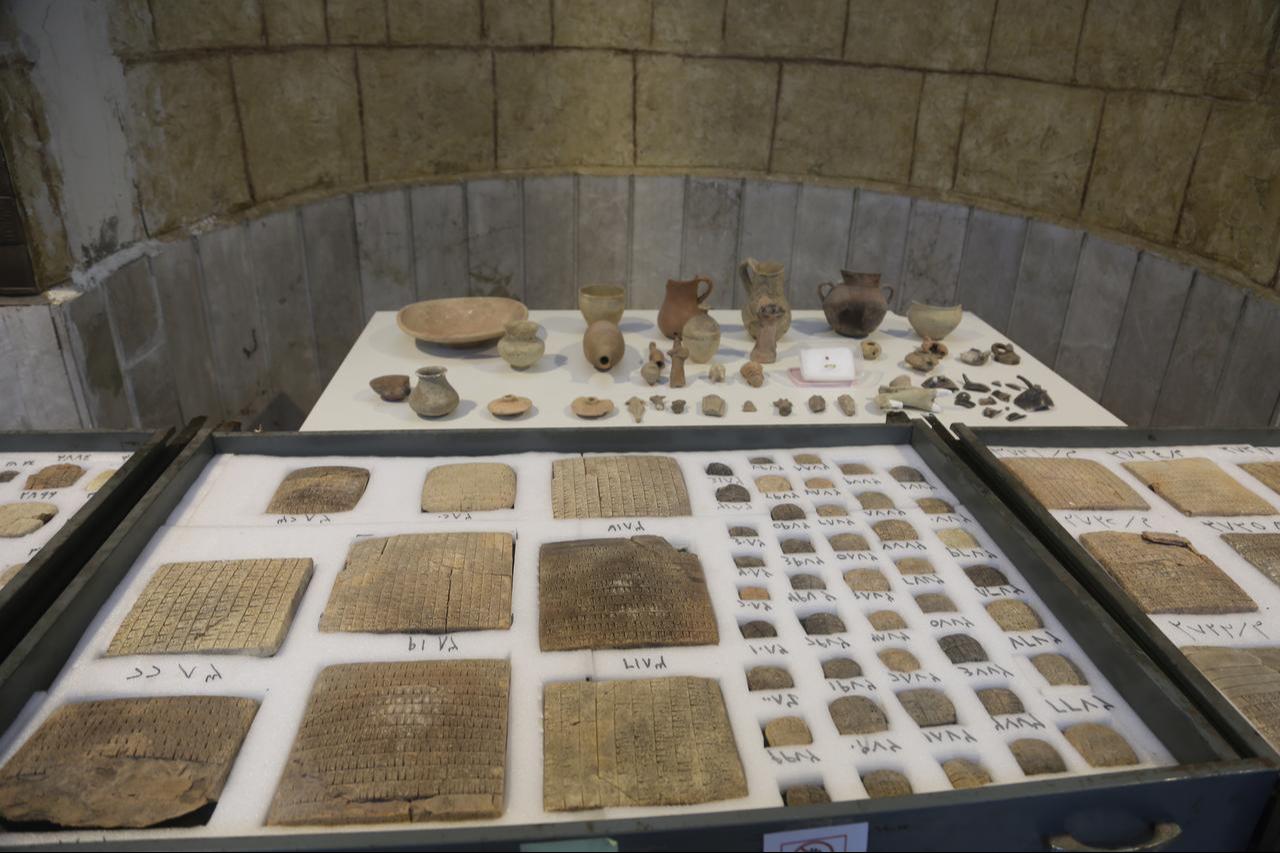
Zeidan said restoration of the Idlib Museum remains a central concern. Authorities are currently assessing damage, seeking financial support, appointing specialized restoration and maintenance teams, and drawing up phased restoration plans.
He confirmed that part of the museum’s restoration has already been supported by the University of Pennsylvania through a grant from the U.S. Department of State. However, this funding covered only the restoration of the museum’s external facades. Efforts are now focused on securing additional support to restore interior spaces and equip modern display cases.
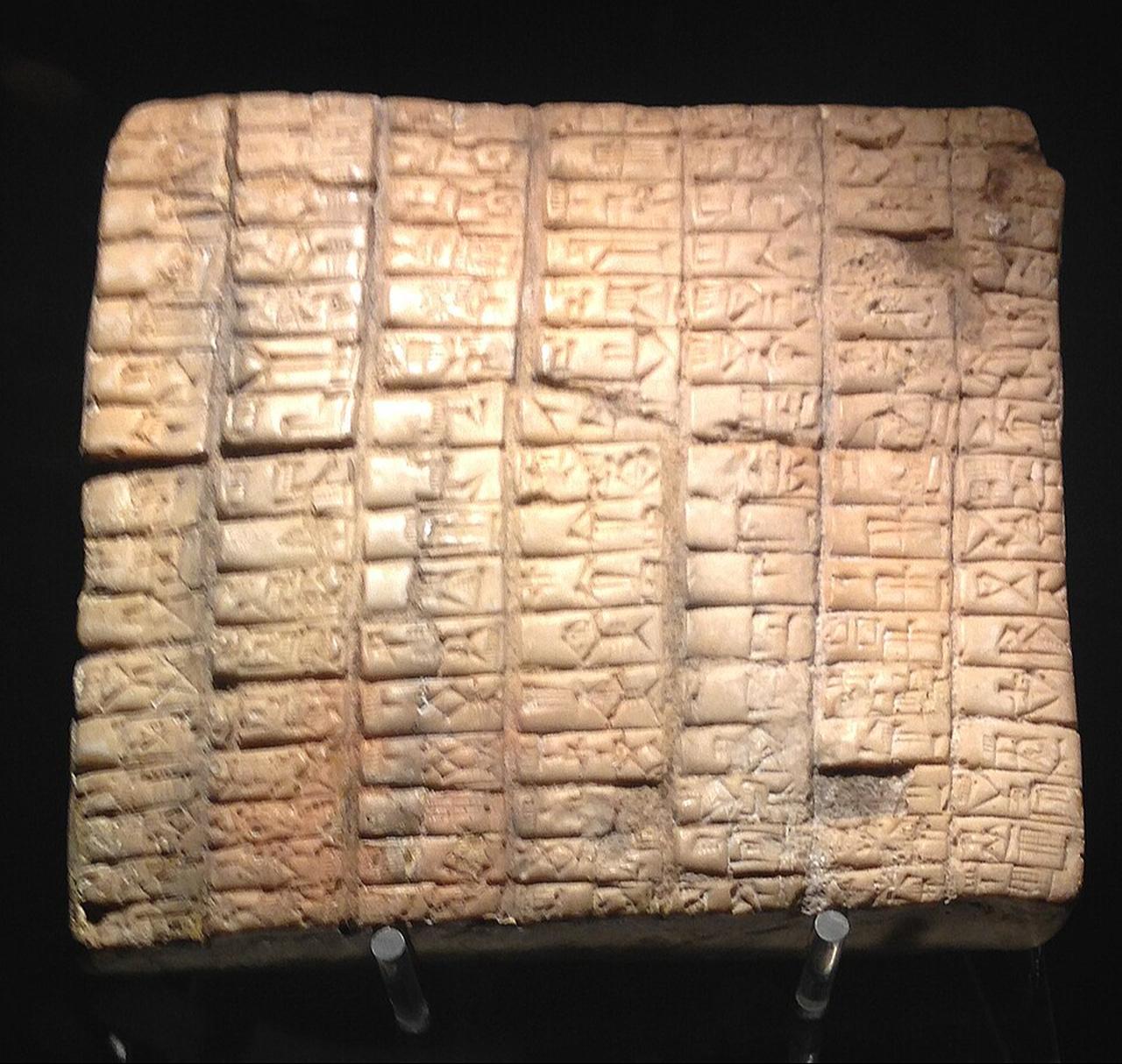
Looking beyond museum restoration, Zeidan said the government is working to step up cultural cooperation with other countries through art exhibitions, cultural festivals, joint training programs and professional seminars. These initiatives aim to promote cultural tourism and reintroduce Syrian antiquities from all historical periods to international audiences.
He stressed that such cooperation requires sustained political effort and coordination, adding that these steps form part of a broader government strategy to reposition culture as a bridge between Syria and the outside world.
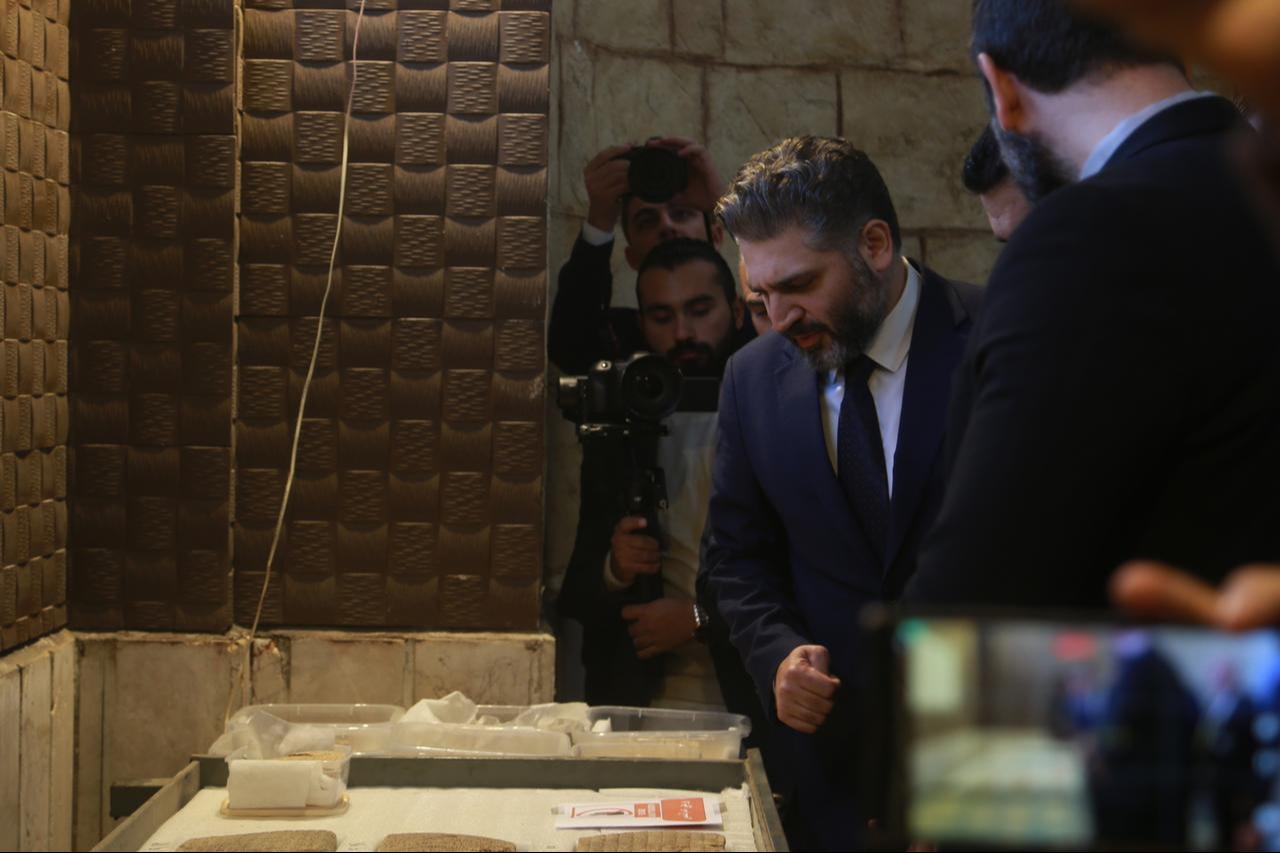
Zeidan said digital documentation has become a strategic priority for the Directorate-General of Antiquities and Museums. Training programs are currently being rolled out across ministries and directorates, while coordination with neighboring countries has enabled joint training initiatives in digital documentation.
At the same time, he said the directorate is working to reactivate and reorganize its internal structure professionally and technically. In cooperation with the Ministry of Culture and the Ministry of Emergency and Disaster Response, efforts are underway to activate firefighting systems, alarms and monitoring mechanisms across museums and heritage sites.
Zeidan added that reactivating archaeological sites is among the ministry’s key priorities, particularly as a way of encouraging tourism and supporting local recovery. Plans focus on rehabilitating access roads, improving sanitary facilities, upgrading lighting and clearly defining visitor routes at key sites.
He said these measures are intended to make Syria’s archaeological heritage accessible again while supporting economic activity linked to cultural tourism.
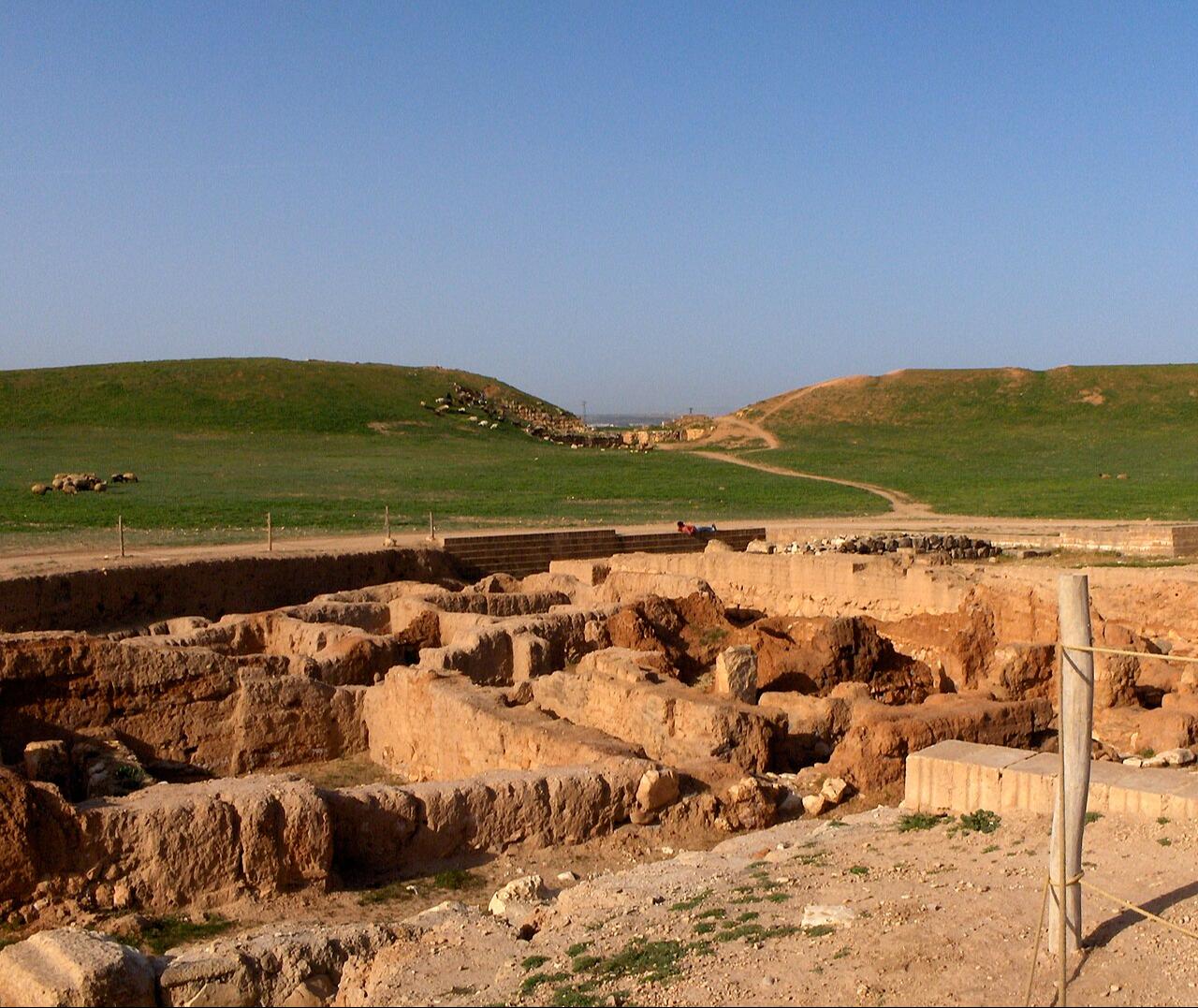
Ebla was a major ancient city-state that flourished in northern Syria during the third millennium B.C., near today’s Tell Mardikh, south of Aleppo. At its height, Ebla was a powerful political, economic, and cultural center connecting Mesopotamia, Anatolia, and the eastern Mediterranean.
The discovery of the Ebla tablets in the 1970s revealed an advanced society with complex administration, international diplomacy, and one of the earliest known systems of writing and record-keeping. Today, Ebla remains one of the most significant archaeological sites for understanding the origins of early urban civilization.


 Set as preferred source
 Set as preferred source


 3 min read