Sign in
 Newsletters


 Featured
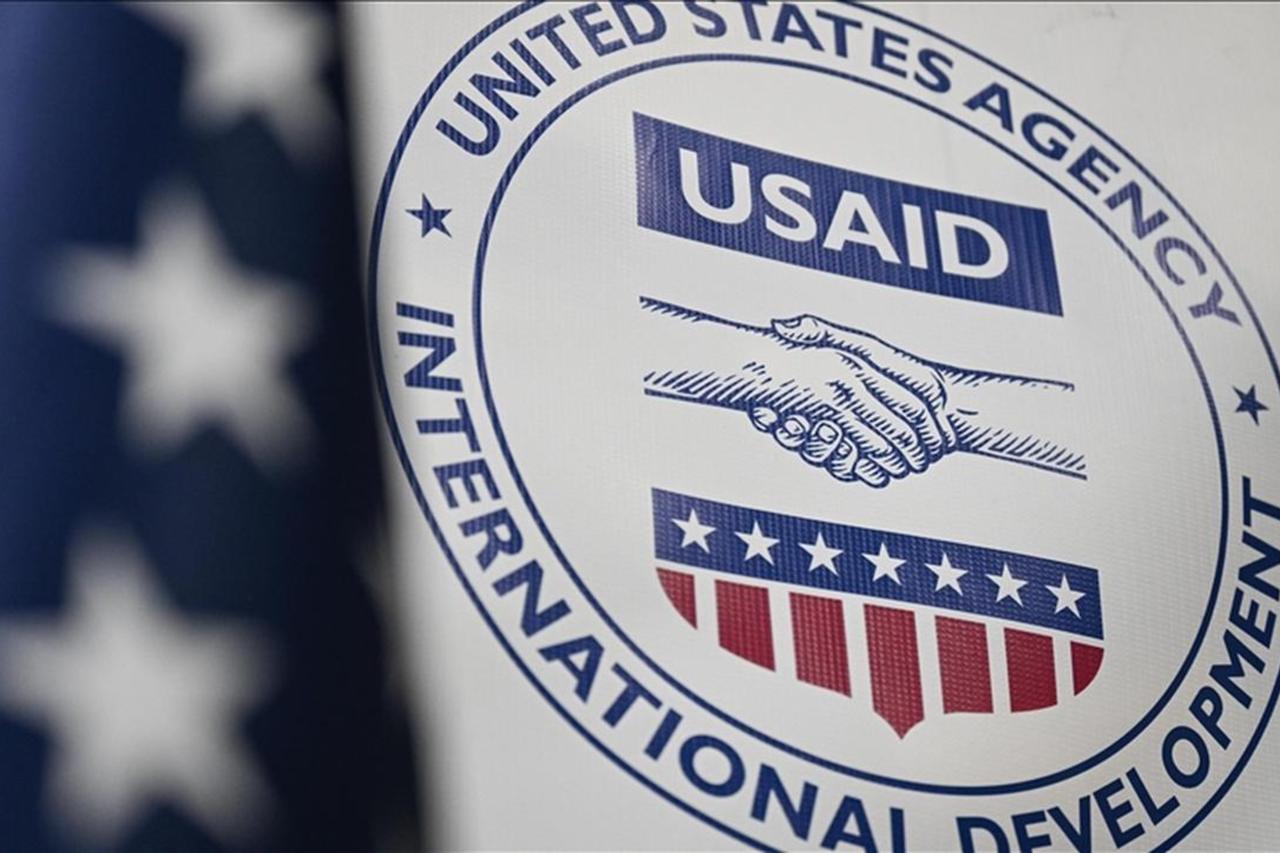


The USAID homepage no longer shows wells, vaccine coolers or smiling farmers. Visitors to usaid.gov now land on a page called "USAID Files," under a statement that the agency was "weaponized to advance a radical agenda fundamentally at odds with American values." Below it sits an archive of three webinar recordings and a long column of 245 emails, memos, chat logs and slide decks.
The release was sold to Americans as an exposé of what Washington's democracy bureaucracy has done with its power. The documents are almost all about disinformation and the agency's courtship of Meta, YouTube and Google, with Ukraine, Belarus, Guatemala and Sudan in the foreground.
Reading that column for Türkiye is a game of Where's Waldo, scanning crowd scenes for a striped shirt.
A search of over 2,000 pages finds Türkiye in about ten documents, and none of them is about Türkiye. No document describes an Ankara grant or a Turkish newsroom on a payroll, and nothing points to a program run out of Istanbul.
Widen the lens to the rest of the Middle East and the picture changes. Türkiye stays in the margins, but countries around it in the region fill an entire storyline: Libya, for example, where the files show a U.S. agency working through Facebook to shape what a whole country saw.

The most consequential file on Türkiye is a 123-page report titled "Democratic Openings: Country List." The report was meant to show the agency where its democracy funding would have the greatest impact. The authors ranked nearly 170 countries using the University of Gothenburg's V-Dem indices and cut the field to 28. They removed seven countries already counted as democracies, including Hungary and India, and sent experts to write up the rest.
Türkiye shows up in the annex ranking, wedged between Austria and North Macedonia, and misses the shortlist entirely. It turns up mostly in other countries' chapters.
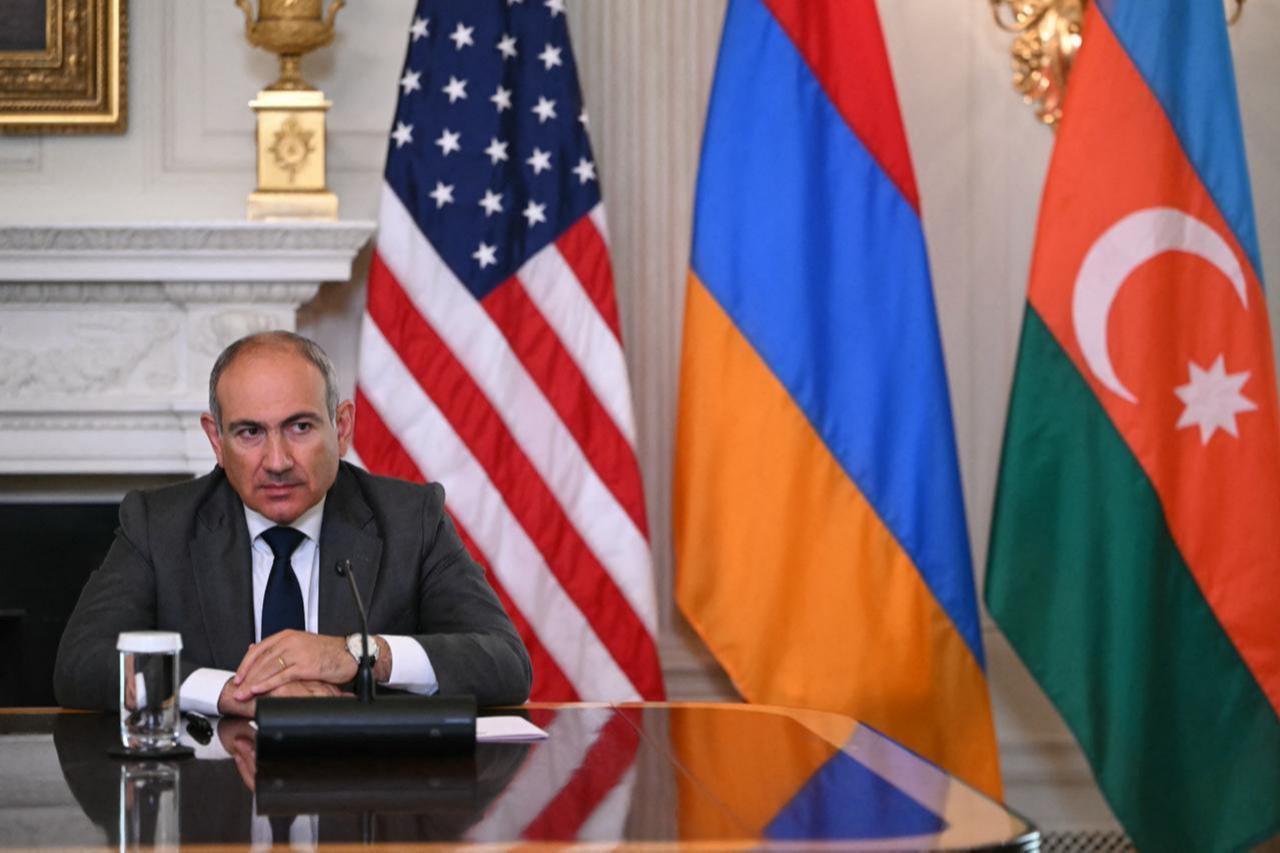
Armenia made the report's top tier, and the analysts spent real ink on what holds it back. Russian influence in Yerevan is strong, they write, partly because of Armenia's "efforts to harness Russian support in order to balance out strong Turkish backing for Azerbaijan."
Some argue, the report adds, that "given Armenia's history with Türkiye and Ankara's support for Azerbaijan," the Armenian government "has little choice but to ally with powerful anti-Western autocracies."
The Middle East chapter calls the 2011–2019 "regional struggle for influence" among Saudi Arabia, Iran, Türkiye, Qatar and the United Arab Emirates "highly destructive of the democratic potential" of the Arab uprisings. It puts all five capitals in one sentence without separating the governments that backed elected leaders from those that worked to remove them.
The regional chapters read like desk work done in Washington. The Libya files show the agency in action.
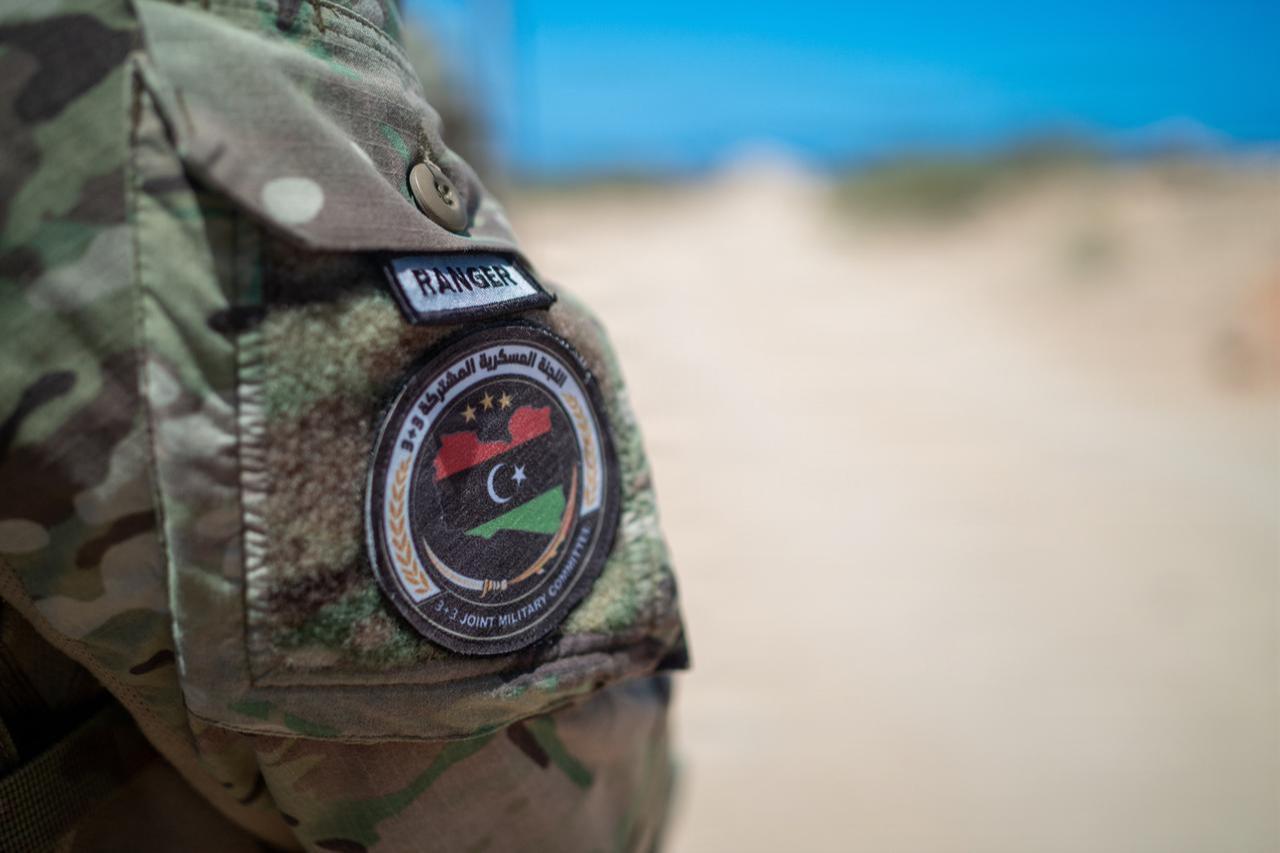
On June 30, 2021, Megan Doherty, a deputy assistant administrator in USAID's Bureau for the Middle East, emailed a contact at Facebook. Libya was due to vote on Dec. 24 of that year. She warned of "a dangerous uptick in electoral disinformation and hate speech, including calls to attack the election commission." She added: "Libyans rely on Facebook for... literally everything."
Facebook answered that her note was "generating interest from a few other teams," some of them based in Europe and Dubai. Meetings followed with USAID's Libya desk. The Dec. 24 election never took place.
The agency kept working on the platform anyway. From June 2022, USAID money through its Libya elections program helped BBC Media Action run a Facebook page called "El Kul." A 2023 program review commissioned by the agency says the page reaches "more than 4.5 million unique users," about a fifth of Libyans online.
A separate USAID-backed fact-checking platform, Tahra, "contributed to the removal of numerous posts" from Facebook and Twitter. A partner page called KAFA worked with Facebook to take down 23 posts and five accounts linked to "Libyan and proxy threat actors (including the Wagner Group)."
In July 2022, the National Democratic Institute (NDI) asked Facebook to remove posts threatening a Libyan partner organization. USAID's Libya office, which operates from Tunis, joined the request and asked Facebook "to remove these posts and suspend the page in question." The page came down, and a copycat went up. Facebook confirmed the removals and added: "Do let us know if anything else pops up."
The stated reason was physical safety. The posts called for a crowd at the group's office and showed burning tires. That justified this request, though the files hold many more like it.
A foreign agency funded the pages, trained the posters and flagged the threats, all inside the one platform where, by its own officials' account, an entire country lived. In October 2022, USAID's transition office proposed 20 Libyans for Facebook training, opening with "As discussed in Dubai."
Teams for Sudan and Iraq asked for the same. No Libyan voter was asked about any of it, and Libya had no elected government that could have been.
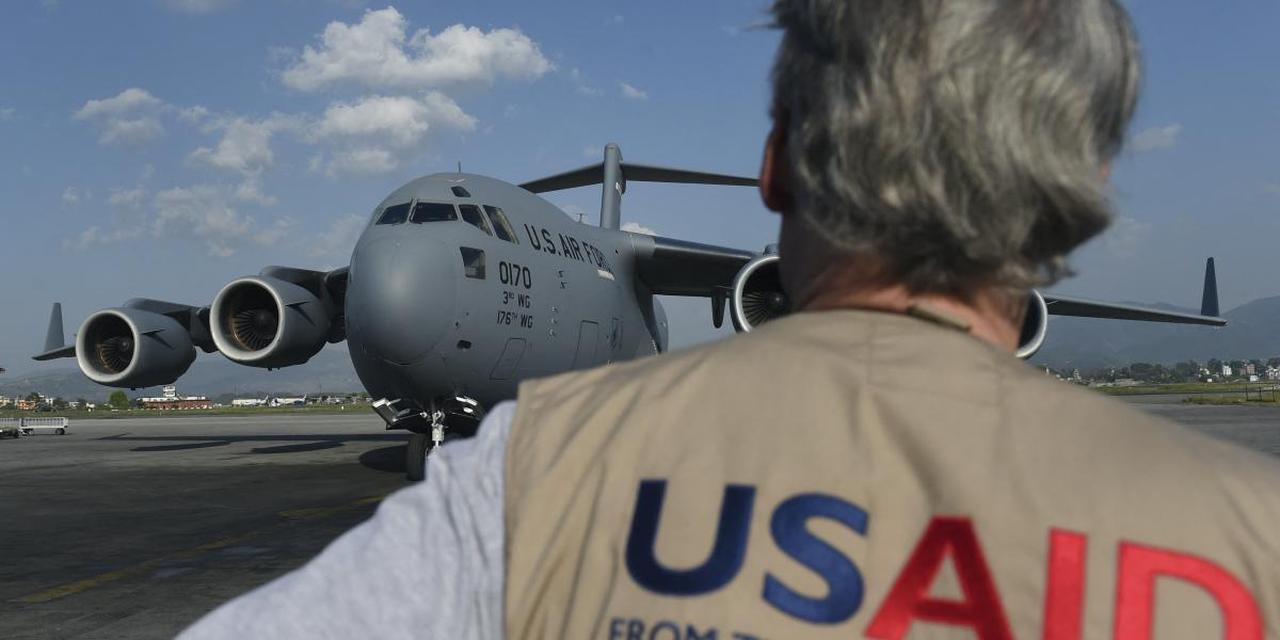
Yemen flips the camera. A November 2024 memo from USAID's Office of Security, tracking "foreign malign influence," describes a campaign accusing named USAID staff in Yemen of espionage.
The memo warns that such a charge "can result in harassment, detention, or severe penalties like imprisonment." It also logs a September 2023 Press TV documentary, from Iran's state broadcaster, claiming American groups like USAID try "to maintain their hegemony in the region through their seemingly cultural, humanitarian projects."
USAID filed that as disinformation. Two years later, the U.S. government's own homepage says the agency was "weaponized" for a political agenda. Tehran and the White House have reached overlapping verdicts for different audiences.
That points to what the release is for. The files went up for an American argument about "censorship," Big Tech and the Biden years, with Libyans and Yemenis as props.
Washington published these documents to win a fight at home, and only by accident do they raise the question of whether a U.S. agency should curate a North African country's newsfeed.
Back in the crowd scene, Türkiye sits at the edge of other countries' chapters. Libya's Waldo was online the whole time, and USAID had his login.


 Set as preferred source
 Set as preferred source


 6 min read