Newsletters


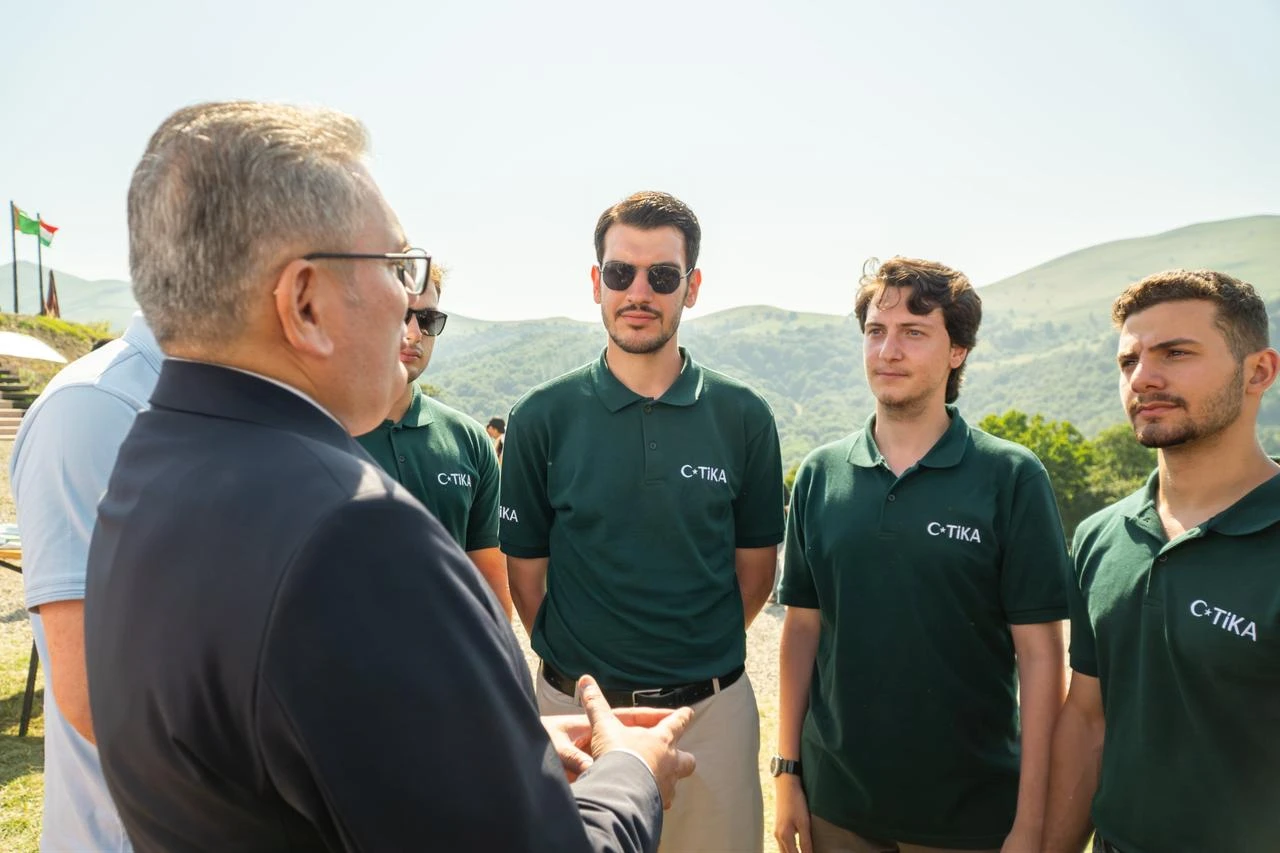


A total of 350 university students have set out for 35 countries under the Turkish Cooperation and Coordination Agency's (TIKA) Development Ambassadors Program, where they will take part in development projects, field activities and exchanges with local students.
Scheduled to run from July 23 through Sept. 30, 2026, the program brings university students from Türkiye together with their counterparts in Africa, Asia, the Balkans and the Middle East to carry out joint activities and share experiences.
Participants will join projects carried out by TIKA and non-governmental organizations, commonly known as non-governmental organizations (NGOs), while also visiting public institutions and Türkiye's overseas missions.
The program also includes academic events as well as cultural, historical and social visits designed to help students get to know the countries where they will be working.
Built around cooperation between several groups, the initiative brings together university students, national and international NGOs, TIKA projects and local public institutions.
Interest in the program extended across Türkiye, with 1,248 students from 156 universities submitting applications.
The planning process covered 38 countries, with active projects submitted from 35. Gambia, Guinea and Tanzania were also listed as reserve countries in the program briefing.
Health-related activities cover Djibouti, Ethiopia, North Macedonia, Tanzania and Tunisia, while agricultural projects are spread across Azerbaijan, Cameroon, Colombia, Kenya, Serbia and Tanzania.
Community-focused social responsibility projects make up the broadest category, covering around 15 countries. Bosnia and Herzegovina, South Africa, Montenegro, Turkish Cyprus, Mozambique, Jordan, Albania, Chad, Algeria and Georgia are among the locations highlighted in this area.
Cultural heritage projects will, meanwhile, be carried out in Albania, Kosovo, Romania, Jordan, Uzbekistan and Kyrgyzstan.
Through these projects, the students will gain direct experience of development work while carrying out activities alongside local students, institutions and civil society groups.


 Set as preferred source
 Set as preferred source




 6 min read