Newsletters



In Mardin's Old City, in southeastern Türkiye near the Syrian border, Sabah Kasim Garguli begins each piece with a block of limestone. The stone is local, and the studio is a short walk from the streets whose buildings it helped shape.
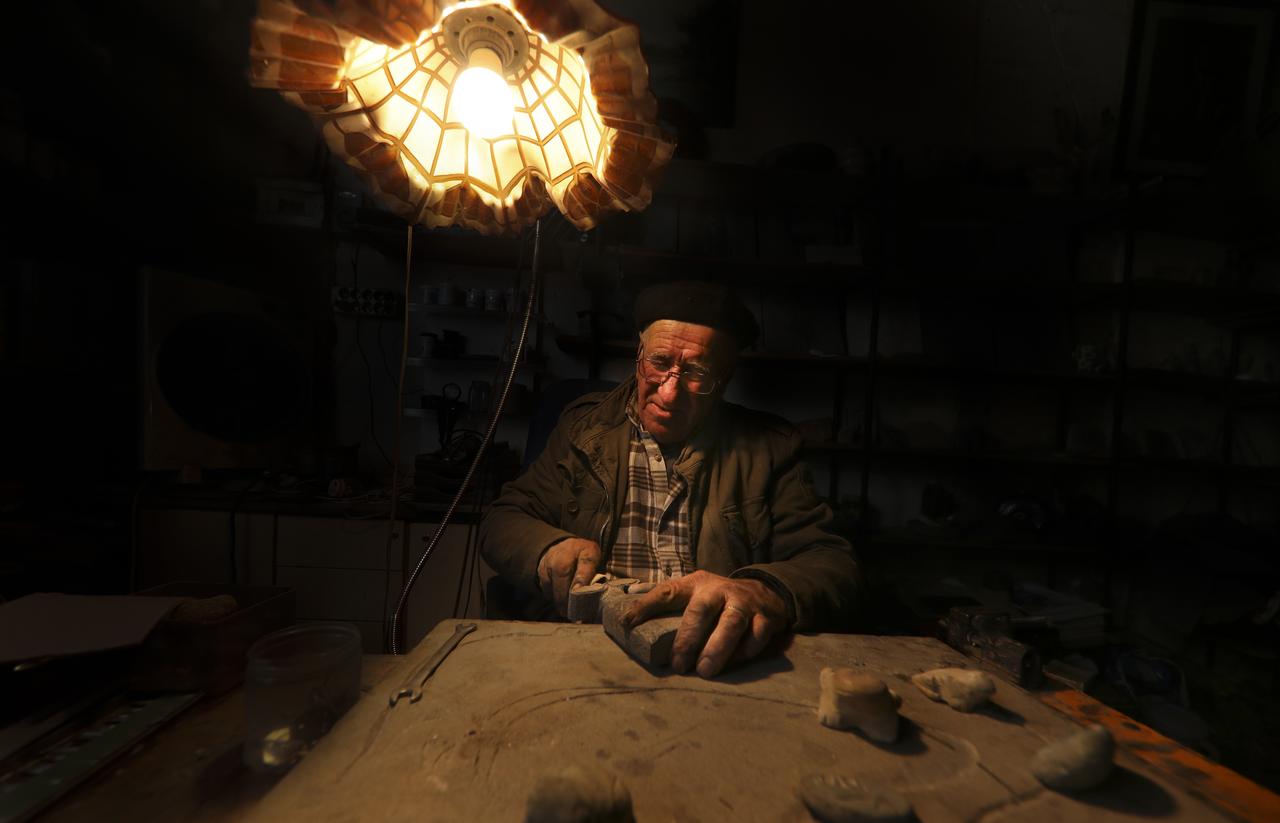
The workshop is small and historic, set in the ancient city center. Inside, Garguli, a master sculptor, studies the limestone before the first cut. The material is local, which ties each finished work to the place where it is made.
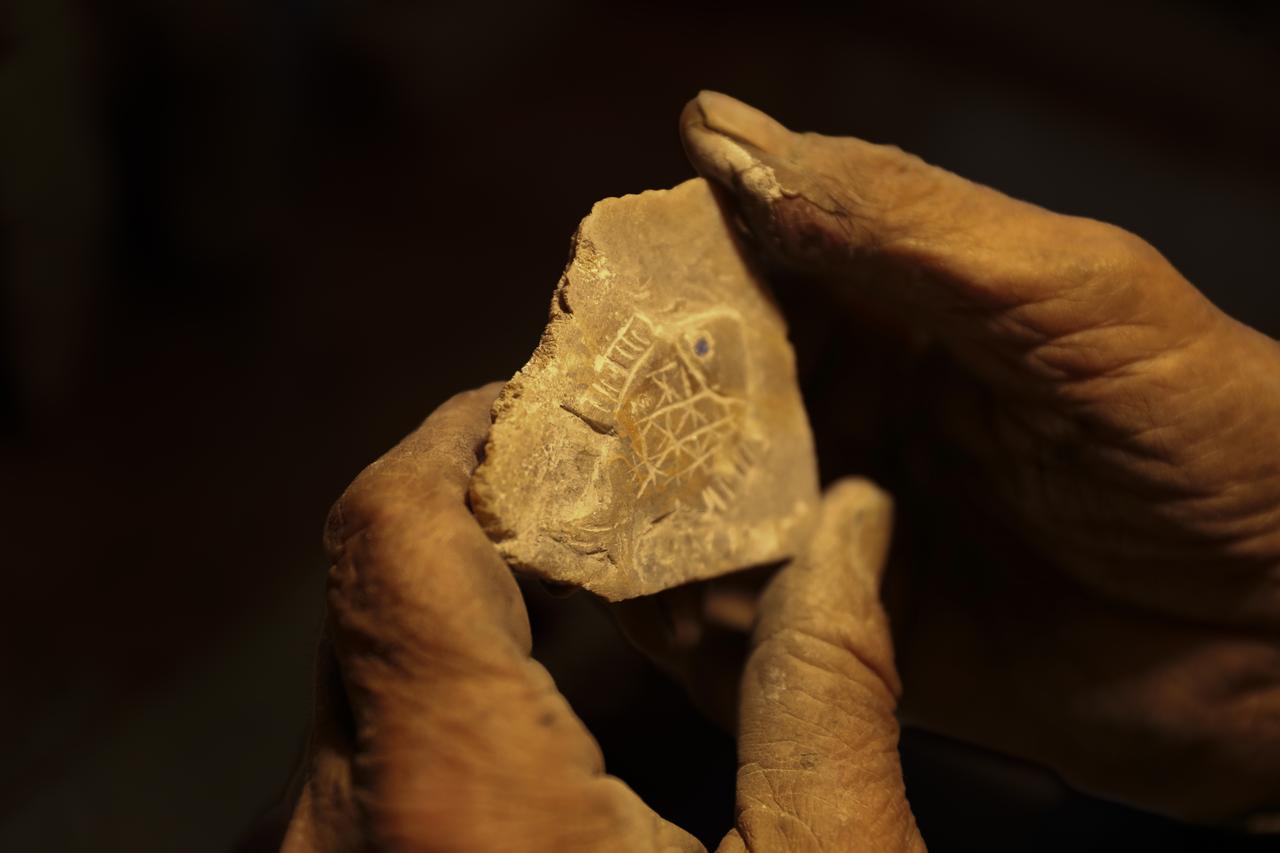
His method comes from traditional masonry. Garguli shapes the stone by hand, removing it gradually until a form appears. The technique belongs to a craft long practiced in Mardin, and he applies it to sculptures and architectural reliefs alike.
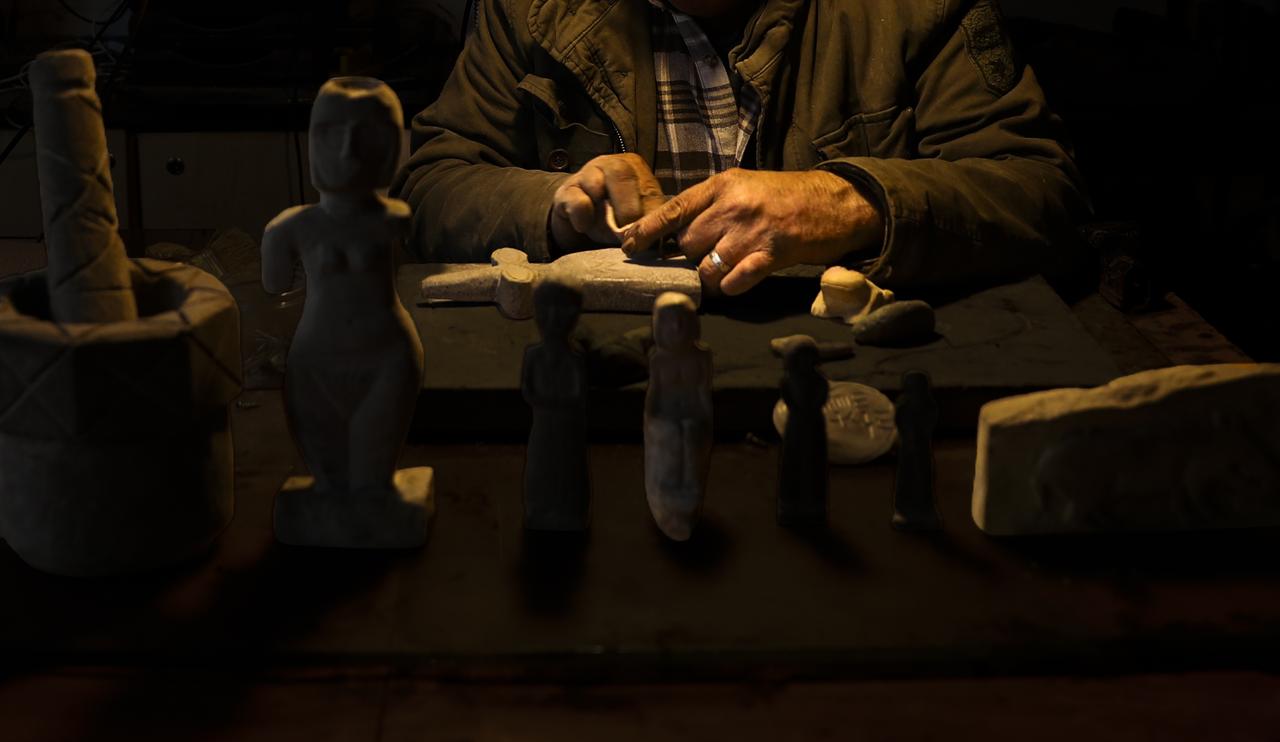
Modern artistic motifs enter at the carving stage. Garguli combines them with classic stonework, so a surface cut with traditional tools can carry contemporary designs. The result keeps the technique of Mardin's masons while changing what the stone shows.
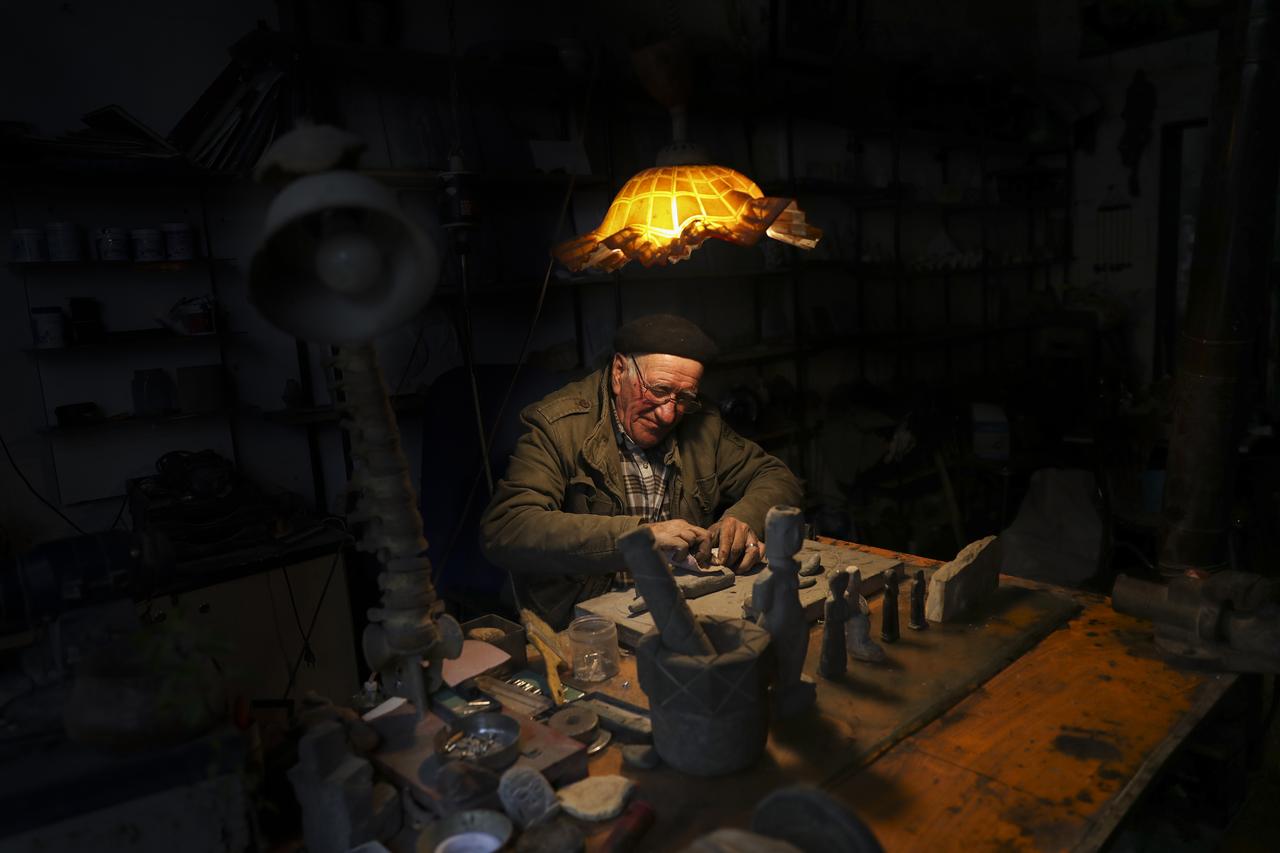
Limestone is the main material, but not the only one. Garguli works with local stone alongside other media, widening the range of what leaves the studio, from freestanding sculptures to reliefs designed to be part of a building.
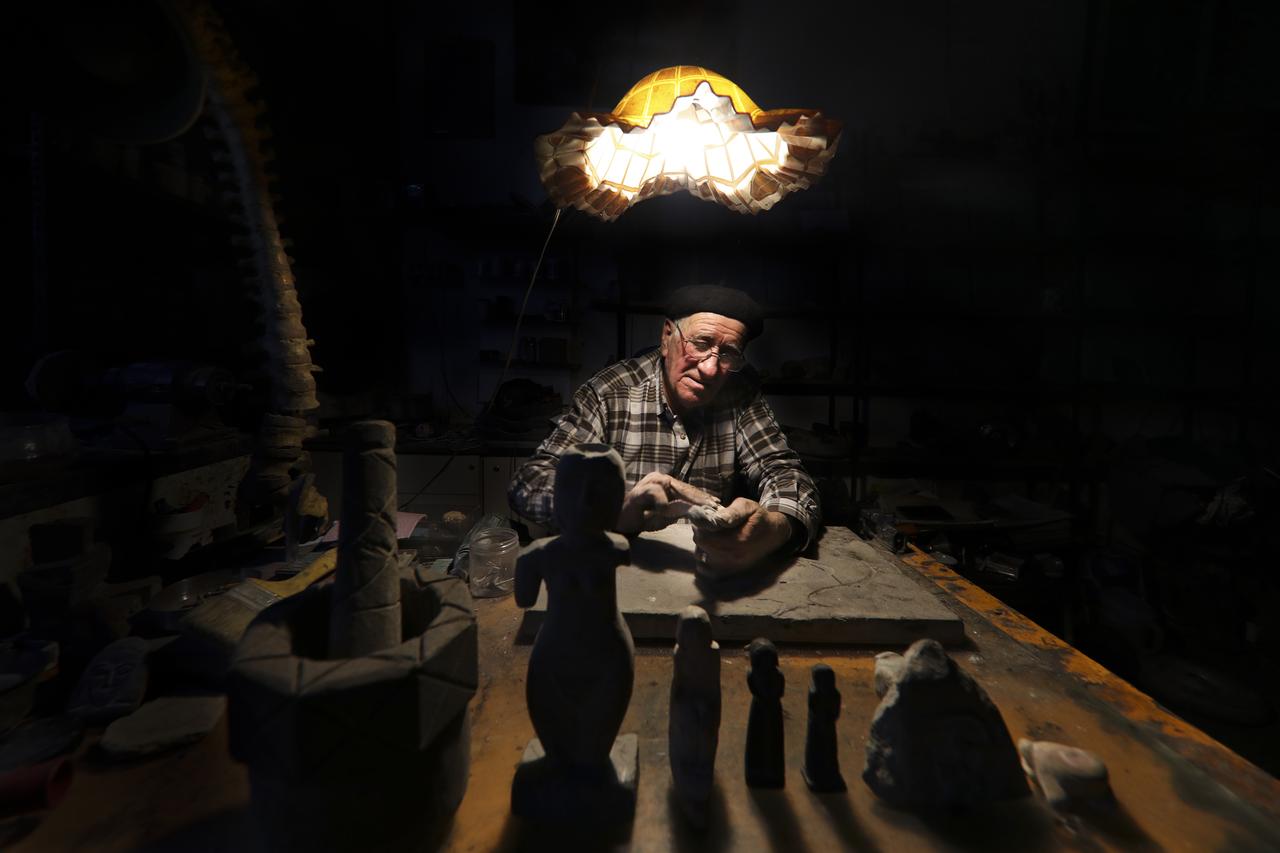
Each piece is handcrafted from start to finish. The sculptures and architectural reliefs made in this workshop take shape in a small studio, which keeps the work close to the maker's hands.
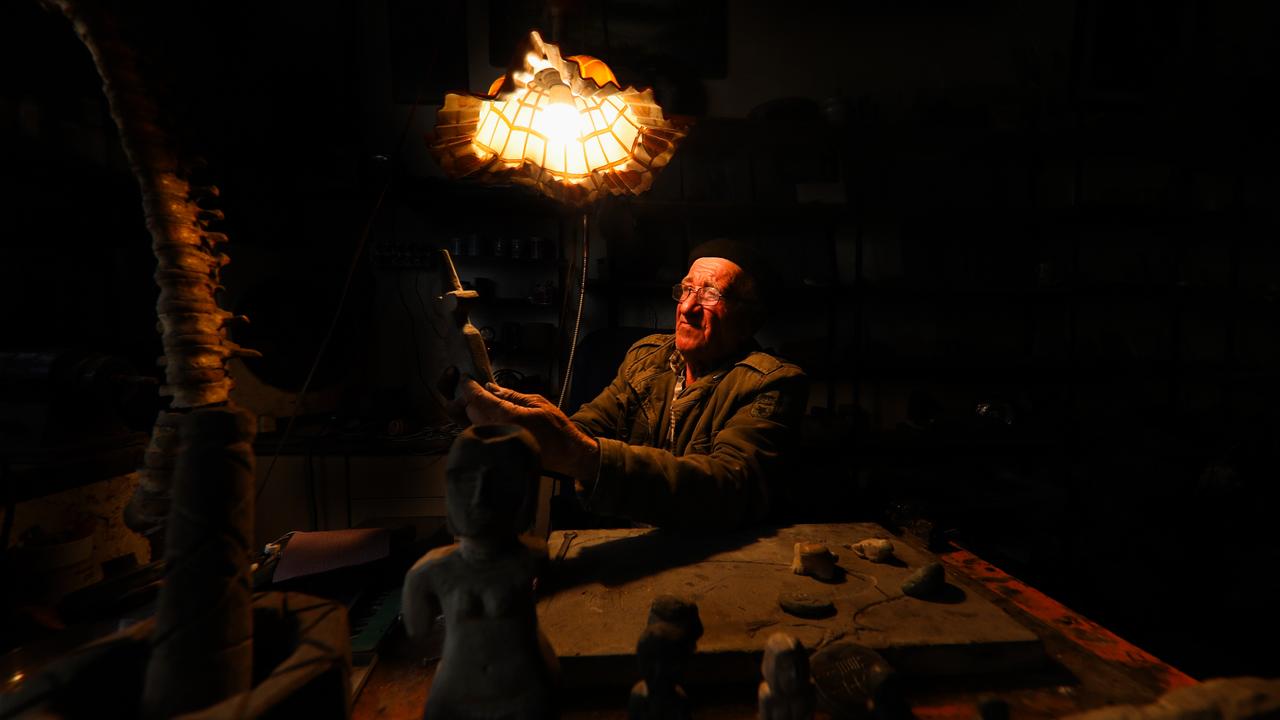
Visitors from Türkiye and abroad stop at the studio during trips to the Old City, and the work draws significant attention. Through it, Garguli contributes to preserving Mardin's stone-carving heritage and its ongoing contemporary evolution.

 2 min read
 1 min read


 Set as preferred source