

 Sign in
 Newsletters


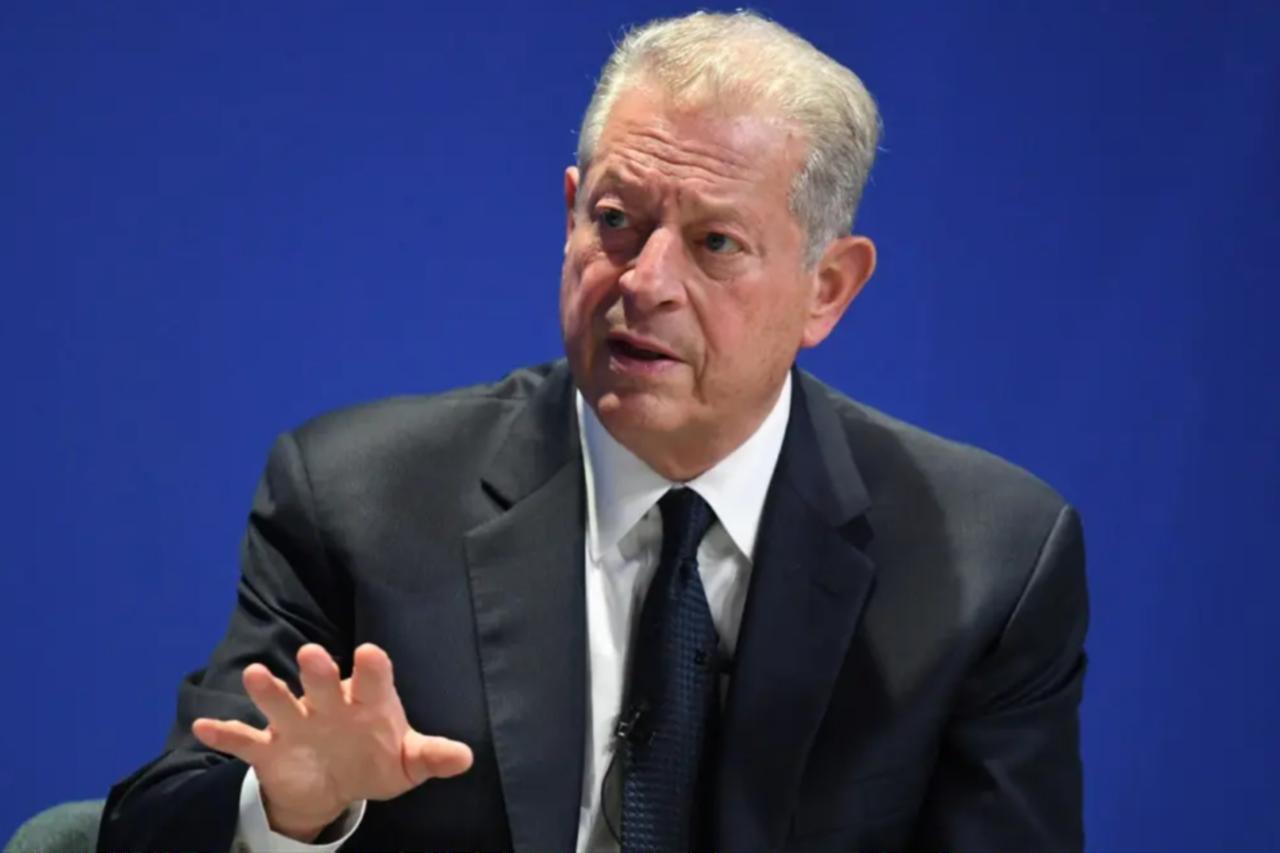


Former US Vice President Al Gore on Sunday described the failure of the COP31 climate summit as "an outrage," accusing a "handful of petrostates" of holding veto power over any mention of fossil fuels and calling for significant reform of the UN climate negotiating process.
In a post on X, Gore said the outcome in Antalya, Türkiye, should not be read as proof that the world is unwilling to confront the climate crisis. The opposite is true, he argued. Leaders, in his telling, no longer want to settle for the "lowest common denominator" and instead want real action to implement and finance a just transition away from fossil fuels.
Gore did not name the countries he was referring to. His criticism targets how the annual conferences work: decisions are reached by consensus, which in practice allows a small number of governments to block language that a large majority supports. Gore said those governments want the public to believe the climate crisis is a problem the world cannot or will not solve.
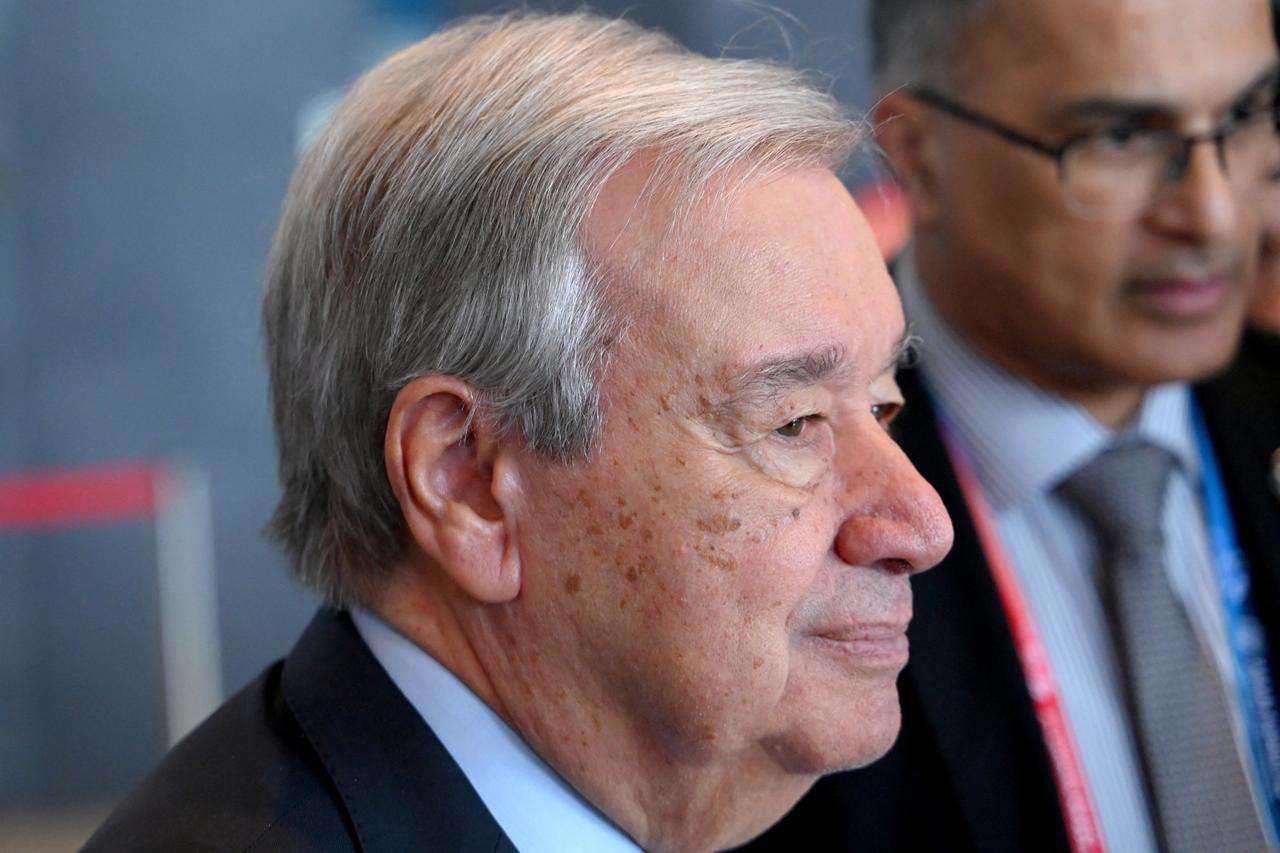
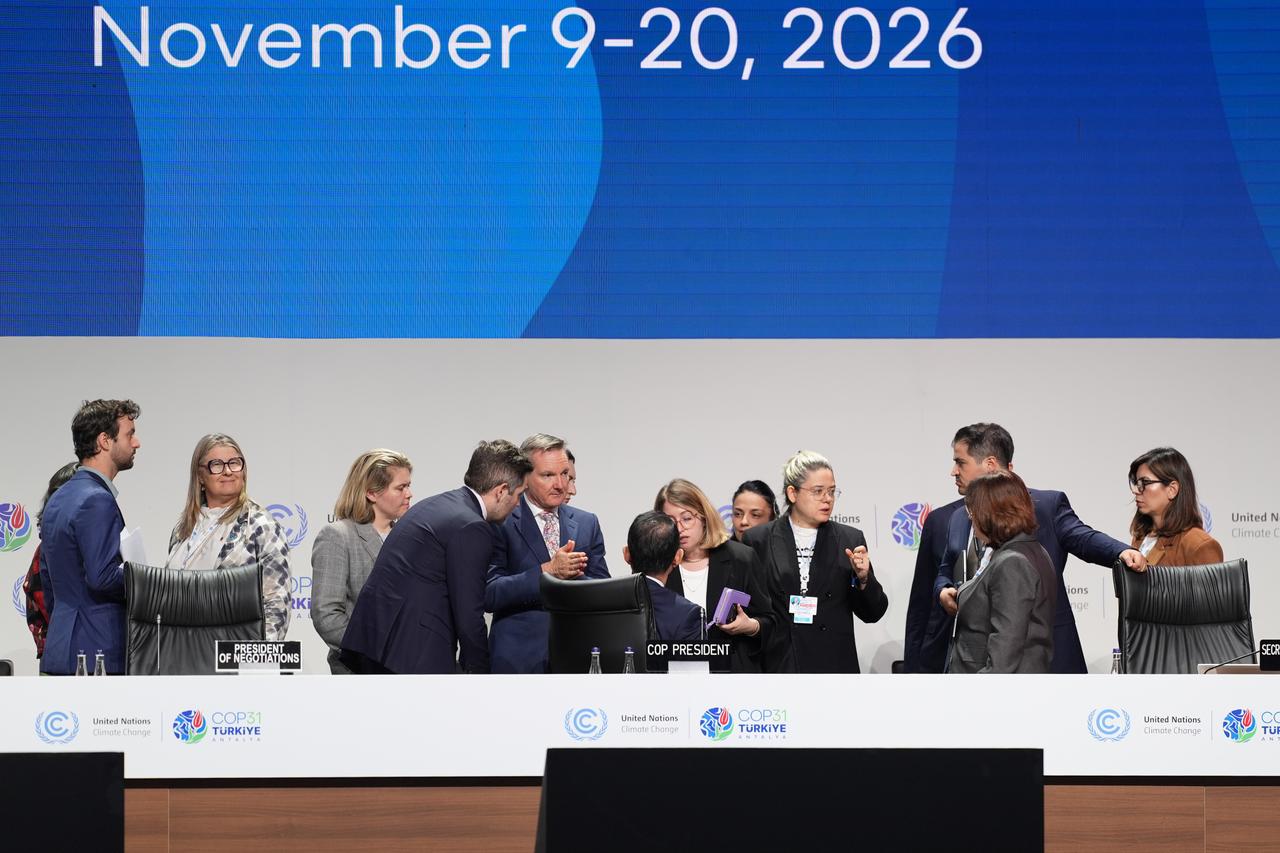
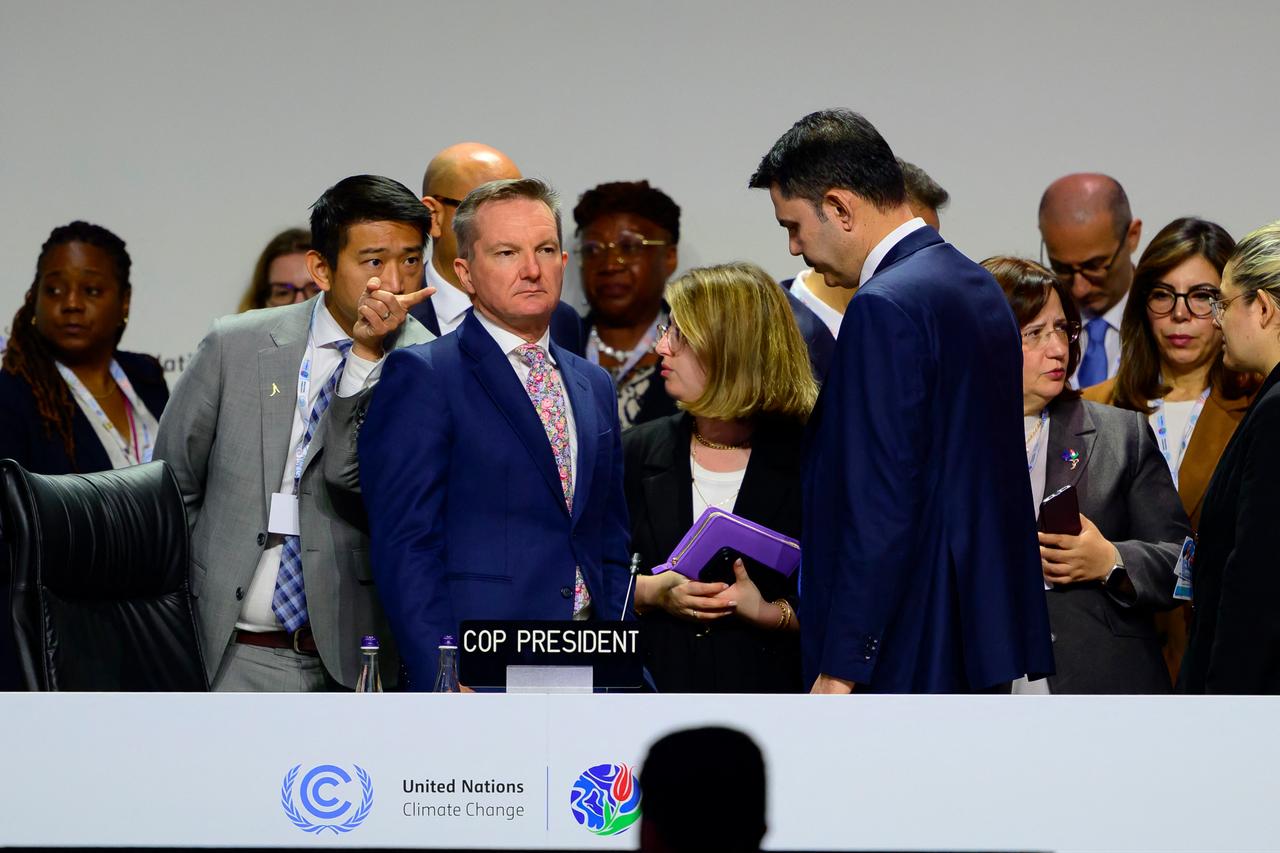
The summit ended without consensus on an overarching outcome, as UN Secretary-General António Guterres said in his own statement on the conclusion of the talks. Guterres said he was deeply disappointed and that the lack of agreement in the negotiating room does not change the science. He also accused powerful fossil fuel interests of delaying policy and blocking action.
Gore said it has been clear for years that the COP process needs significant reform. The vast majority of countries came together in Antalya over the past two weeks and negotiated in good faith, he said, and they should be empowered with a "reinvigorated multilateral process" that reflects the latest science and represents the will of the majority of the world.
Gore did not lay out specific changes. Proposals to alter how the talks are run, including how consensus is defined, have been debated among climate diplomats and campaigners in recent years, though the rules have remained largely unchanged since the process began under the 1992 UN climate convention.
He also pointed to action beyond the negotiating rooms. Where national governments have moved slowly, Gore said, progress at the local level and in the private sector continues to accelerate.
Gore has been one of the most recognizable advocates on climate change for more than three decades. His 1992 book "Earth in the Balance" argued that protecting the environment should be a central organizing principle of public policy, and as vice president in the 1990s he played a prominent role in climate diplomacy, including the talks that produced the 1997 Kyoto Protocol.
After leaving office he turned to public education on the issue. His slide-show lecture on global warming became the 2006 documentary "An Inconvenient Truth," which won the Academy Award for best documentary feature and brought the subject to a mass audience. In 2007 he shared the Nobel Peace Prize with the UN's Intergovernmental Panel on Climate Change for efforts to build and spread knowledge about human-caused climate change.
His work since has combined advocacy with investment and grassroots organizing. He co-founded the sustainable investment firm Generation Investment Management and founded the Climate Reality Project, which trains volunteers to speak on the climate crisis. Across those efforts, he has consistently argued for a rapid shift from fossil fuels to clean energy and for stronger international cooperation, themes that run through his reaction to COP31.


 Set as preferred source
 Set as preferred source


 1 min read
 1 min read


