Newsletters


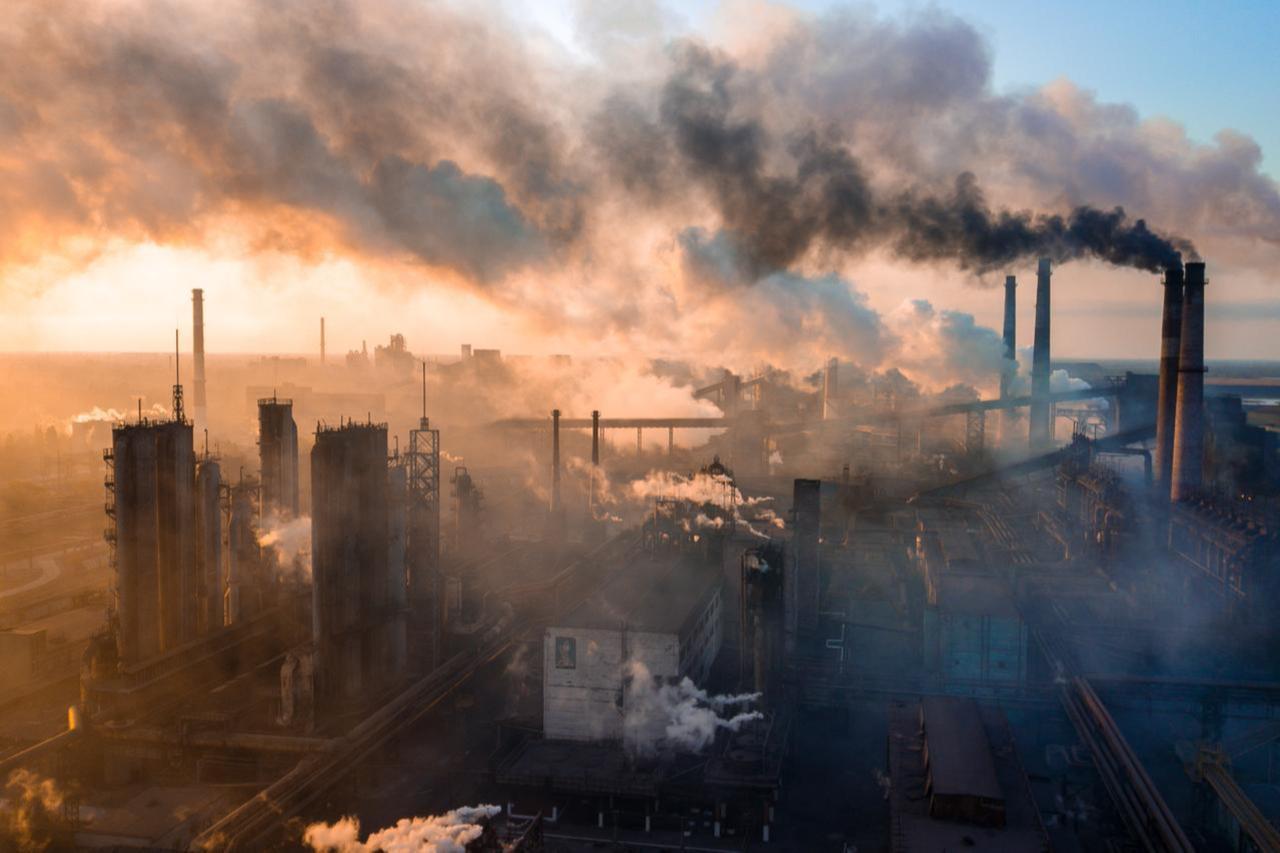


A new annual report by Swiss-based air quality monitoring platform IQAir has revealed sharp contrasts in air pollution levels across Türkiye, with some cities recording relatively clean air while others exceed global health limits by several multiples.
According to the report, Kirsehir ranked as the cleanest city in Türkiye, while Bursa recorded the highest levels of air pollution, followed by Corum and Kahramanmaras.
The findings place Türkiye within a broader global trend, where most countries continue to exceed recommended air quality thresholds set by the World Health Organization (WHO).


The report shows that several of Türkiye’s largest cities significantly surpass the WHO air quality guidelines.
Istanbul, Antalya, and Izmir recorded pollution levels between three and five times higher than WHO recommendations, while Ankara exceeded limits by two to three times.
These figures reflect sustained exposure to fine particulate matter, particularly PM2.5, which poses serious long-term health risks. These particles are small enough to enter the bloodstream through the lungs and are linked to respiratory disease, cardiovascular conditions, and cancer.
Globally, the situation remains severe. Data from 143 countries shows that 130 fail to meet WHO standards, with only a small number of countries maintaining relatively clean air.
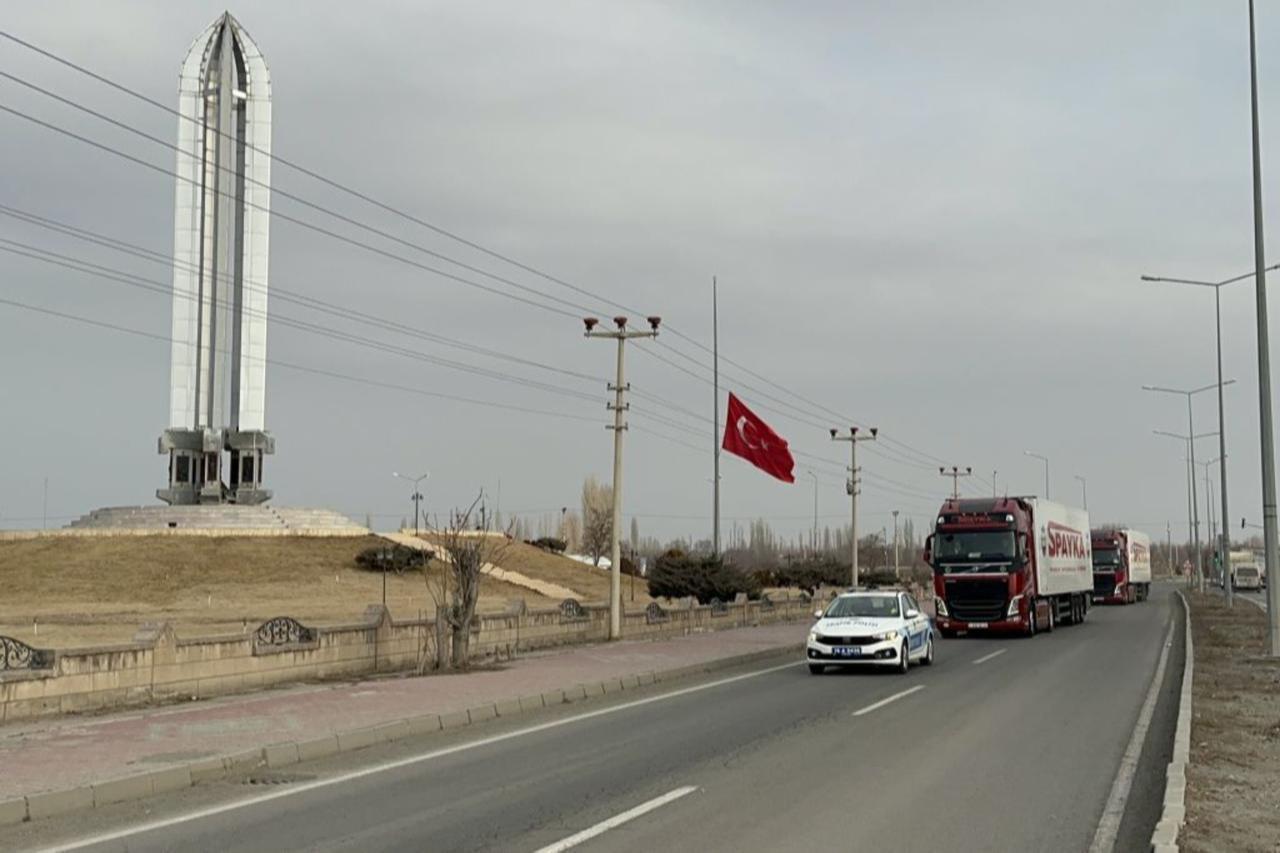
Separate 2025 data cited by Euronews indicate that Türkiye stands out across Europe for high pollution levels at the city level.
Most polluted cities in Europe:
Experts link these levels to several structural factors, including widespread fossil fuel use, emissions from industry, heavy traffic, and meteorological conditions that trap pollutants close to the ground.
Coal-based energy production and the use of low-quality fuels for heating remain key contributors, alongside inefficient stoves in residential areas.
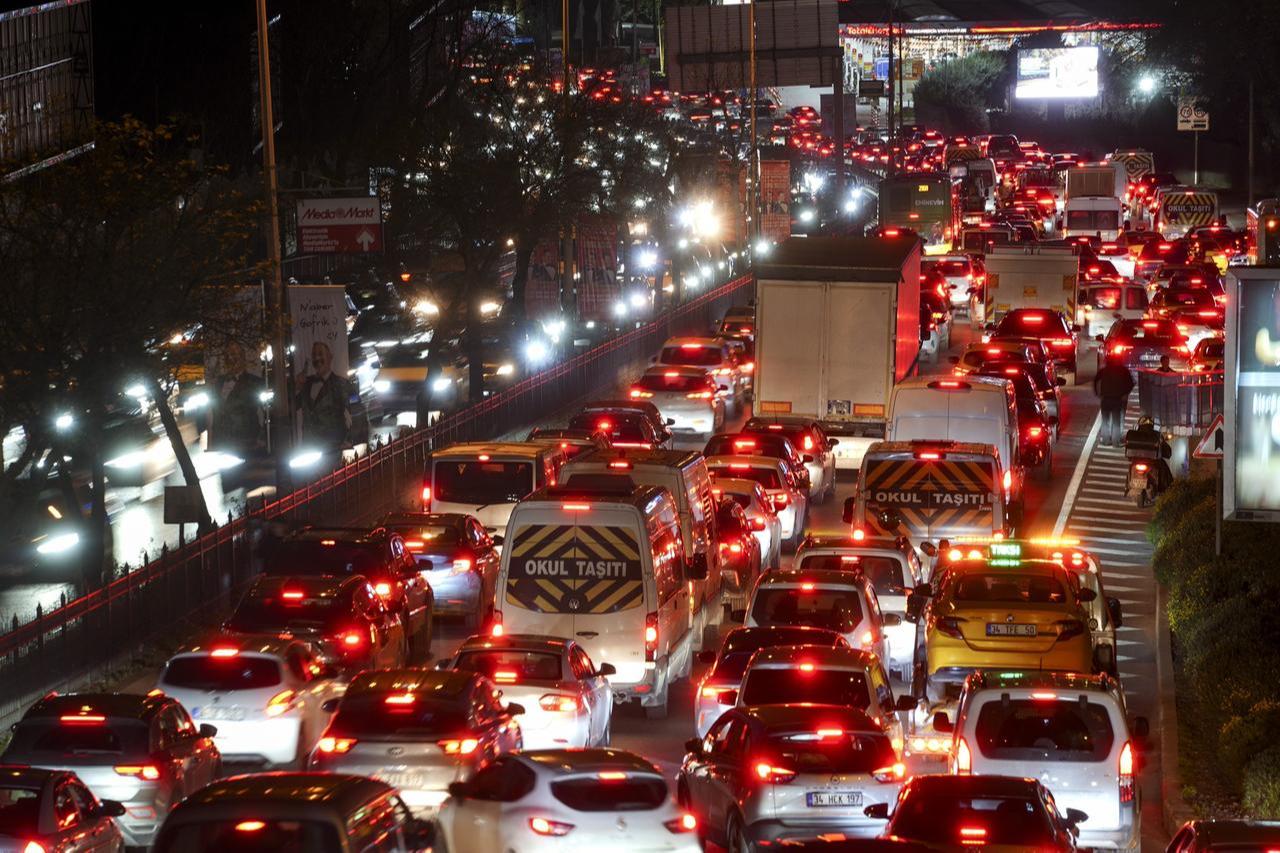
Air pollution in Türkiye reflects a combination of energy choices, urban density, and geography.
In many regions, coal remains a primary energy source, while urban growth has intensified traffic-related emissions. At the same time, certain geographic and weather conditions prevent pollutants from dispersing, allowing them to accumulate at ground level.
By contrast, countries with the cleanest air, such as Australia, Iceland, Estonia, and Panama, maintain pollution levels below WHO thresholds.
In Europe, Finland stands out, with multiple cities among the least polluted due to low population density, strict emissions controls, and high reliance on renewable energy.


 Set as preferred source
 Set as preferred source



 3 min read