Newsletters


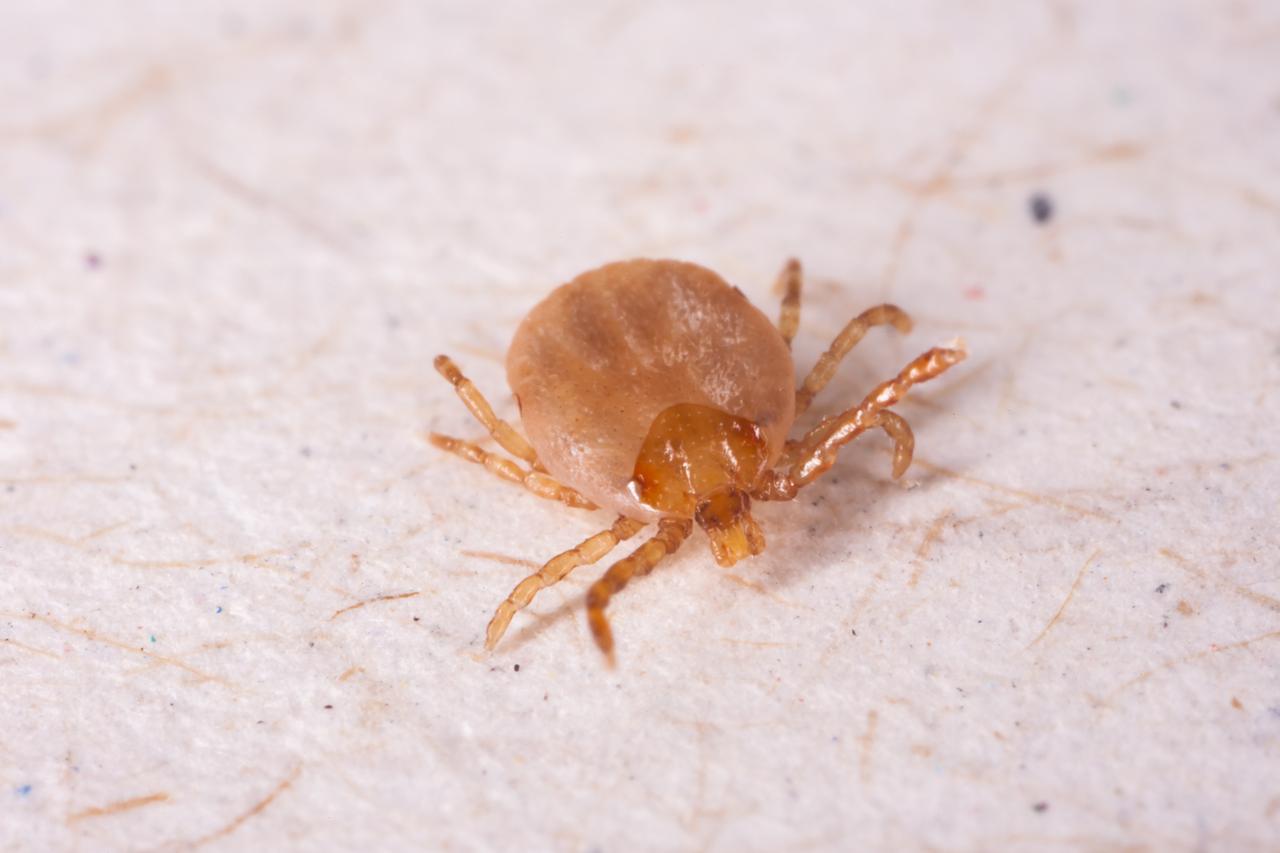


Rising temperatures in Türkiye have brought tick season back into focus, with health experts warning residents, tourists, and expats to take precautions in rural areas, picnic spots, and places with long grass.
The warnings follow the death of a 21-year-old man in Tokat’s Zile district after he was diagnosed with Crimean Congo Hemorrhagic Fever (CCHF), known in Turkish as Kirim Kongo Kanamali Atesi or KKKA, following a tick bite.
The disease is seen endemically in certain parts of Türkiye and can have fatal consequences, particularly when ticks carrying the virus attach to the body and are removed incorrectly or noticed too late.
With the arrival of spring and the increase in tick populations, the risk has returned to public attention, especially for people working in livestock farming, visiting rural areas, or spending time outdoors.
Internal medicine specialist Prof. Dr. Aydin Tunckale said that cases are seen more frequently in provinces such as Tokat, Sivas, Corum, and Yozgat, while ticks carrying the virus are not as common in major metropolitan areas.
That does not mean urban visitors should ignore the risk. The main danger increases when people leave cities for countryside trips, village visits, fields, farms, forests, picnic areas, or grassy recreation zones.
The warning is especially relevant during spring and summer travel, when outdoor activities, weekend trips, and rural routes become more common across Türkiye.
Experts say one of the biggest mistakes people make after noticing a tick is trying to remove it themselves with their fingers or with traditional methods such as alcohol, cigarette heat, or similar interventions.
Tunckale warned that incorrect removal can increase the passage of the virus into the bloodstream. “The person should definitely not intervene themselves and should go to a health institution as soon as possible,” he told Hurriyet.
If medical help is not immediately available and removal is unavoidable, experts advise using tweezers and removing the tick in one movement without breaking off its head.
Still, the safest advice for visitors unfamiliar with the process is clear: go to the nearest health institution as soon as possible after finding an attached tick.
CCHF symptoms may begin with flu-like complaints but can worsen rapidly.
The most common warning signs include high fever, severe headache, fatigue, muscle pain, vomiting in some cases, and rashes caused by bleeding under the skin.
Symptoms can appear within one to three days after contact with a tick, and in some cases up to nine days later. Anyone who develops these symptoms after a possible tick bite should seek medical care immediately.
Experts recommend simple precautions for people visiting rural or grassy areas in Türkiye.
Wear light-colored clothes so ticks are easier to spot. Choose long trousers when walking through fields, picnic areas, or long grass. Tuck trouser legs into socks, especially in rural or forested locations. Use a blanket or cover when sitting on grass.
After returning home or to a hotel, check the whole body carefully, especially the armpits, behind the knees, and behind the ears.
Coordinated pesticide work in risky regions can help reduce exposure, but experts stress that individual protection remains the most effective precaution.
A routine countryside visit in Türkiye does not need to become a health risk, but tick exposure should be treated seriously in higher-risk regions. Simple preventive steps, careful body checks, and quick medical help after an attached tick can significantly reduce the danger.


 Set as preferred source
 Set as preferred source



 3 min read