Newsletters


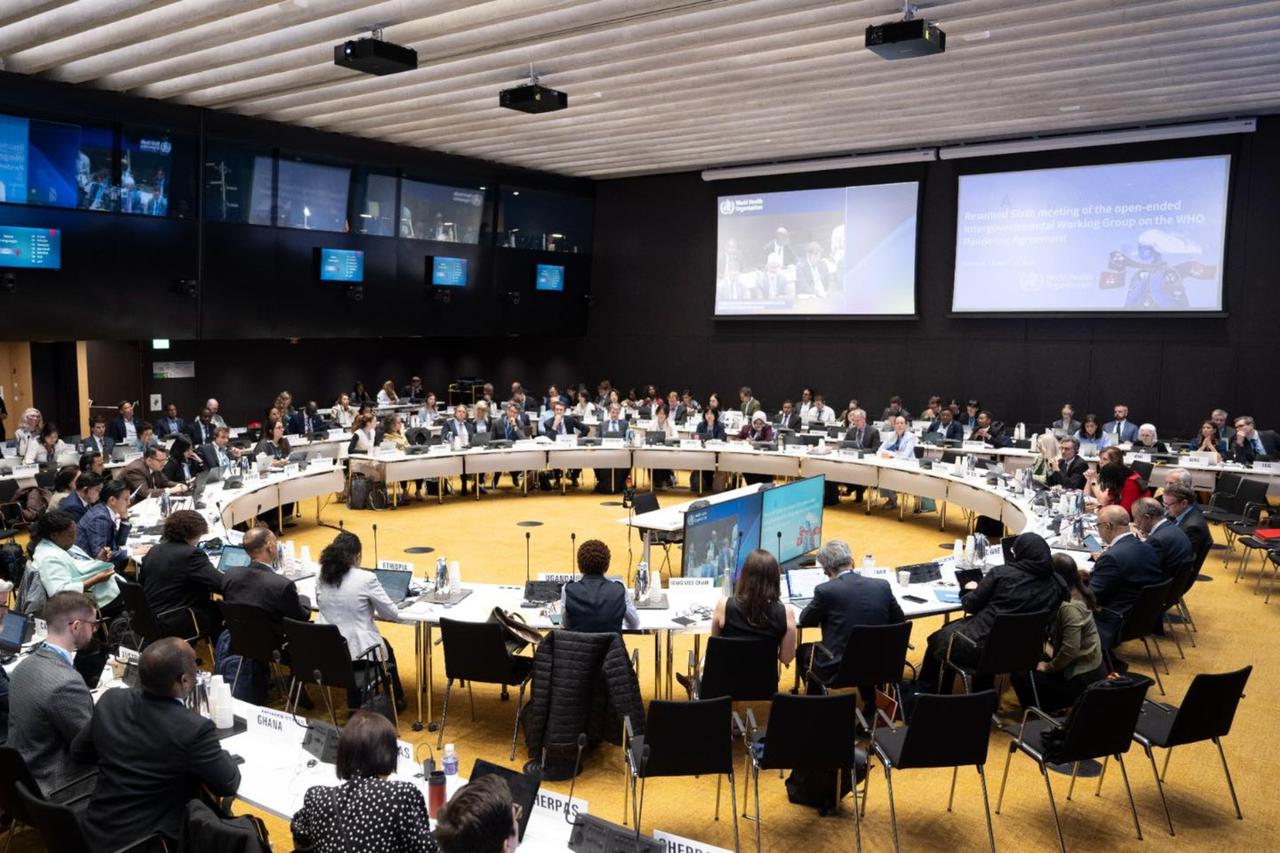


The World Health Organization (WHO) said negotiations on a key annex to its pandemic accord could wrap up this week, even as some differences remain, signaling momentum ahead of the annual World Health Assembly in May.
Speaking in Geneva, WHO Director-General Tedros Adhanom Ghebreyesus pointed to growing alignment among member states, while acknowledging that disagreements persist over technical details. The annex in question, known as pathogen access and benefit-sharing (PABS), outlines how countries would share virus samples and data, and how those contributions would link to access to vaccines, diagnostics and treatments.
Tedros emphasized that completing the annex is essential before countries can move forward with ratifying the broader pandemic accord, expressing hope that negotiations could conclude within days. He added that if needed, further discussions could still take place before or after the assembly, but current developments suggest progress is being made.
WHO technical lead, Maria Van Kerkhove, described the talks as increasingly constructive, noting that countries are working through how to turn technical frameworks into legal language that governments can formally adopt. At the core of the discussions is how nations will cooperate on sharing pathogens and related data, and how those systems will tie into equitable access to medical tools during future outbreaks.
Addressing concerns about parallel health agreements, Tedros said countries can still pursue bilateral deals without undermining the global accord. He stressed that while such agreements are a sovereign right, they cannot replace the collective system built around WHO’s 194 member states, which aims to ensure universal cooperation in times of crisis.
On the financial side, WHO officials said the agency remains on a stable footing. Assistant Director-General Raul Thomas reported that around 85% of the 2026–2027 budget has already been secured, even without contributions from the United States.
He explained that while overall funding levels are sufficient, imbalances remain across programs, with some areas receiving more support than needed and others falling short. This has highlighted the need for more flexible funding mechanisms to better distribute resources.
Thomas added that there are currently no plans for additional job cuts, although future adjustments cannot be ruled out. Meanwhile, Tedros noted that earlier financial reforms have helped cushion the impact of the U.S. withdrawal, with a growing share of stable assessed contributions expected to strengthen the organization’s independence in the coming years.


 Set as preferred source
 Set as preferred source


 3 min read