Newsletters


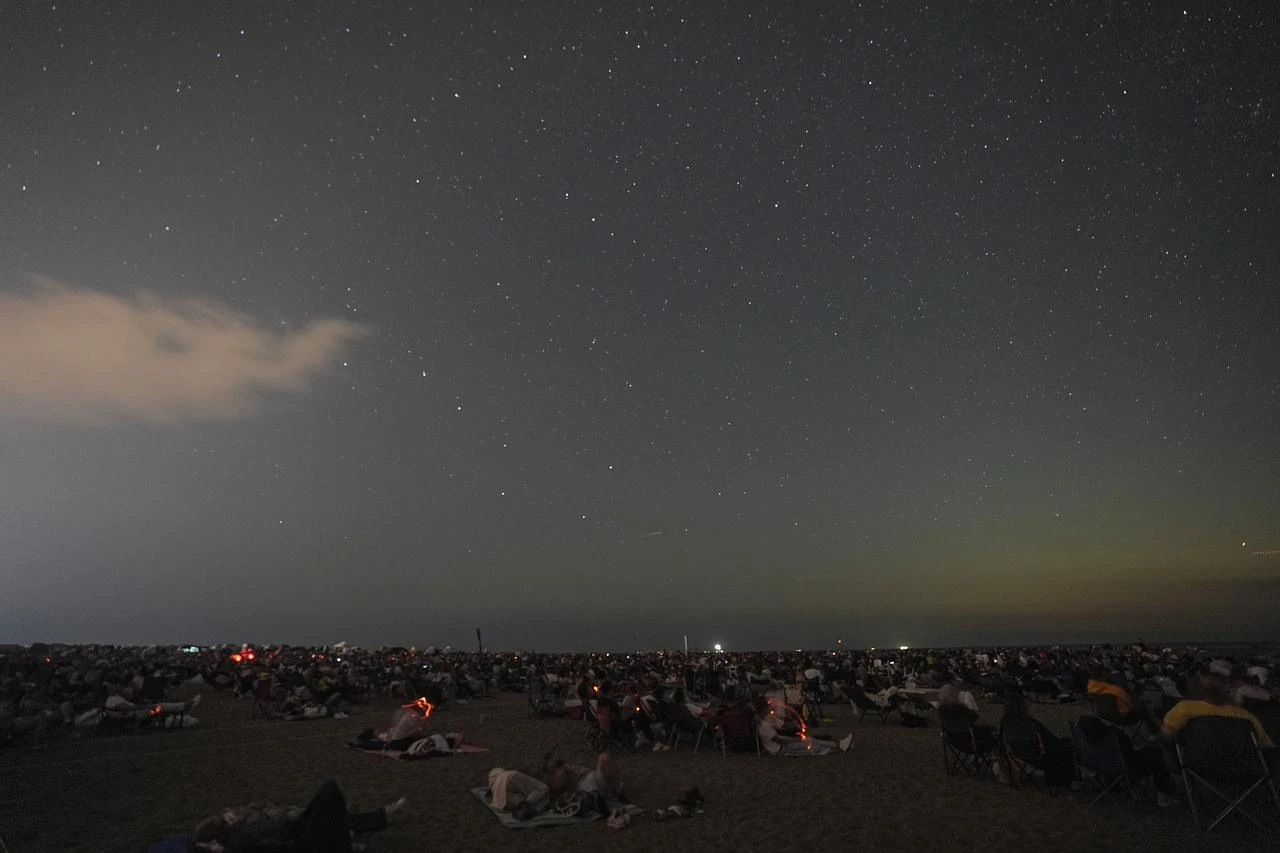


More than 25,000 sky enthusiasts gathered in the Karacabey district of Bursa to watch the Perseid meteor shower at the sixth annual "Perseid meteor shower observation event," held with support from the Cemre Foundation.
With contributions from the Cemre Foundation and support from the Bursa Metropolitan Municipality and Karacabey Municipality, the event was organized by nature and wildlife photographer Alper Tuydes, bringing together thousands of sky enthusiasts at the Bogaz location.
Sky enthusiasts and nature lovers from various provinces observed the meteor shower during the nighttime hours. Nature lovers who attended the well-attended event set up tents and camped in the area.
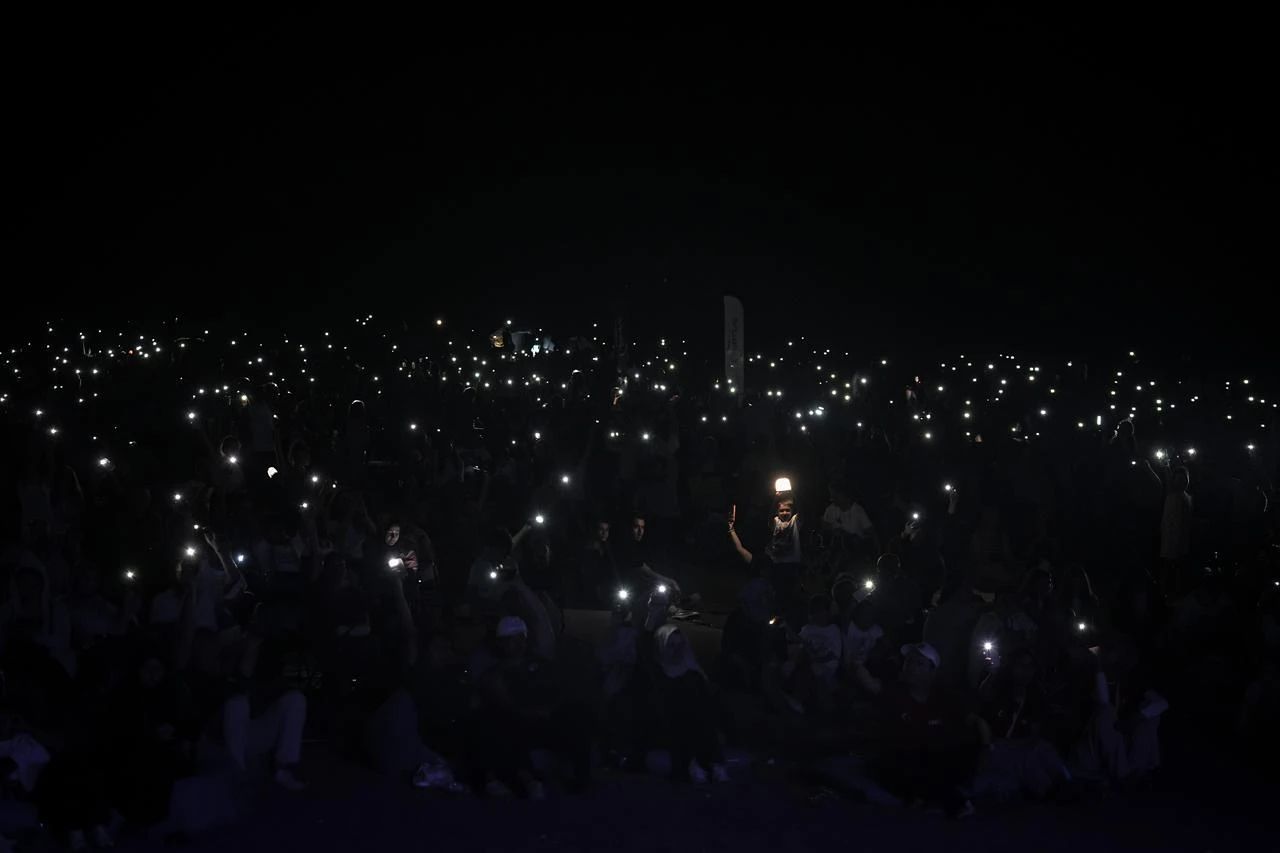
Experts in the field also gave presentations and talks during the program. At 11:00 p.m. local time (8:00 p.m. GMT), lights in homes and businesses in the Bogaz area were turned off so the sky could be observed in darkness.
More than 25,000 sky enthusiasts attended the event, now in its sixth year.

A meteor shower occurs when Earth passes through a trail of debris left behind by a comet or asteroid, causing small particles to burn up in the atmosphere and create streaks of light commonly known as shooting stars.
The Perseid meteor shower, considered one of the most active and visible of the year, happens annually in August when Earth crosses the debris field left by the comet Swift-Tuttle. It is named after the constellation Perseus, from which the meteors appear to radiate.
During its peak, observers in areas with minimal light pollution can see dozens of meteors per hour.


 Set as preferred source
 Set as preferred source



 3 min read