

 Newsletters


Camera traps set up across Istanbul's forests are documenting the natural behavior of species such as roe deer, red deer, wolves, jackals and wildcats, with the footage contributing to scientific efforts aimed at protecting the city's biodiversity.
Istanbul, where forested areas make up around 44% of the city's total surface area, provides habitat for a wide range of mammal, reptile and bird species despite intense urbanization.
The city's extensive natural areas, particularly the Northern Forests, play an important role not only in preserving Istanbul's ecological balance but also in sustaining the broader natural life network across the Marmara region.
This vast forest ecosystem allows wild animals to shelter, feed, and reproduce, with much of this activity taking place far from human eyes.
Footage from camera traps placed at strategic points by the Ministry of Agriculture and Forestry's 1st Regional Directorate of Nature Conservation and National Parks (DKMP) is turning this hidden day-and-night life into scientific data on the feeding, movement, and behavior of wild animals, without disturbing them.
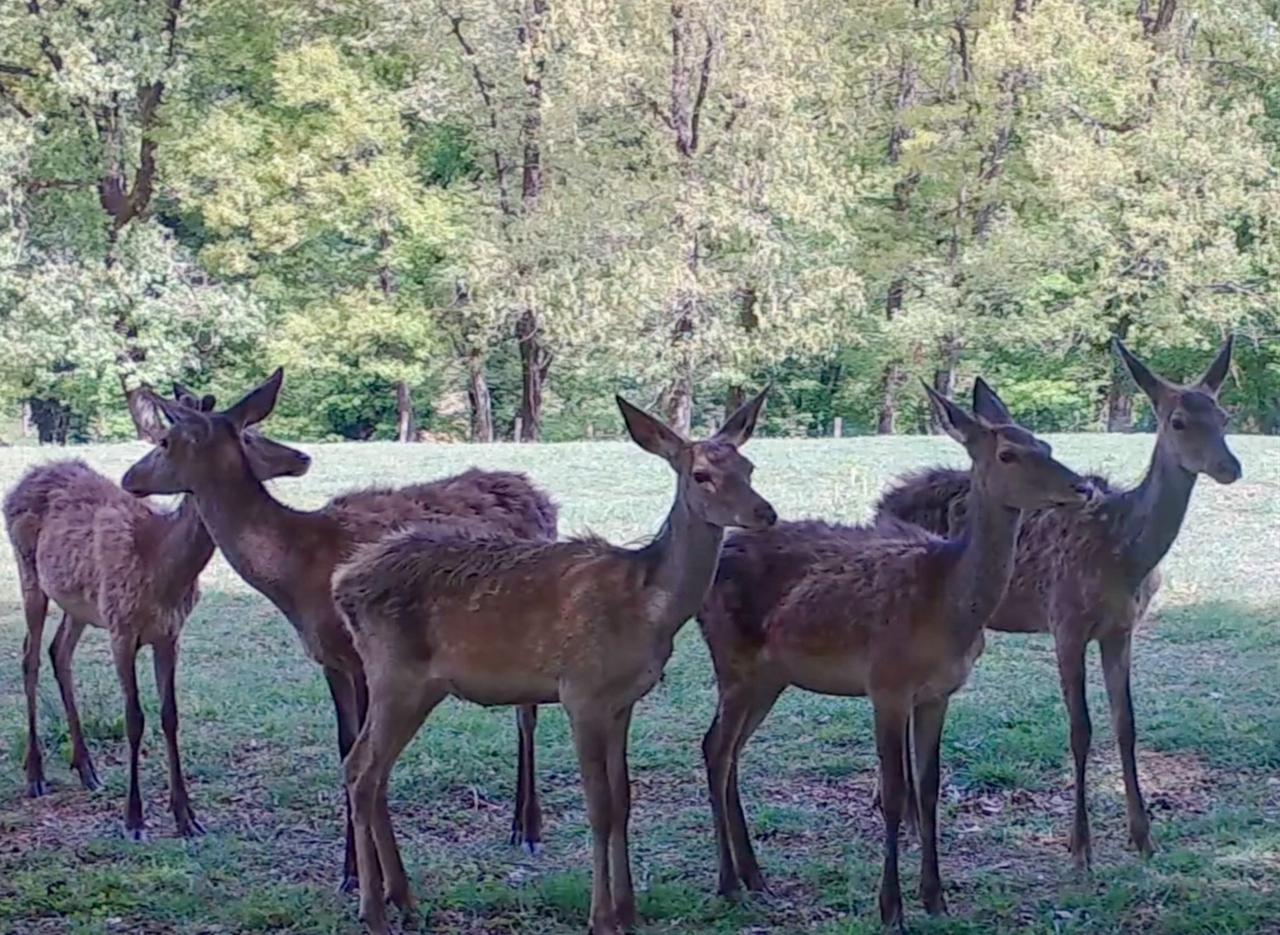

Istanbul's forests are home to mammals such as roe deer, red deer, badgers, jackals, wolves, wildcats, foxes and martens, as well as various snakes and lizards.
Camera traps have captured footage of a wolf pack and brief antler clashes between deer, moments described as showing how natural life continues undisturbed by human intervention.
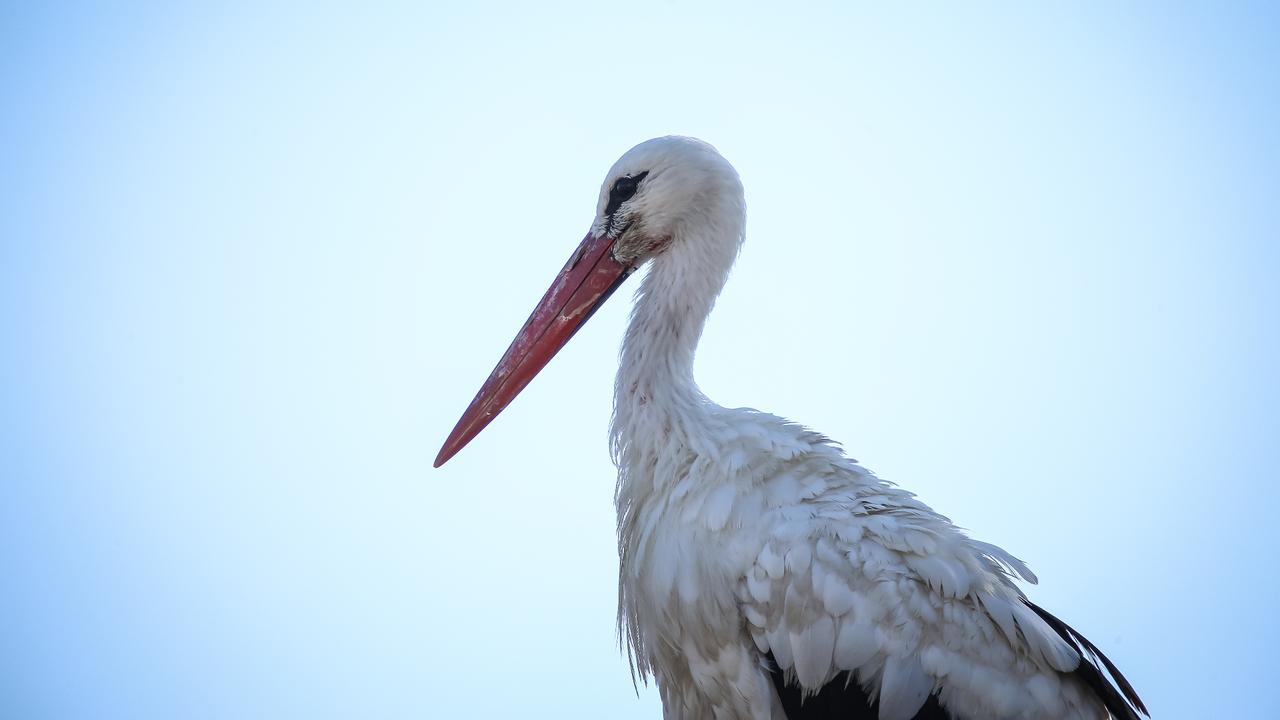
Because the city lies along major bird migration routes, it is also home to 397 bird species, making it a globally significant migratory bird corridor and an internationally important area for both land-dwelling species and migratory birds.
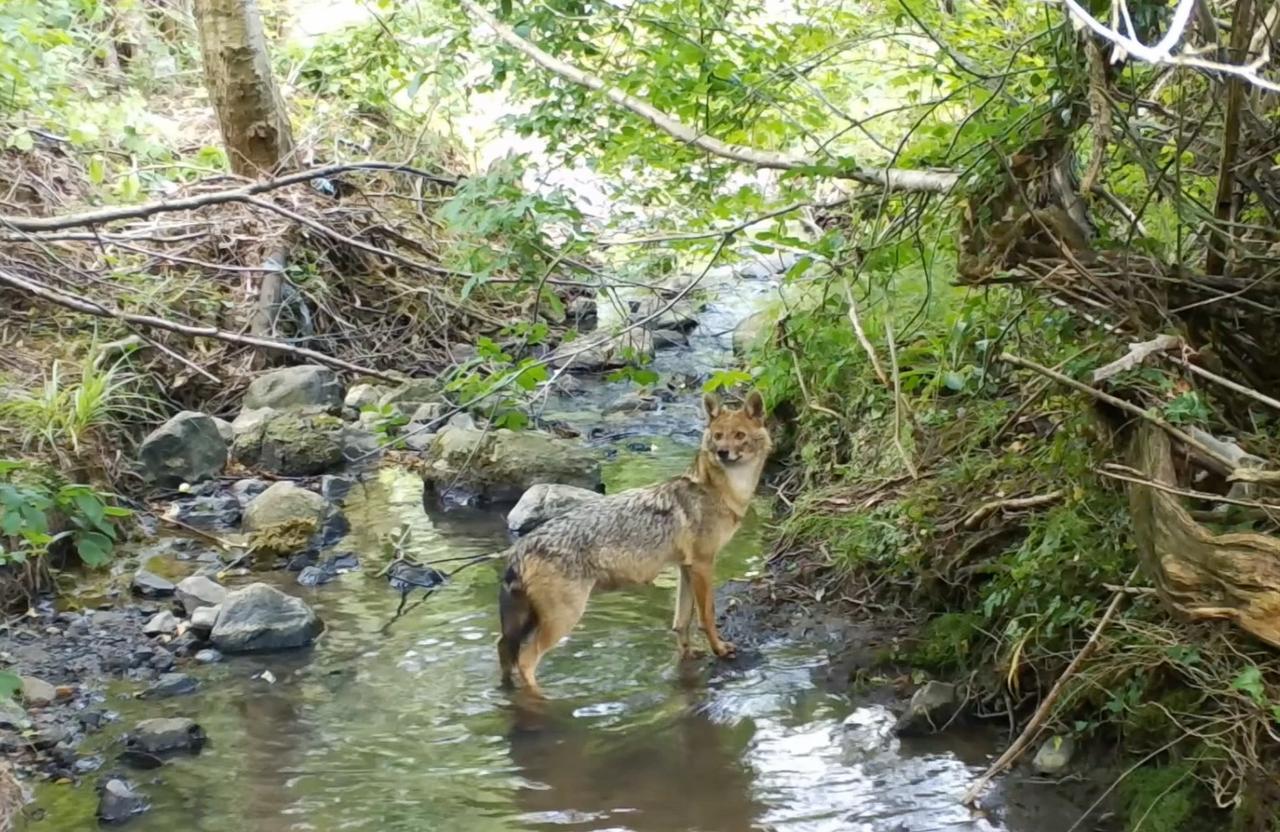
Camera traps are also used in wider conservation work. In the Wildlife Development Areas, population dynamics, feeding habits, and behavior are monitored, supporting regular inventory work on species such as red deer and roe deer.
The footage also helps researchers understand which regions species use, how often, and their seasonal movements and habitat preferences, allowing conservation efforts to be planned using regularly collected data rather than observation alone.
Conservation teams also use the footage to support efforts against illegal hunting. Beyond Istanbul, footage recorded in Sakarya, Kocaeli and Tekirdag, also under the 1st Regional Directorate, has captured additional species and contributes to regional wildlife monitoring.
The DKMP 1st Regional Directorate carries out conservation activities in line with management plans and species-specific action plans. In Istanbul's two designated Wildlife Development Areas, work is guided by science-based management and development plans covering habitat protection, species monitoring and ecosystem sustainability.
As part of action plans for endangered species, conservation efforts continue for rare species such as the golden eagle, while red deer and roe deer populations are tracked through regular inventories.
Breeding stations aimed at strengthening species populations also support these efforts, alongside school programs and public awareness campaigns run with civil society organizations, all aimed at preserving Istanbul's wildlife for future generations.


 Set as preferred source
 Set as preferred source


 1 min read
 1 min read


