Newsletters


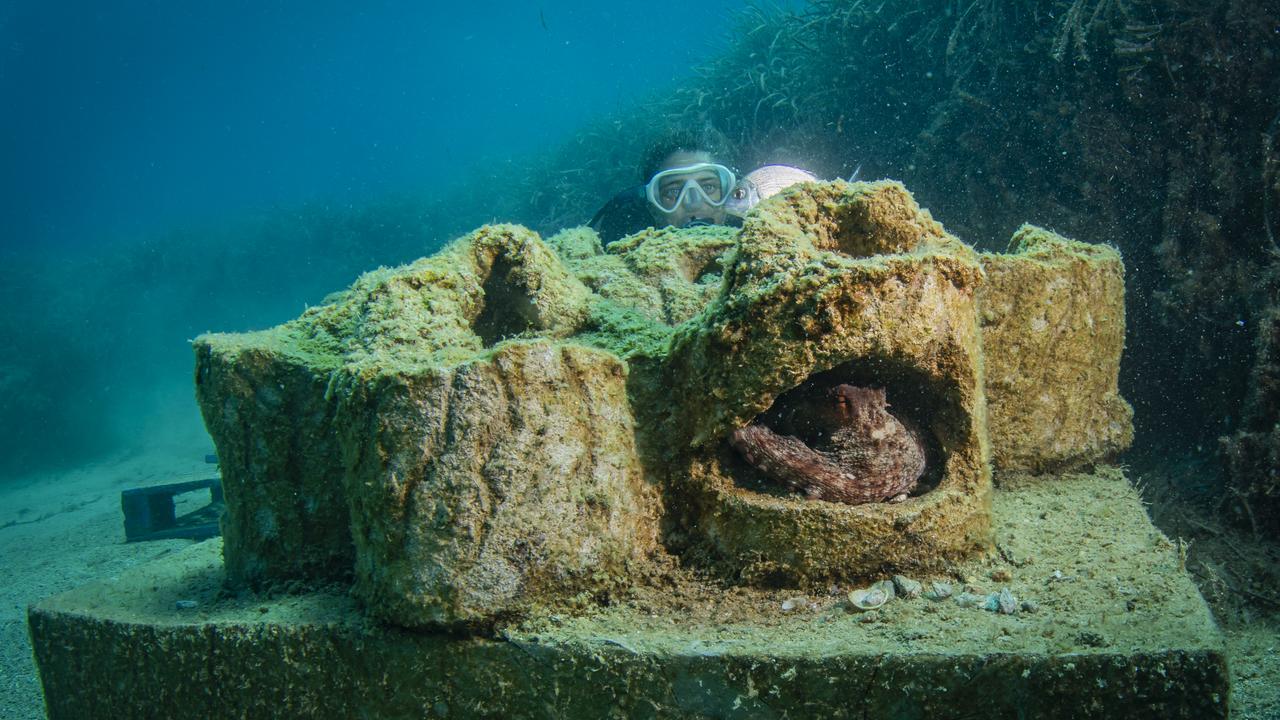
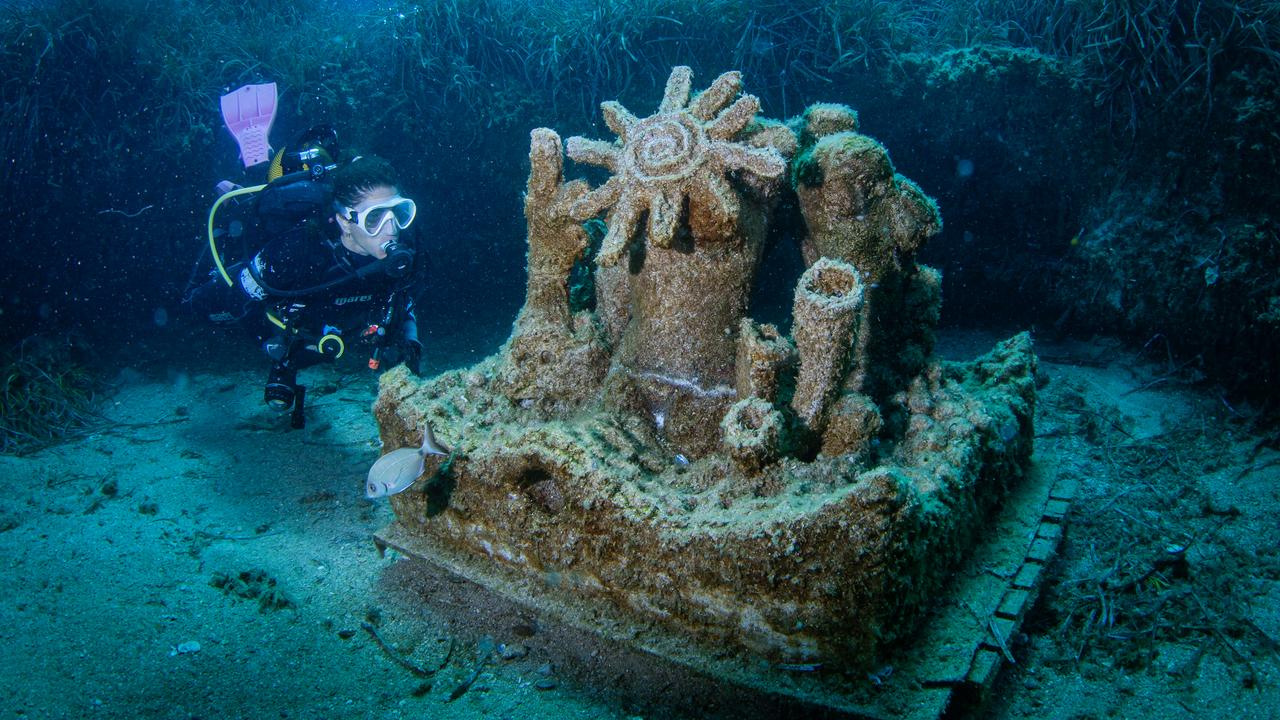
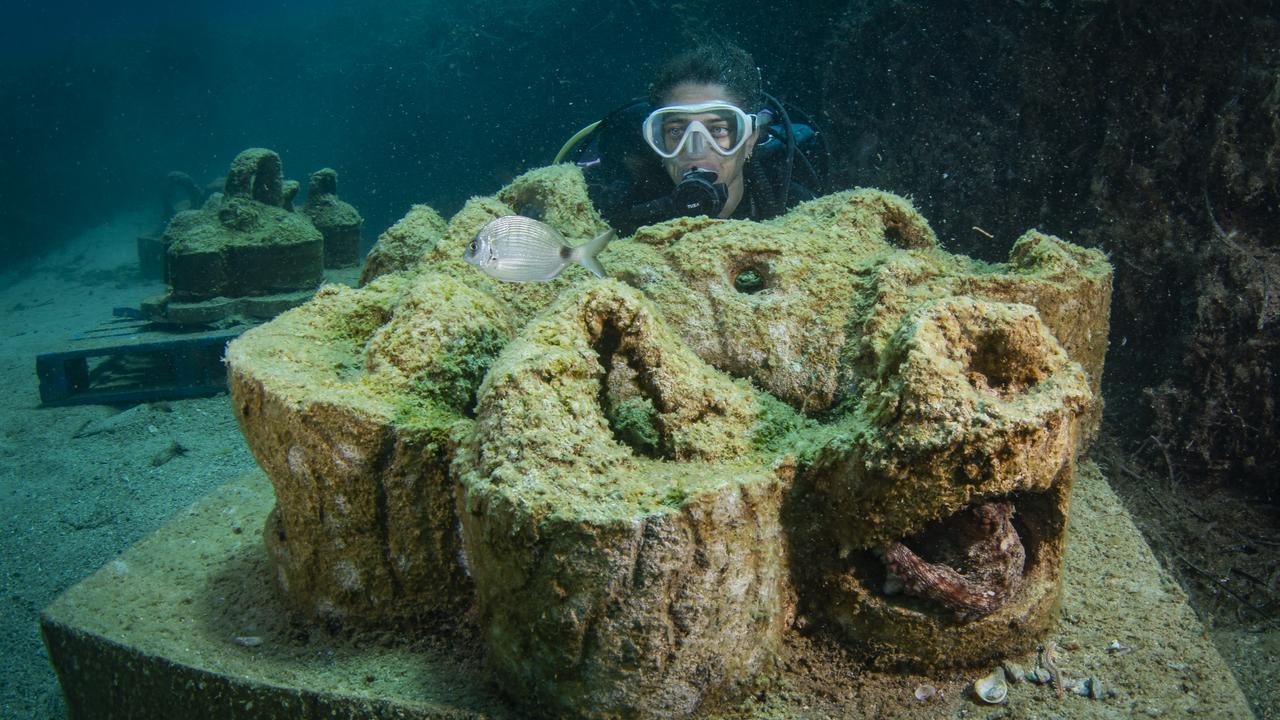
In Izmir's Seferihisar district, a novel environmental project is turning waste into wildlife habitat, as discarded mussel shells are repurposed into artificial reefs beneath the surface of the Aegean Sea.
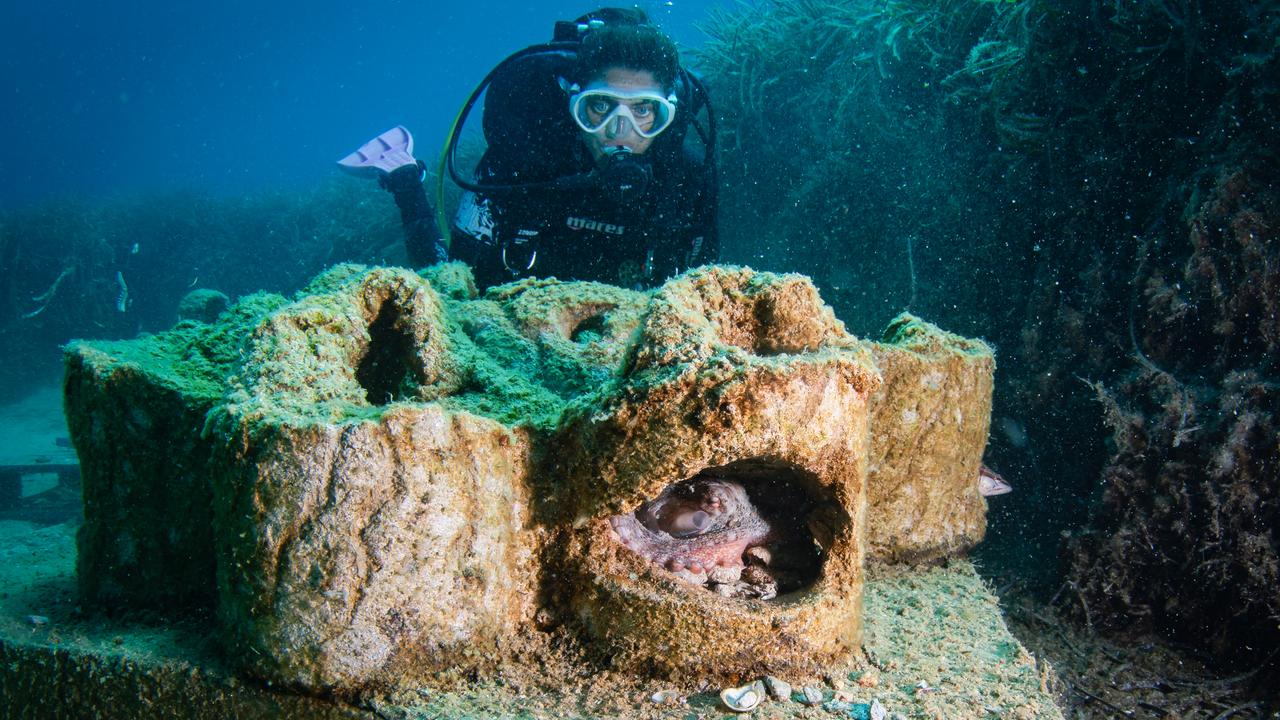
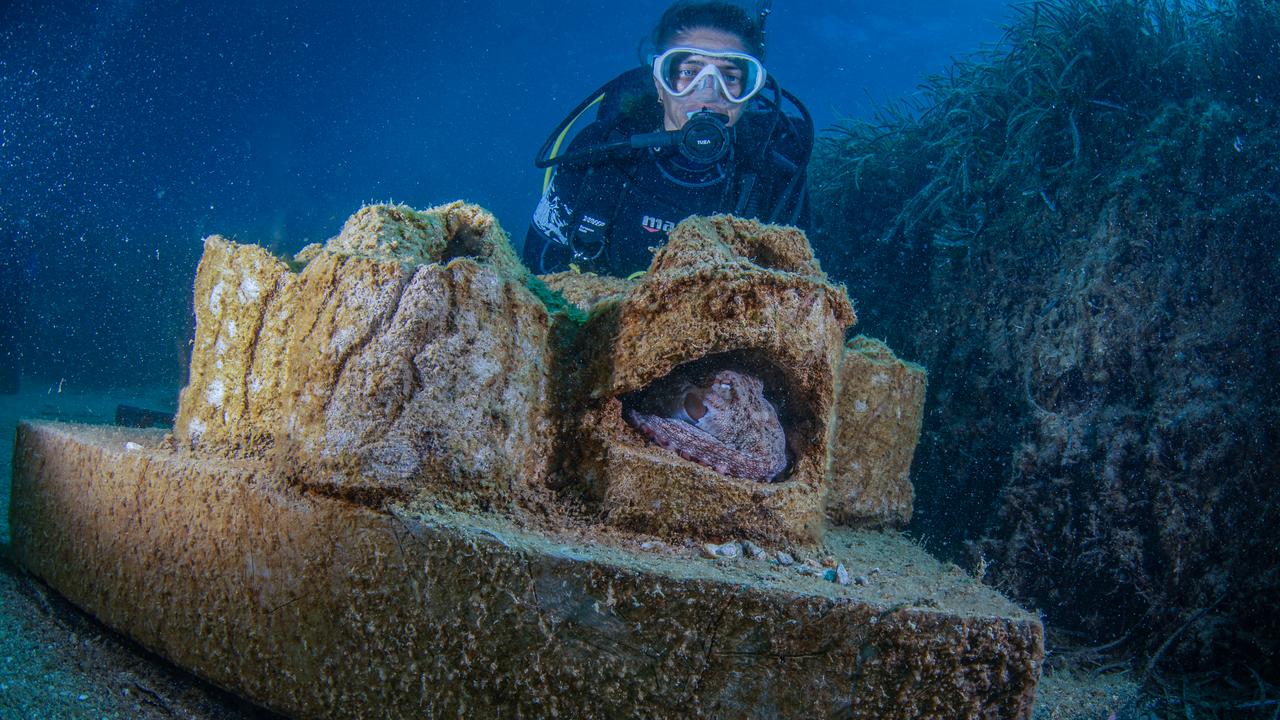
On Aug. 27, at Telgraf Bay in the Sigacik neighborhood, divers documented the reef's first known inhabitant, an octopus that had taken up residence inside the shell structure.
The reef was created by entrepreneur Nermin Sena Ozger, who developed a method of transforming waste mussel shells, typically discarded after seafood consumption, into structures suitable for marine habitation.
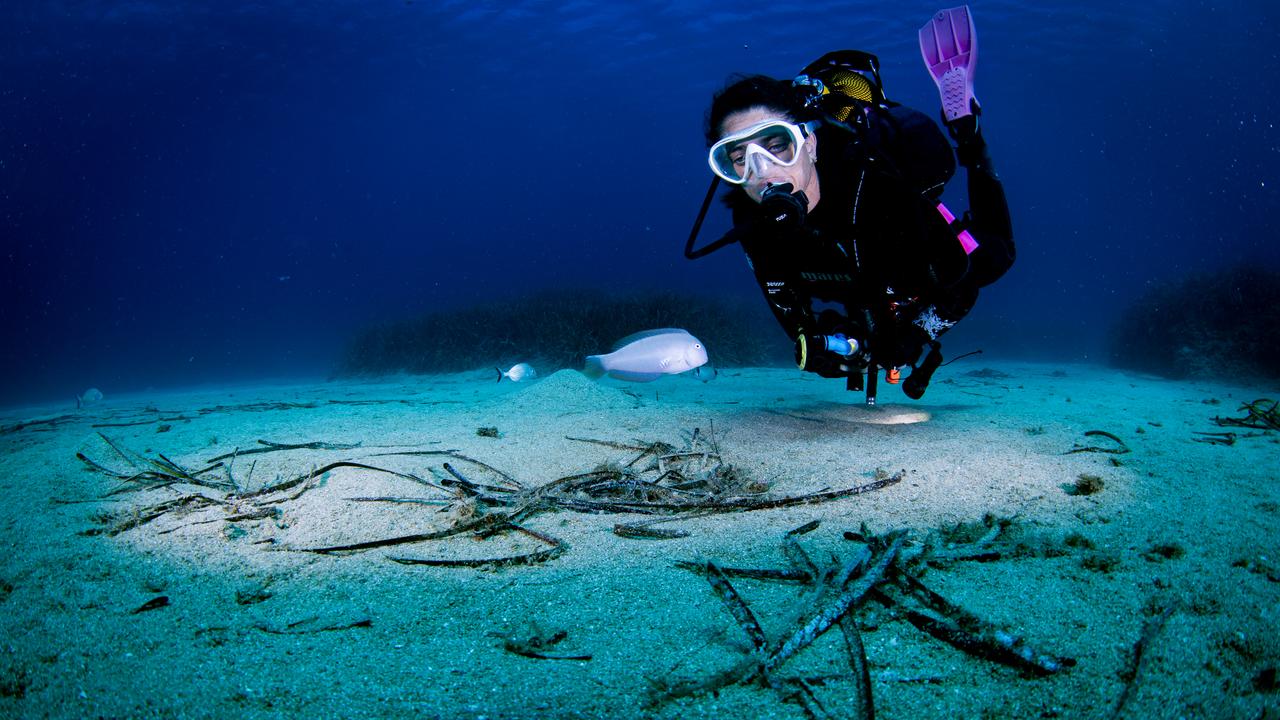
The initiative addresses two challenges simultaneously, diverting tons of organic shell waste away from landfills while providing new shelter and breeding grounds for sea creatures along the coast.
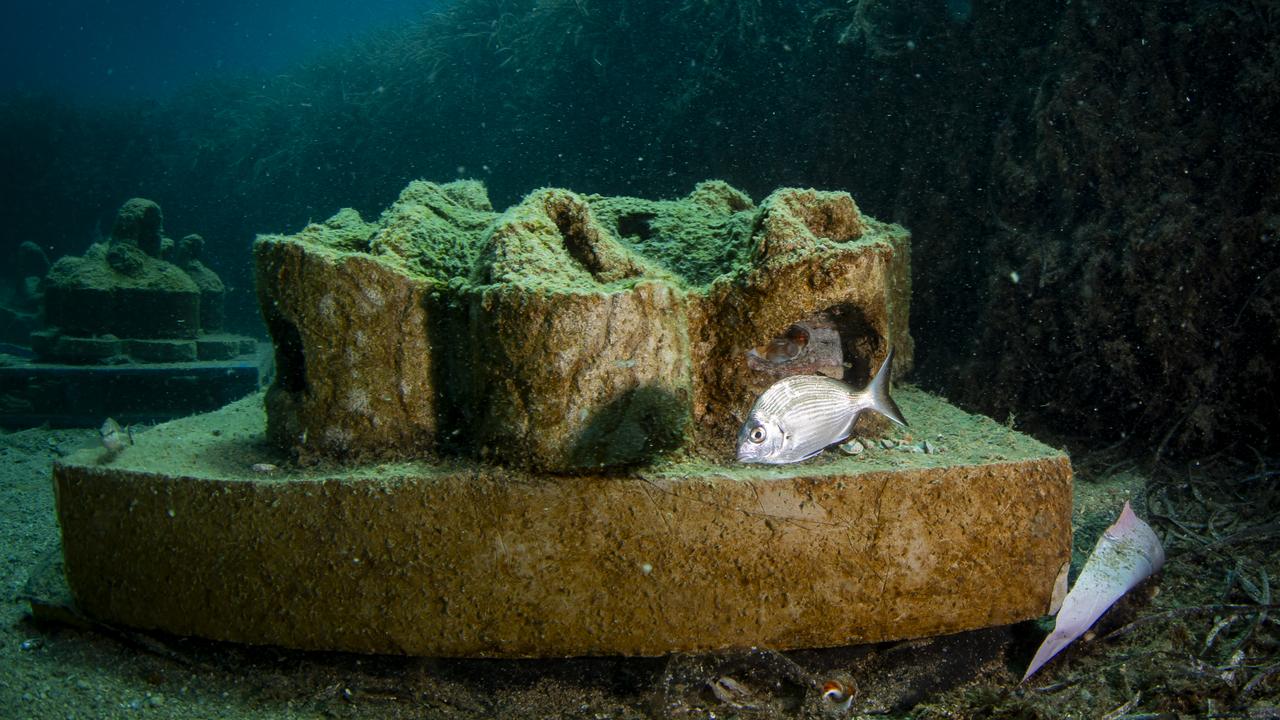
Mussel shells, composed largely of calcium carbonate, are considered a suitable material for reef-building because of their durability and their compatibility with existing marine ecosystems.
Artificial reefs of this kind are increasingly used worldwide as a low-cost, sustainable method of restoring underwater habitats that have been damaged or depleted by pollution, overfishing, and coastal development.
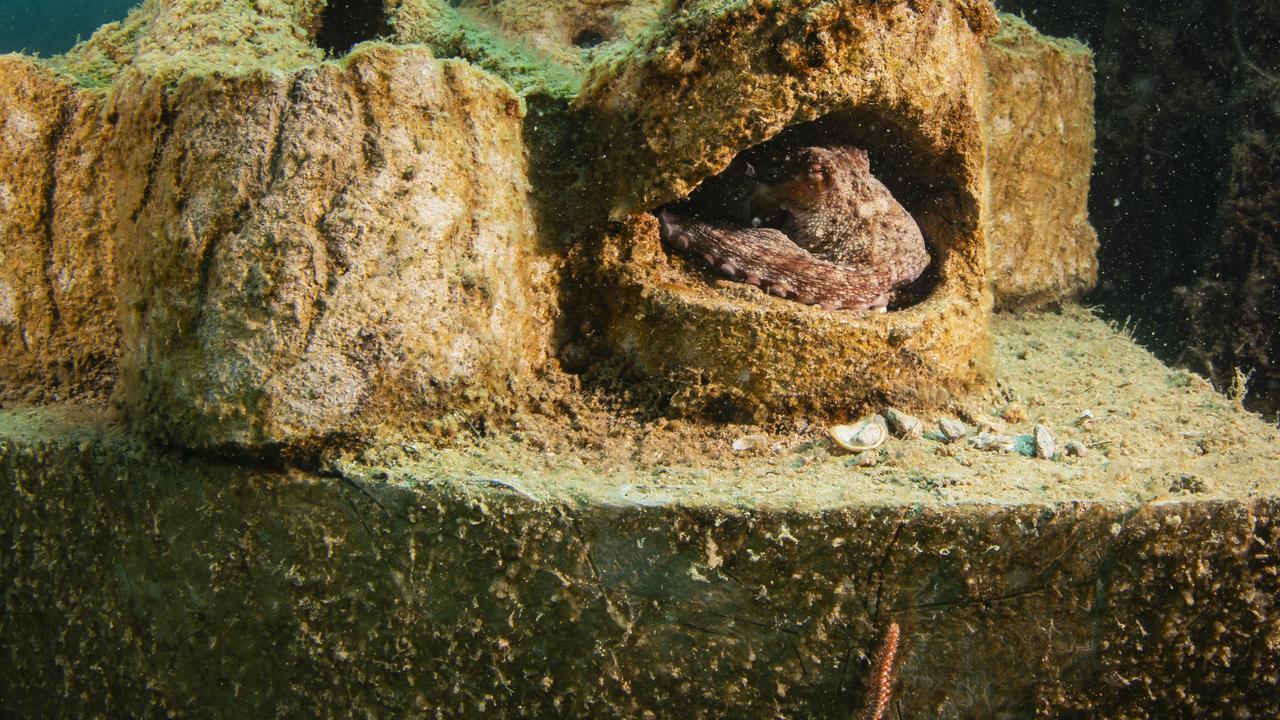
The appearance of the octopus inside the reef structure is being viewed by those involved in the project as an early sign that marine species are willing to adopt the recycled shells as functional habitat.
Türkiye's Aegean coastline, home to a wide variety of marine biodiversity, has increasingly become a testing ground for small-scale environmental projects aimed at combining waste reduction with ecological restoration.
 1 min read


 Set as preferred source