Newsletters


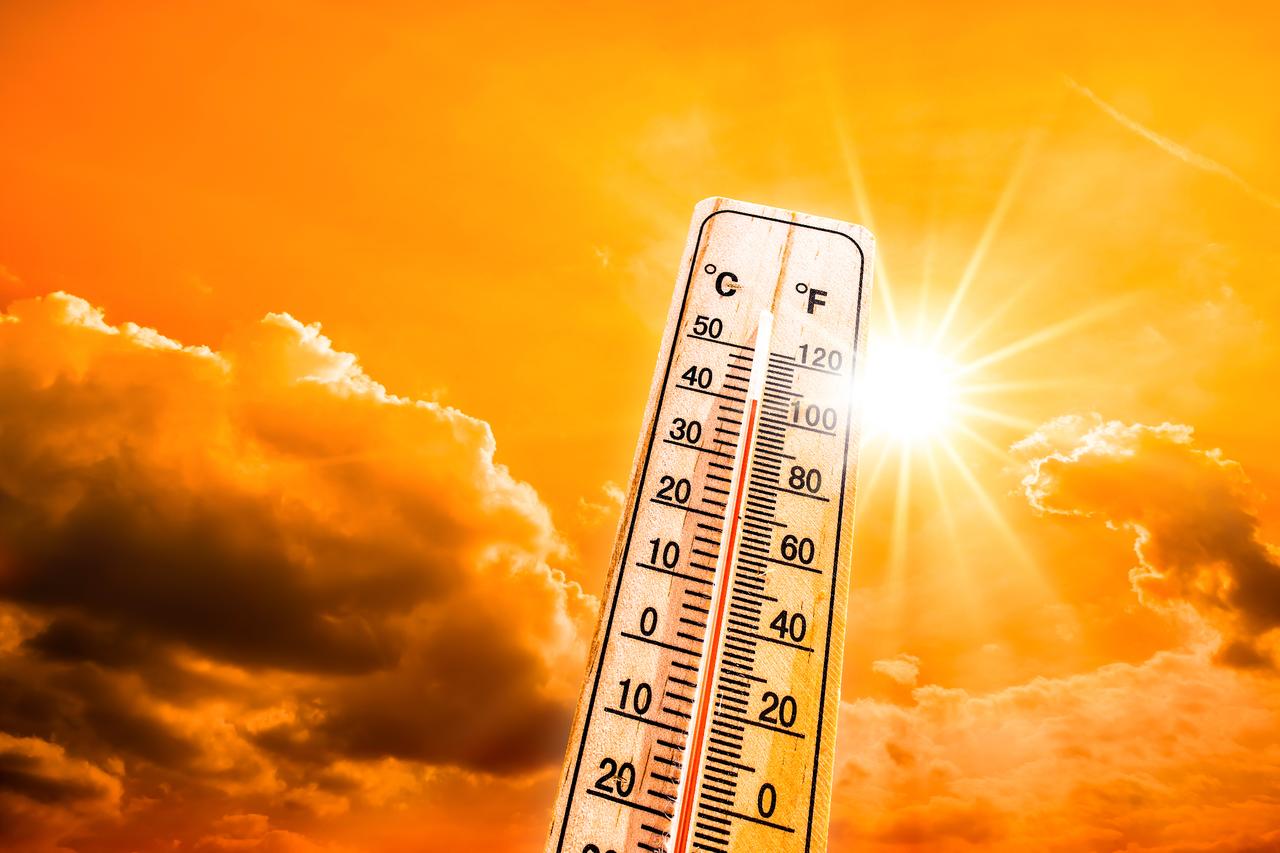


The growing frequency and intensity of extreme weather events linked to climate change are pushing the adaptive capacity of states and communities to the brink, according to the latest annual assessment by the World Weather Attribution (WWA) network.
The 2025 report finds that climate-driven weather extremes affected millions of people worldwide this year, with the impacts falling disproportionately on vulnerable and marginalized populations. Researchers conclude that global temperatures have continued to rise and that heat waves recorded in 2025 were significantly more intense than those observed a decade ago.
According to the report, the global average temperature has increased by approximately 0.3 degrees Celsius since the adoption of the Paris Agreement. Although seemingly limited, scientists warn that this level of warming has already resulted in an average of 11 additional days of extreme heat annually across the globe.
WWA researchers cautioned that many communities were pushed close to the limits of human adaptation during 2025. They stressed that drastically reducing fossil fuel emissions “remains the key policy priority” in order to prevent further escalation of climate-related risks.
Ruben del Campo, spokesperson for Spain’s national meteorological agency AEMET, described the findings as “a new wake-up call from the scientific community for climate action.” He noted that heat waves in Spain are lengthening by nearly three days per decade, a trend that mirrors the global pattern identified in the study.
Froila M. Palmeiro, a researcher at the Euro-Mediterranean Center on Climate Change, said the report reviews the most significant extreme weather episodes recorded in 2025 and assesses their links to human-driven climate change. She emphasized that every fraction of a degree of avoided warming constitutes “a major achievement,” as it helps to reduce the number of extreme heat days experienced worldwide.
The report also highlights structural inequalities in climate vulnerability, noting that the impacts of extreme weather are more severe in many regions of the Global South. Limited climate data coverage and weaker infrastructure in these areas hinder accurate forecasting and complicate adaptation planning.
Anna Cabre, a climate scientist affiliated with the University of Pennsylvania, warned that climate impacts are being felt more acutely in low-income regions, where adaptation challenges are heightened by resource constraints. She called for urgent action to strengthen both mitigation and adaptation efforts at the global level.


 Set as preferred source
 Set as preferred source


 1 min read


 1 min read