Newsletters


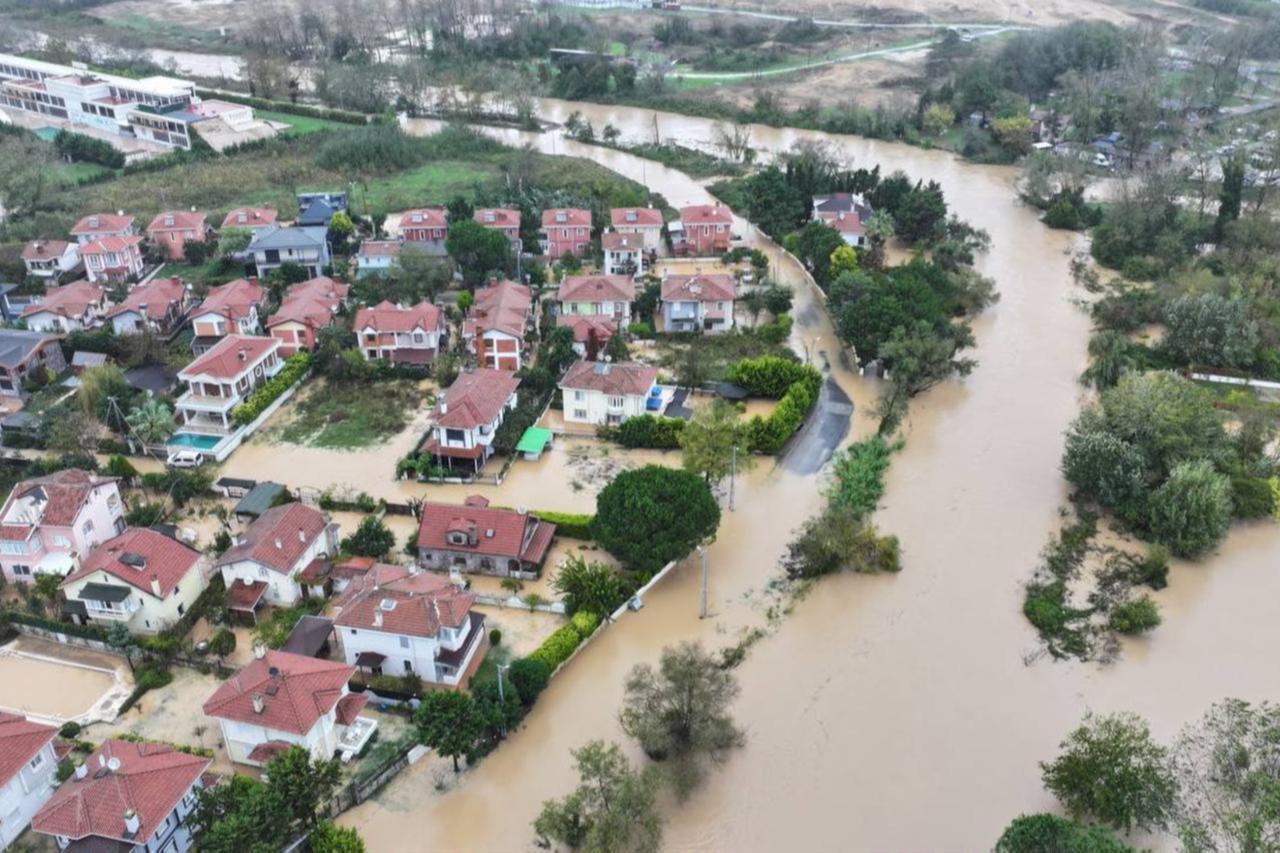


Climate change made the weather system behind Istanbul's deadly Oct. 14 floods are approximately 7% wetter and its winds 9% stronger, according to a new analysis by ClimaMeter, which examines how human-driven climate change and natural climate variability influence extreme weather events.
The findings, released following the disaster that claimed at least nine lives, suggest that rising temperatures have intensified the conditions associated with heavy rainfall across parts of northwestern Türkiye, while highlighting the need to adapt urban infrastructure to a warming climate.
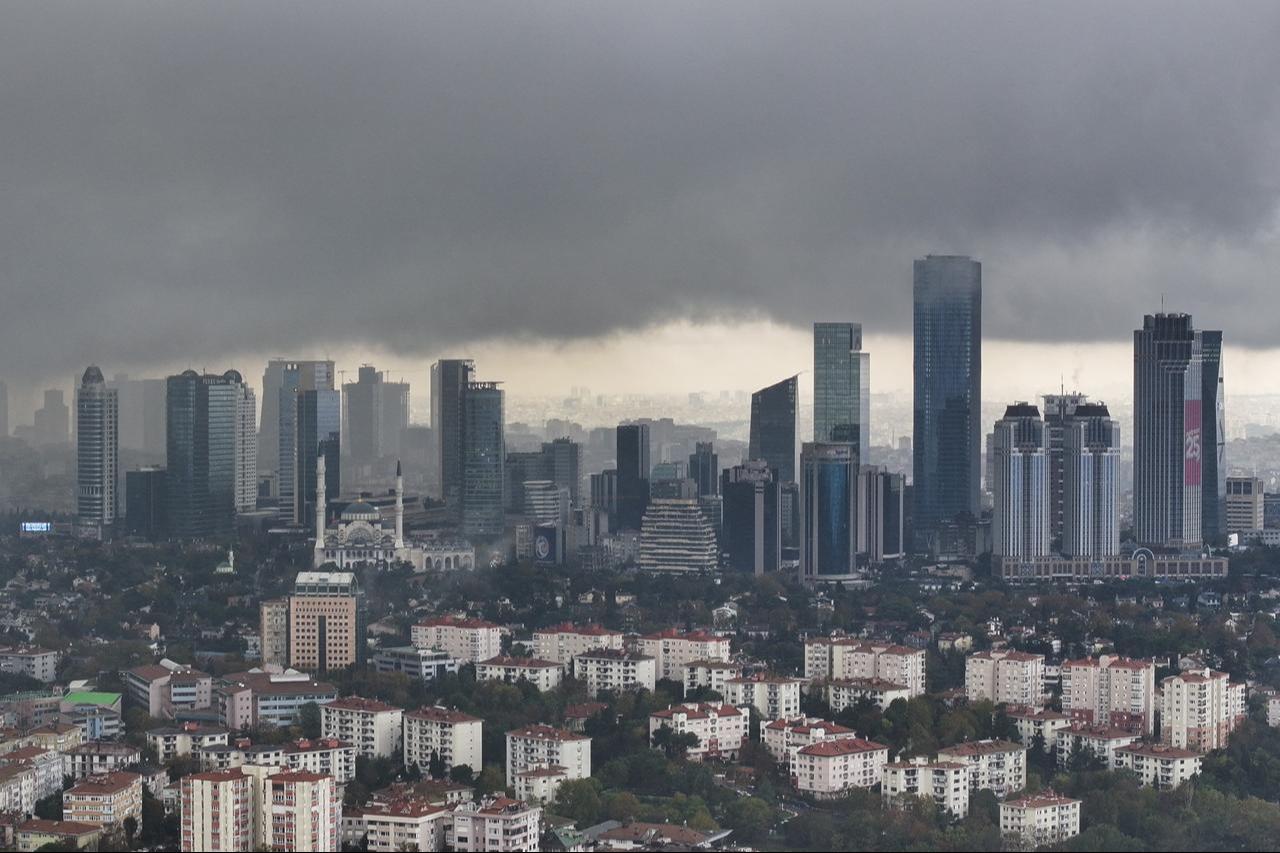

ClimaMeter compared the weather conditions behind the October floods with those recorded between 1950 and 1987, finding that similar weather systems now produce heavier rainfall and stronger winds, alongside temperatures up to 1.5 degrees Celsius higher.
The increase in rainfall was most pronounced across western and northwestern Anatolia, particularly along the Black Sea coast north of Istanbul, while stronger winds were observed over the Aegean and Marmara seas.
The analysis also estimated that approximately 14.6 million people and $558 billion in economic activity were exposed to risks associated with extreme rainfall.
However, the study attributed approximately 3% of rainfall-related damage to climate change, distinguishing its contribution from the broader impacts of the disaster.
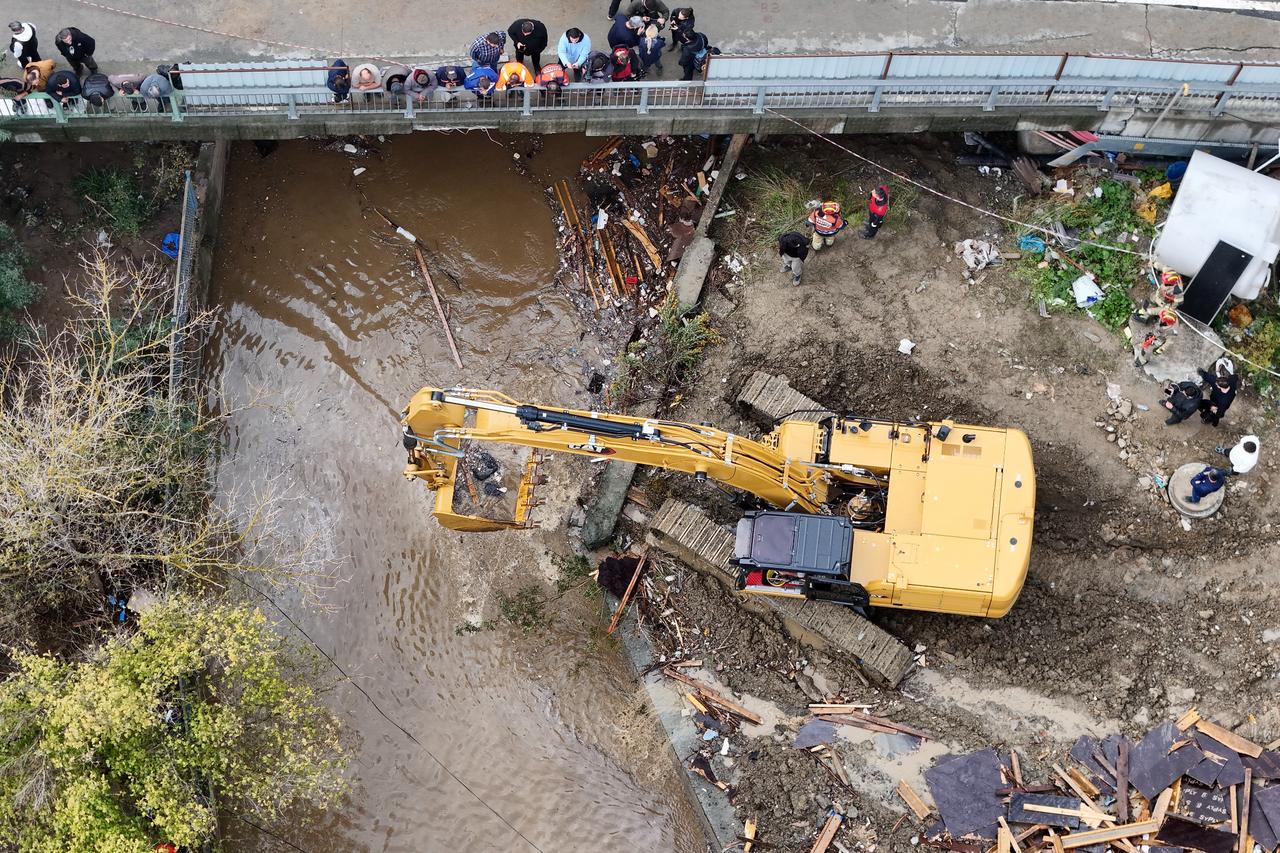
Dr. Davide Faranda of the Pierre-Simon Laplace Institute, affiliated with France's National Center for Scientific Research, said the findings showed that the weather system responsible for the flooding had brought about somewhat heavier rainfall and stronger winds compared with previous decades.
Faranda emphasized that drainage systems and urban planning should be designed to cope with the increasingly intense rainfall associated with a warming Mediterranean region.
Meanwhile, Dr. Haosu Tang of the University of Sheffield cautioned that climate change does not necessarily need to produce exceptionally powerful storms to influence extreme weather risks.
Tang explained that although the researchers detected heavier rainfall in areas surrounding Istanbul, they found no statistically significant change directly over the city itself.
He stressed individual floods should not automatically be blamed on climate change, while the absence of a clear local signal should not be interpreted as evidence that climate-related risks do not exist.
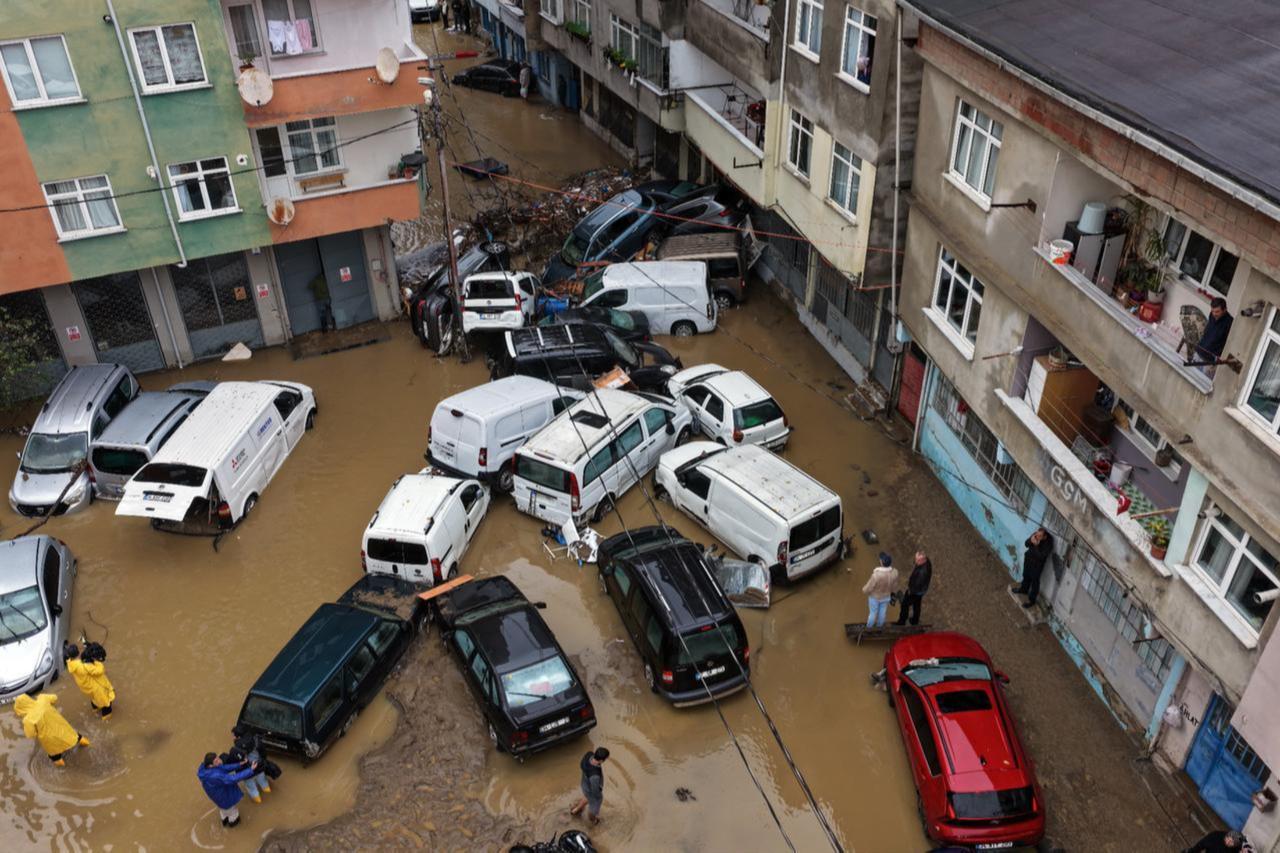
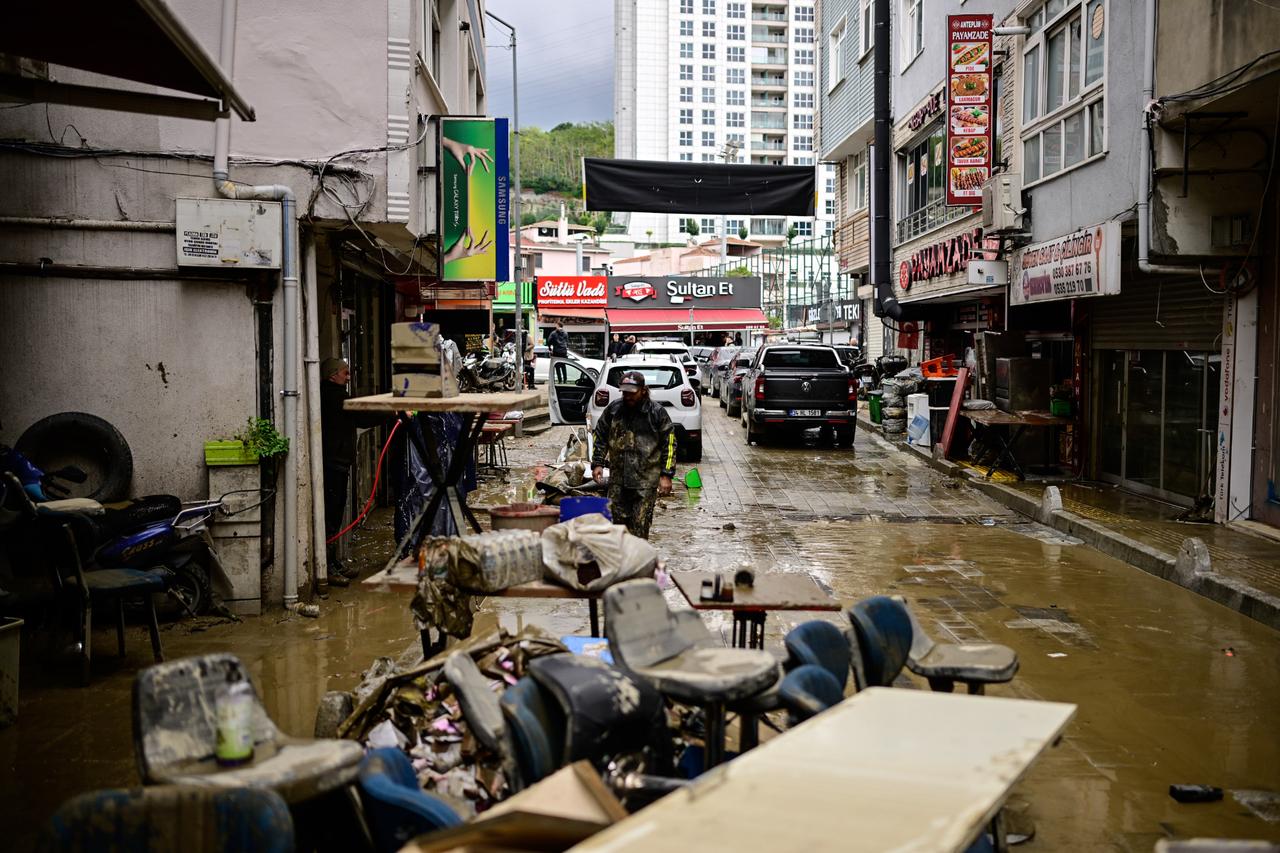
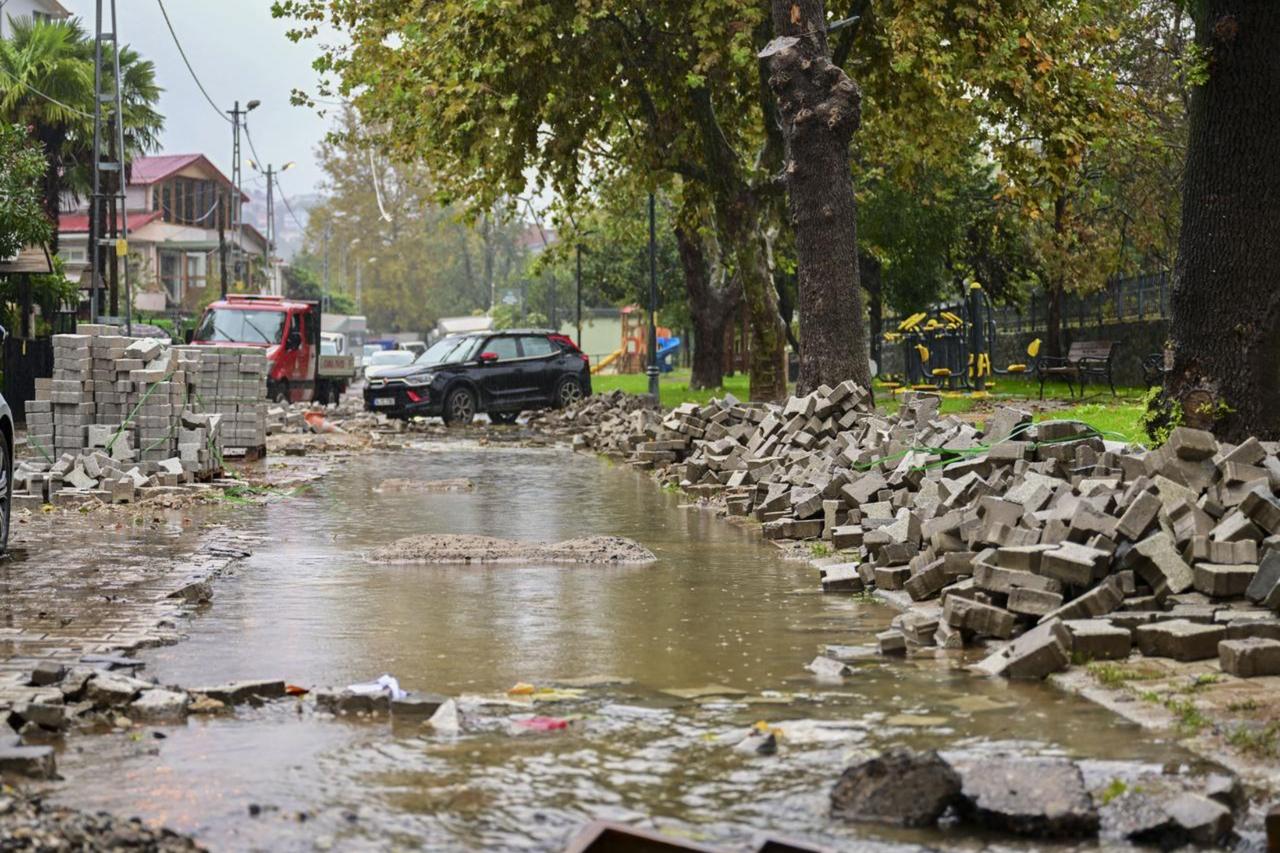
The Oct. 14 flooding caused widespread disruption across Istanbul, with authorities recording 1,277 flooding incidents and 15 landslides.
Emergency teams evacuated 595 people as the severe weather swept through the city, while at least nine people were reported dead.
The ClimaMeter findings underline the importance of reassessing drainage infrastructure and urban development practices as changing weather conditions bring additional pressure to Istanbul and surrounding regions.


 Set as preferred source
 Set as preferred source


 1 min read
 1 min read