Newsletters


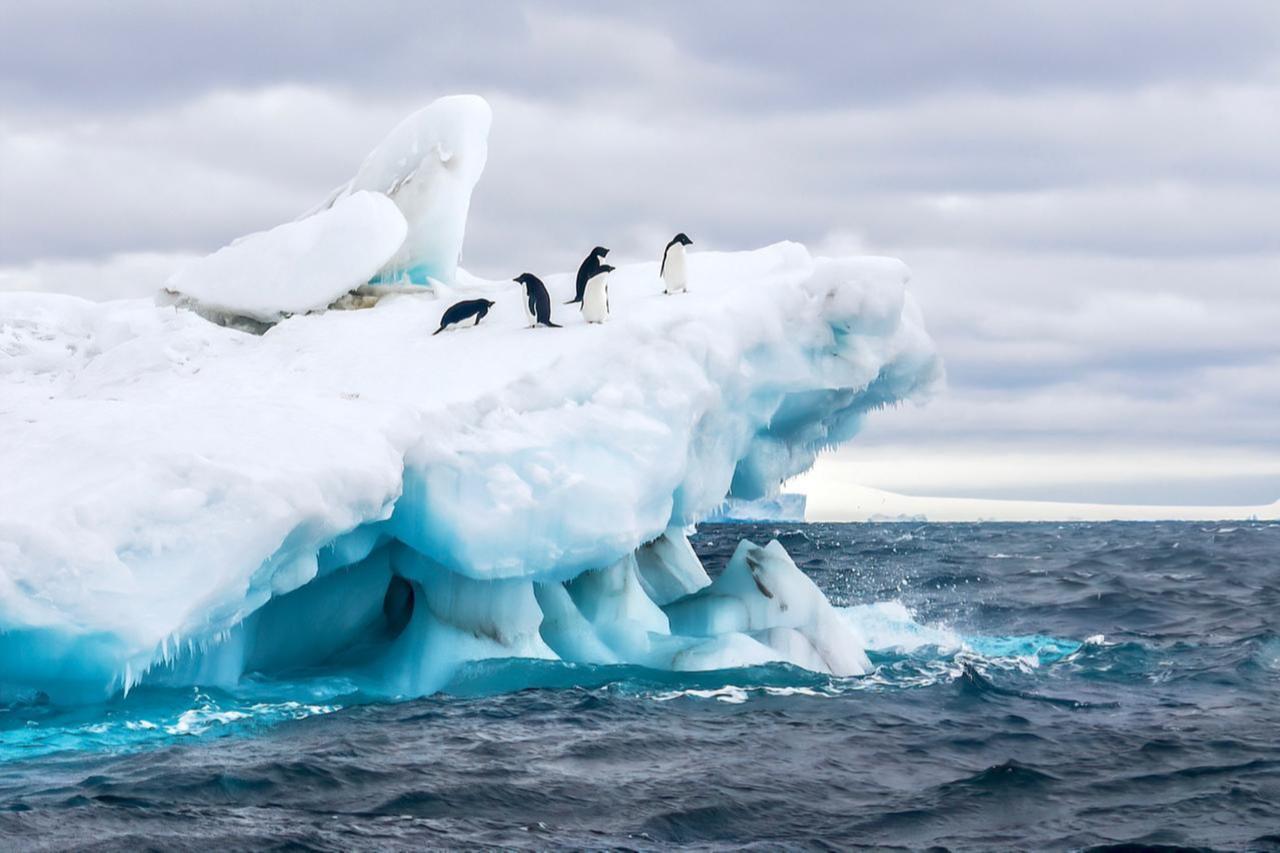


Damaged ecosystems may not always move in one direction toward collapse.
Under the right conditions, scientists say the same self reinforcing forces that push forests, reefs and waterways into decline can also help drive them back toward recovery.
Tim Lenton, professor of climate change and Earth system science at the University of Exeter, argues that these “positive tipping points” could become an important part of global efforts to restore ecosystems and protect biodiversity.
In an interview with Live Science, Lenton said tipping points are usually discussed as warnings, especially in relation to climate breakdown, coral reef dieback, permafrost thaw or possible Amazon rainforest loss. But he said the same concept can also apply to ecological recovery.
“A tipping point, in general, is where a small change makes a big difference to a system,” Lenton said, explaining that feedbacks can become strong enough to move a system from one state to another.
“A positive tipping point is one that we’re going to normatively decide is good,” he added, describing it as a shift that ecologists would recognise as “nature positive.”
The idea matters because international restoration targets, including the goal of conserving 30% of land and water by 2030, depend not only on slowing destruction but also on finding the conditions that allow damaged ecosystems to recover.
Lenton pointed to Yellowstone National Park in the United States as one of the clearest examples.
Wolves were hunted to local extinction in Yellowstone around 1926. Without them, elk and other grazing animals expanded and fed heavily on young trees and vegetation, weakening plant life around rivers and streams.
When wolves were reintroduced in 1995 and 1996, their return changed the behaviour and pressure of grazing animals. That process, known as a trophic cascade, helped vegetation recover, especially around waterways.
A similar pattern occurred along the Pacific West Coast of North America, where sea otters had been hunted to local extinction in the 18th and 19th centuries. Without otters, sea urchins multiplied and ate through kelp forests, damaging the wider marine ecosystem.
As otter populations recovered through hunting restrictions and deliberate reintroductions, they began eating urchins again, allowing kelp forests to return.
“Otters come back, eat urchins; kelp bounces back; and the whole ecosystem is reinstated,” Lenton said.
Lenton warned that ecological recovery is rarely as simple as removing the original source of damage.
Once an ecosystem shifts into a degraded condition, that condition can become stable. A polluted lake, a seaweed-dominated reef or a heavily grazed landscape can begin to maintain itself through feedbacks that make recovery harder.
“If you want to tip back to a nature positive state, you’ve got to get to the point where you destabilise the undesirable state or give the system a big shove,” Lenton said.
He cited England’s Norfolk Broads, where excessive nutrients had damaged shallow lakes and waterways. Reducing phosphorus runoff back to the level that first caused the damage was not enough. The pressure had to be reduced much further before recovery could take hold.
Still, he said the same logic offers some hope. Once recovery begins, a healthier state can also become self-sustaining.
“When you have tipped recovery, the good thing to know about is that that has its own irreversibility,” he said. “It cuts both ways.”
Lenton’s focus on recovery does not mean he downplays the danger of negative tipping points.
He said the possible collapse of the Atlantic Meridional Overturning Circulation, known as AMOC, is his greatest concern because of the disruption it could cause to societies around the world.
In the natural world, he pointed to coral reefs as one of the most alarming cases, saying widespread coral reef dieback is concerning because reefs support at least a quarter of marine biodiversity, and hundreds of millions of people depend on them for livelihoods.
He also named the Amazon rainforest as another major concern, especially if the world approaches a threshold that could lead to the loss of the forest or large parts of it.
For Lenton, positive tipping points are not a reason to ignore ecological risk. They are a way to understand how restoration might happen at scale, if people work with the feedbacks that already exist in nature.
“I want people to take away a sense of empowerment or agency,” he said.
He also said individuals can contribute through diet choices, local conservation work, community gardens, wildlife groups and replanting projects. Reducing red meat consumption, he argued, could bring “a disproportionate benefit for nature,” though he stressed that he was not saying everyone needs to become vegetarian or vegan.
The central point is not that damaged ecosystems recover automatically. Lenton’s argument is more demanding than that. Recovery is possible, but only when societies push hard enough to break the feedbacks that keep damaged systems locked in place.


 Set as preferred source
 Set as preferred source



 3 min read