Newsletters


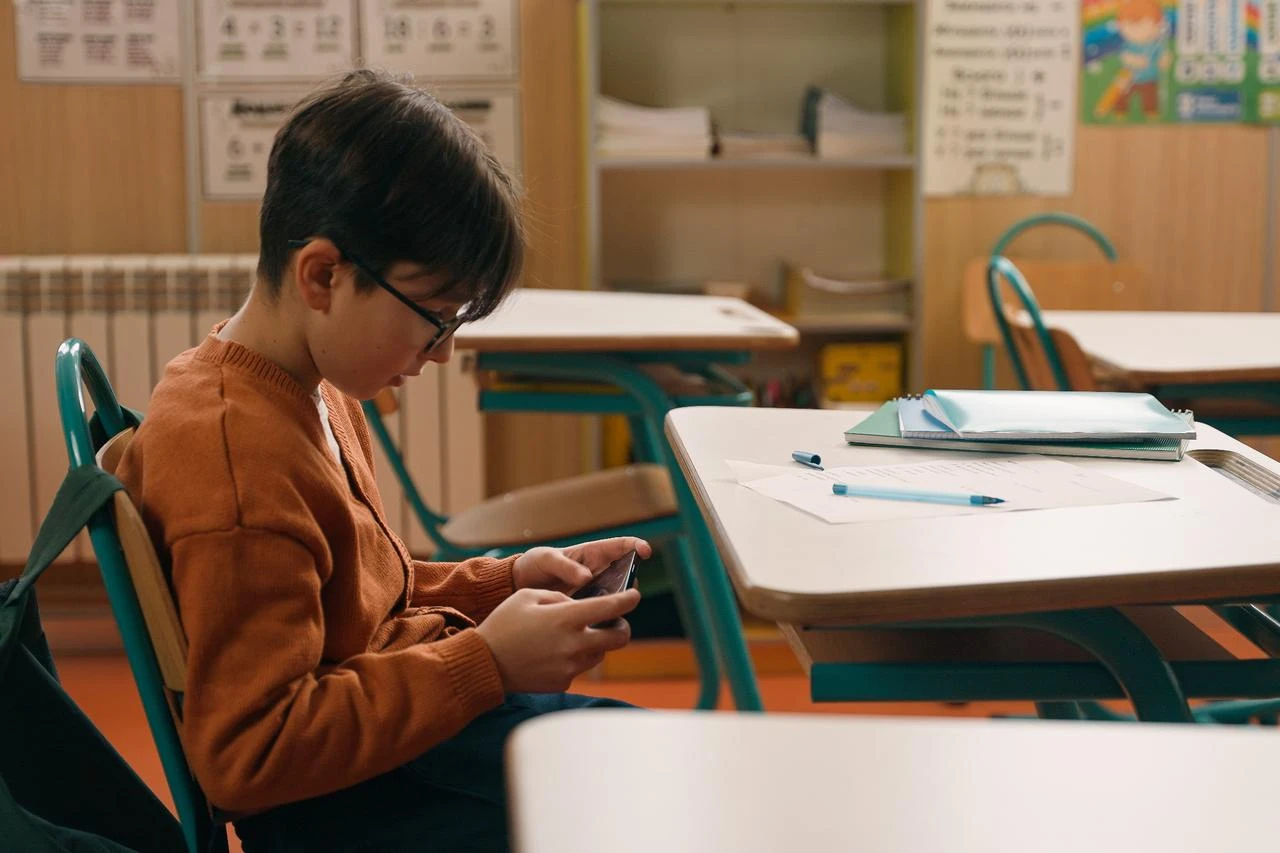


Italian students who register for social media accounts earlier in youth achieve lower test results in specific academic disciplines than their classmates.
Researchers from the University of Milano-Bicocca surveyed the social media habits of more than 5,000 Italian students and analyzed their test scores in math, Italian, and English.
Among the 13- and 14-year-olds surveyed, those who created their first social media accounts between the ages of 11 and 12 performed worse on exams than those who did not create accounts until at least age 14.
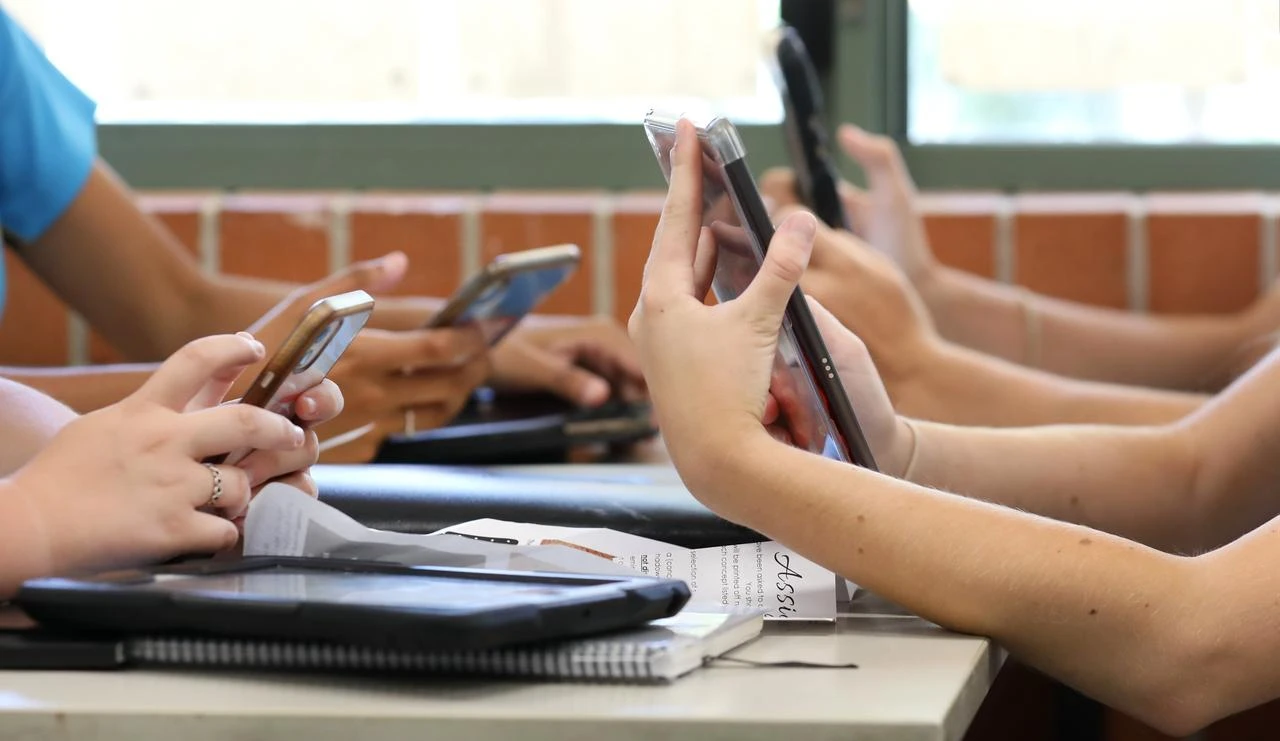

According to an article by The Guardian, the study found that the performance gap was significant in math and Italian, but no such effect was observed in English, suggesting that a large share of the content consumed by the surveyed students on social media may already have been in English, providing incidental exposure and practice.
By age 15 to 16, this score disparity remained constant in Italian and widened in math, representing an academic lag roughly equivalent to six months of schooling, or about half the performance gain typically achieved through intensive tutoring.
Researchers noted that frequent phone checking throughout the day and night strongly predicted this gap, speculating that a continuous state of alert and distraction from physical-world tasks like homework contributed to the decline.
The research team controlled for external factors including family structure, parental education, and academic performance before social media adoption.
Marco Gui, an associate professor of sociology, the study of human society and social behavior, and one of the study's authors, said that while the findings are complex, the research suggests that social media use is problematic, at least during the pre-adolescent period.
Gui noted that while emergency policies like age-based bans are being introduced in countries like Australia and proposed in the U.K., broader efforts must focus on making platforms less addictive and reducing their social relevance for minors.
Independent experts, including Dennis Ougrin, a professor of child and adolescent psychiatry at Queen Mary University of London, added that the findings emphasize supporting healthy digital habits rather than relying solely on bans. The findings were published in the journal Nature Human Behavior.


 Set as preferred source
 Set as preferred source


 1 min read

 1 min read