Newsletters


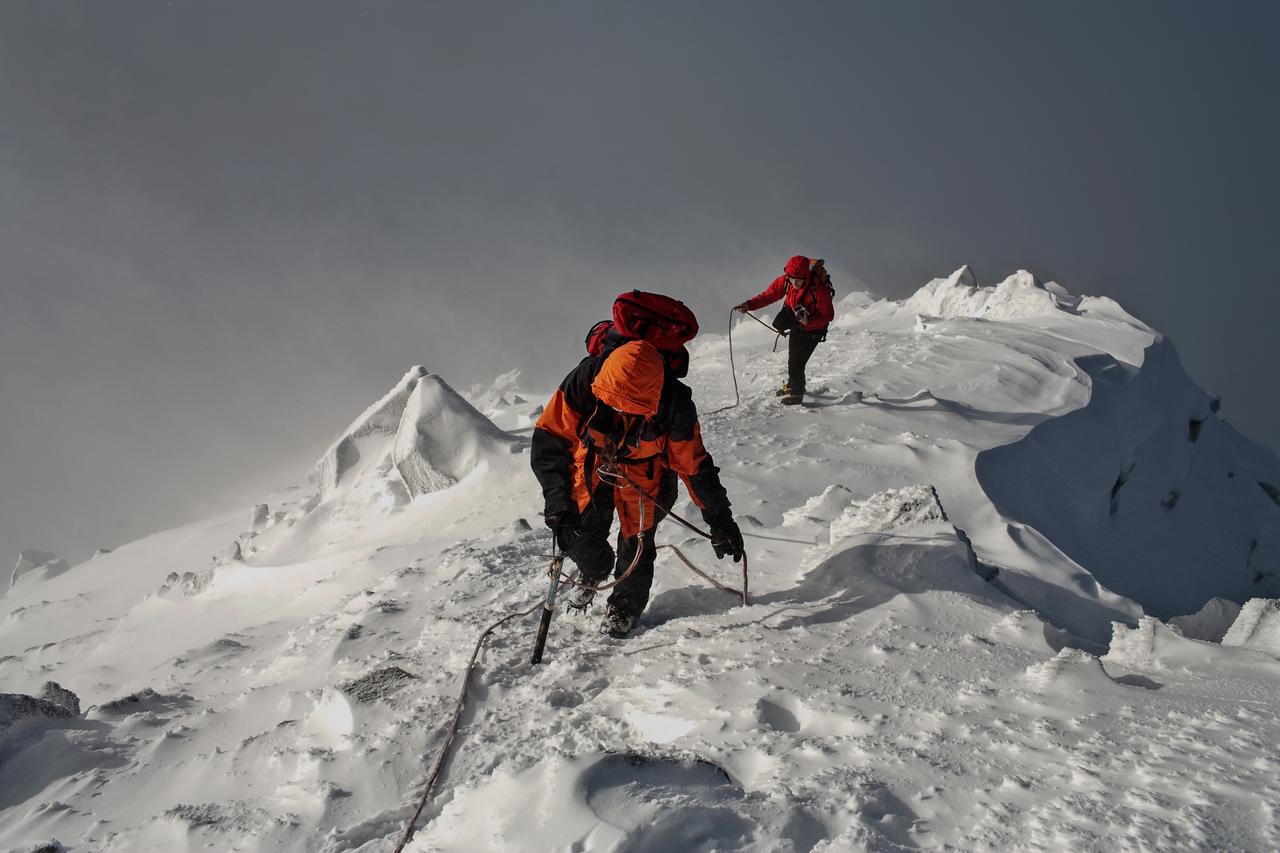


Mount Everest stands 29,032 feet (8,849 meters) above sea level, but geologists say it may not be the tallest mountain ever to have existed.
Experts told Live Science that evidence preserved in Earth's crust offers clues about where higher peaks may have stood hundreds of millions of years ago, although the exact highest summit cannot be identified.
Alan Collins, a professor of geology at Adelaide University in Australia, said researchers lack the level of detail needed to pinpoint one summit from such a distant past. "We're never going to get that granularity," Collins said.
Residual sediments lodged inside the crust still hint at the scale of vanished snowcaps and summits. Scientists study these crusts to understand how deep they extended, which can indicate how tall the mountains above them may have been.
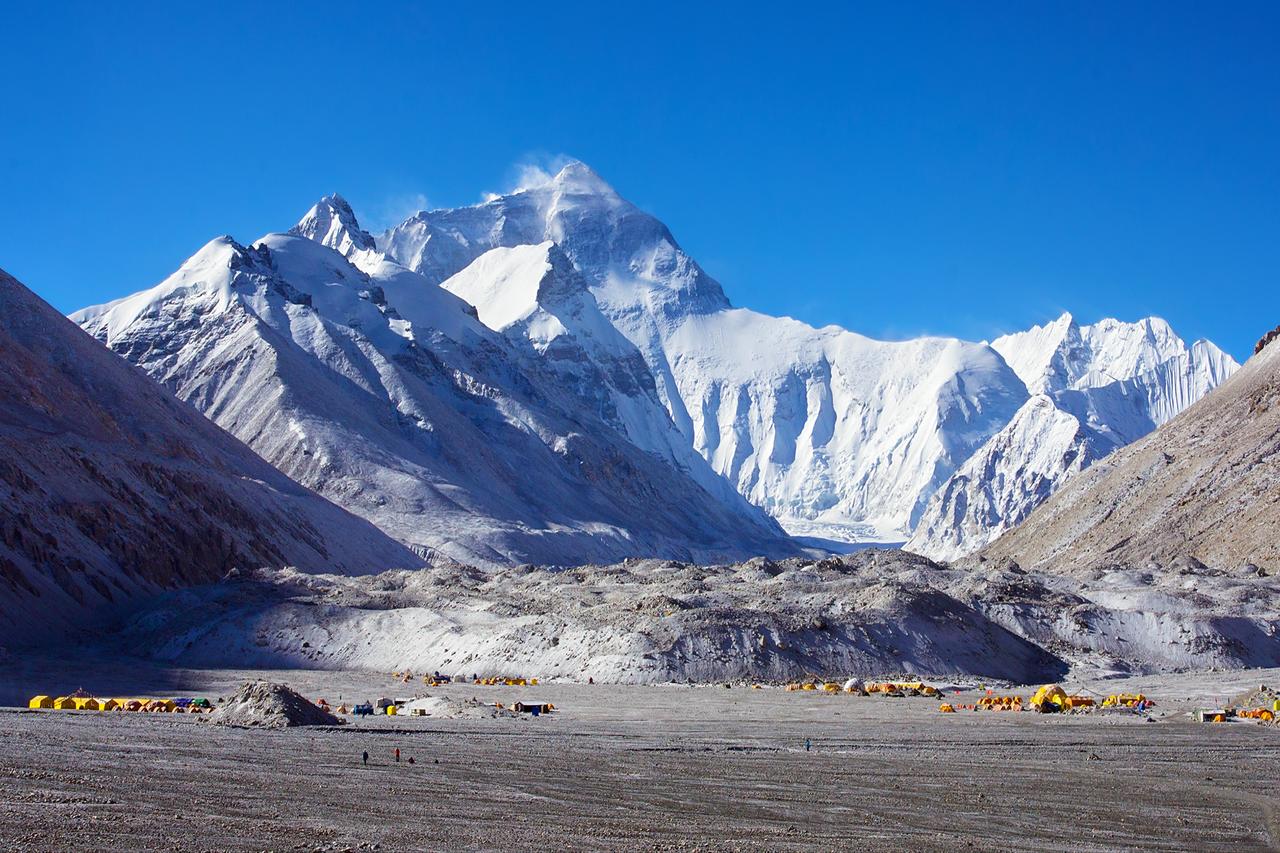

Mountains are parts of the continental crust that are thrust upward as tectonic plates slowly collide. Most of this heavy crust lies below the surface.
Collins and Ziyi Zhu, a geochemist at Curtin University in Australia, both compared mountains to icebergs, with only a small portion visible above ground. Zhu said it can be argued that the biggest mountain stood where the crust had deep roots.
Geologists estimate the crustal column beneath the Himalayas reaches as far as 50 miles (80 kilometers) down. Against Everest's elevation of about 29,000 feet (9,000 meters), the world's tallest mountain represents at most 14% of the rock slab it belongs to.
This indicates a limit to how tall mountains can grow before collapsing under their own weight.
The Himalayas began forming between 50 million and 40 million years ago, when the Indian and Eurasian plates collided.
The range is relatively young, which partly explains its height, since tall and jagged mountains erode quickly. The Himalayas continue to grow as the plates keep colliding.
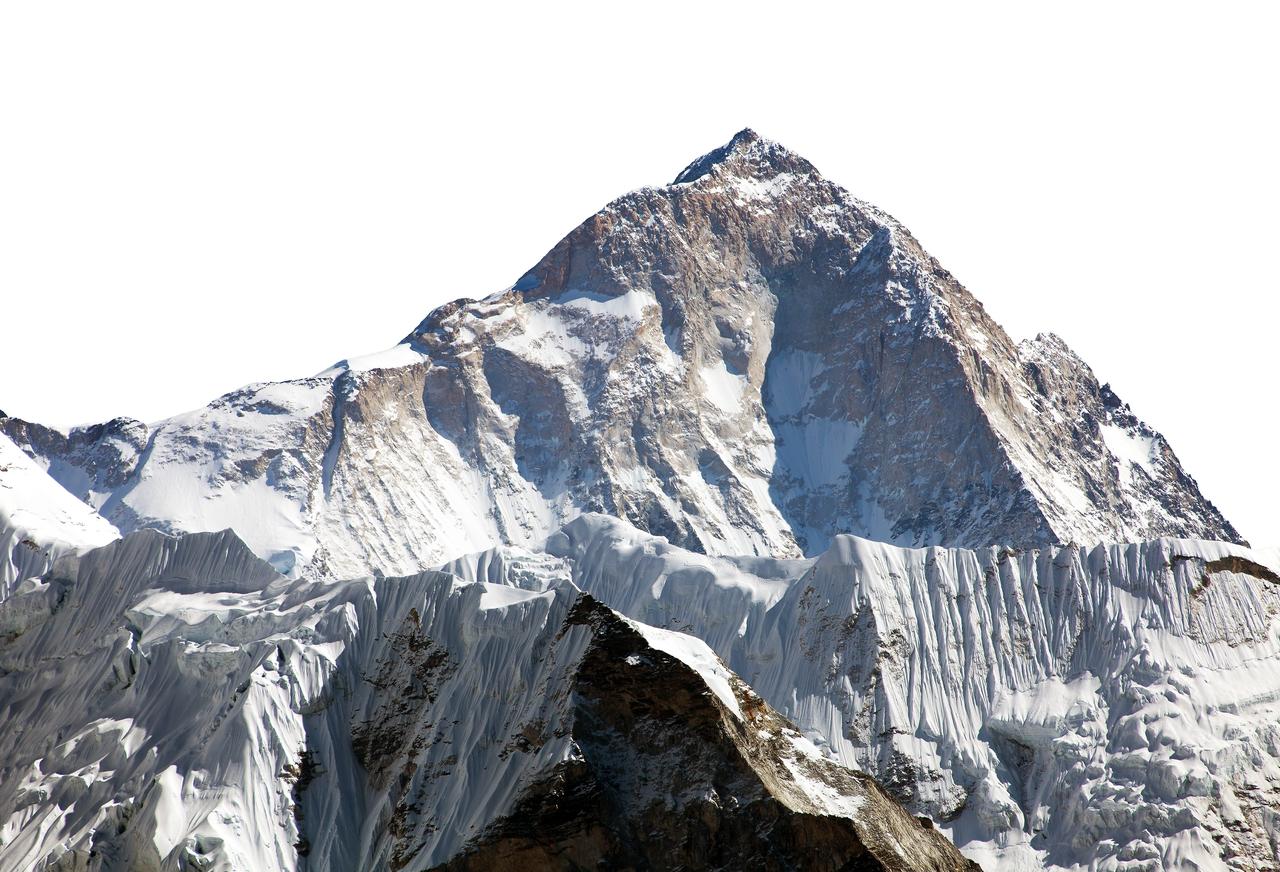
Similar collisions have occurred many times in Earth's history. The Transgondwanan Supermountain began emerging about 650 million years ago in what is now East Africa, when Africa and South America collided with Arabia, India, Australia and Antarctica to form the supercontinent Gondwana.
Gondwana later split apart, but evidence in southern India, Sri Lanka, Tanzania and Kenya indicates the range was three times the length of the Himalayas.
On average, the crust there is deeper than that of the Himalayas. "We think this is at least the scale of the Himalayas if not more," Collins said.
Some crust sections still descend up to 18 miles (30 kilometers), despite half a billion years of erosion. Collins said the range was likely once halfway down a crustal column about 37 miles (60 kilometers) deep, which means the mountains above could have been as tall as Everest.
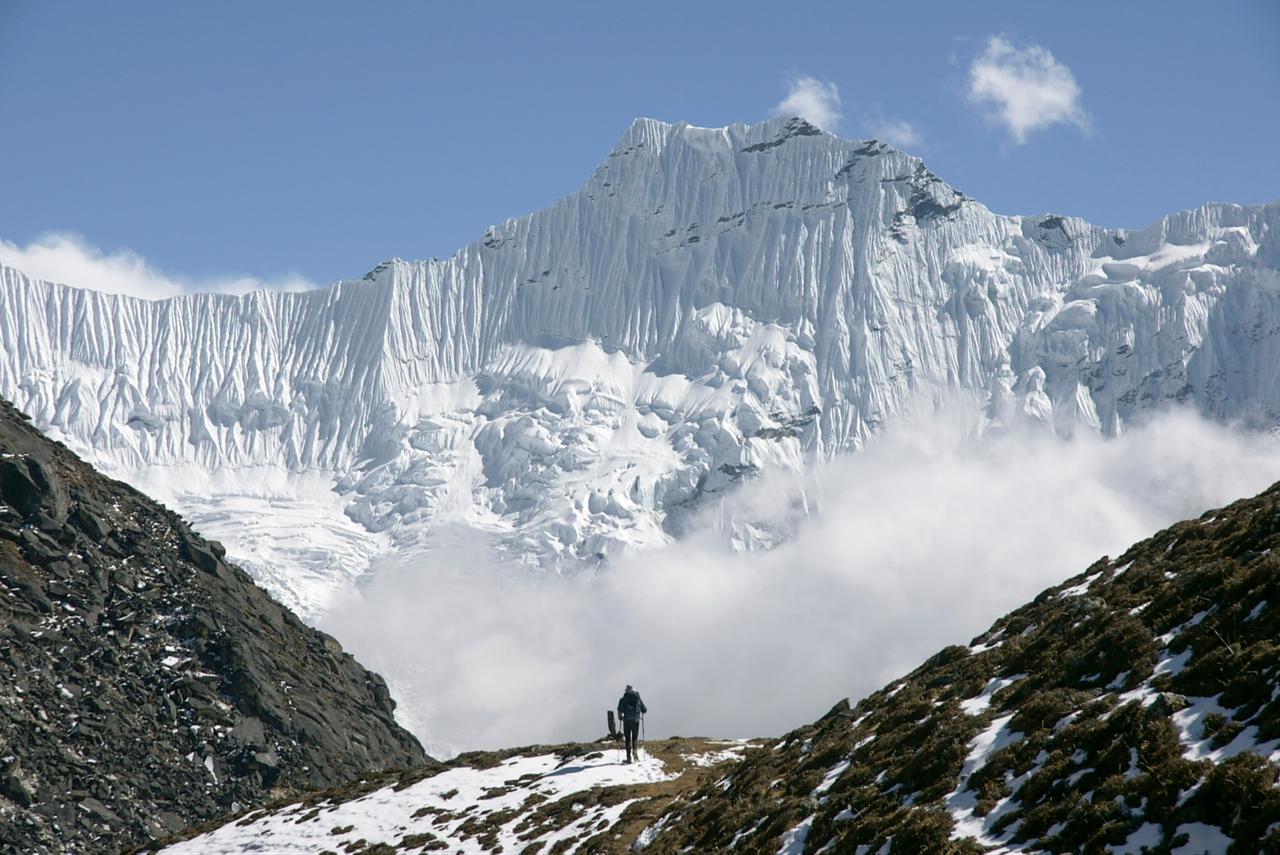
Another candidate is the Grenville orogeny, which formed with the supercontinent Rodinia starting about 1.3 billion years ago.
Its remains are found around southeastern Ontario and northwestern Vermont. Less is known about this extinct range, and some scholars argue it would not have been as tall as the Transgondwanan range or the Himalayas.
About 2 billion years ago, the formation of the supercontinent Nuna, also called Columbia, left evidence of giant mountains as well.
Zhu's paper identified this supermountain by examining zircon crystals left in the crust beneath the vanished range.
Evidence becomes less clear further back in time. Collins said mountains likely could not rise as high when Earth was hotter, because warmer crust supports less weight.
Zhu considers the Nuna, Transgondwana and Himalaya ranges the best current candidates for the tallest mountains that ever existed.
Pinpointing the highest specific peak is likely impossible with current scientific methods. "It's an open question," Zhu said.


 Set as preferred source
 Set as preferred source



 4 min read