Newsletters


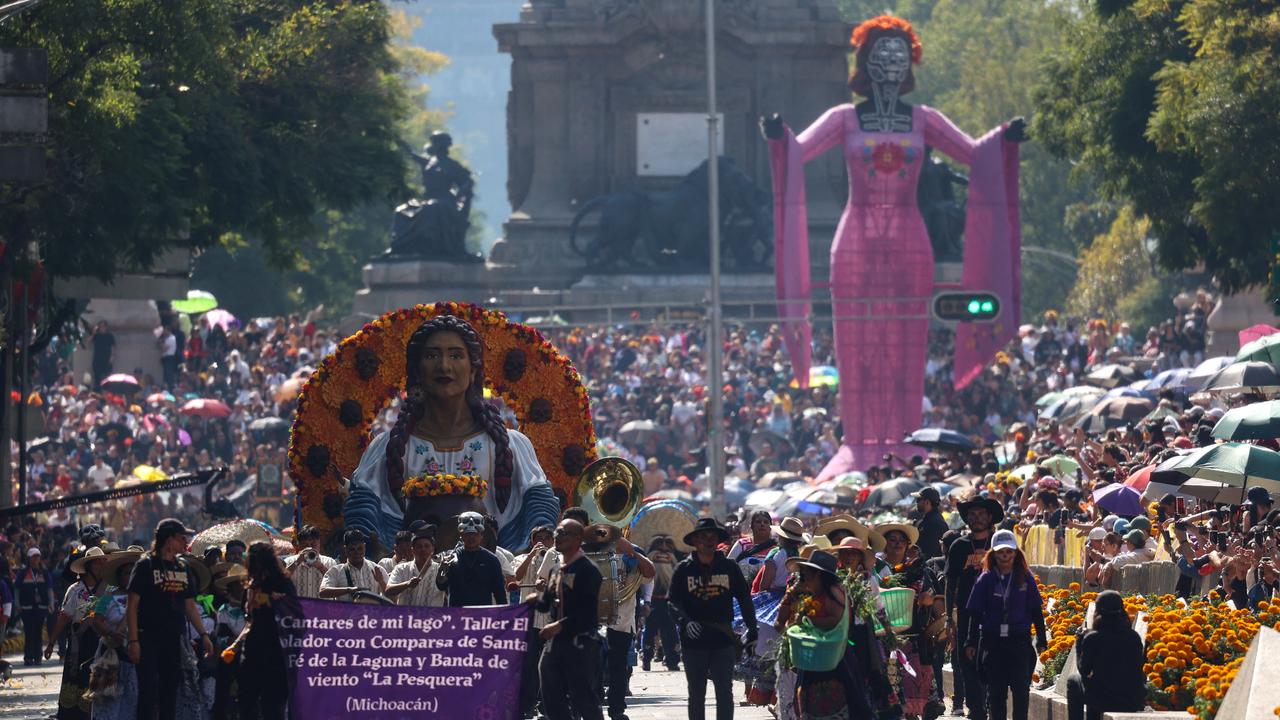
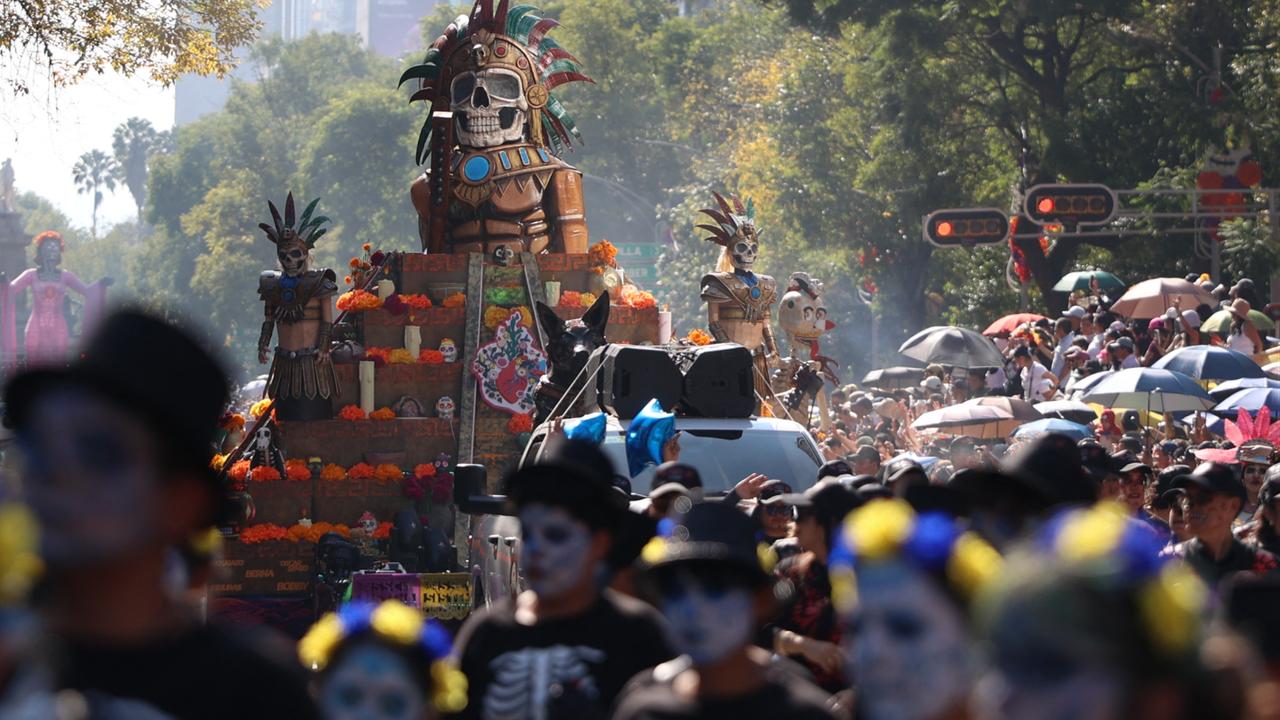
The Day of the Dead parade in Mexico City, held on Saturday, Nov. 1, marked its 10th anniversary this year, turning a centuries-old, family-centered tradition into one of the capital’s biggest public spectacles.
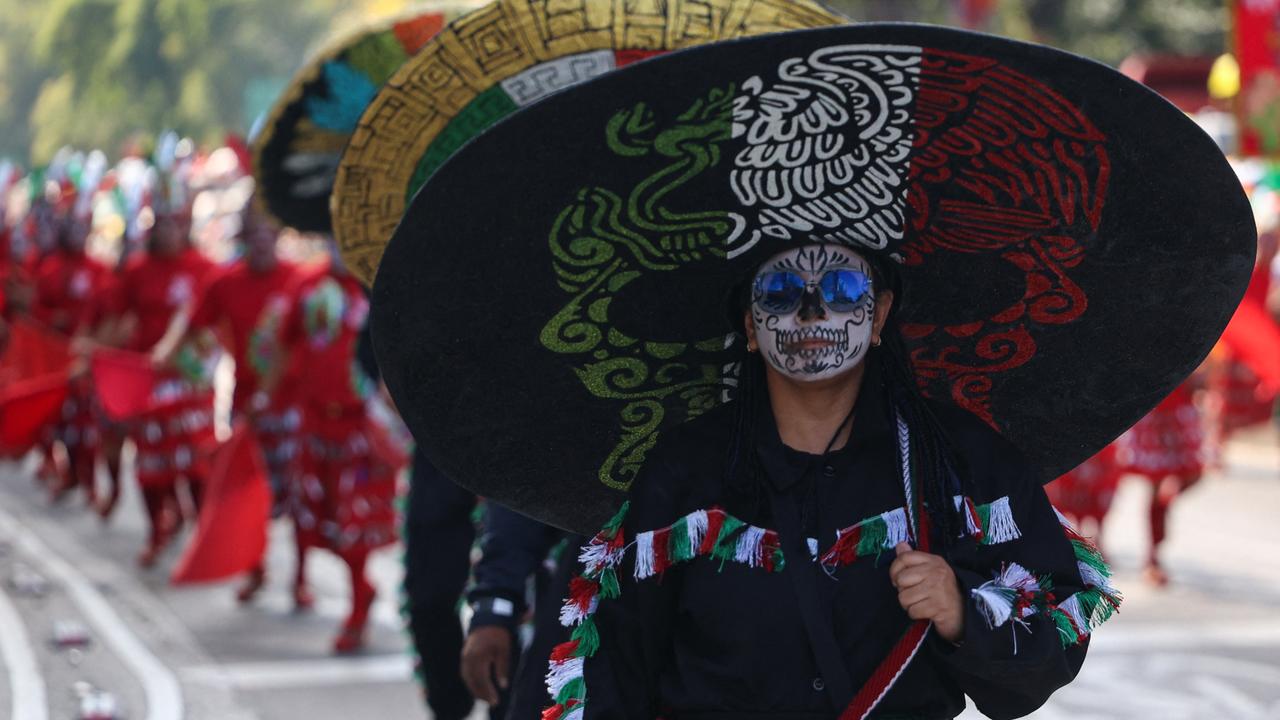
The Day of the Dead is the occasion when Mexico honors its deceased by blending pre-Columbian traditions with the Christian All Saints’ Day, and it has historically been a family affair in which relatives visit cemeteries and set up altars with food and other items their loved ones enjoyed in life.
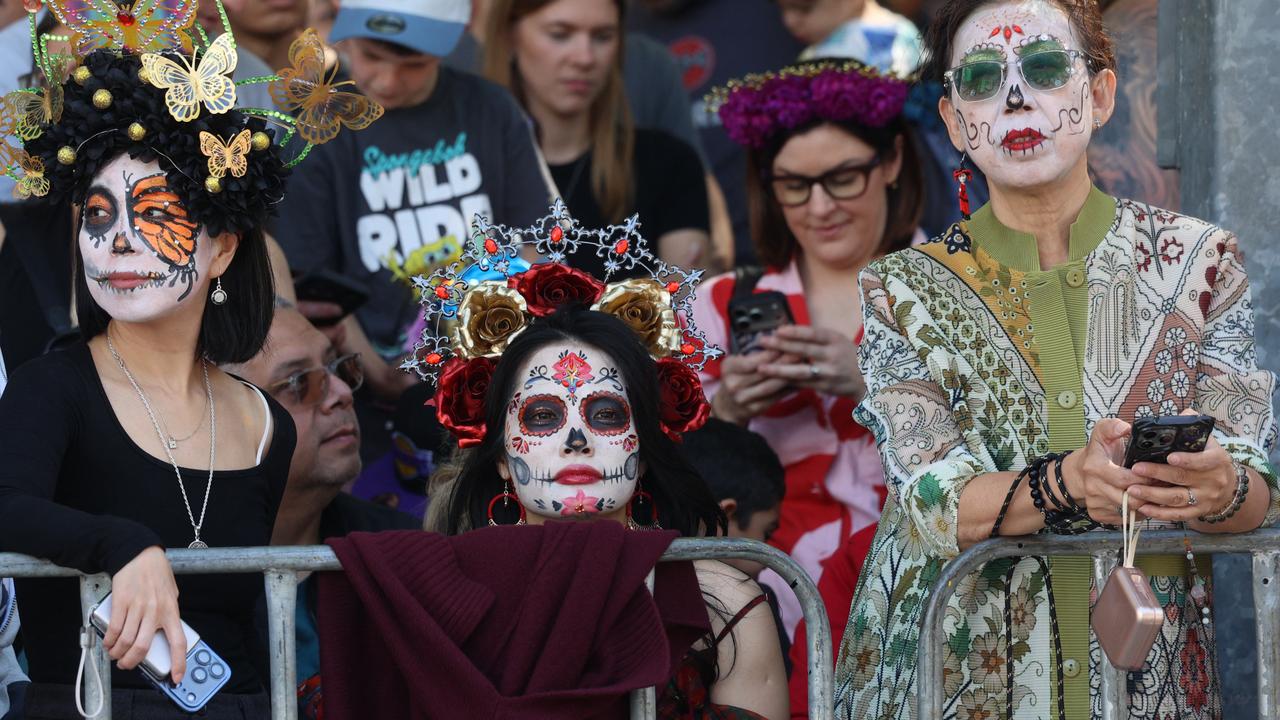
The parade is a much newer addition to the holiday, and it exists largely because of the 2015 James Bond film “Spectre,” which opens with the British spy walking through a crowd dressed as the dead in downtown Mexico City.
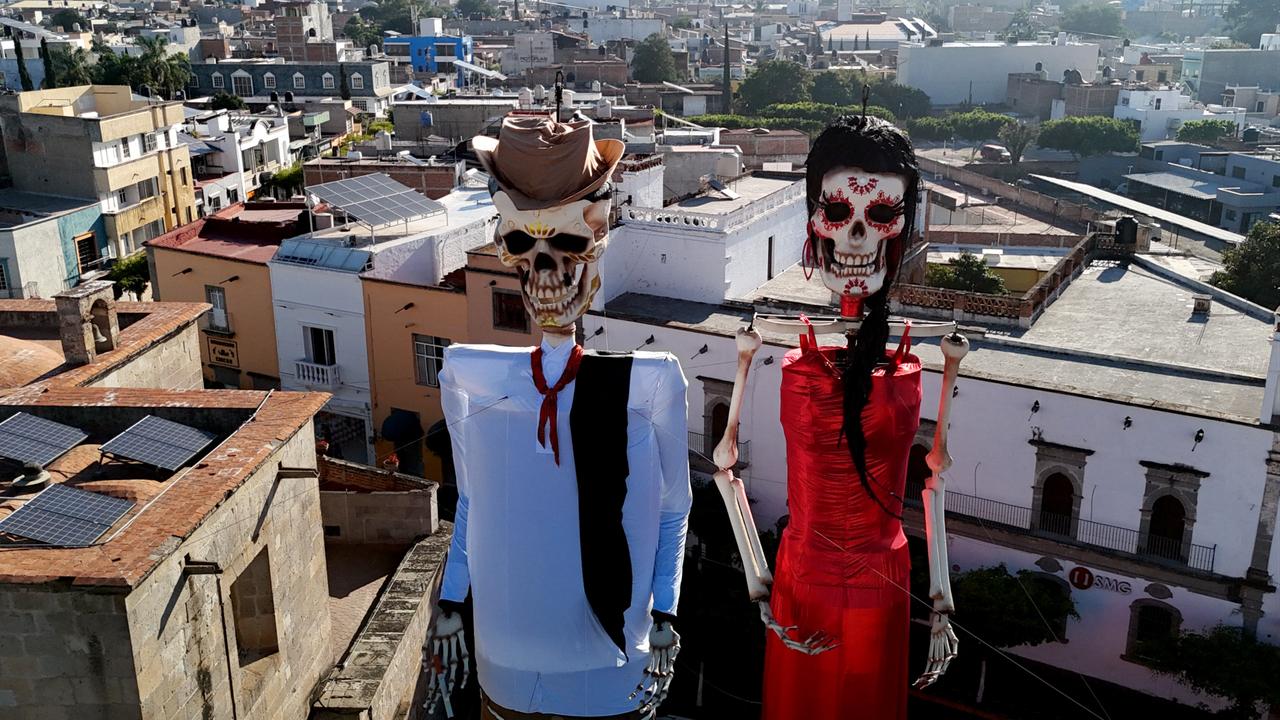
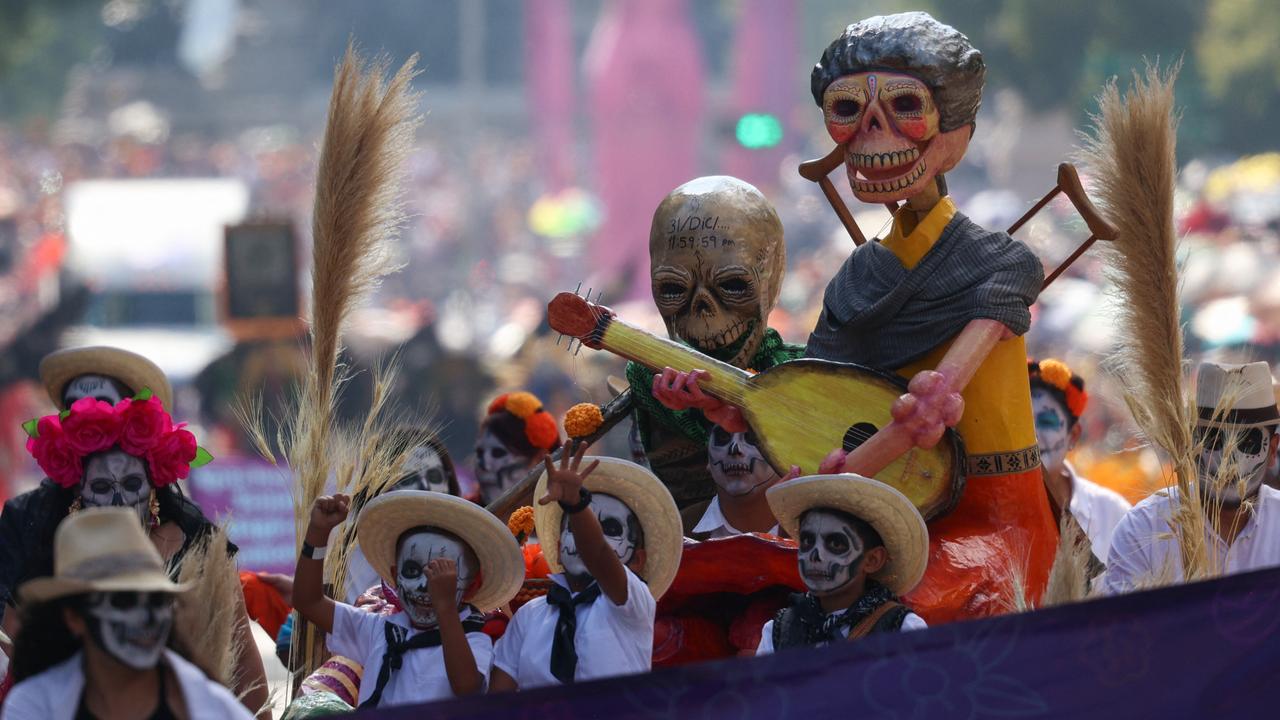
On Saturday, giant skeletons, floats and performers in feathered headdresses and masks filled the streets of the capital, while musicians and acrobats joined the procession and gave the downtown avenues a carnival atmosphere.
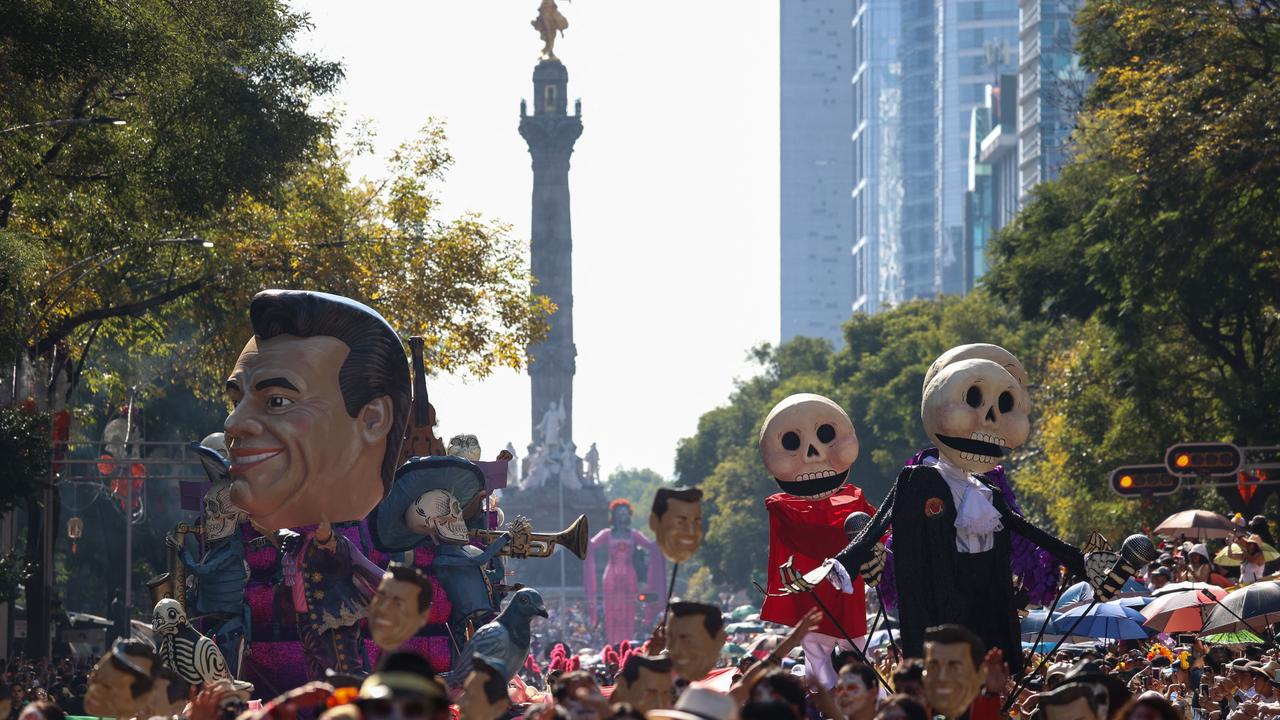
Miguel Angel Mancera, who organized the first parade while serving as Mexico City mayor from 2012 to 2018, said the event quickly exploded in popularity, recalling that people kept asking him when the parade would take place and describing the effort as an adventure.
Some of the giant figures used in the Bond film appeared in the first parade in 2016, and Mancera now calls the event a very big thing and says he is proud of what it has become.
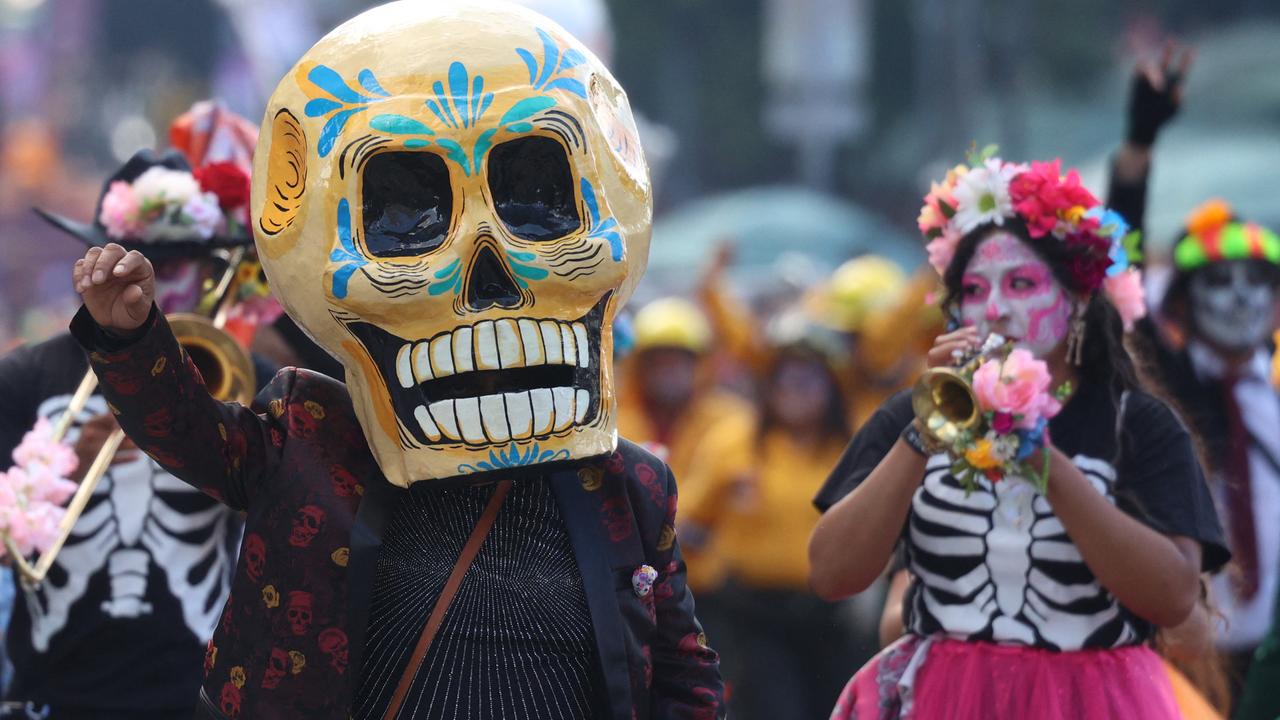
City officials expected more than half a million visitors from Mexico and abroad to watch this year’s parade, which fell on the same weekend as the city’s Formula One Grand Prix race.
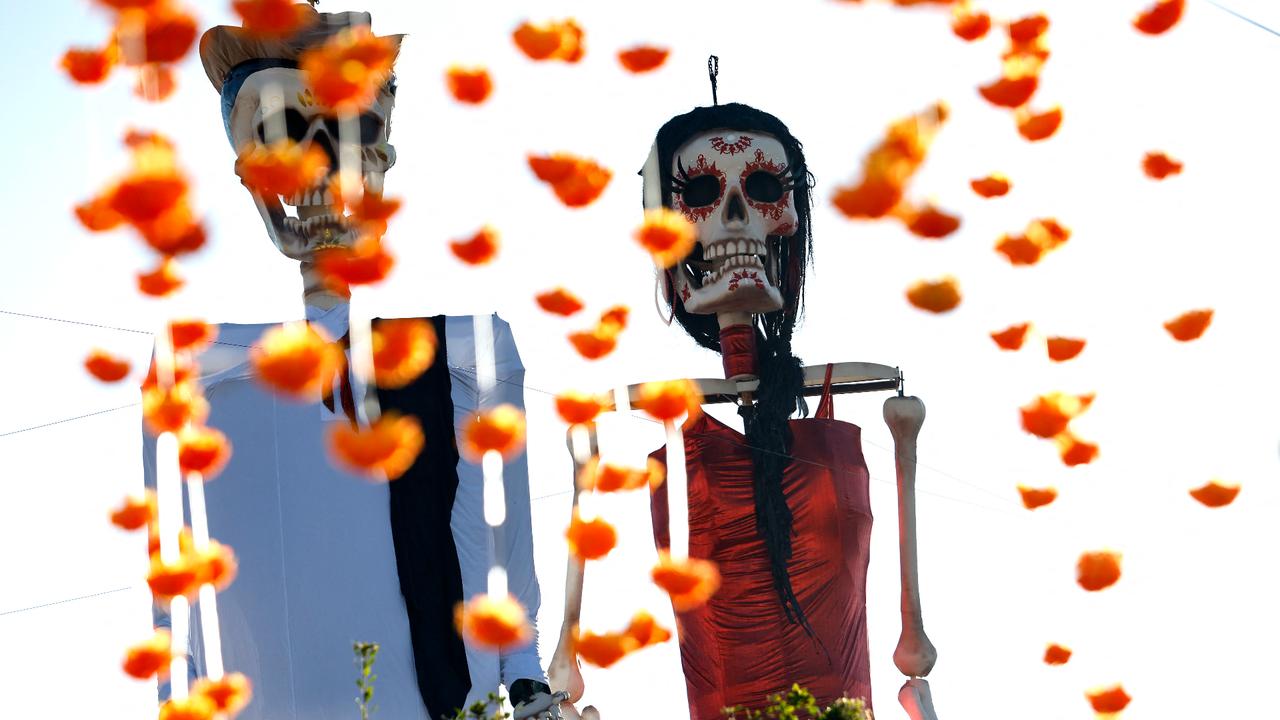
An 11-story sculpture of Catrina, an elegantly dressed female skeleton that has become a symbol of the holiday, stands in the Zocalo, the capital’s main square, as part of this year’s festivities.
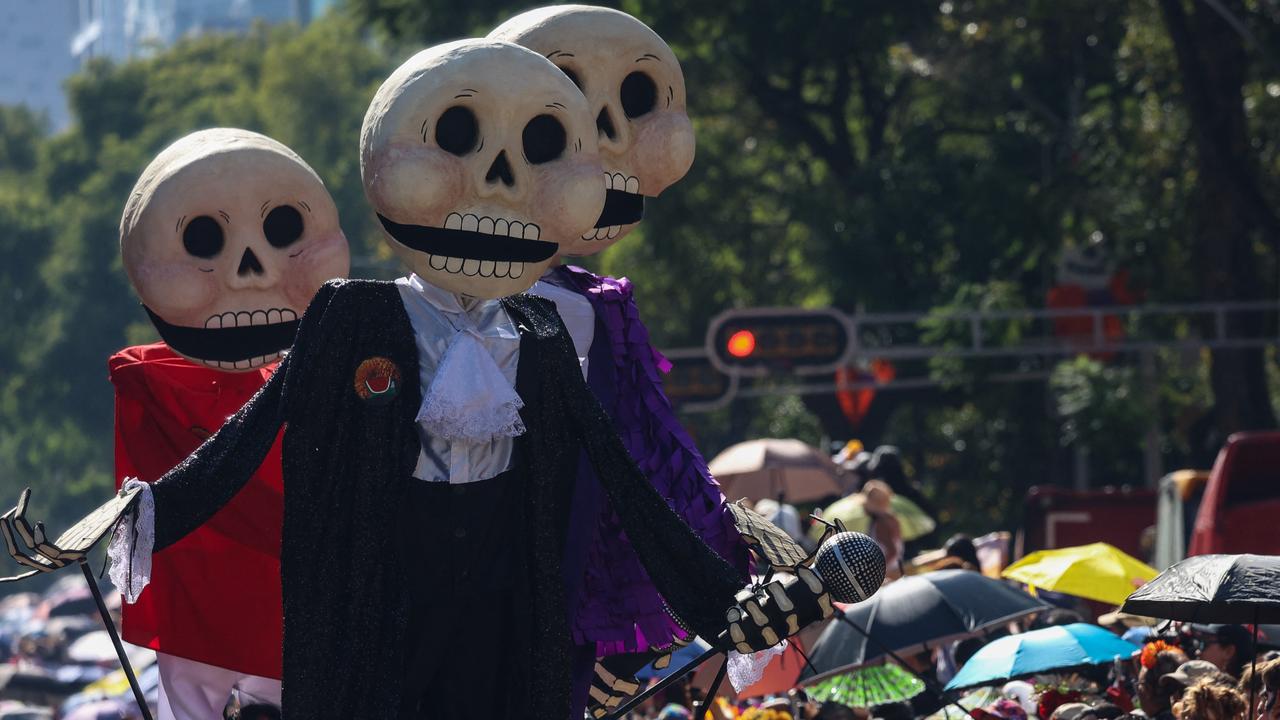
Portuguese tourist Ana Suares, 32, called the parade fascinating and said that it brings together people who are happy, wearing costumes and carrying flowers to remember those who are no longer here but remain in their hearts.
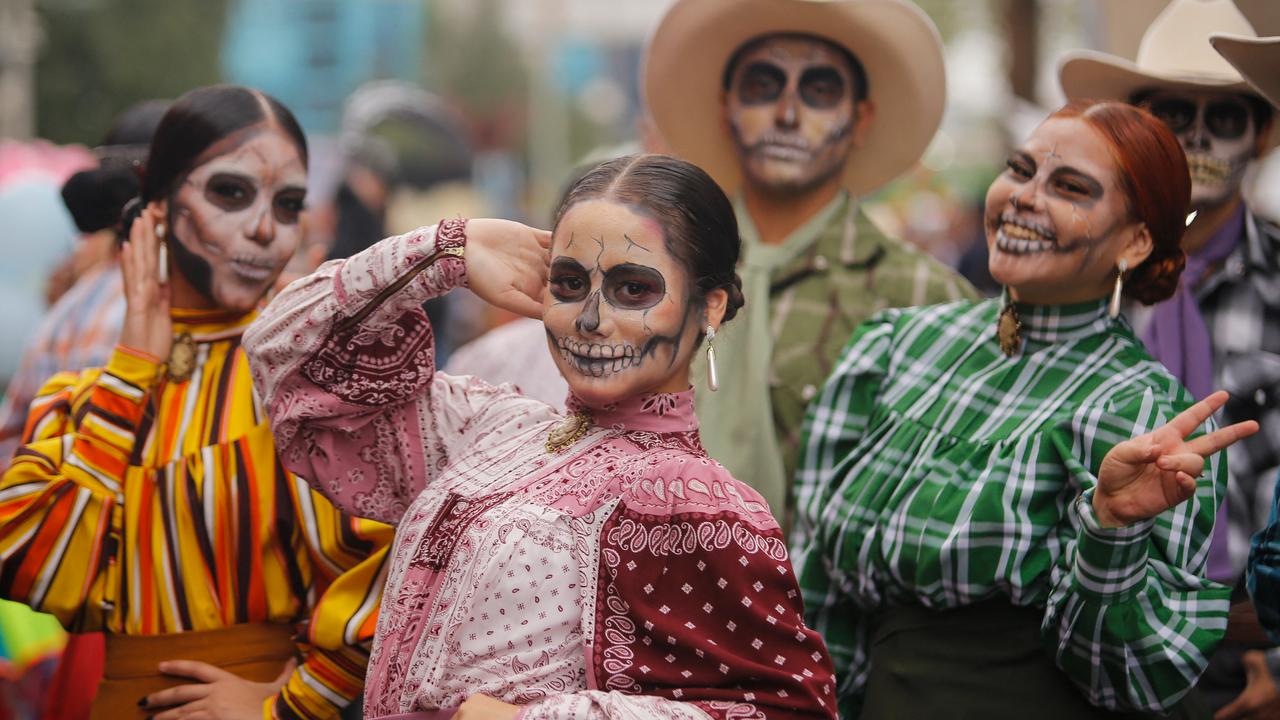
Isabel Halsey, a 37-year-old visitor from the United States, described the scene as colorful, smelly and dramatic, adding that it is full of people of different nationalities and personalities and that she loves it.
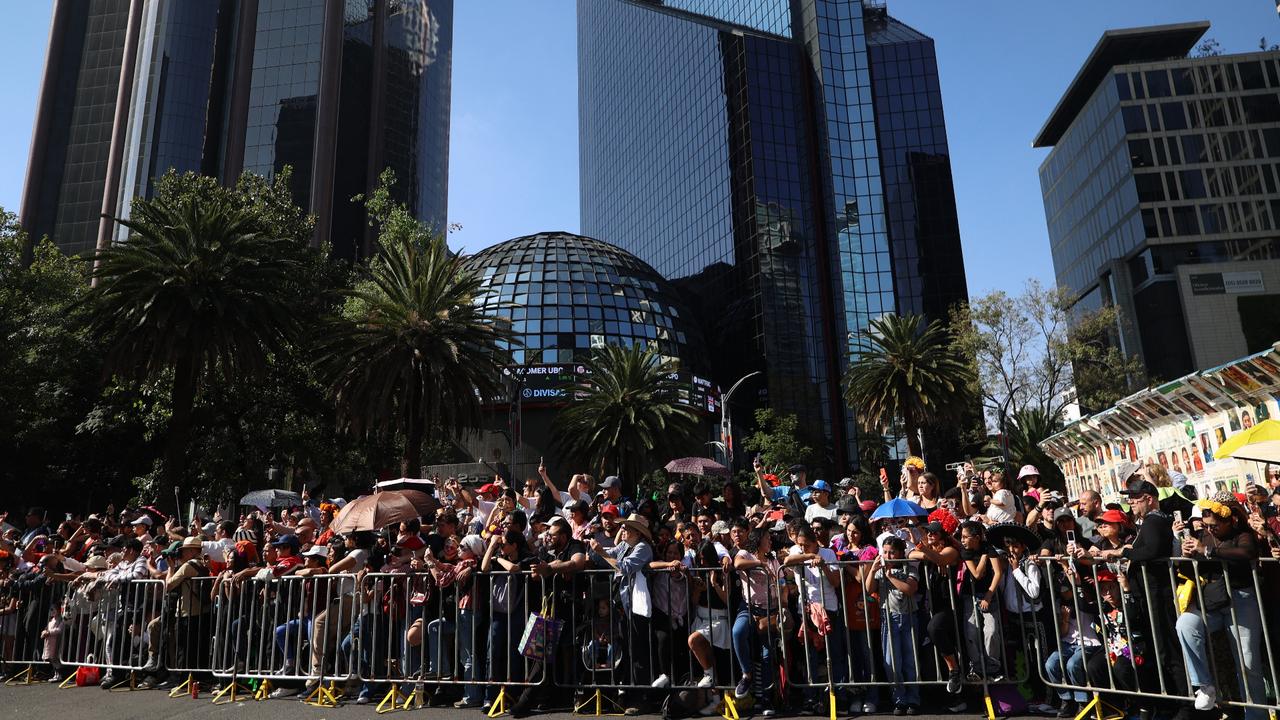
Roberto Montalvo, an academic at the Iberoamerican University, said what was once a more intimate celebration has become a mass event, noting that tourists now pack some cemeteries and compete with families for space.
Montalvo also raised a question about the holiday’s future, asking whether the visit should be adapted to the ritual or whether the ritual should adapt to the visitor.

 10 min read


 Set as preferred source