Newsletters


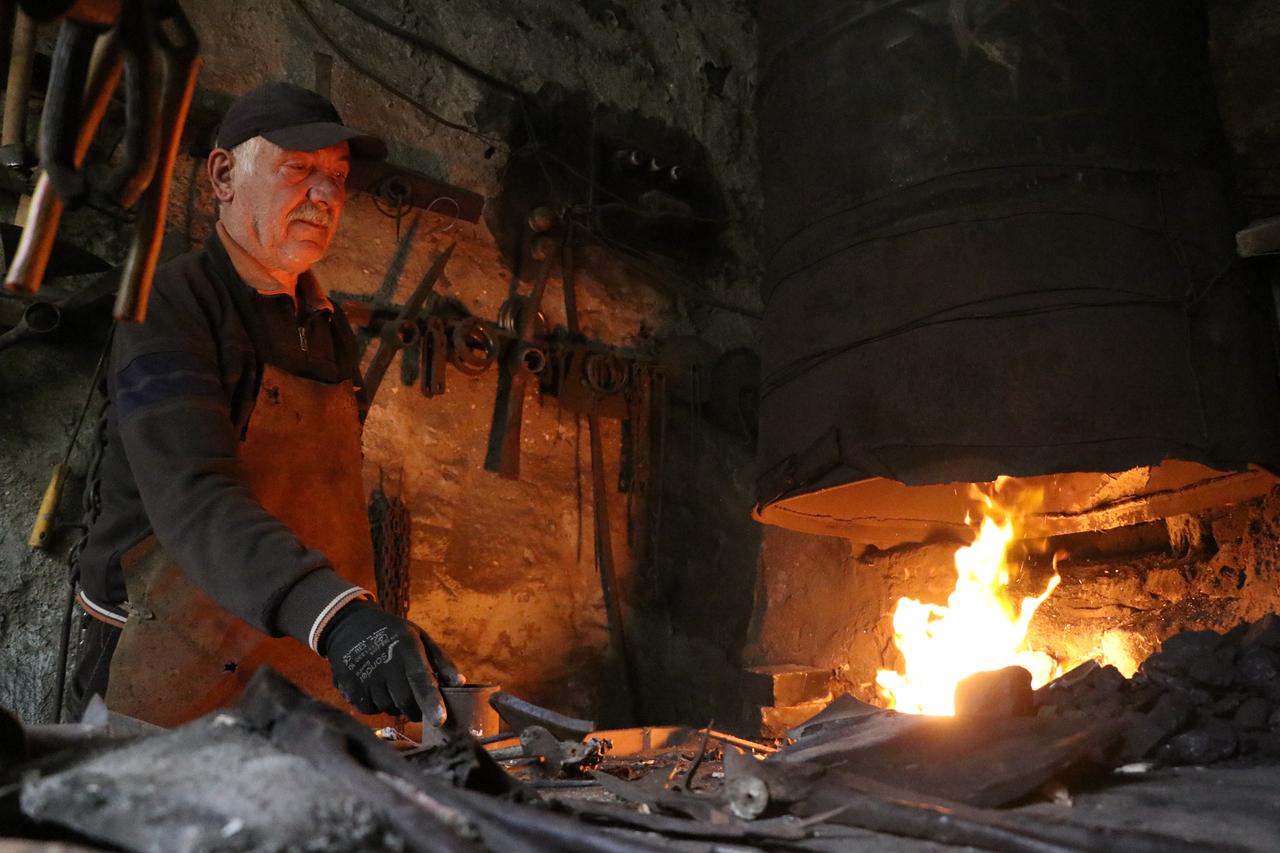


Remzi Tokgoz, a 70-year-old blacksmith in Hacilar, a district of Kayseri province in Central Anatolia, continues the trade he began learning at his father’s side as a child.
In his modest workshop, Tokgoz has shaped iron by hand for 55 years to the sound of bellows and hammers. He keeps lighting his forge despite technological advances and factory production.
Speaking to Anadolu Agency (AA), Tokgoz said he turned to his father’s trade at a young age because he could not continue his education. He described himself as the district's only blacksmith and said no one is left to continue the work after him. Known locally as “Demirci Remzi” (Remzi the Blacksmith), he said he has spent 55 years by the fire and still enjoys the work despite his age.
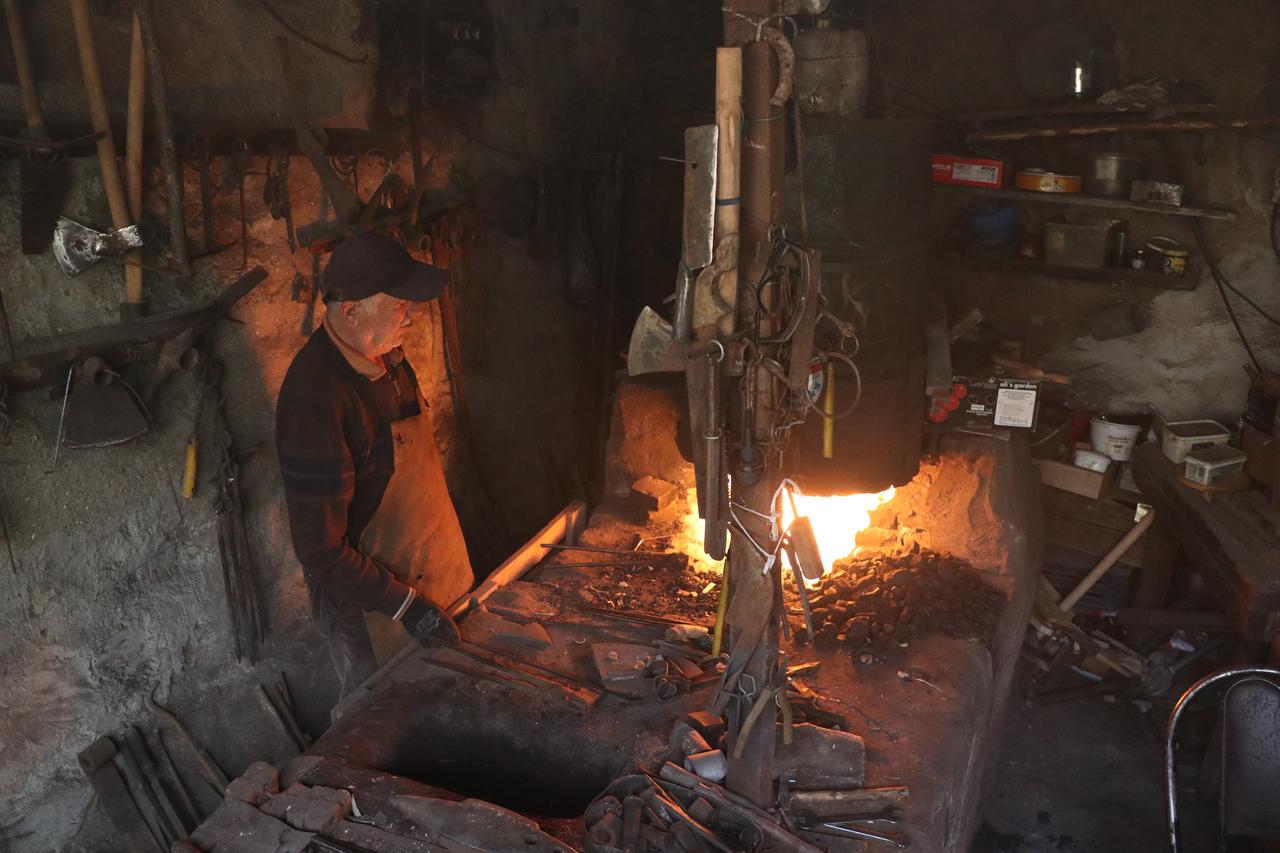

Tokgoz said that in the past, when electricity and modern tools were not available, farmers from neighboring districts and villages relied on his workshop.
“In the past, getting to Kayseri city center was difficult. Farmers from the Kiziloren, Incesu and Hisarcik areas used to come here. I made their plows and sharpened their axes. Receiving their prayers has kept me on my feet until now,” he said.
He said the income from the trade allowed him to educate, raise and marry off three children. Tokgoz also described blacksmithing as a craft he traces back to the Prophet David.
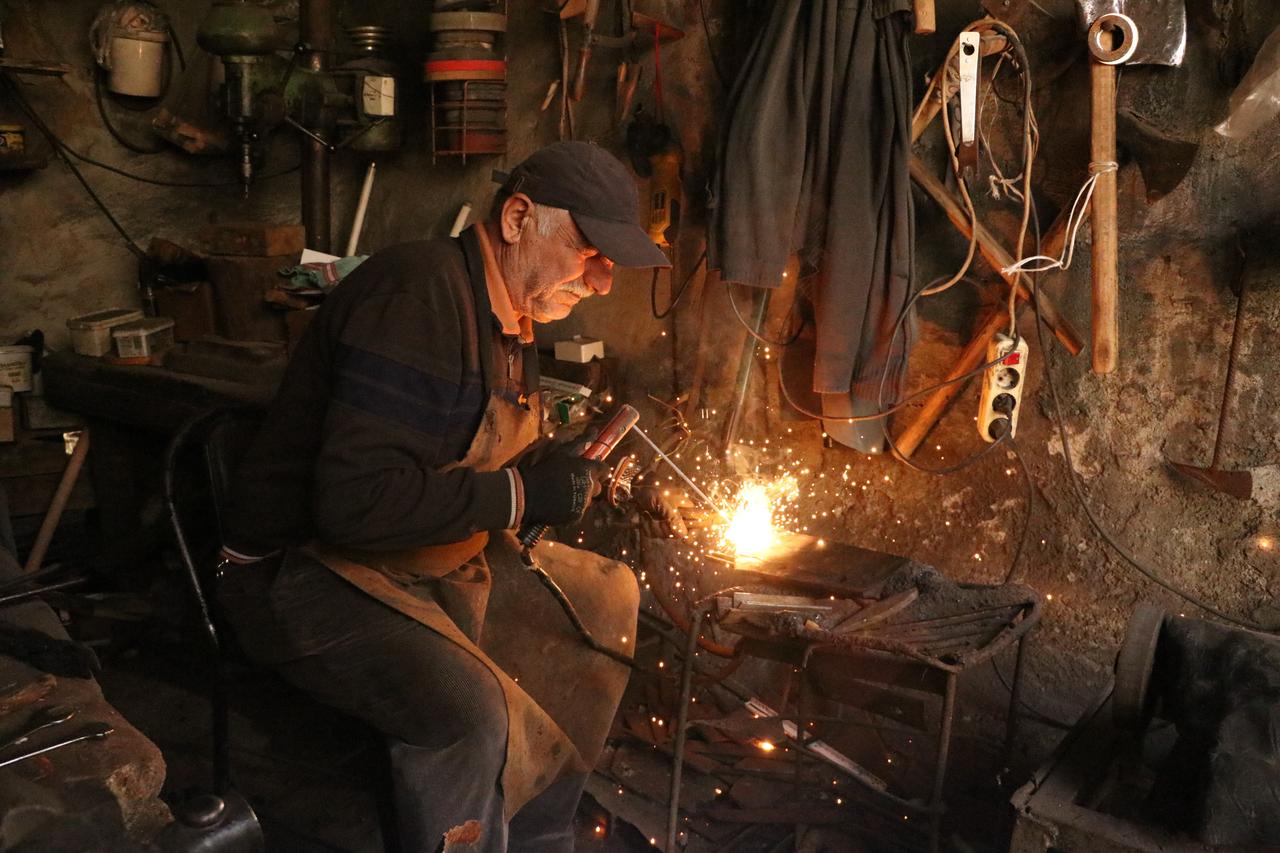
Tokgoz said machines such as presses and power hammers have made blacksmithing easier, but he has not given up traditional methods.
“I still do that old hand forging. I give the iron shape by heating it by hand again and again and hammering it. It would be easier and simpler to hammer them with a press, but ours is only hand forging. In my father’s time, a six-kilogram sledgehammer felt so light in my hand. That is the kind of journeyman I was,” he said.
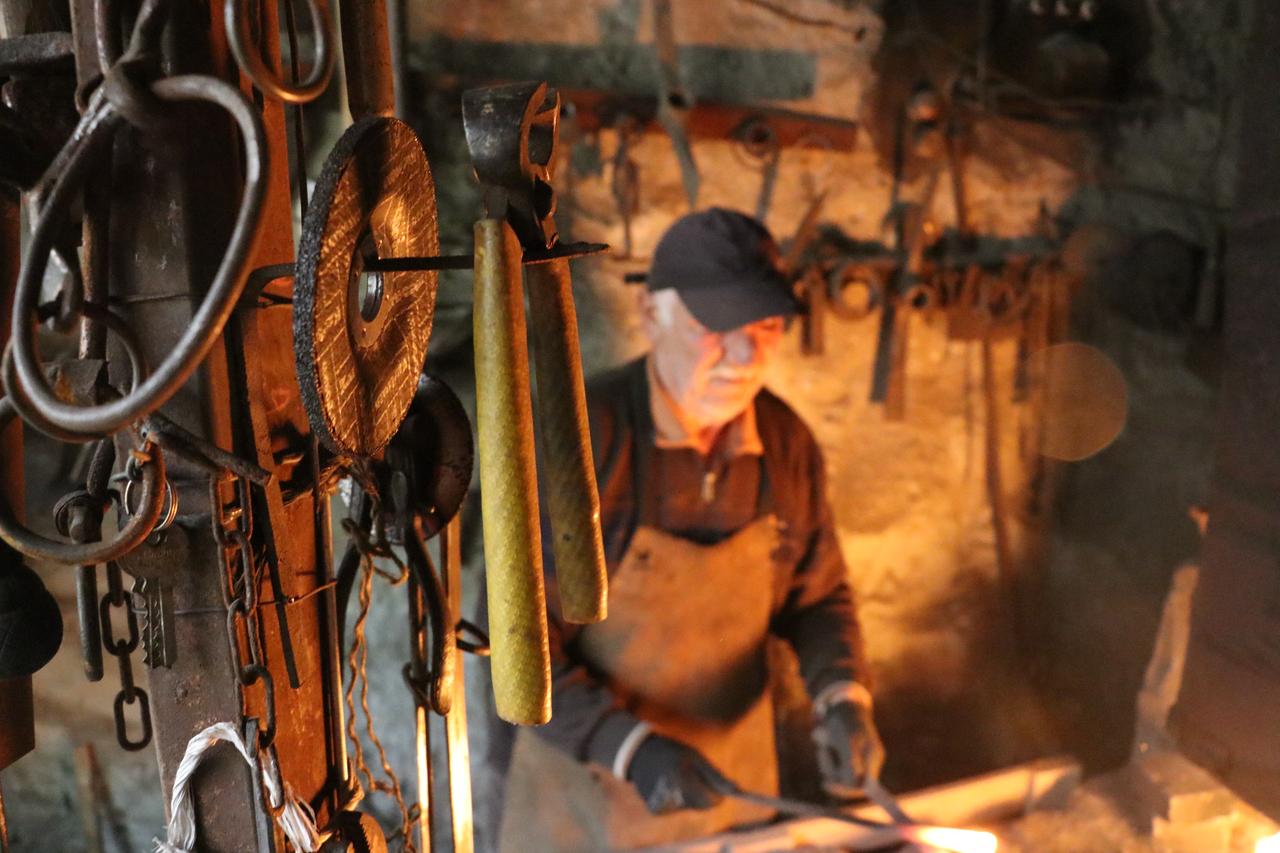
Tokgoz works in a former neighborhood tandoor house that he converted into a workshop. He said the shop keeps the memory of his late father and brother alive.
He said interest in blacksmithing is declining, and no one is being trained as an apprentice.
“Now ready-made products have multiplied and the old interest is gone. Sometimes enthusiasts come and ask for a Seljuk axe or a sword, but no new apprentices are coming up. My vise, my anvil, all the tools I use are keepsakes from my late father and my brother. Their hands touched this shop. Even when there is no work, I feel as if I have won the world when I step in here. I will keep my forge smoking as long as I breathe,” he said.
Cafer Gunek, a customer, said farmers depend directly on blacksmiths to work their fields and gardens. He said he has Tokgoz maintain and repair tools such as plows, traditional animal-drawn plows and axes.


 Set as preferred source
 Set as preferred source



 5 min read