Newsletters


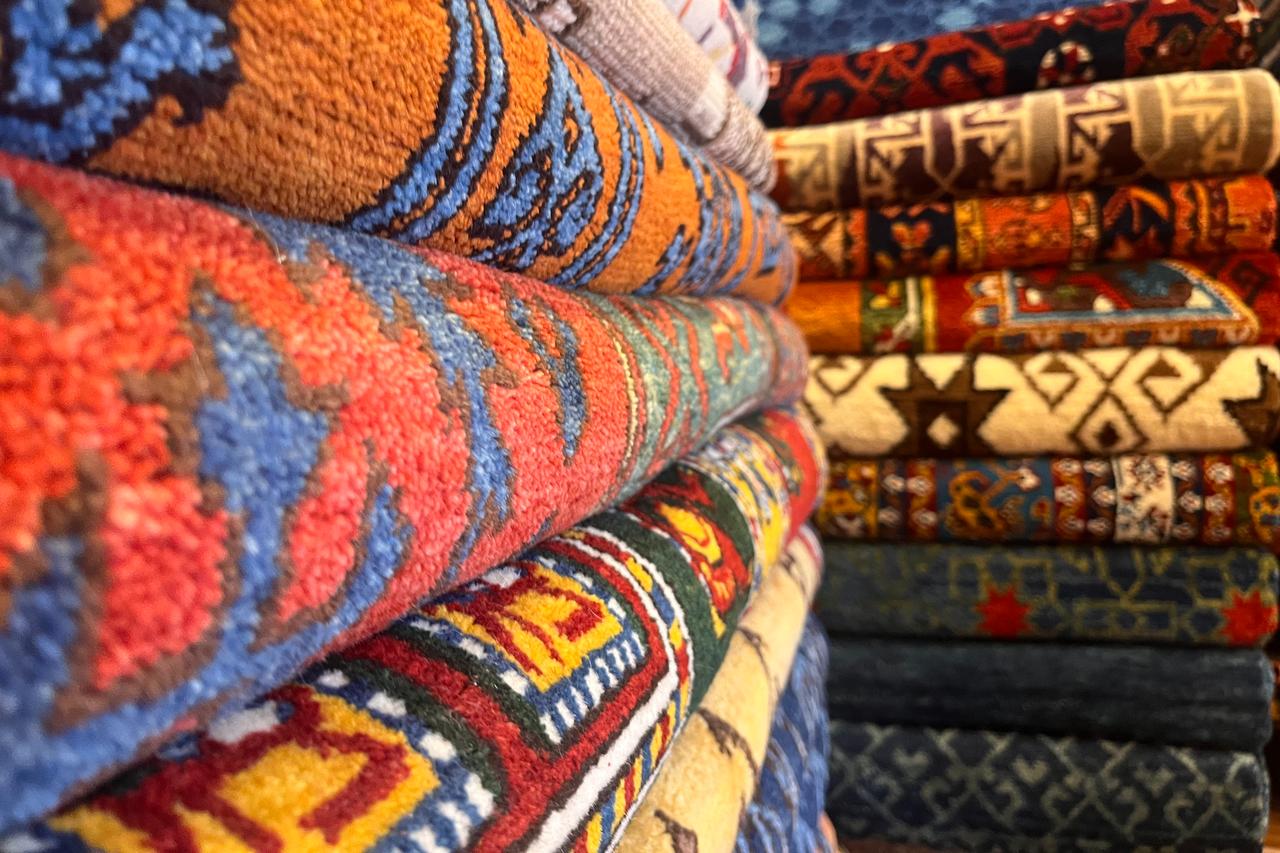


Handwoven carpets produced using traditional techniques and natural root dyes in Izmir are attracting growing international attention. The works are now being used in prominent state buildings and historic institutions both in Türkiye and abroad.
The production process is rooted in centuries-old craftsmanship, with workshops in the Selcuk district continuing to operate without industrialization.
The carpets are made using wool sourced from sheep in Konya’s Karapinar region and Ankara goats, which are blended to enhance both durability and shine. After careful washing and carding, the wool is spun into yarn entirely by hand.
In the dyeing stage, artisans avoid synthetic chemicals, instead relying on natural pigments derived from roots, herbs, and minerals boiled in copper pots.
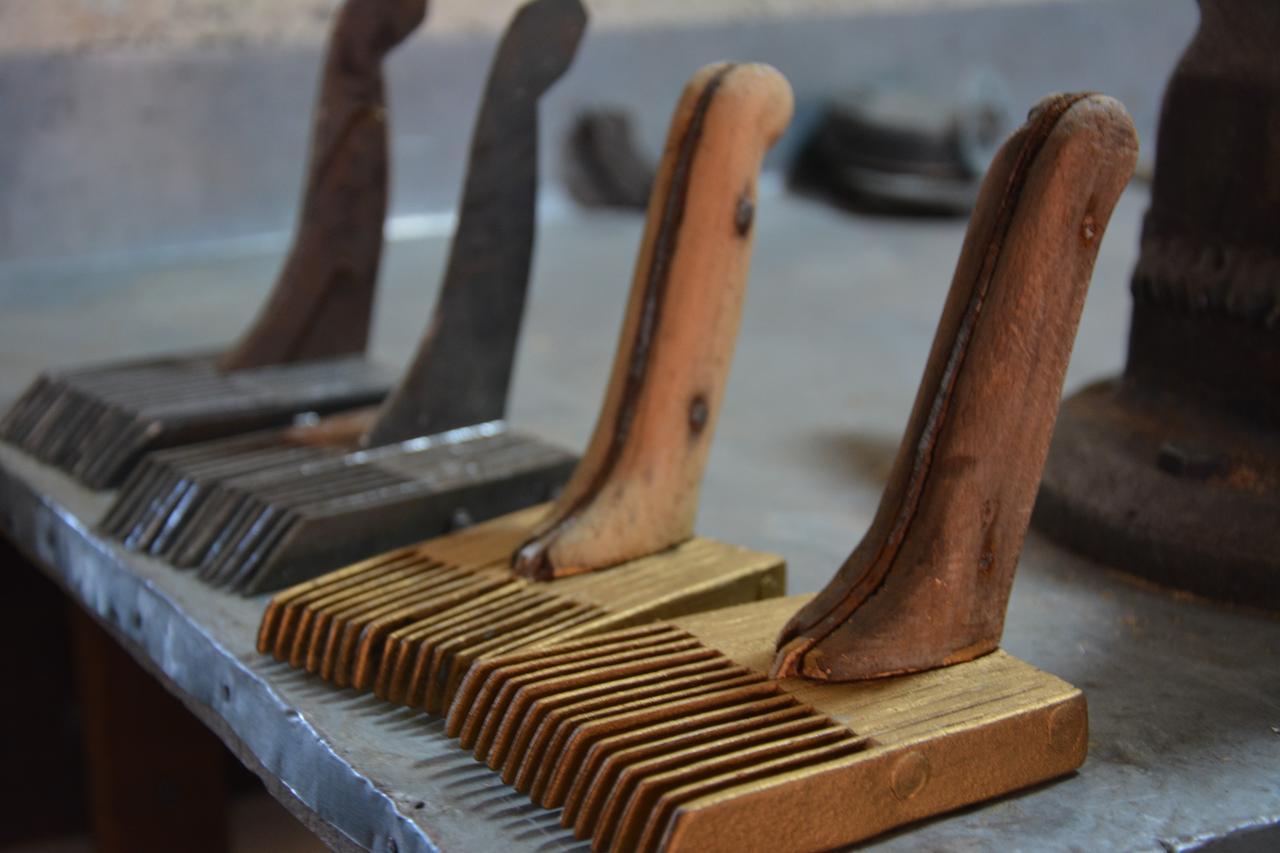
Local women then spin the dyed wool using traditional tools such as spindles and kirman wheels before it is woven into carpets.
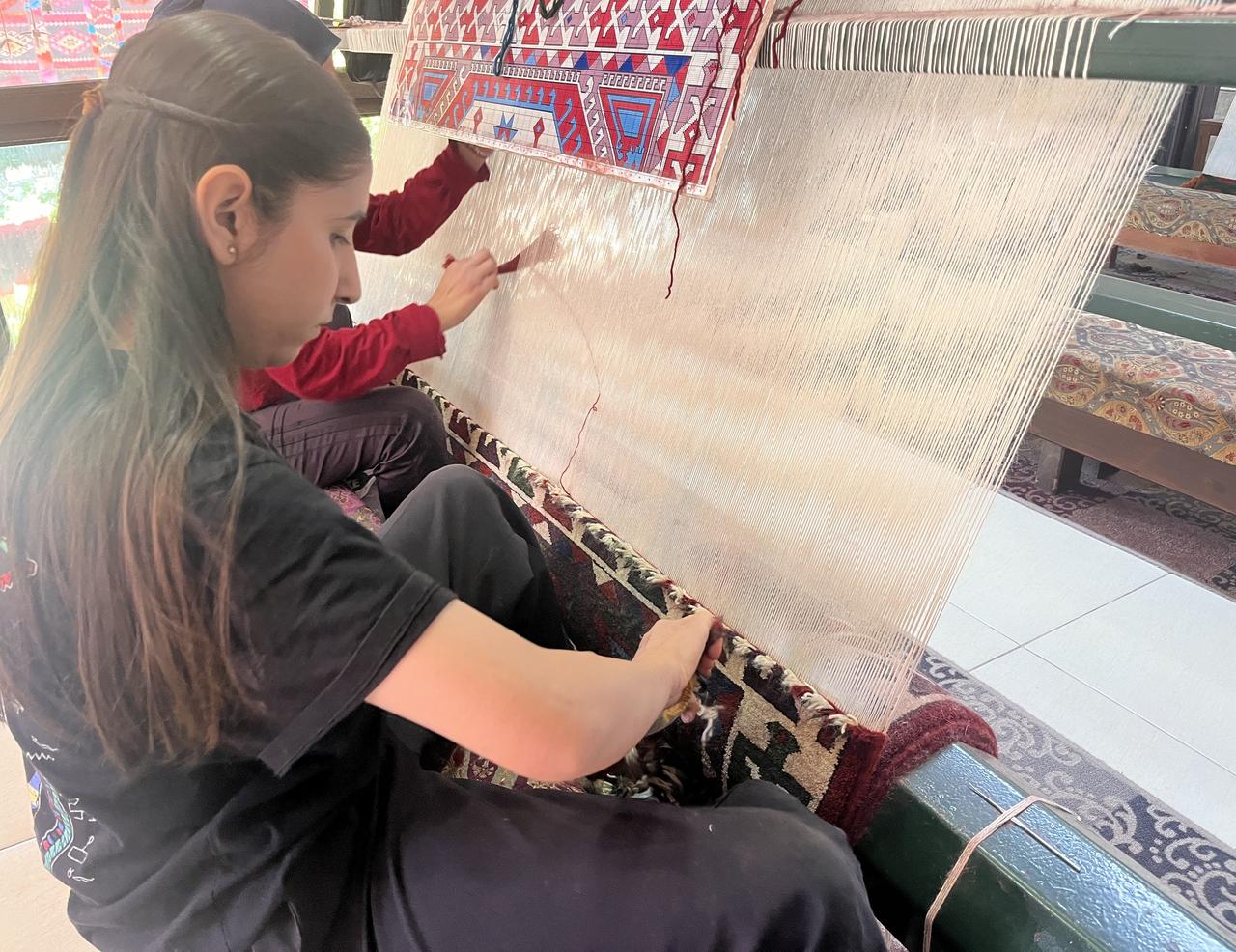

Workshop owner Osman Can told Ihlas News Agency that even a small three-square-meter carpet takes approximately two months to complete. Larger and more complex works can require several months or even years of meticulous handwork.
 1 min read
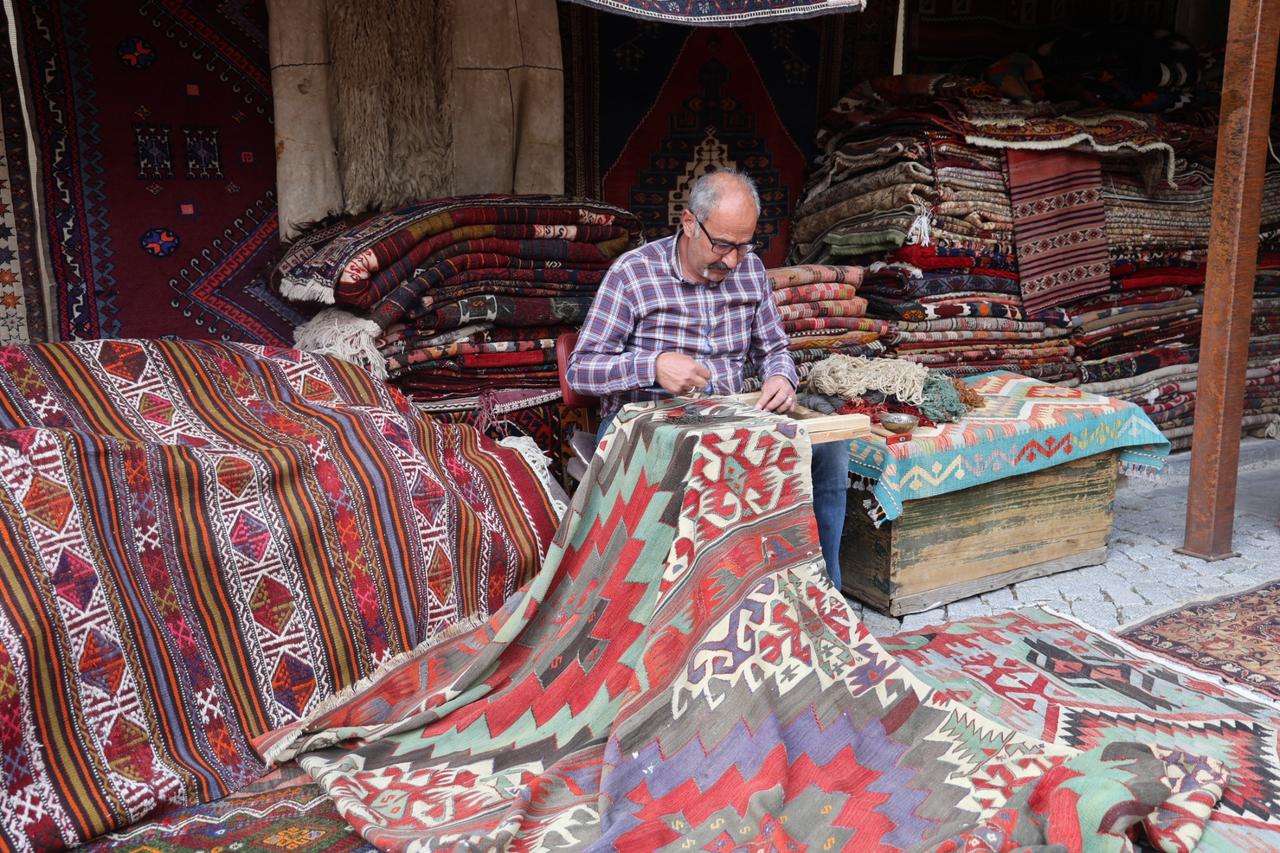
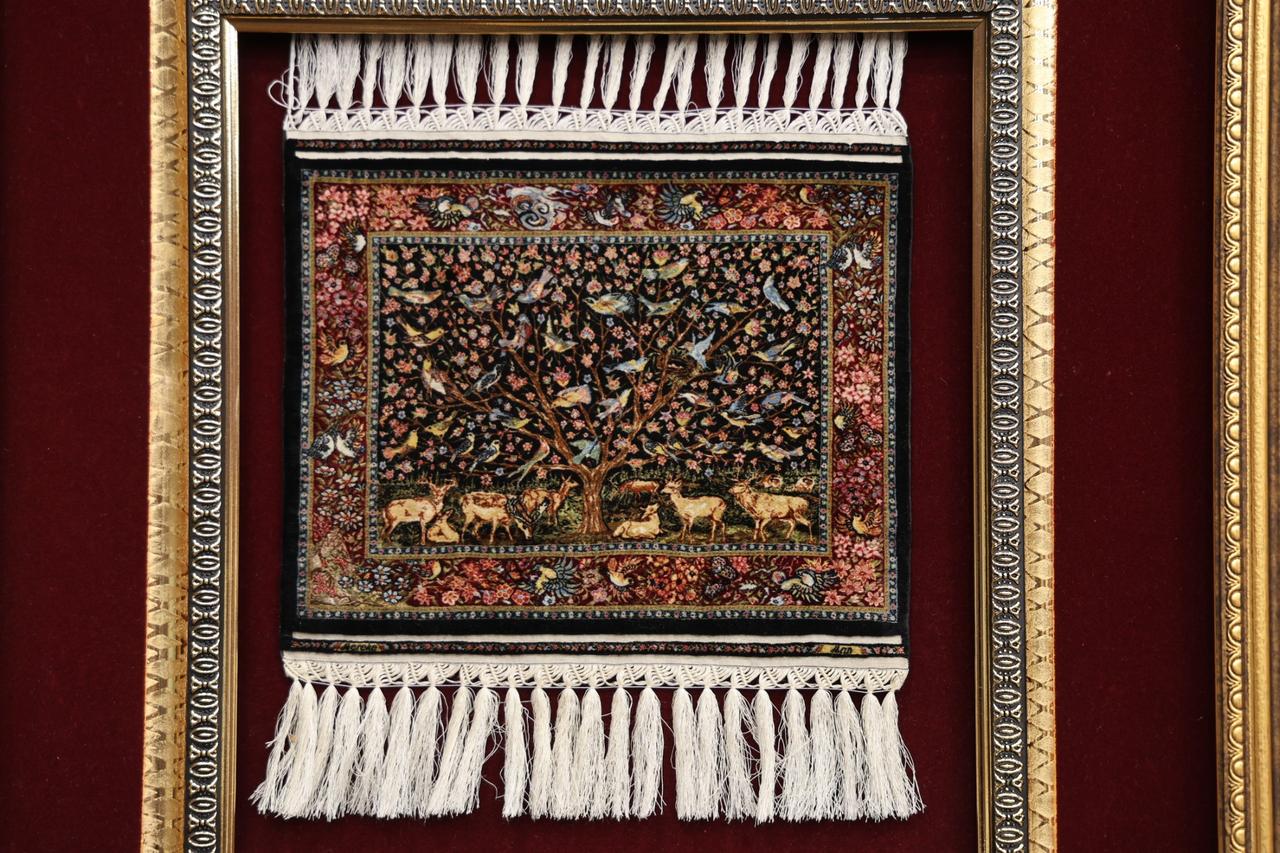
Can explained that production is intentionally limited, with each carpet created as a unique piece rather than being mass-produced. He emphasized that even identical designs cannot be reproduced exactly, as each handwoven item carries subtle differences.
The carpets produced in the workshop have reportedly been installed in high-profile locations, including Türkiye’s Presidential Complex and Cankaya Mansion, as well as historic residences in Istanbul.
Internationally, large-scale works have been delivered to government institutions in Budapest and other European cities, along with private and official buildings in countries such as the United States, Germany, and France.
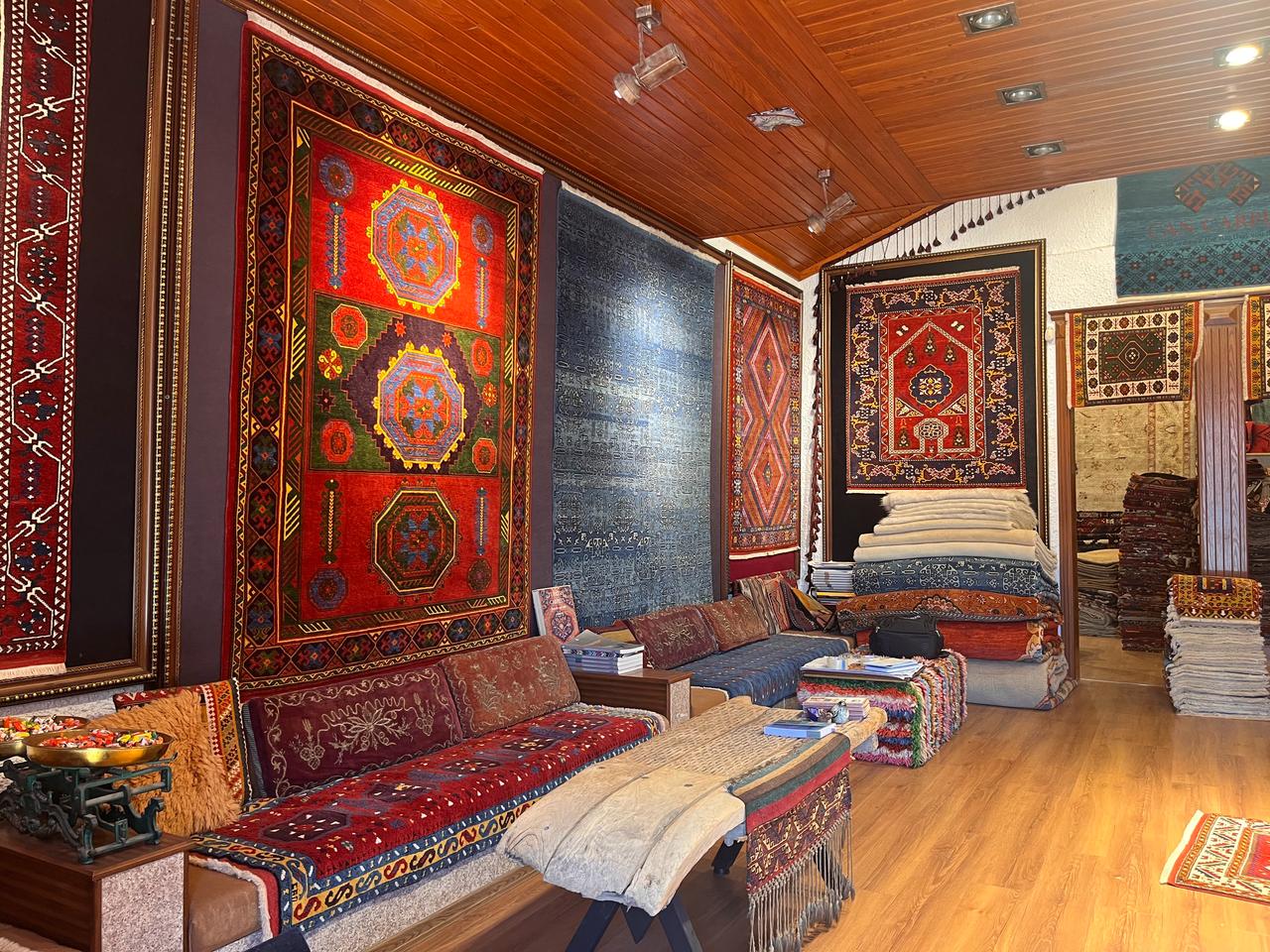
One of the most significant projects cited is a 140-square-meter carpet made for the residence of Hungary’s former Prime Minister Viktor Orban, completed by eight weavers over 16 months.
Including preparation and design, the full process took approximately two and a half years.
Can stated that the ultimate goal of production is to preserve traditional craftsmanship and create works that will endure as cultural heritage.
He added that the carpets are intended to gain long-term artistic and collectible value, with expectations that they will be preserved for future generations.


 Set as preferred source
 Set as preferred source


 1 min read