Newsletters


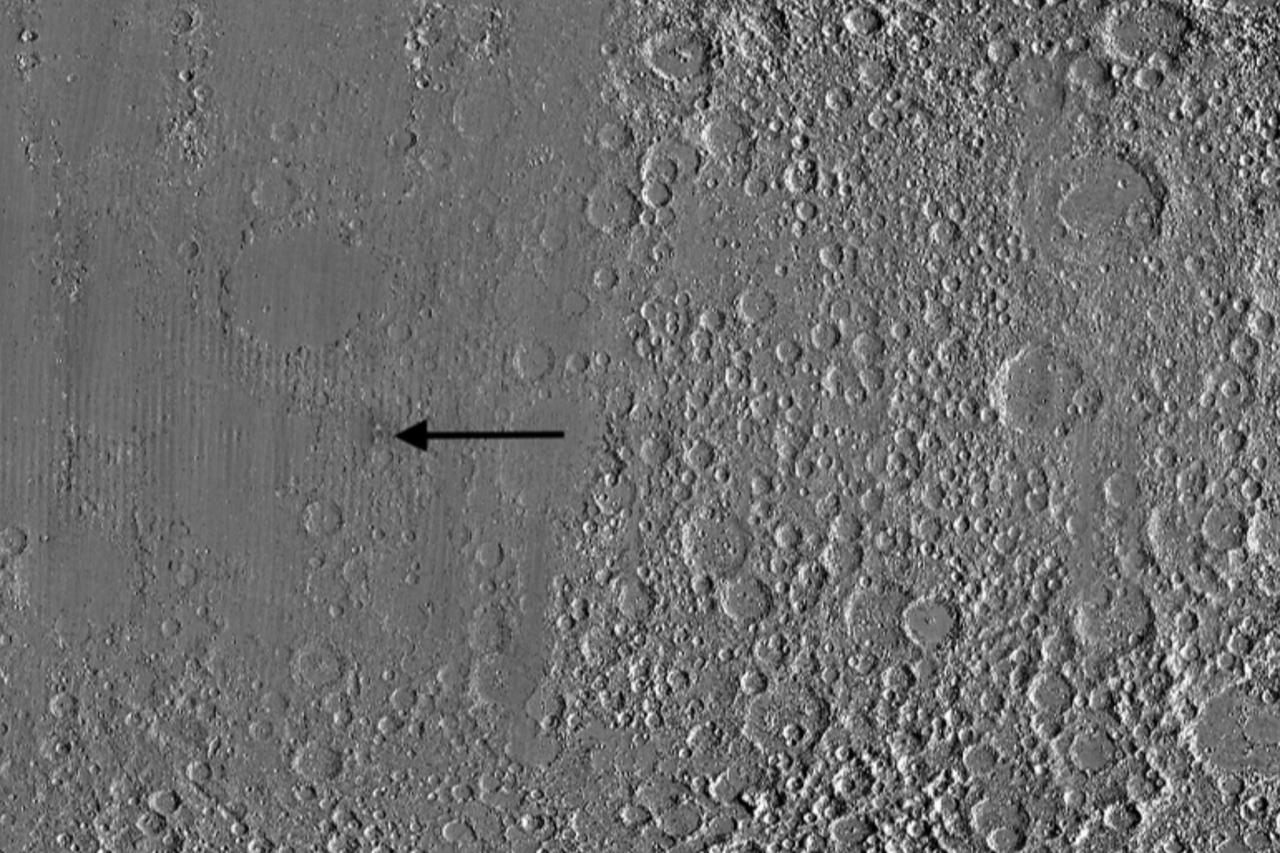


NASA has identified a newly formed crater on the Moon measuring 222 meters (728 feet) across, larger than Rome's Colosseum and the biggest fresh impact crater documented anywhere in the Solar System, according to a study published Wednesday in the journal Science Advances.
The crater was created when an asteroid or comet fragment, estimated to be roughly the size of a three- to six-story building, struck the lunar surface sometime between April 11 and May 22, 2024.
The impact occurred on the Moon's near side and went undetected by telescopes on Earth and in space at the time.
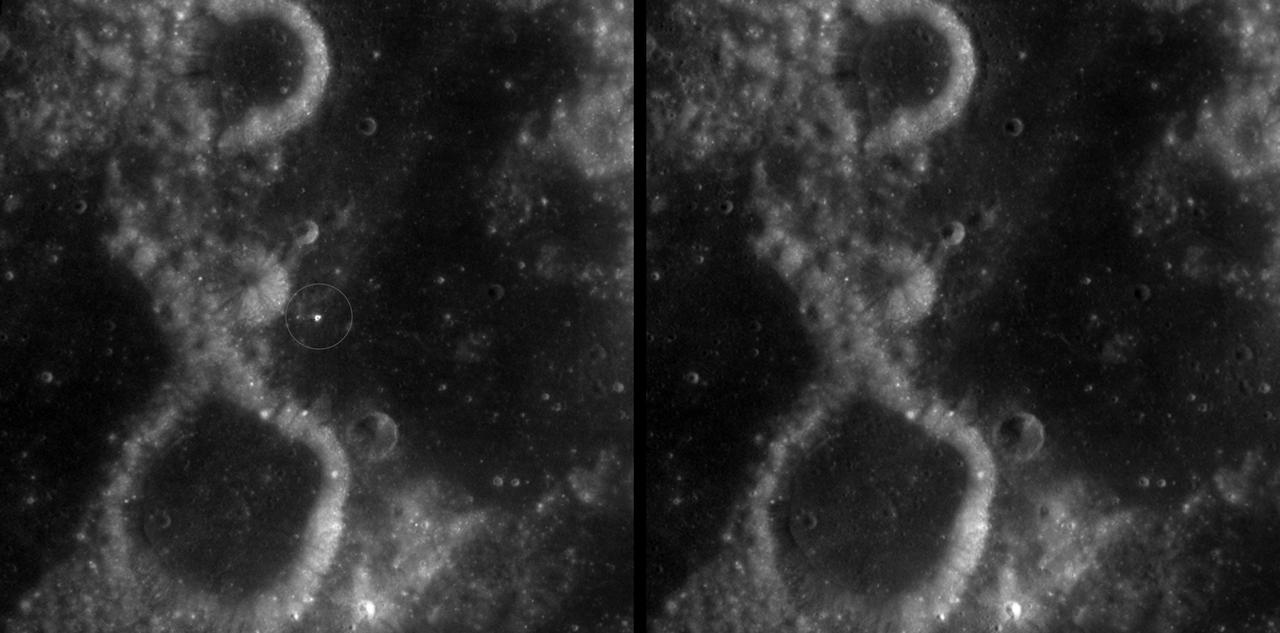

NASA's Lunar Reconnaissance Orbiter (LRO), which has monitored the Moon since 2009, later revealed the impact. Automated comparisons of the spacecraft's wide-angle images flagged the new crater in August 2025, and subsequent higher-resolution images confirmed it.
Named for lunar scientist Thomas McGetchin, the crater is about three times wider than the previous record holder found by LRO. Researchers estimate that impacts of this scale occur only once every 132 years or so, making the event exceptionally rare.
The collision significantly altered the surrounding terrain. Researchers found that ejected dust and rock traveled farther and at higher angles than some models had predicted, with disturbances extending more than 1,000 crater radii from the impact site.
A separate study identified a 6,400-meter-wide (6.4-kilometer-wide) zone around the crater with altered thermal properties, indicating that the impact disturbed the Moon's upper soil layer, known as regolith, according to CBS News.
Scientists say the discovery offers a rare opportunity to refine models of lunar impacts and surface evolution, with potential implications for future astronaut safety.
NASA plans to study how far material ejected by such impacts can travel, information that could inform the design and protection of future lunar habitats.
The findings also suggest the Moon's surface changes faster than previously believed, meaning historic footprints left by Apollo astronauts could eventually be buried or erased as the lunar soil continually reshapes.


 Set as preferred source
 Set as preferred source


 1 min read



 1 min read