Newsletters


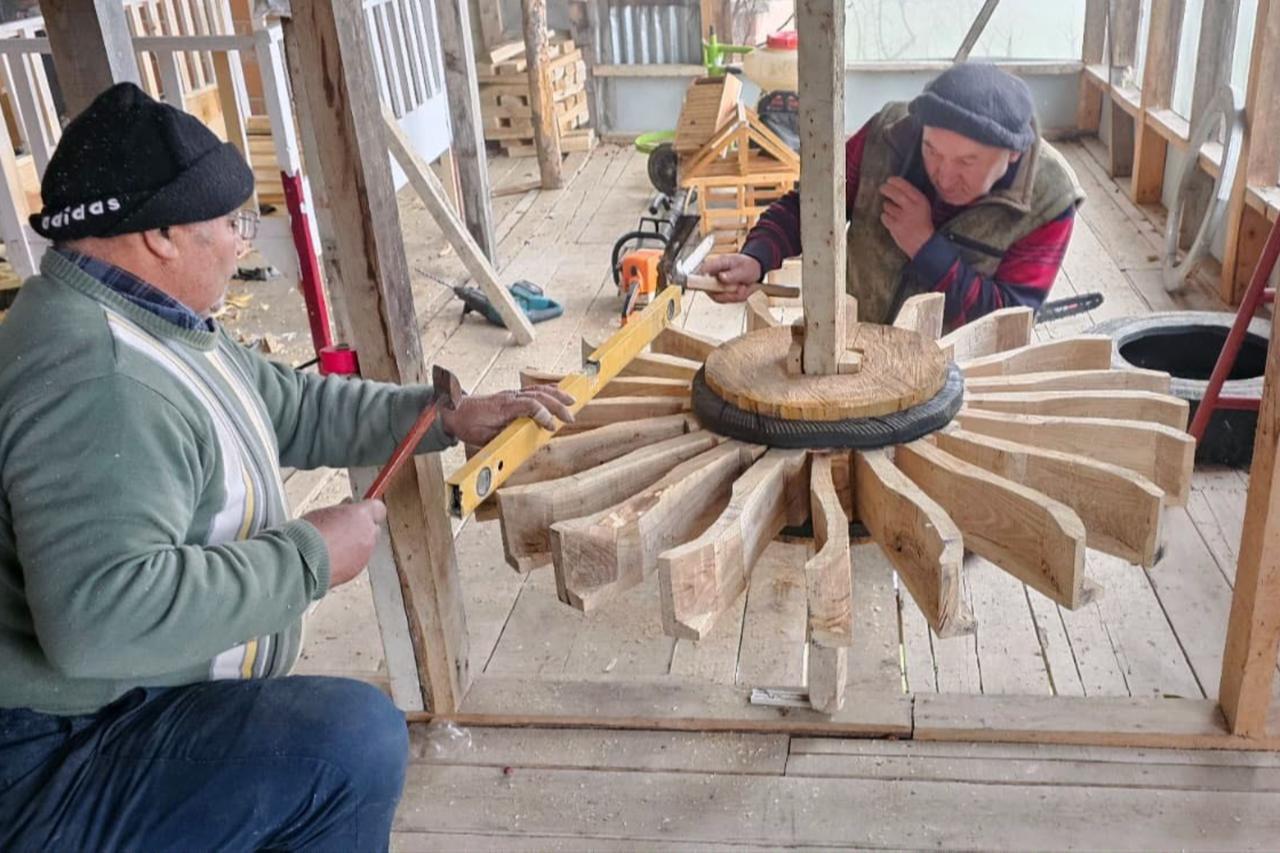


Amid the rushing waters of Giresun’s Kizilkaya Creek, one man is keeping an age-old craft alive. Yasar Yilmaz, 66, the last of his kind, is reviving the art of wooden water mill wheels, restoring broken mills, and preserving a centuries-old tradition that modern metal wheels could not withstand.
In a region where agriculture and livestock farming remain the backbone of village life, Yilmaz’s work ensures that both tradition and practical needs continue hand in hand. He has dedicated decades to producing durable wooden wheels for local village mills.
Yilmaz explained that metal wheels, once widely adopted in village mills, fail quickly due to the chemical composition of Kizilkaya Creek’s water.
“The water here contains a high amount of copper because of the minerals in the creek. This corrodes metal wheels very quickly. Often, they become unusable within a year,” he said.
Faced with this challenge, Yilmaz returned to traditional wooden wheels, which are more durable and efficient. “Wooden wheels last longer and work more reliably. The mills in our area are now operating with wooden wheels that we made, and they are even more efficient than before,” he added.
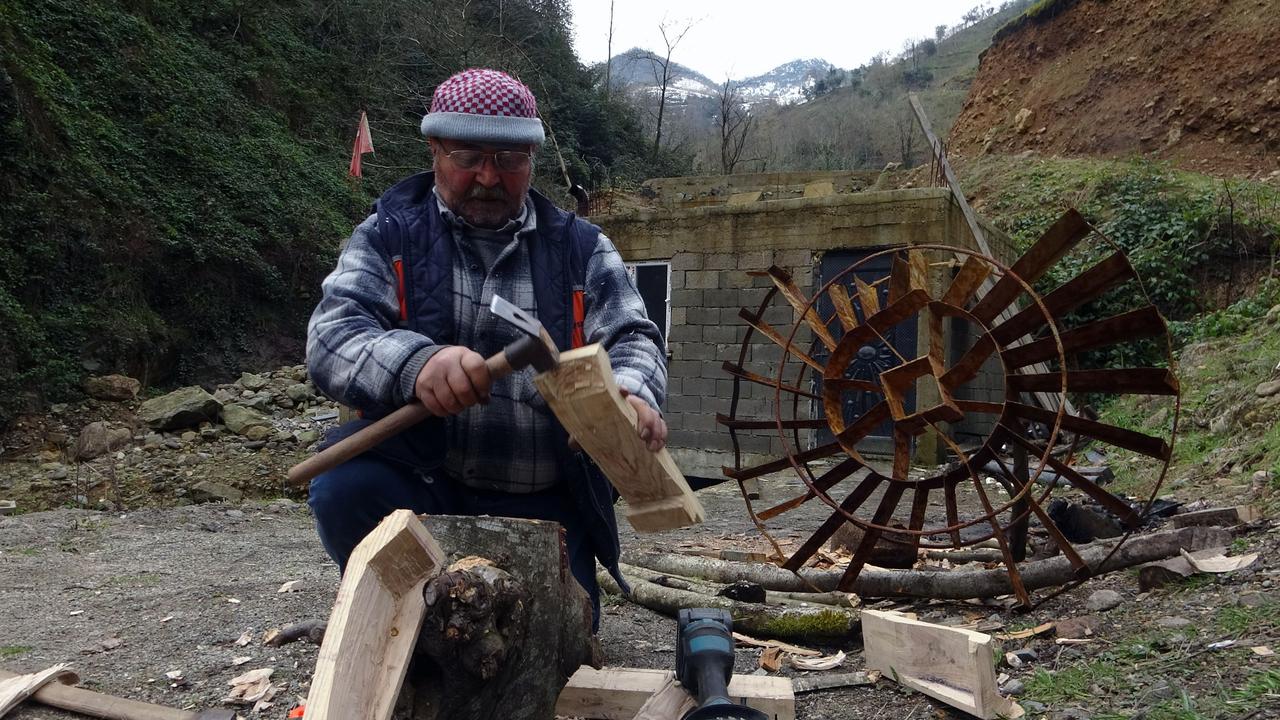

Describing how he learned the craft, Yilmaz said, “In the past, there were no metal wheels; all the old masters made wooden wheels. Over time, people switched to metal, but they didn’t last long. Eventually, there was a return to wooden wheels, but by then, many of the old masters had passed away. I had observed some of them when I was younger and learned a few things. About 20 years ago, when one of the mill wheels in our village broke, I shaped a kizilagac (red elm) tree into a new wheel and got the mill running again.”
Yilmaz also emphasized that water mill craftsmanship is a vanishing profession. “Most of the masters who came before me are no longer alive. I learned this craft from my uncle. He was a master in making spoons, ladles, and mill equipment.
When a mill part broke, he would immediately make a replacement. We learned by observing and practicing. Seeing something is important, but making it yourself requires skill, patience, and talent,” he explained.
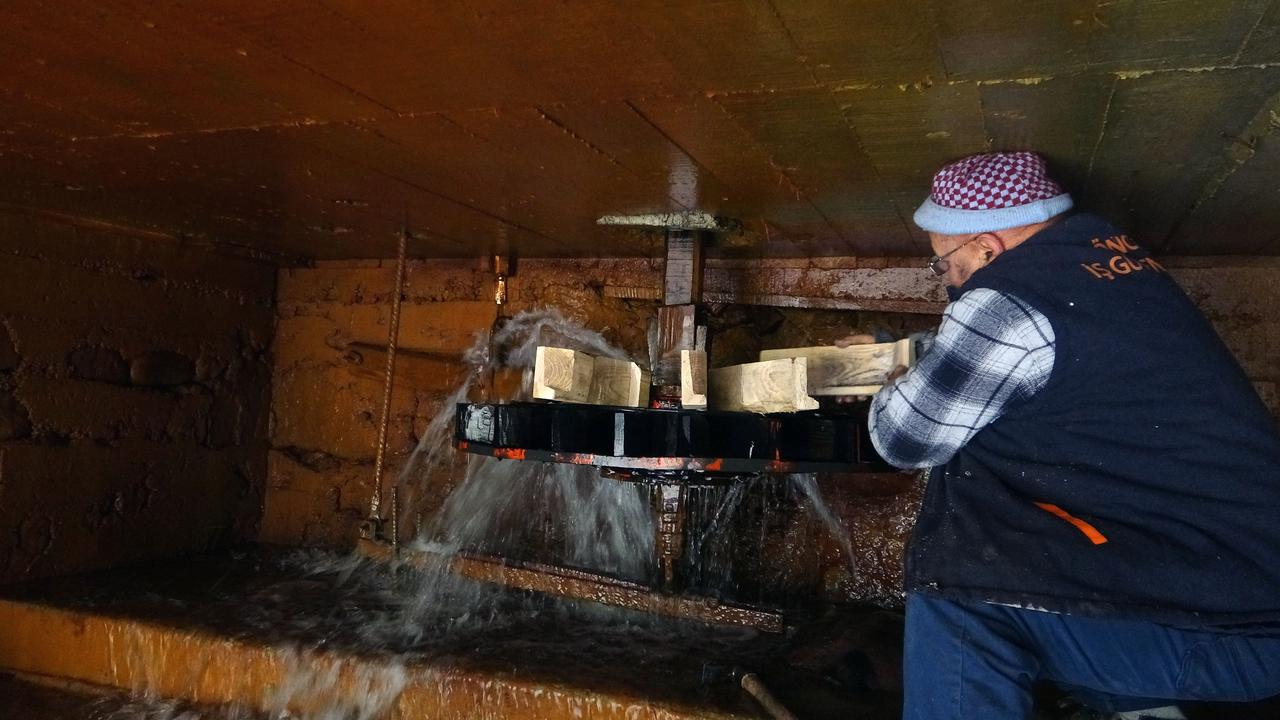
Water mills continue to play a vital role in the region because of widespread farming and livestock activities. “Our villages primarily rely on farming and animal husbandry for their livelihoods. Livestock farming is especially common, and to feed the animals, crops such as barley and corn are ground in the mills. Additionally, mills are still used to produce cornmeal. For this reason, water mills continue to meet an important need in our region,” Yilmaz said.


 Set as preferred source
 Set as preferred source


 1 min read
 1 min read