Newsletters


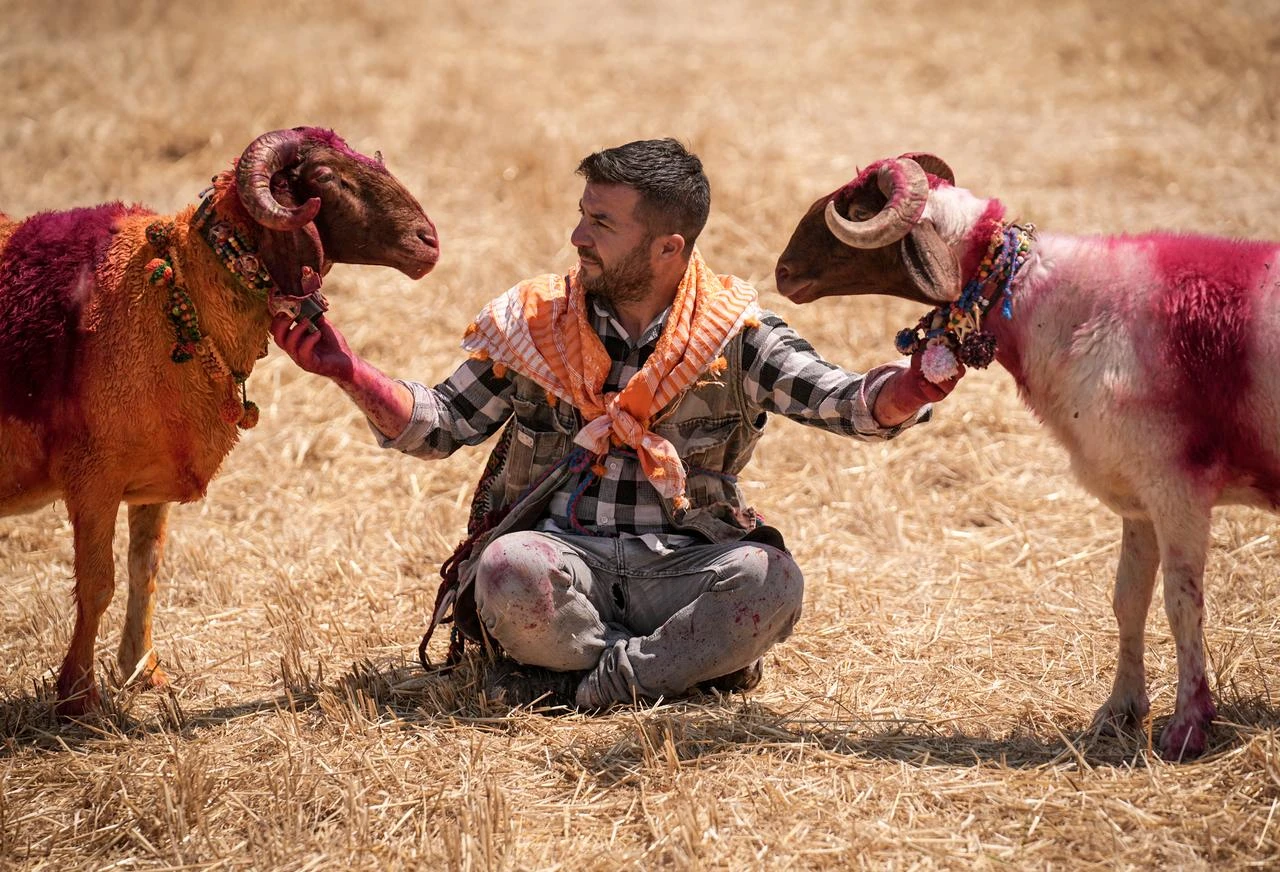
A shepherd leads his flock toward the Great Meander River in the Cal district of Denizli, Türkiye, ahead of the annual “sheep crossing the river," an 853-year-old tradition in which flocks are led across the river without drinking from it.
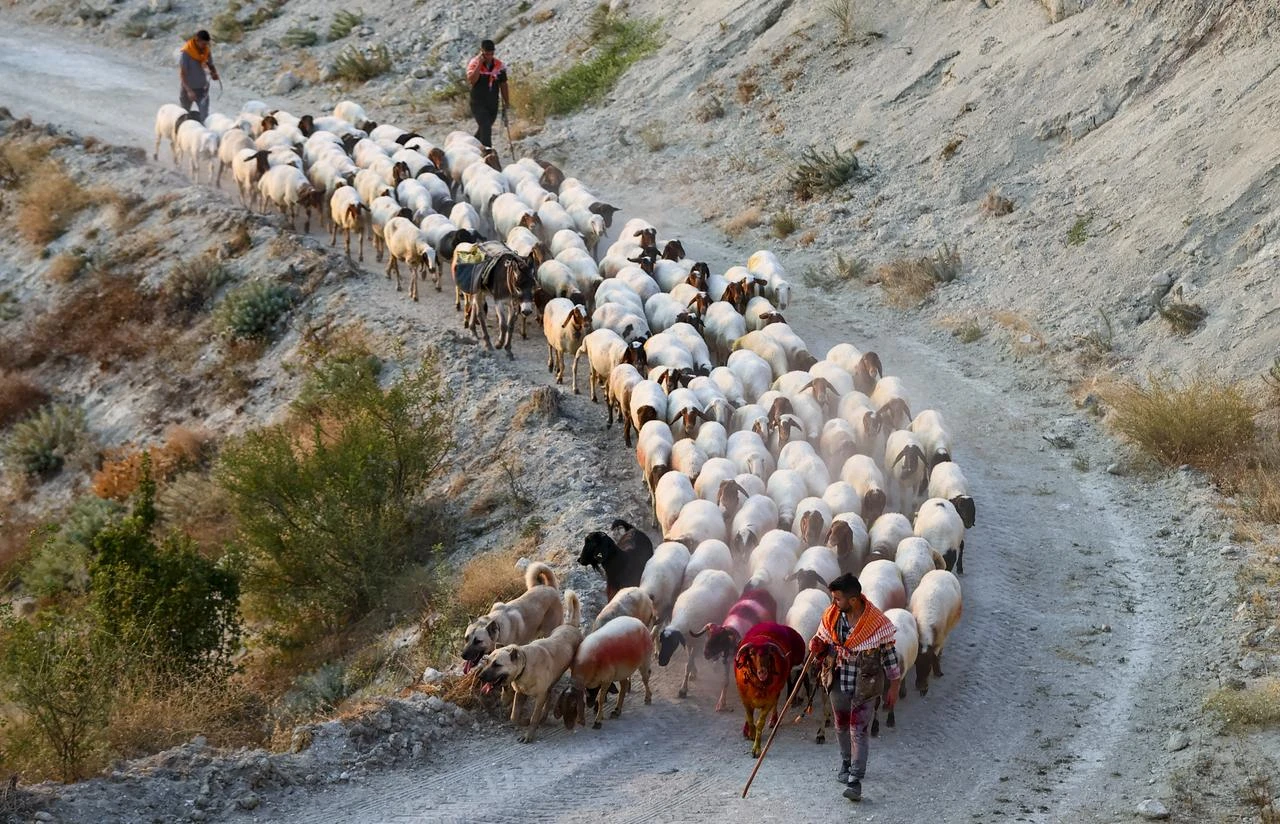
According to Yoruk legend, a shepherd from the Karakoyunlu tribe settled in the Cal region and fell in love with the daughter of a local Oguz lord.
The lord, unwilling to give his daughter's hand, set the shepherd an impossible task before granting his blessing.
The lord demanded the shepherd feed his sheep salt for three days, then lead them across the Great Meander River without letting them drink.
The shepherd succeeded, but the lord still refused the marriage, and the daughter later died of grief.
The heartbroken shepherd spent the rest of his life in the mountains playing a reed flute.
Local communities began reenacting his feat annually, a practice now recognized on UNESCO's Intangible Cultural Heritage List and held for 853 consecutive years.
This year's event, staged at the Koprubasi crossing point in the Asagiseyit neighborhood, will bring together 47 shepherds and 63 flocks, continuing a custom passed down through generations of families in the region.
Last year's event was largely symbolic after drought left the Great Meander riverbed completely dry, drawing attention to worsening water shortages in the region. Rainfall this year raised the river's water level, easing shepherds' concerns ahead of the crossing.
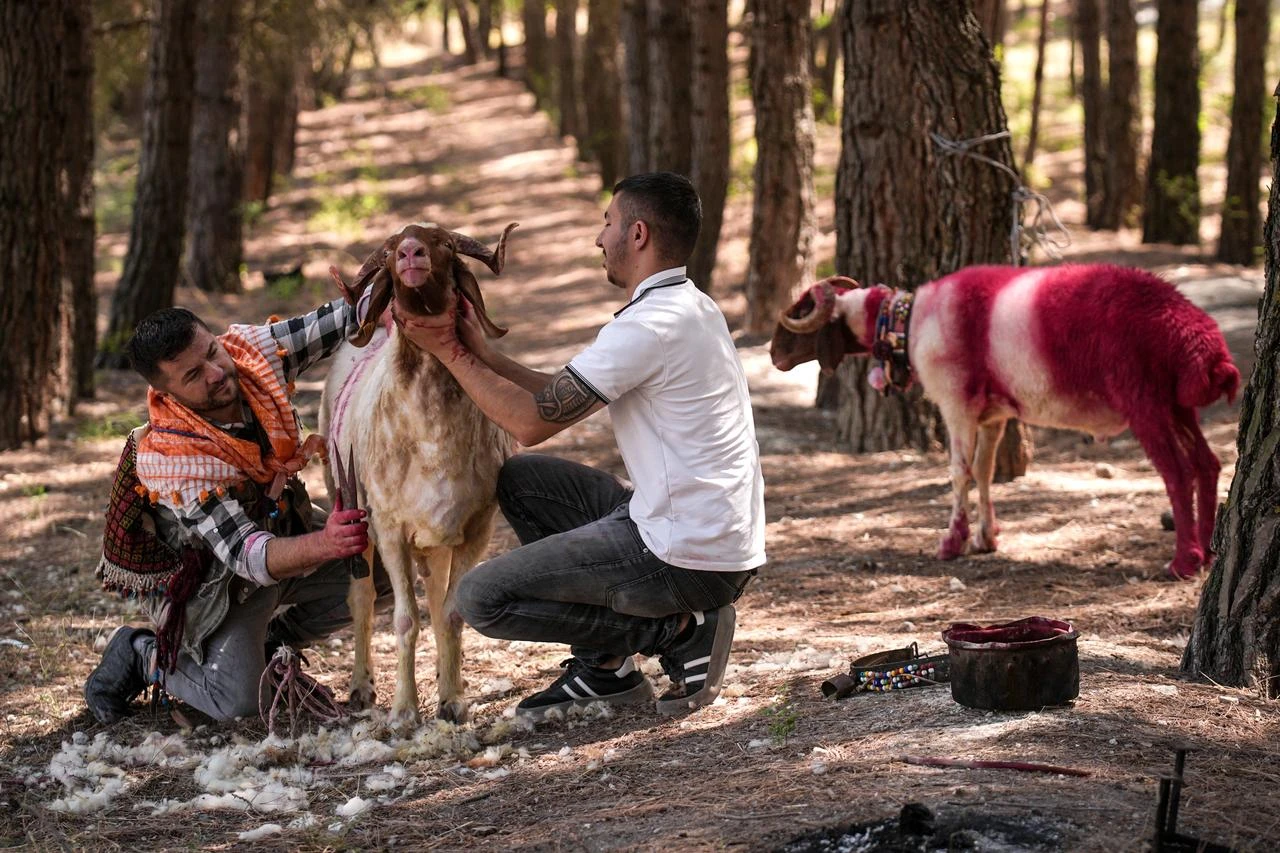
Each flock is guided by an "elci" sheep, a lead animal trained over roughly a year to guide the herd during the crossing and in daily grazing.
Shepherds intensify training in the weeks before the event, spending extra time with the animals to strengthen the bond.
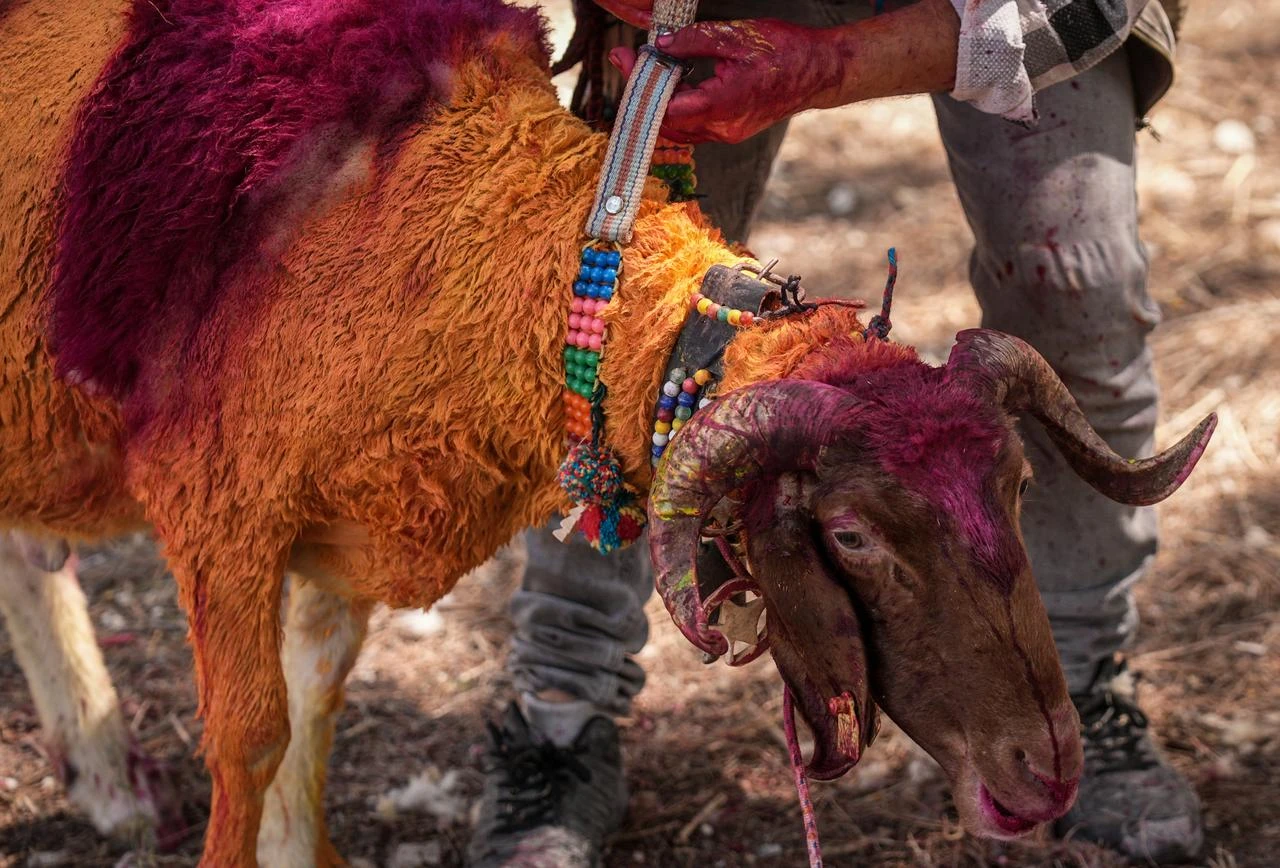
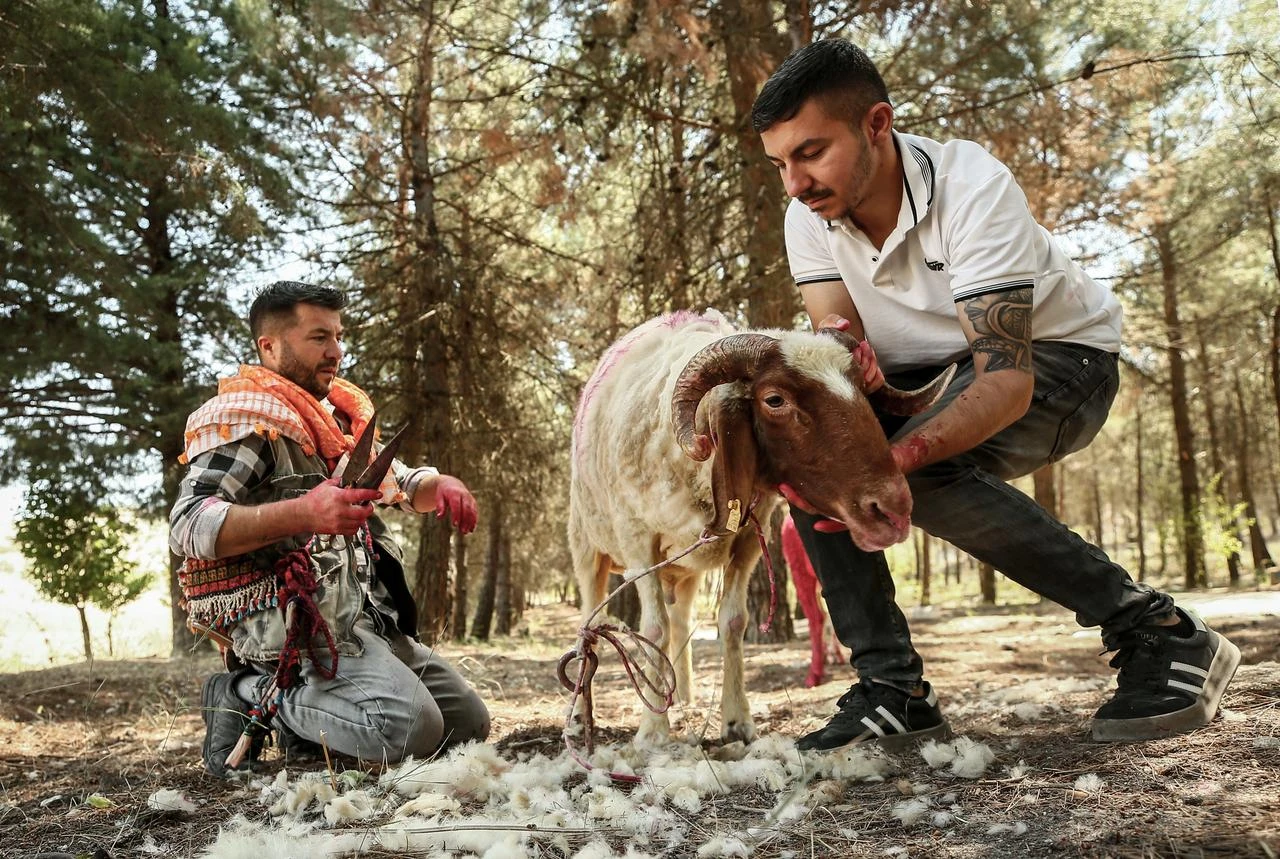
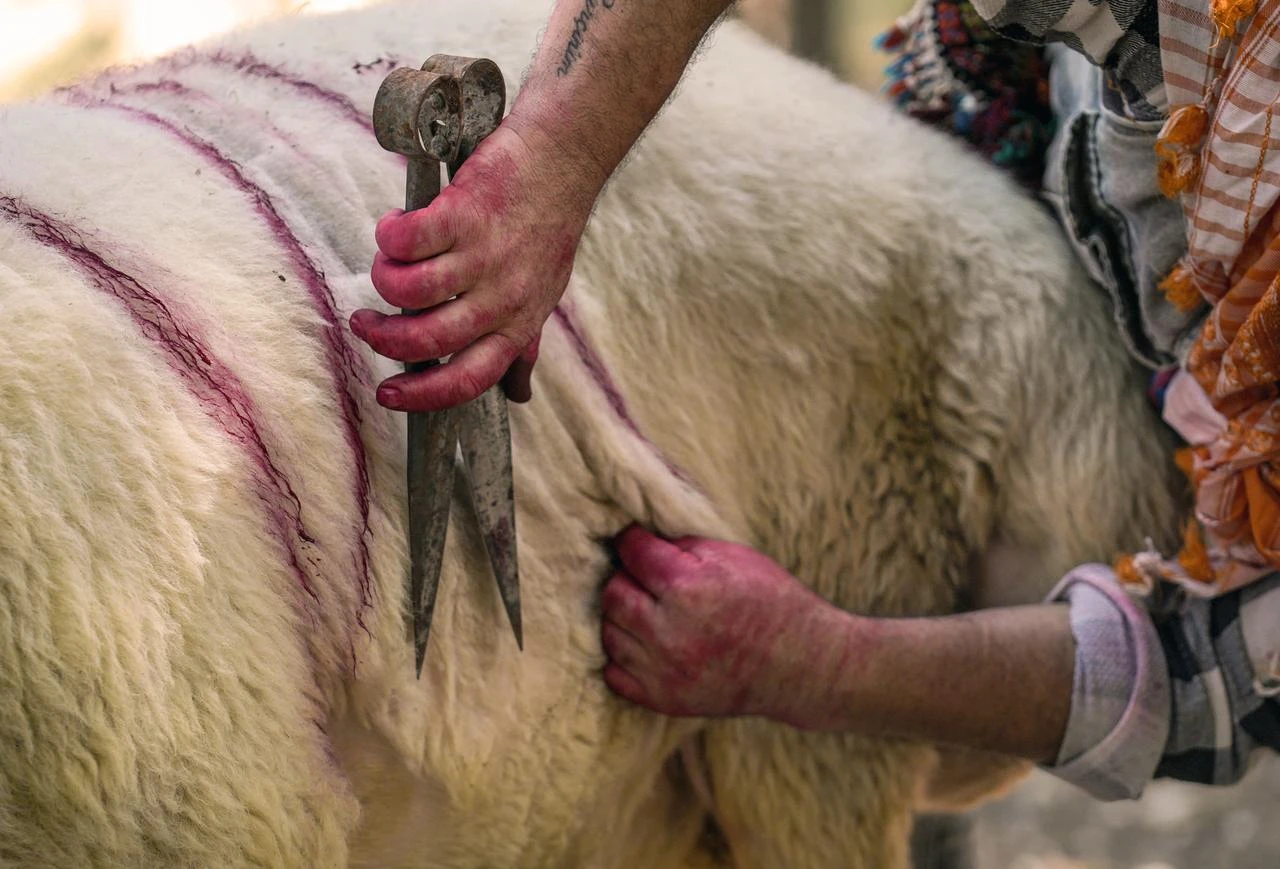
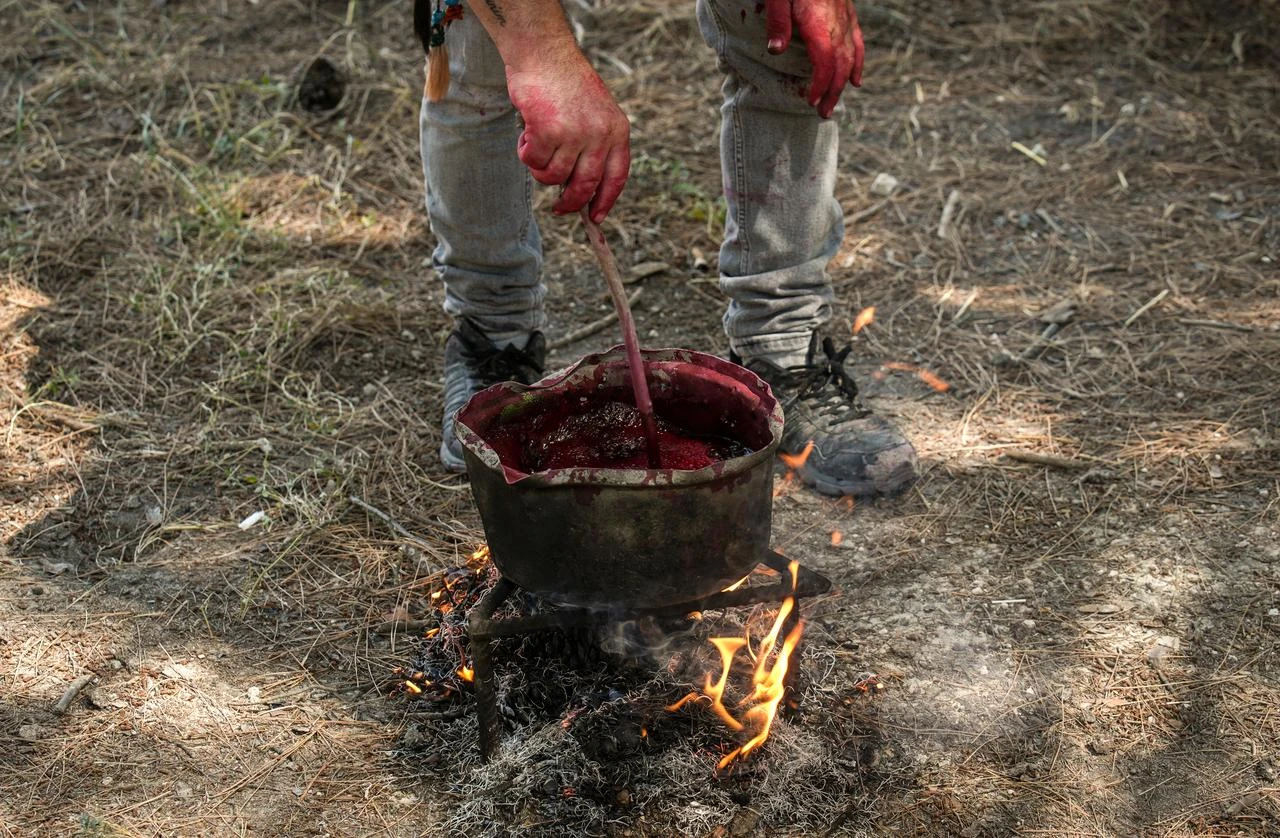
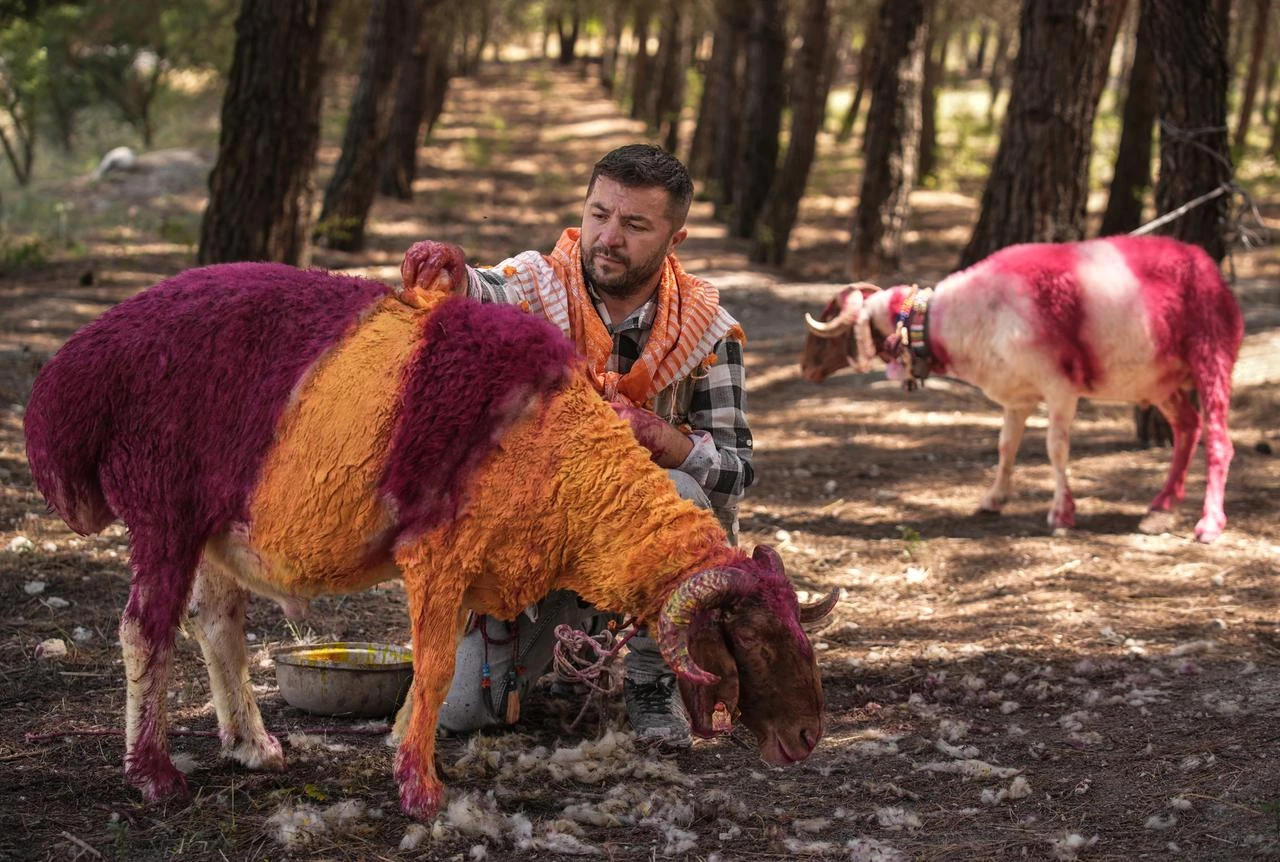
Three days before the event, shepherds shear their elci sheep and dye their wool purple, following a custom passed down through generations.
The sheep receive close attention in the final days as shepherds complete preparations for the crossing.
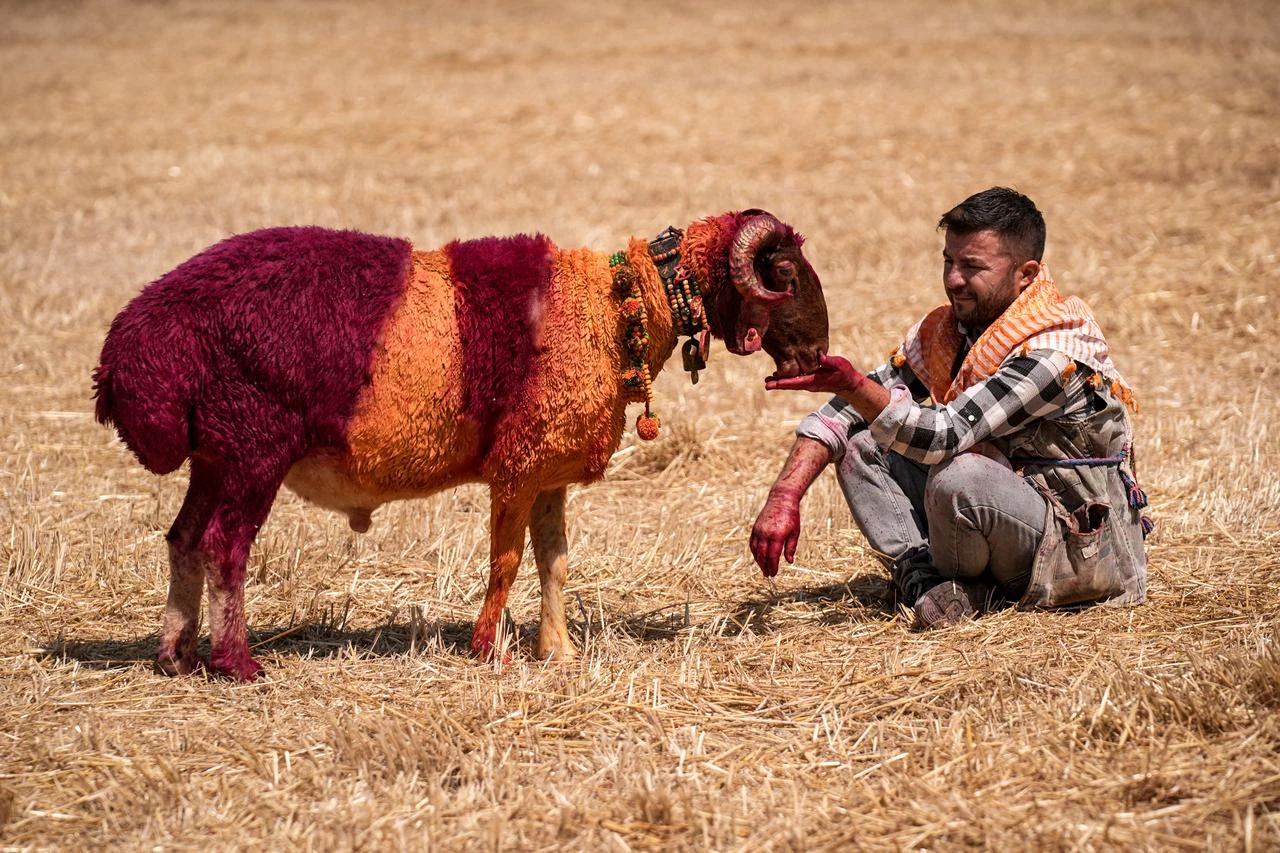
Musa Kayis, 28, from the Yukariseyit neighborhood, continues the shepherding trade inherited from his family despite having graduated from Pamukkale University.
He said the tradition carries the weight of a holiday for local shepherds, even as their numbers decline in the mountains.
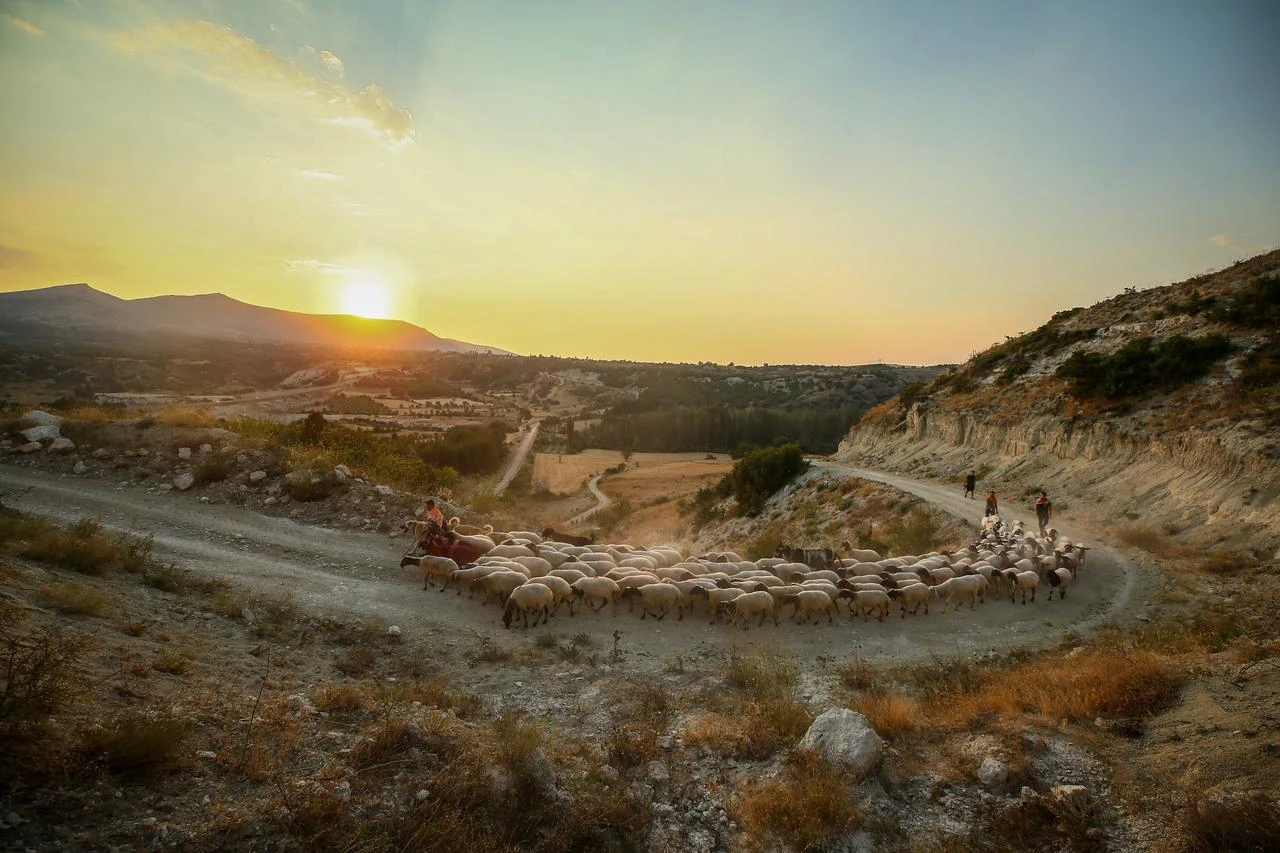
Kayis said preparing an elci sheep takes almost a year of daily care, describing the bond as one built on mutual attention between shepherd and animal.
He said the sheep leads the flock back to the shepherd whenever called, even outside competition days.
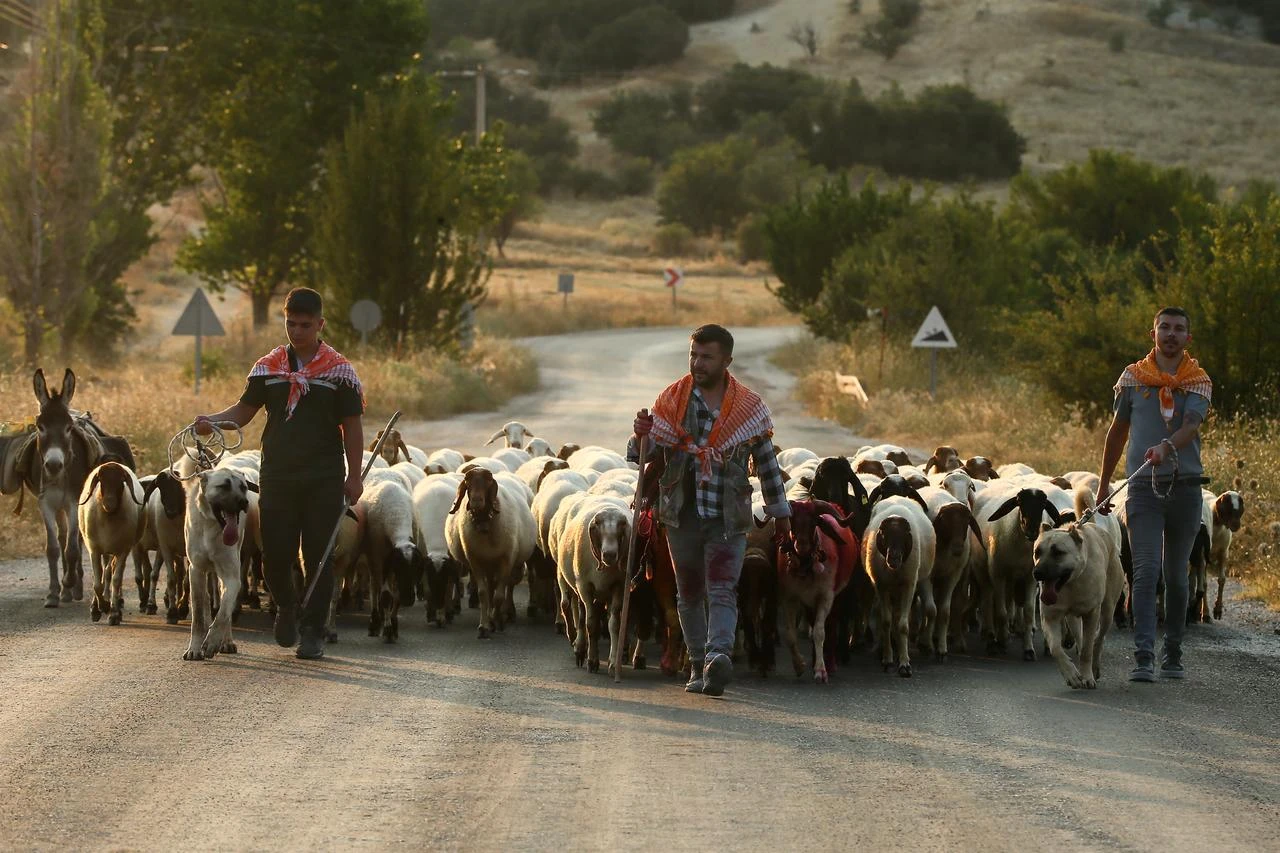
Comparing the ritual to a wedding, Kayis said shepherds dye and decorate their sheep in the final days much as a bride and groom are prepared before a ceremony.
As shepherds and flocks gather at the riverbank, the “sheep crossing the river” endures as one of the few ceremonies of its kind worldwide.

 2 min read


 Set as preferred source