Newsletters





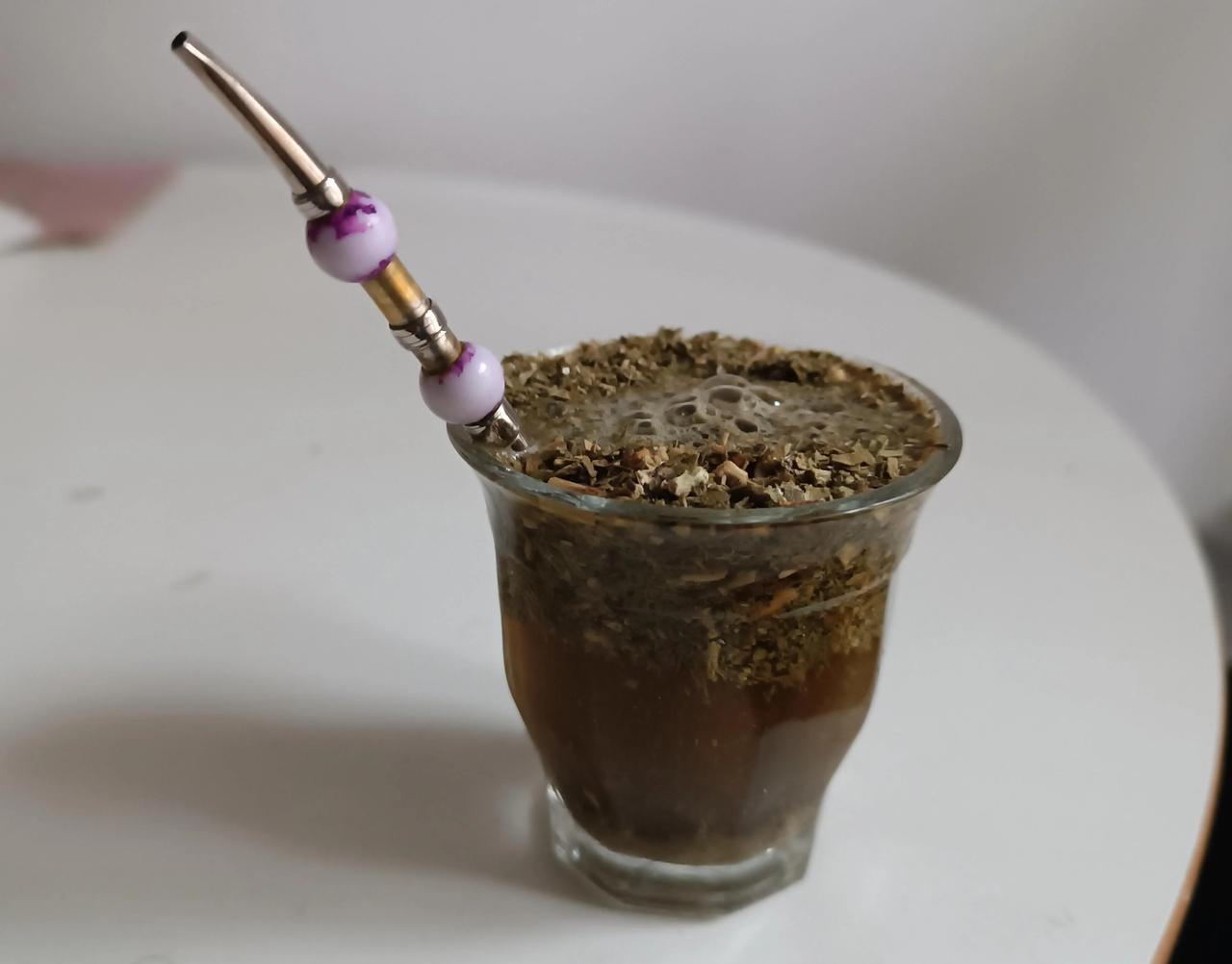
Green leaves, hot water, a metal straw—and you'd swear you were in Buenos Aires. But this scene is playing out in Idlib.
You have probably seen it countless times in the hands of Lionel Messi, Mauro Icardi and other South American footballers: a small cup packed with green leaves, topped up with hot water and sipped through a metal straw.
It is mate, one of South America's most recognizable drinks. But its story does not stop in Argentina, Uruguay or Paraguay.
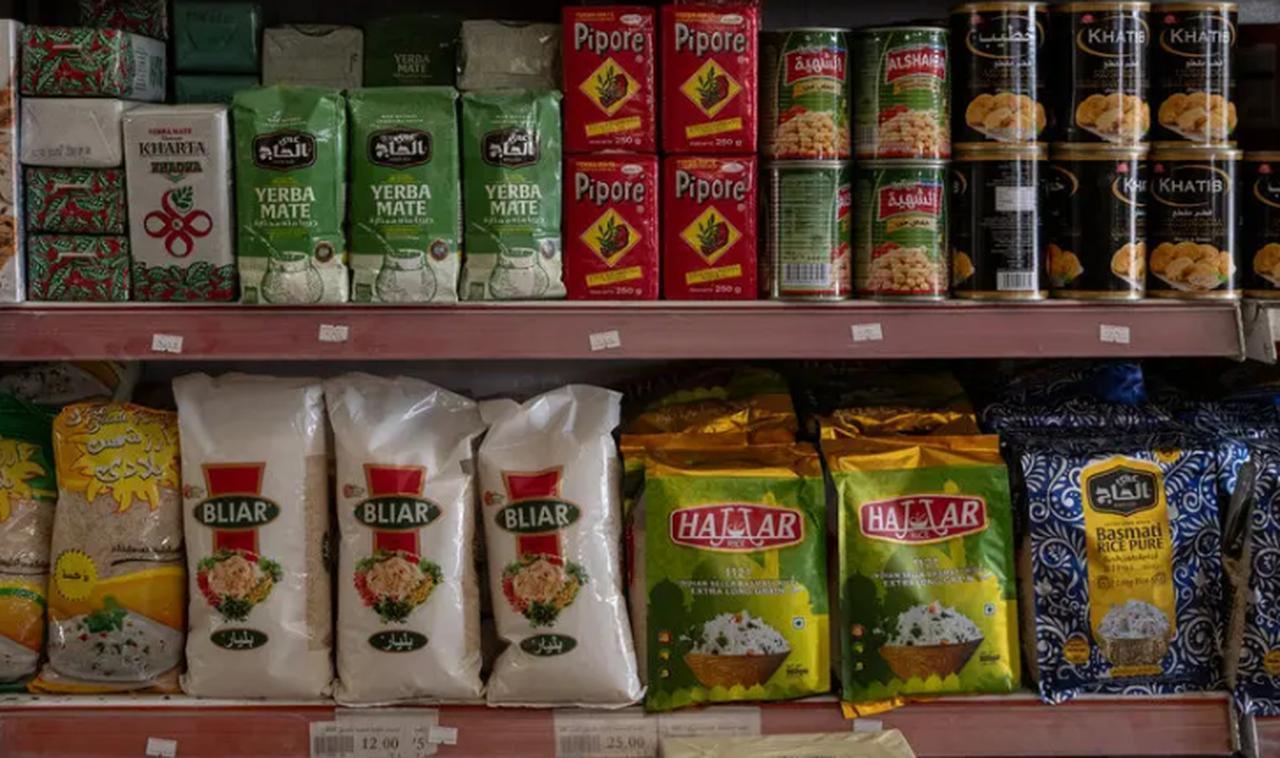
Thousands of kilometers away, mate has also become part of everyday life in Syria, where it is poured at family tables, passed around among friends and served during long conversations. The unlikely connection goes back to Syrian migration to South America in the late 19th century.
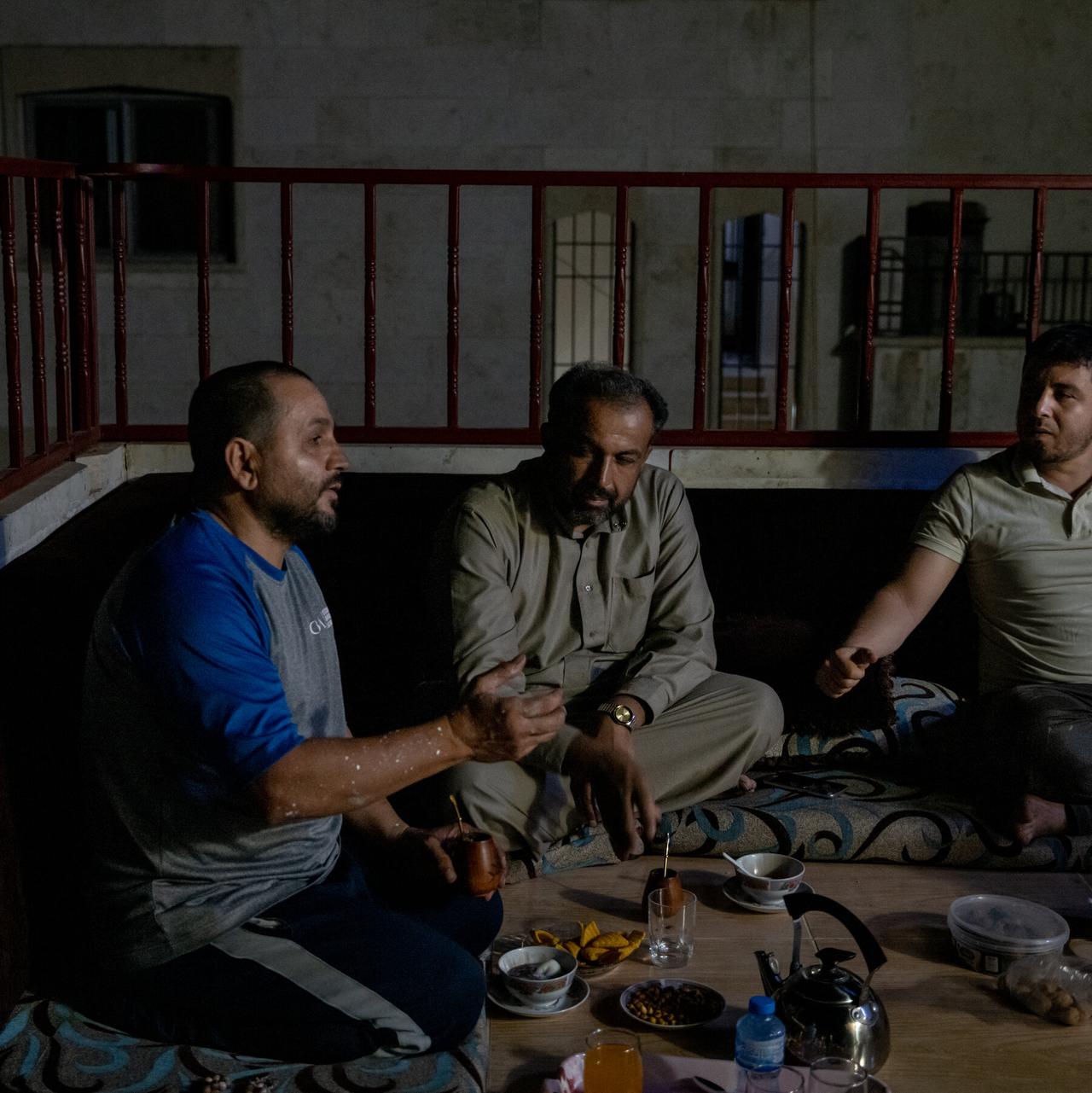

Mate comes from the leaves of the Ilex paraguariensis plant and has been consumed in South America for centuries, with its roots stretching back to the Guarani people.
By the late 19th century, Syrians who had migrated to South America encountered a drink that was already deeply woven into local life.
When some of those migrants later returned home, they did not come back empty-handed. They brought the habit of drinking mate with them.
From there, the tradition spread through places including Suveyda, Lazkiye, Tartus, Humus, Hama and Damascus, gradually turning what began as a foreign custom into a familiar part of Syrian daily life.
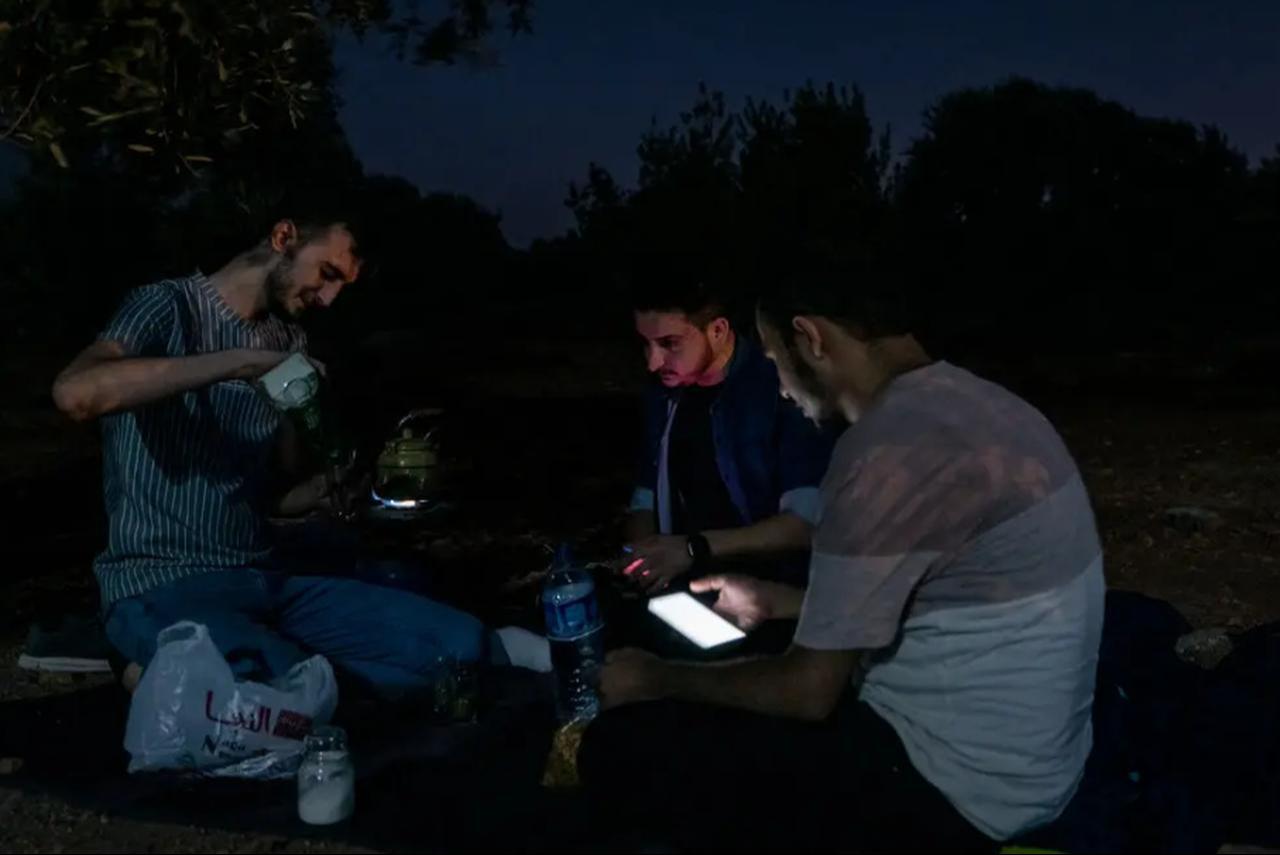
What makes mate stand out is not only what is inside the cup, but what happens around it.
The drink is prepared with dried yerba mate leaves and hot water, then sipped through a filtered straw known as a bombilla. In traditional South American settings, one person, called the cebador, prepares the mate and passes it around.
The cup moves from person to person, making mate as much about conversation and company as caffeine.
That same social character helped the drink settle into Syrian culture. Mate can be found at family gatherings, among groups of friends and during long talks, making the ritual feel surprisingly at home in a culture where sharing drinks already carries a strong social meaning.
Mate has different identities across South America.
In Argentina and Uruguay, it is deeply associated with daily life, while Paraguay is especially known for terere, a cold version prepared with chilled water.
Despite those variations, the central idea remains the same: mate is meant to be shared.
That is also what makes its Syrian story so striking. A drink born thousands of kilometers away crossed the Atlantic through migration and ended up becoming part of another society's everyday habits.

Long before mate became a familiar sight in football dressing rooms and social media posts, the Guarani people were already preparing the leaves and drinking them for energy and nourishment.
During the colonial period, mate developed into an important commercial product, while Jesuit missionaries later helped systematize its cultivation.
Today, the drink has moved far beyond its original geography, but Syria remains one of the clearest examples of how migration can completely reshape where a food or drink "belongs."

In Türkiye, mate is also preferred for its perceived diuretic effects, antioxidant content and caffeine, and is increasingly available in cafes and supermarkets.
For now, however, it is more often presented as a wellness or alternative caffeine drink than as the shared social ritual found in South America and Syria.
The contrast is striking: in one place, mate may look like a trend. In another, it has already been part of daily life for generations.


 Set as preferred source
 Set as preferred source


 1 min read

 1 min read