Newsletters


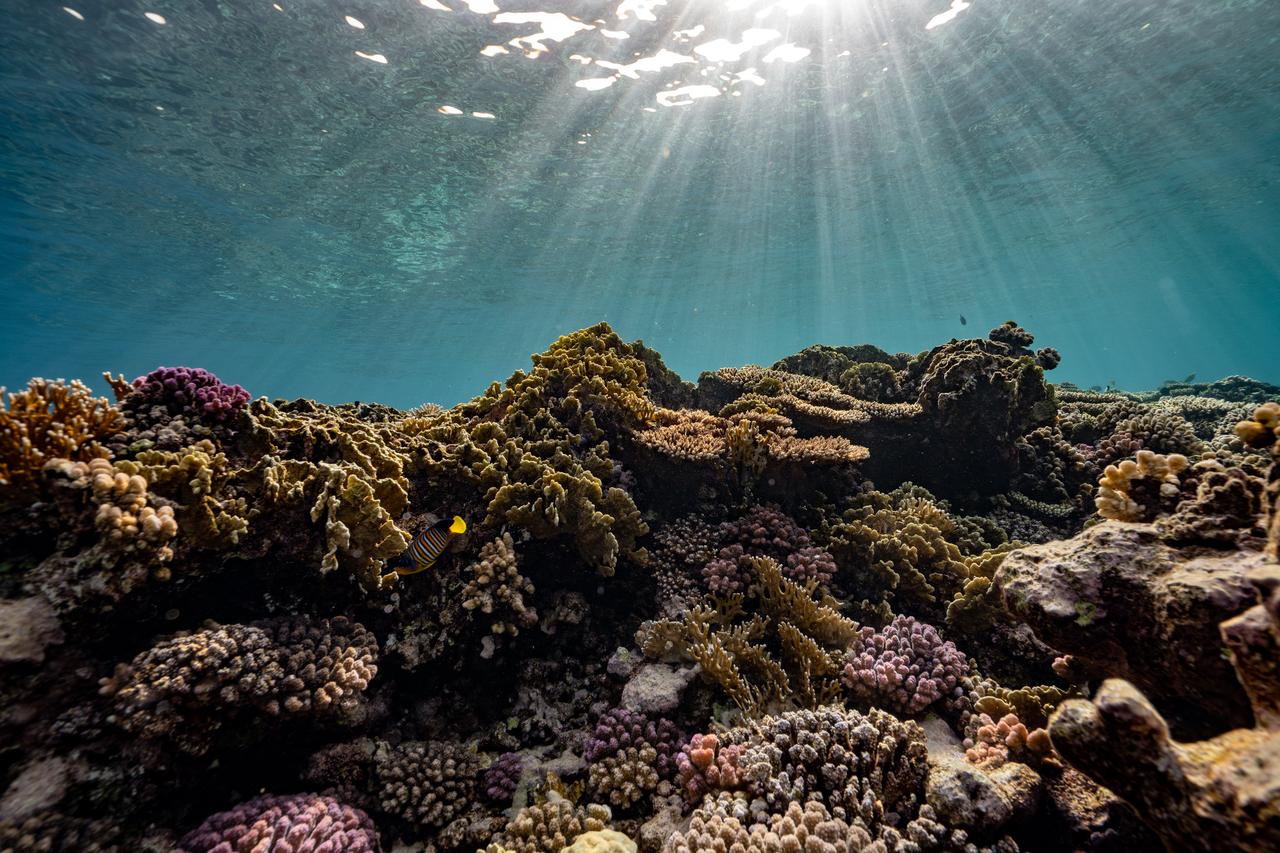


Experts have found that 96% of shallow-water coral reef ecosystems worldwide face the risk of disappearing by 2075 because of climate change.
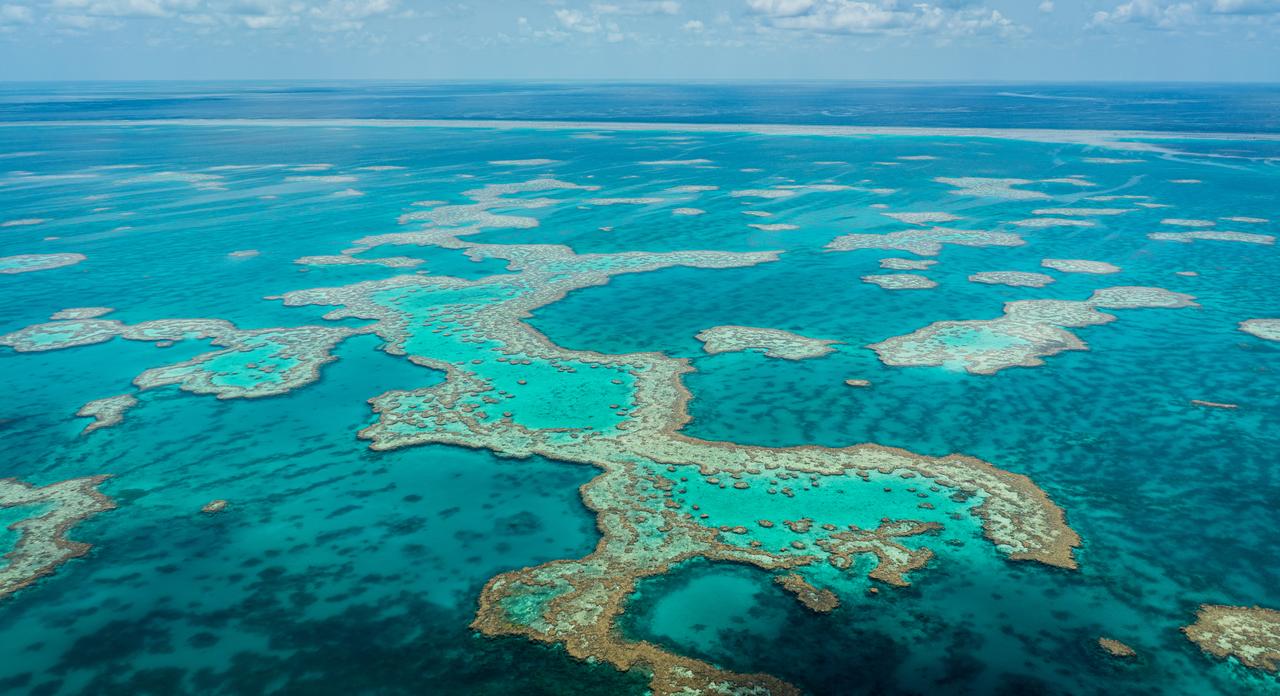
The International Union for Conservation of Nature (IUCN) report placed four reef systems in its highest threat category. The Great Barrier Reef lies off Australia’s northeastern coast. The Coral Triangle covers waters of the western Pacific and Southeast Asia. The Mesoamerican Barrier Reef System runs along the Caribbean coasts of Mexico, Belize, Guatemala and Honduras. The coral reefs of the Red Sea lie between northeastern Africa and the Arabian Peninsula.
The Great Barrier Reef is the world’s largest coral reef system. The Coral Triangle spans the waters around Indonesia, Malaysia, Papua New Guinea, the Philippines, the Solomon Islands and Timor-Leste.
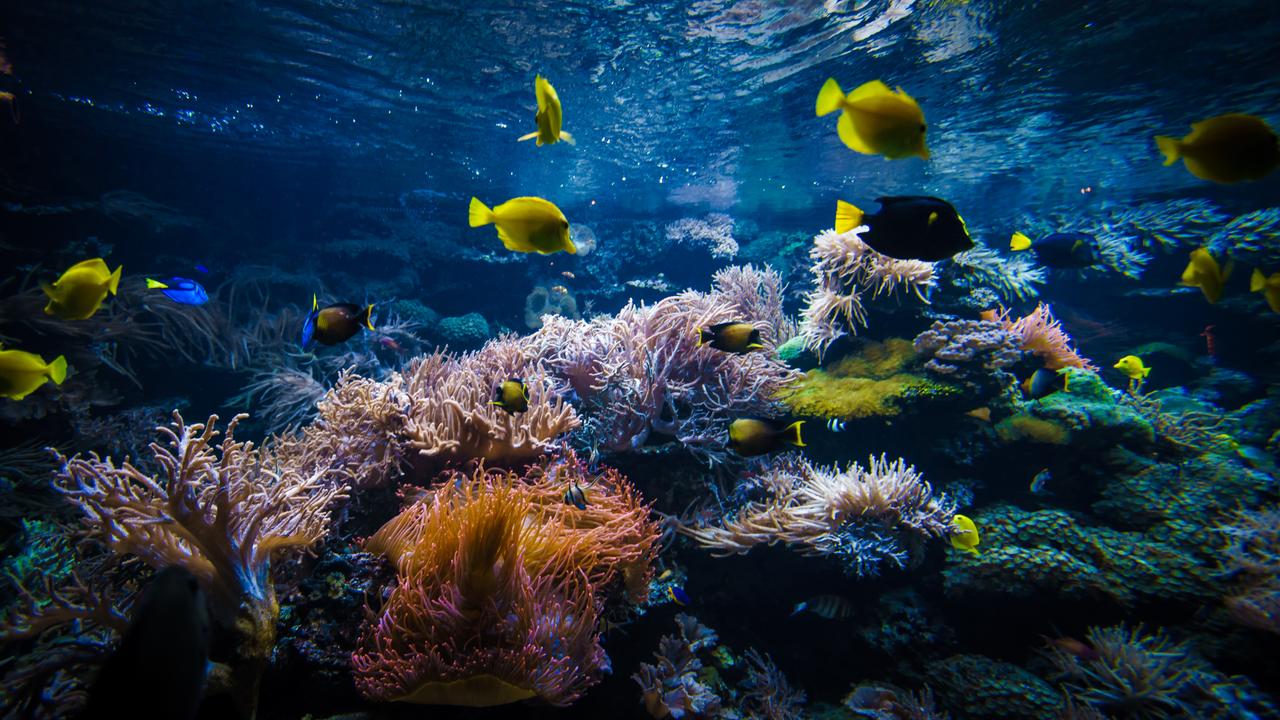

The report identified warming oceans and heat waves resulting from climate change as the biggest factor behind the loss of coral reefs.
Prolonged heat stress causes corals to expel the algae that live in their tissue and provide much of their food, a process known as bleaching. Bleached corals can die if temperatures do not return to normal.
Coral reefs cover less than 1% of the ocean floor but support about a quarter of marine species. Reefs also shield coastlines from waves and sustain fishing and tourism industries in many countries.
IUCN Director General Grethel Aguilar said protecting coral ecosystems requires reducing greenhouse gas emissions, strengthening conservation and restoration work, and increasing investment in coastal ecosystems.
The IUCN is an international conservation organization founded in 1948 and based in Gland, Switzerland. It also compiles the IUCN Red List of Threatened Species.


 Set as preferred source
 Set as preferred source



 2 min read