Newsletters


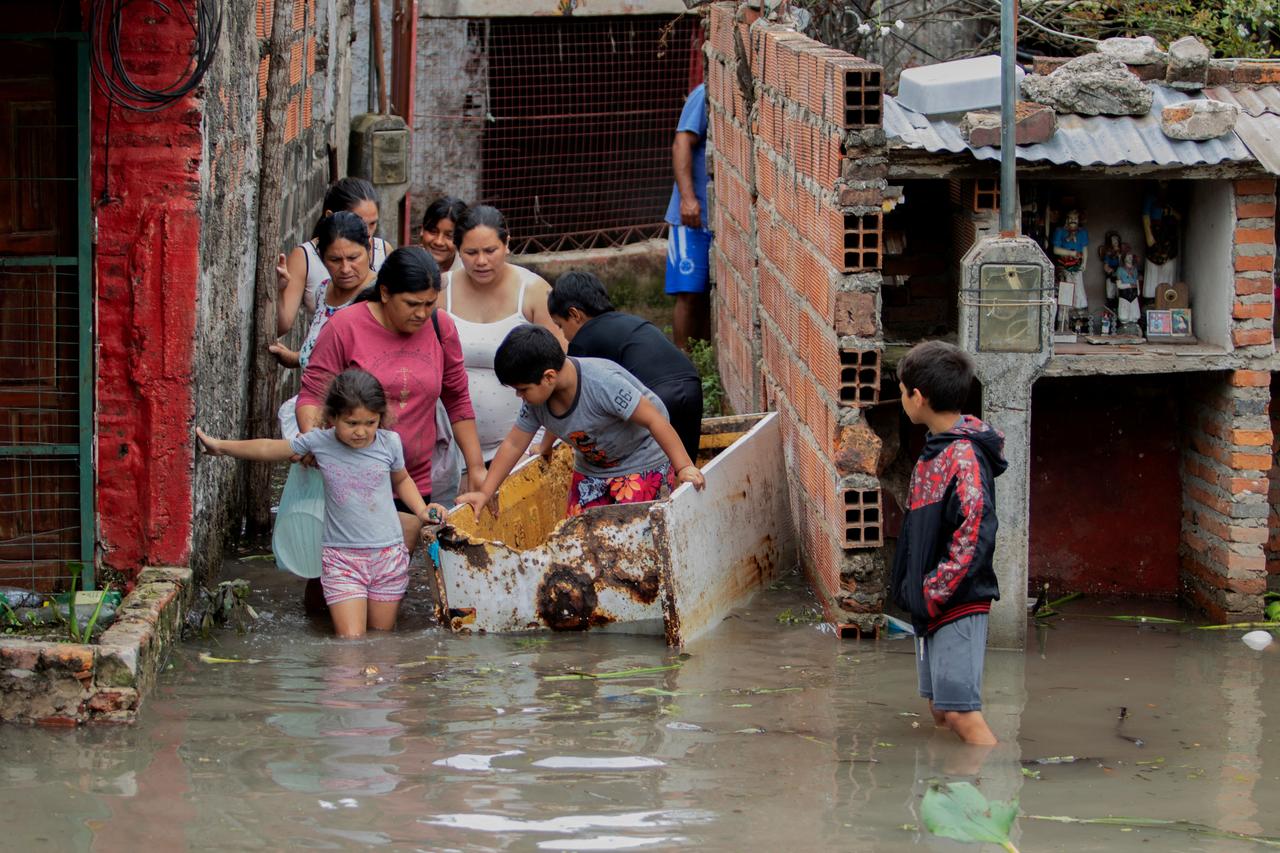


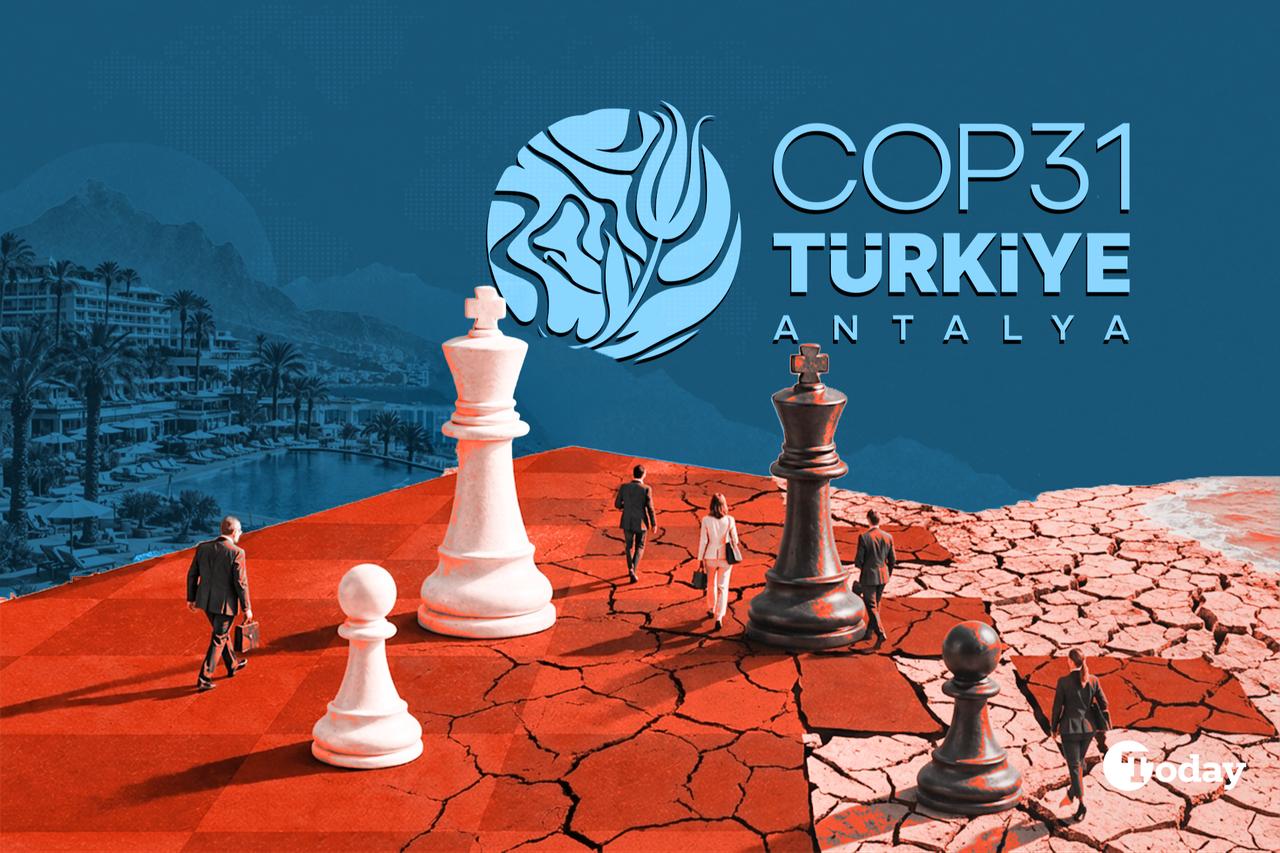
The wealthy can buy protection from climate disasters while the poorest are left to cope with shrinking resources, according to a report by Oxfam, an international charity that campaigns against poverty and inequality.
The report, titled “Disaster Divide: How climate chaos deepens inequality and enriches the few,” was published in October ahead of the COP31 global climate talks in Türkiye.
Oxfam defines the “disaster divide” as the growing gap between those who can protect themselves from climate breakdown and those who cannot. It says inequality turns extreme weather events such as floods, wildfires, cyclones and droughts into disasters.
The charity says the emissions of the richest 1% will cause 1.9 million excess heat-related deaths, meaning deaths above the number normally expected, in just one year.
Earlier Oxfam research found the super-rich bear the greatest share of responsibility for the climate crisis because of their lavish lifestyles and investments in polluting industries.
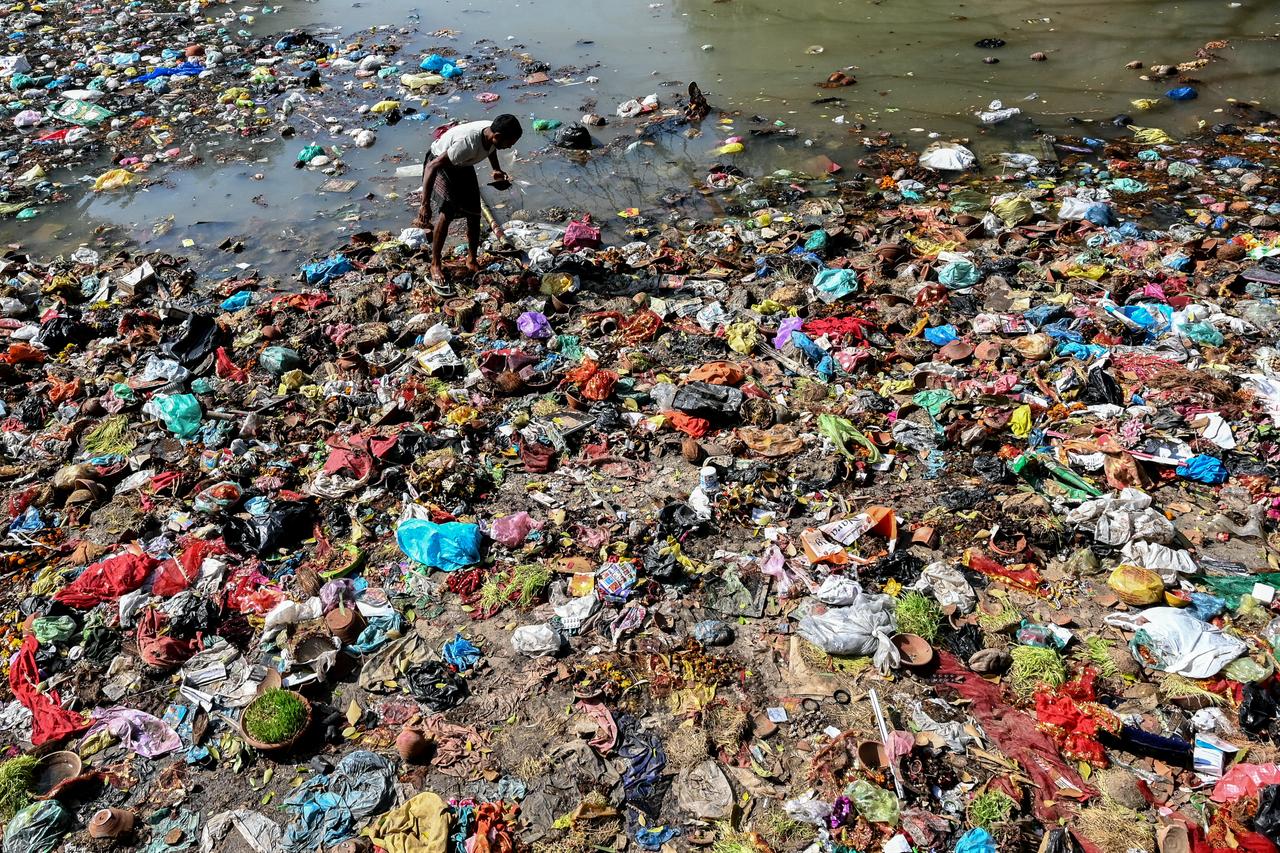

The report says the wealthiest can buy safer homes in better protected communities and absorb rising food and water costs. At the end, billionaires can buy islands and build underground bunkers. In areas hit by wildfires, some wealthy residents have hired private firefighters and been evacuated by helicopter to five-star hotels.
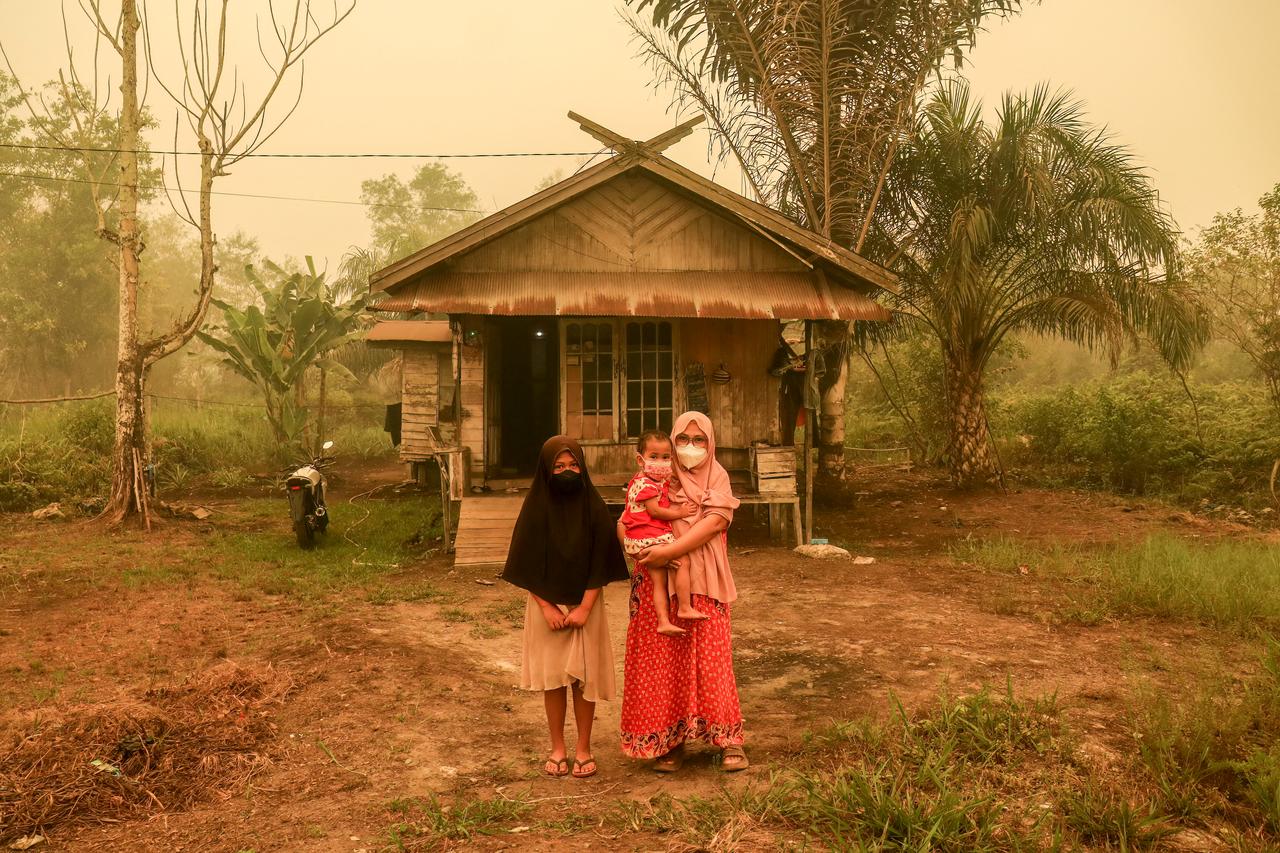
People living in poverty face a different reality, Oxfam says. Each flood, drought, wildfire or heatwave strips away more of their limited resources, destroys livelihoods and damages homes. Many are forced to take out loans, and some end up displaced or on the street. The report calls climate disasters “inequality machines.”
Oxfam also introduced a Destroy and Rebuild Index covering 217 companies. The companies either contribute to climate breakdown or work in preparation for and response to its consequences.
The charity says some wealthy investors profit twice, first from polluting industries and then from clean-up and reconstruction businesses.
Oxfam calls for climate action that puts the global majority first, particularly people who have contributed least to the crisis but are already experiencing its most severe effects.


 Set as preferred source
 Set as preferred source


 1 min read
 1 min read