Newsletters


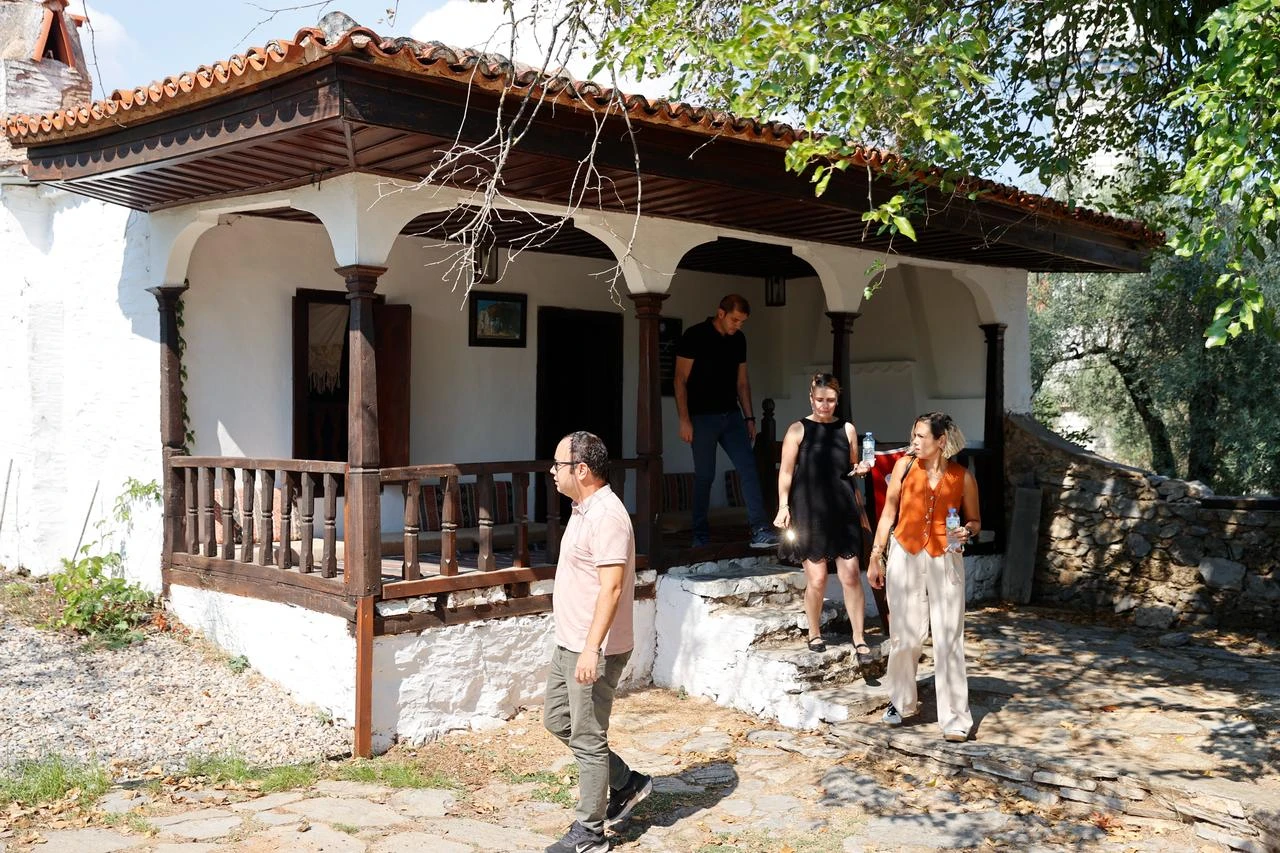


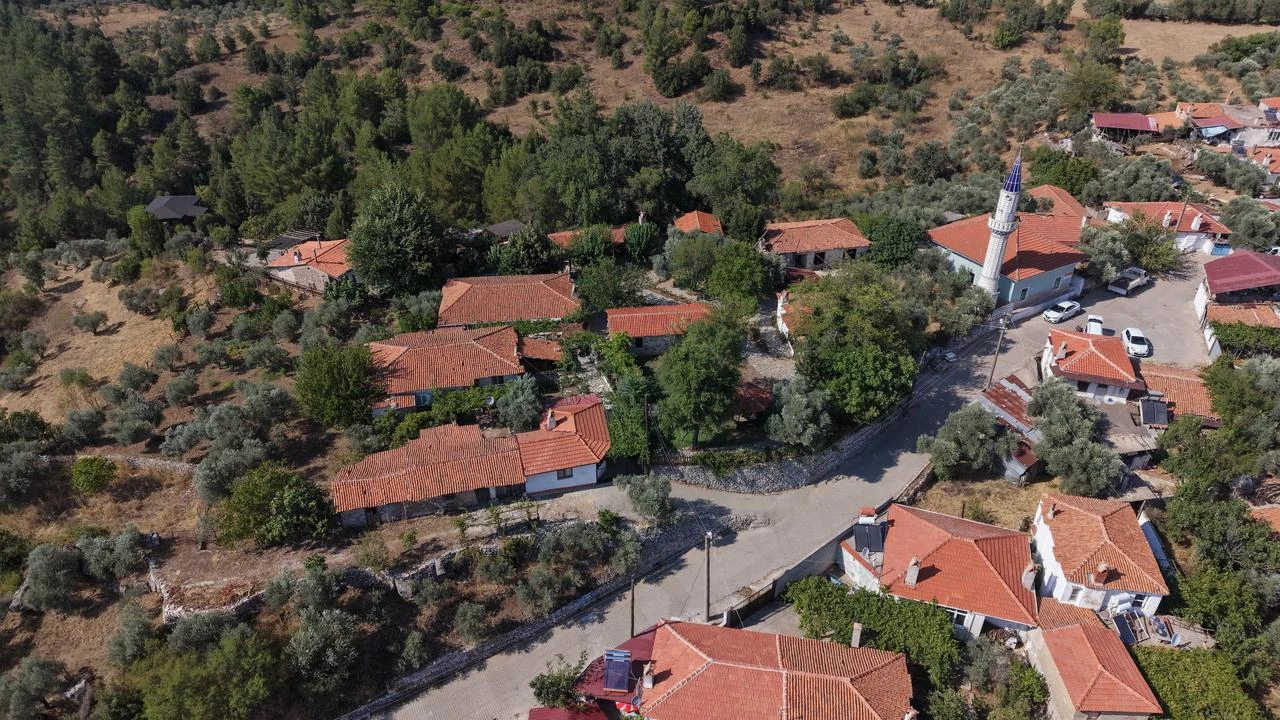
Located in the Yerkesik neighborhood of Mugla’s Mentese district in Türkiye, the Kerimoglu Turkusu (Kerimoglu Folk Song) House keeps alive the story of an event 125 years ago that led to the death of Kerimoglu Eyup, one of the Aegean region’s best-known zeybeks—folk heroes and outlaws of western Anatolia.
The house, which reflects Mugla's traditional architectural features and where Kerimoglu Eyup was shot in 1901, continues to welcome visitors with its preserved historic character and sorrowful story following a restoration completed in 2019.
Preserved with its wooden architecture bearing traces of efe (heroic outlaw) culture, along with period furnishings and costumes, the building stands out as one of the region's important stops for cultural tourism.
At the Kerimoglu Turkusu House, where Kerimoglu Eyup Efe lost his life after being shot, many details relating to life in that era draw attention.
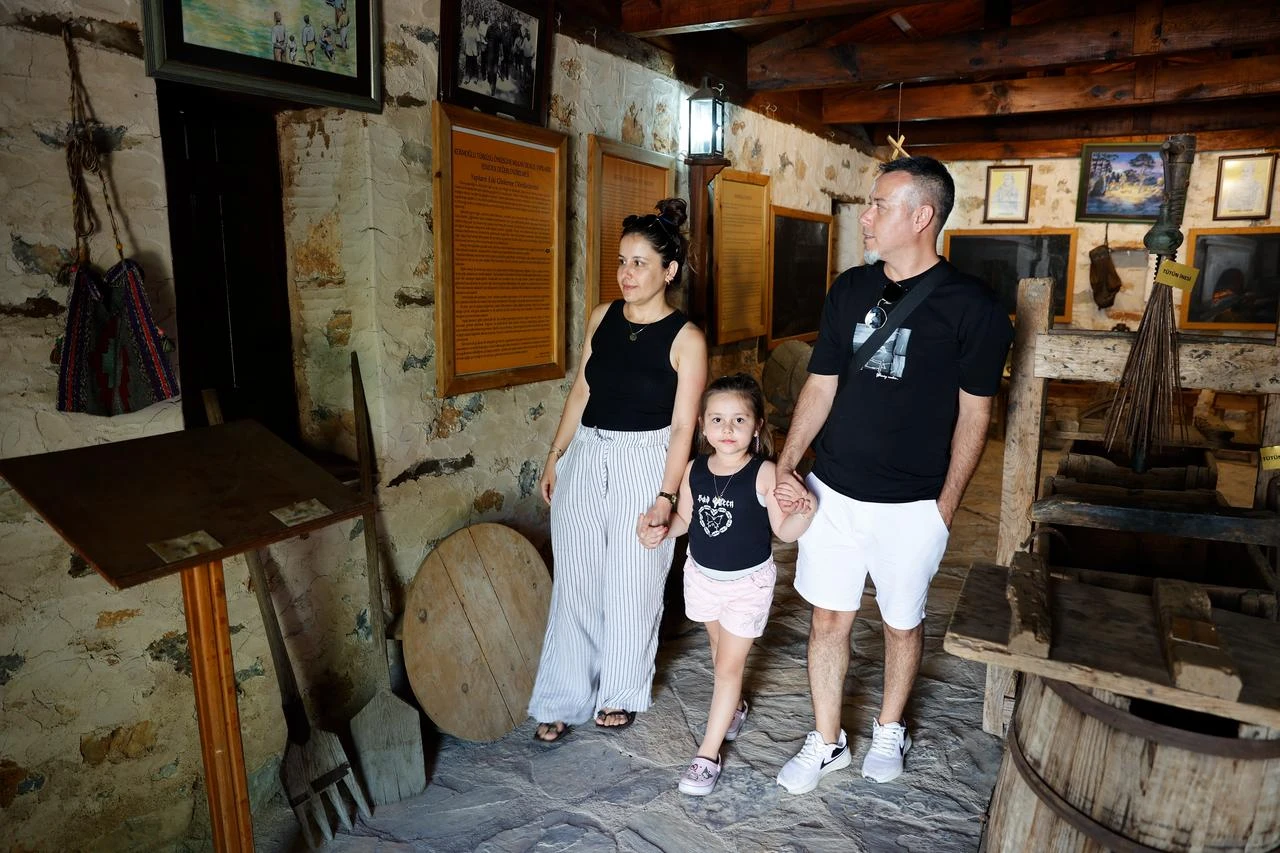
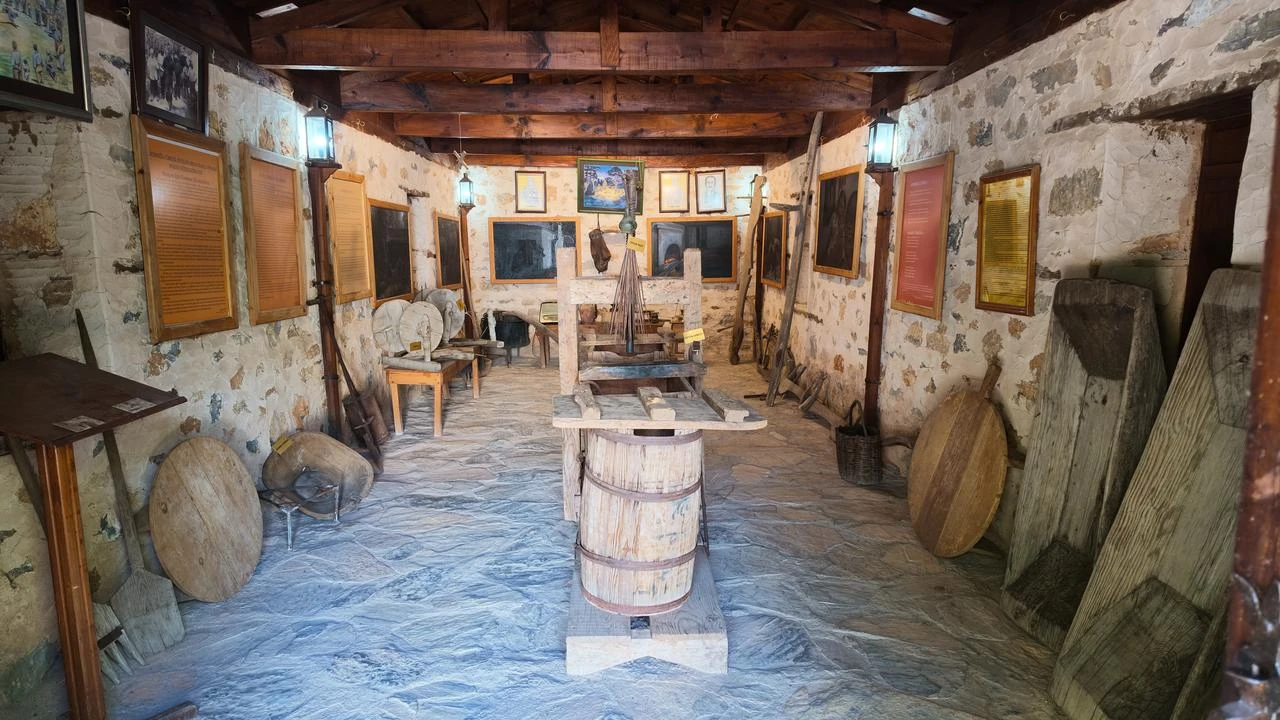
The museum house displays clothing said to have belonged to Kerimoglu Eyup, along with laced boots, historic weapons, and various items reflecting the lifestyle of the period.
As visitors tour the site, the Kerimoglu Turkusu song and zeybek melodies are played to match the historic atmosphere of the venue.
While bullet marks said to remain from the incident are still preserved on the house's door, the interior of the single-room structure features seating arranged on goat-hair rugs. A single break-action rifle, said to have been used during the period, is displayed on the wall.
Visitors have the opportunity to see the site where the story behind the birth of the Kerimoglu Zeybegi, one of Mugla's cultural symbols, took place.

Nacide Oter, an art historian working at the Mugla Metropolitan Municipality's Department of City History, Promotion and Tourism, said that the Kerimoglu Turkusu House is important for preserving cultural memory.
Noting that the house is not a palace or mansion but a structure in keeping with Mugla's local and rural architectural fabric, she said the site's significance comes from the fact that it was home to a real story.
"When visitors come here, rather than simply seeing a house where a family once lived in the past, they also connect with both the folk song and the event that took place. In this way, cultural memory is continuously passed down," Oter said.
Stating that the house, now part of cultural tourism, was also featured in a study conducted by Hacettepe University on Balkan and Anatolian folk songs and spatial analyses, Oter emphasized that while serving tourism, the site also passes on cultural memory to future generations.
The historian also emphasized that the Belen Kahvesi (Belen Coffeehouse), where the story of the Ormanci Turkusu (Ormanci Folk Song) similarly took place in Mugla, is another important stop in terms of cultural tourism.
Riza Ozturk, a tour guide working at the Mugla Metropolitan Municipality, explained that the incident that led to Kerimoglu Eyup's death took place in the early 1900s.
Noting that the Kerimoglu Turkusu is actually a lament, he said the work was performed in zeybek form by many artists over time and has survived to this day as the Kerimoglu Zeybegi, a dance performed at weddings.
The tour guide said the house particularly attracts the interest of domestic tourists. "The items inside are original, dating from that period.
The museum also displays ethnographic artifacts collected from this region. Visitors both see the house where the story took place and can examine the museum's artifacts and take photographs here," he said.
Eda Dobur, who visited the Kerimoglu Turkusu House with her family from Aydin, said they had long been curious about the story behind the zeybek dance performed at weddings for years.
"We wanted to see with our own eyes where and how the event actually happened. Even though it's a sad story, seeing this place was good for us. I would recommend it to everyone," she said.
The story of Kerimoglu Eyup began with an incident that took place in 1901 in Pisi, in what is now Mugla's Yesilyurt neighborhood. Wanted after a fight broke out at a wedding, Eyup fled to the mountains after killing a gendarme. Eyup, who had evaded capture for a long time, wanted to marry the girl he loved during this period.
However, after the girl's family informed the authorities, the house where he was staying was raided in the autumn of 1901 by gendarmes and a sergeant nicknamed "Kor Arap" (Blind Arab), Ismail.
Kerimoglu Eyup, only 19 years old at the time, was shot and killed during the raid. The folk song composed by local people following Eyup's death evolved into the Kerimoglu Turkusu and the Kerimoglu Zeybegi, among Mugla's best-known zeybek traditions.
Despite the 125 years that have passed, the house where Kerimoglu Eyup lost his life continues to pass on Mugla's zeybek culture to future generations through its preserved historic character and sorrowful story.


 Set as preferred source
 Set as preferred source


 3 min read