

 Newsletters


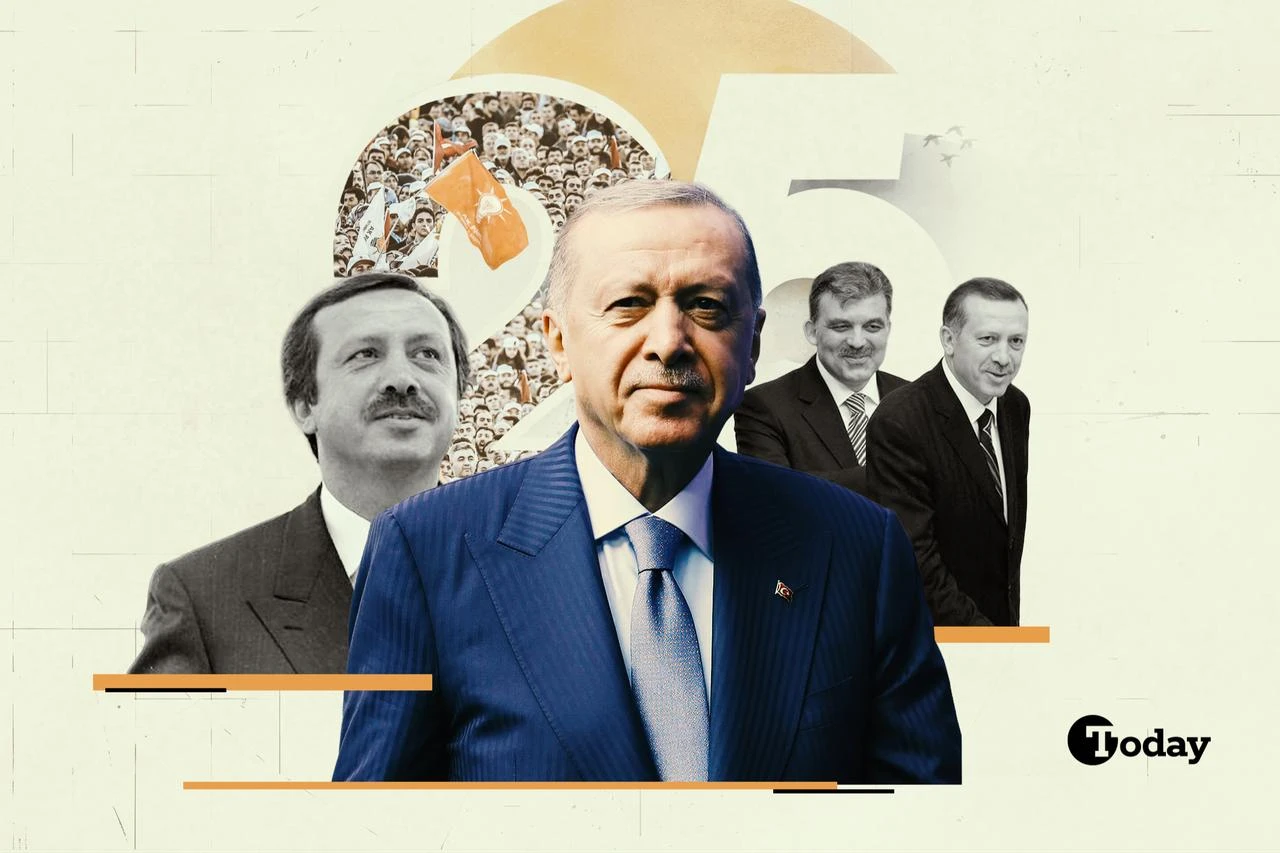


On Aug. 14, 2001, Recep Tayyip Erdogan stood before supporters to announce the creation of a new political movement and made a prediction that would come to define its story.
“From now on, nothing in Türkiye will ever be the same.”
Twenty-five years later, the sentence carries considerably more weight.
The party Erdogan helped found has been in power for nearly 24 years and has finished first in every general election it has contested since. It rose from the political and economic turmoil of the early 2000s to become the dominant force of Türkiye's 21st-century politics, surviving political crises, a closure case and a failed coup attempt while overseeing one of the most consequential changes to the country's system of government.
But longevity is only part of the story.
The AK Party that entered government in 2002 presented itself through the language of “conservative democracy,” political and economic reform and closer integration with Europe. Over the next quarter-century, its political language, alliances and governing model changed substantially.
So did Türkiye.
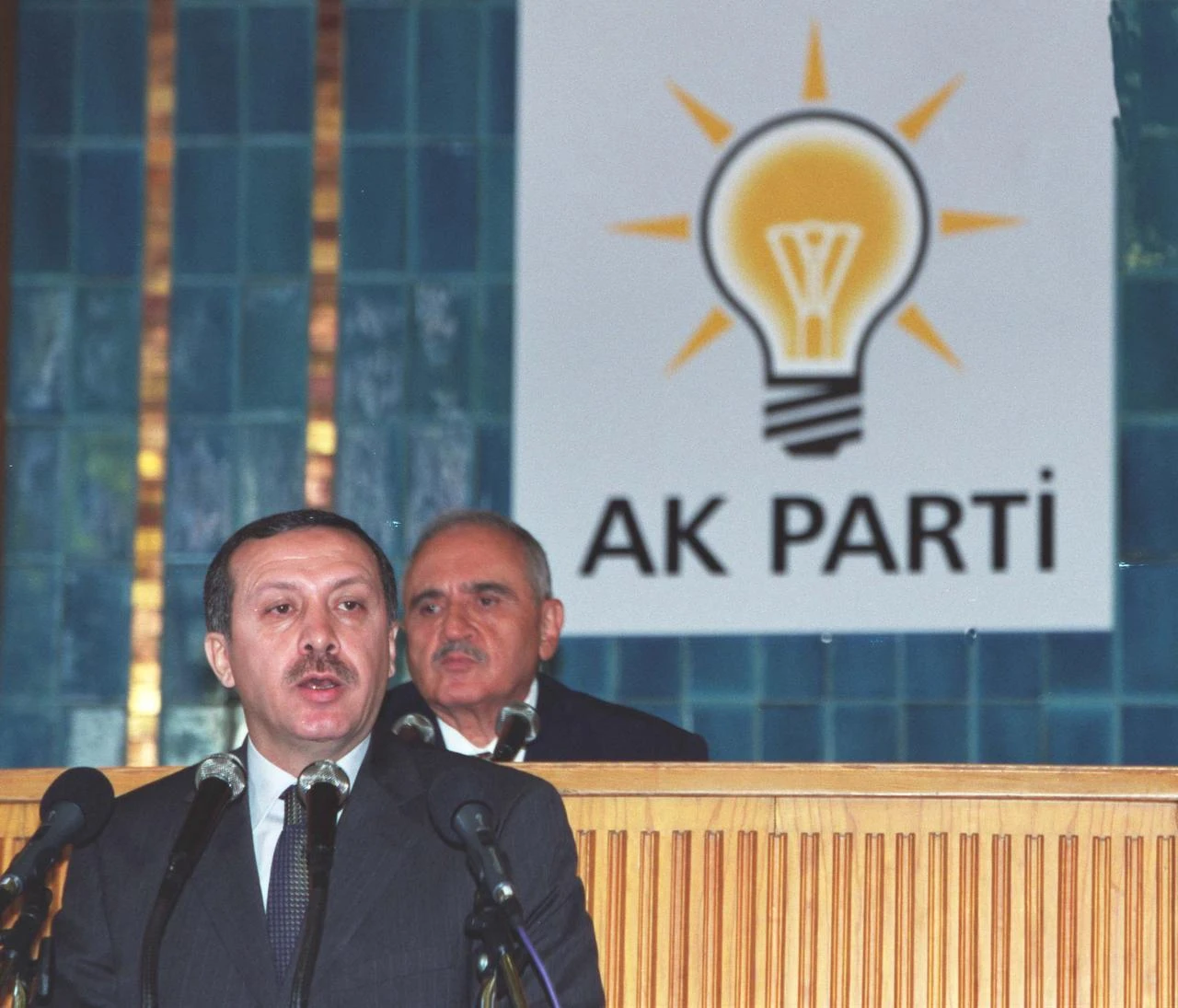

The AK Party entered Turkish politics at a moment of deep frustration with the political order of the 1990s, a decade marked by unstable coalition governments and followed by a severe economic crisis.
Formed under Erdogan's leadership, the party sought to combine conservative social values with economic reform, political stability and a strong emphasis on public services.
Its rise came quickly.
Just 15 months after its founding, the AK Party finished first in the November 2002 general election and formed a single-party government under Abdullah Gul.
Erdogan himself was absent from the ballot because of a political ban. After a legal change removed the obstacle, he entered Parliament through a rerun election in the southeastern province of Siirt in March 2003 and became prime minister days later.
The party's early governments placed economic stability, infrastructure, public services and European Union reforms near the center of their agenda. Its initial political identity, commonly described by the party as “conservative democracy,” also sought to distinguish the new movement from the older political traditions from which many of its founders had emerged.
The approach proved electorally durable.
The AK Party strengthened its vote in subsequent elections and by 2011 was receiving nearly half the national vote.
Binali Yildirim, one of its founders and later prime minister, says the party's rapid rise cannot be separated from the public exhaustion of the 1990s and Erdogan's earlier record as mayor of Istanbul.
“The people made us a party and then made us the government and gave us responsibility,” Yildirim said ahead of the anniversary.
For the party, public works and services—from transportation and health care to education and digital government—became a central part of the political case it made to voters.
Within only a few years, a movement created as an alternative to Türkiye's established political order had itself become the center of government.
That rise did not come without major challenges.
One of the closest came in 2008, when Türkiye's chief public prosecutor asked the Constitutional Court to close the governing party and ban senior figures, including Erdogan and then-president Abdullah Gul, from politics.
Six of the court's 11 judges voted to close the AK Party.
Seven votes were required.
The party survived.
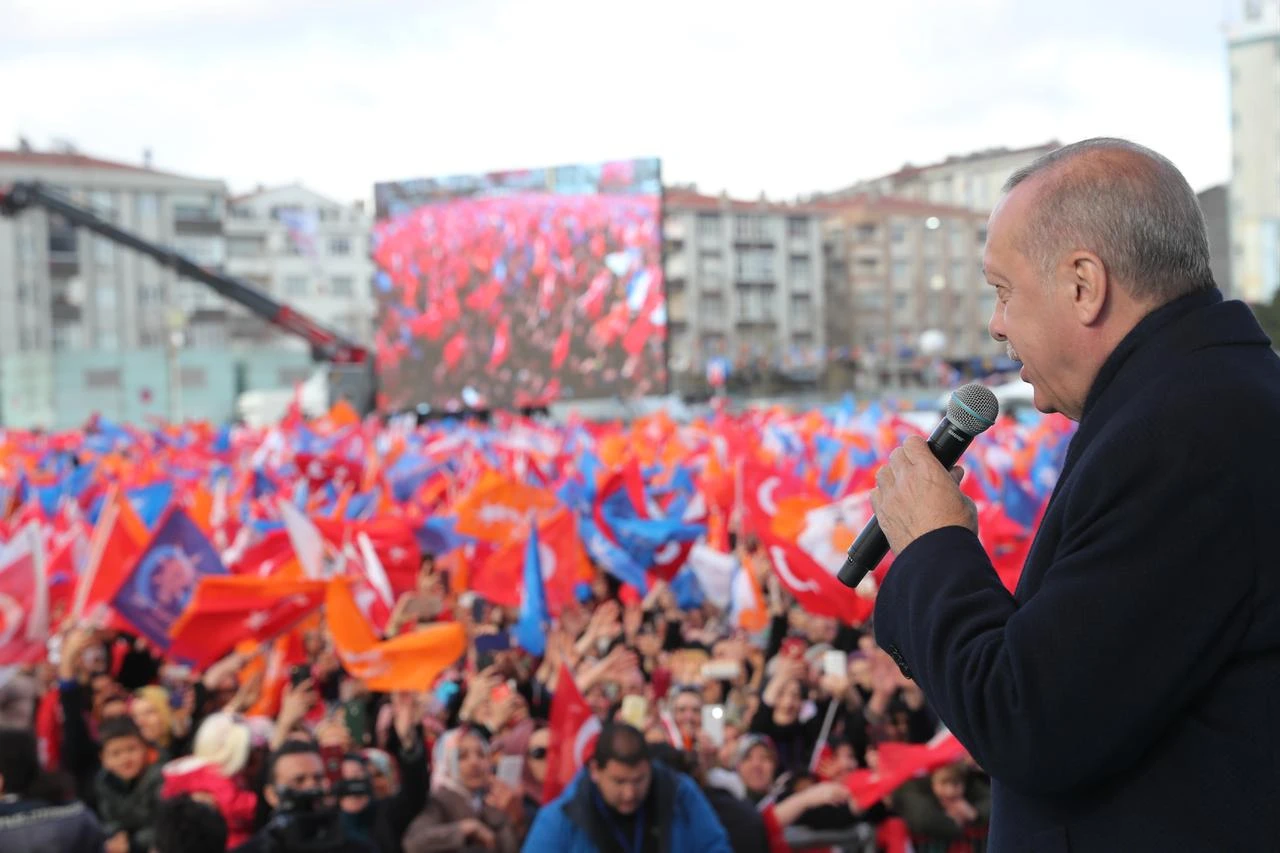
It continued to win national elections, consolidating a political dominance unprecedented in Türkiye's modern multiparty era.
The period also brought constitutional changes that gradually altered the presidency itself. A 2007 referendum paved the way for presidents to be elected directly by the public rather than Parliament, a change that would eventually reshape Erdogan's own political career.
That moment arrived in 2014.
Erdogan was elected Türkiye's 12th president and the first chosen directly by voters. Under the Constitution then in force, his election required him to sever his formal ties with the AK Party.
For the first time since its creation, someone else would lead the movement.
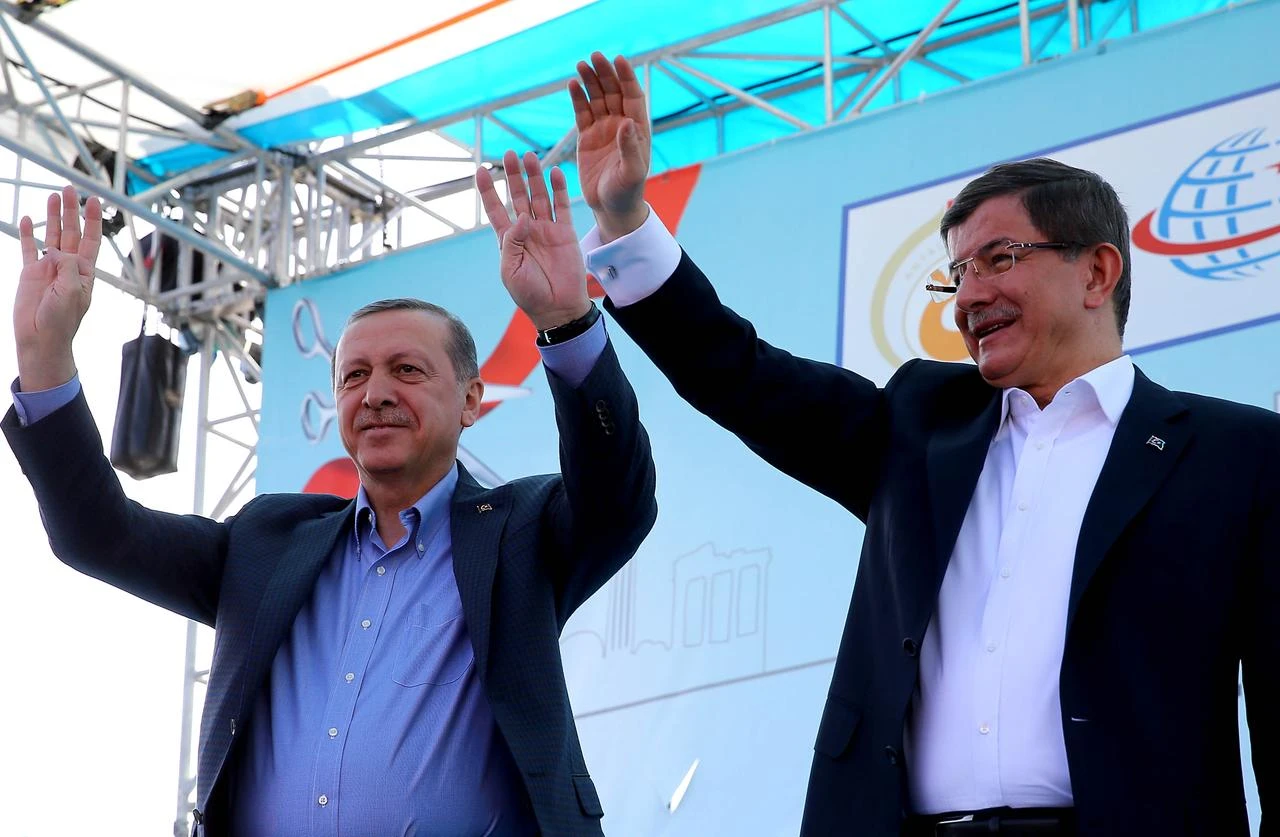
Ahmet Davutoglu, who had served as Erdogan's foreign policy adviser and foreign minister before becoming one of the most influential architects of Türkiye's foreign policy, took over as party chairman and prime minister.
His tenure included a rare electoral setback. The AK Party finished first in the June 2015 general election but lost its parliamentary majority. A second election five months later restored single-party government.
Despite that victory, Davutoglu stepped down in May 2016.
Binali Yildirim replaced him as party chairman and prime minister, beginning what would prove to be the final chapter of Türkiye's parliamentary system.
The Davutoglu-Yildirim period ultimately became a brief interlude in the AK Party's history: the years in which Erdogan was president but not formally the leader of the party he had founded.
Then came July 15, 2016.
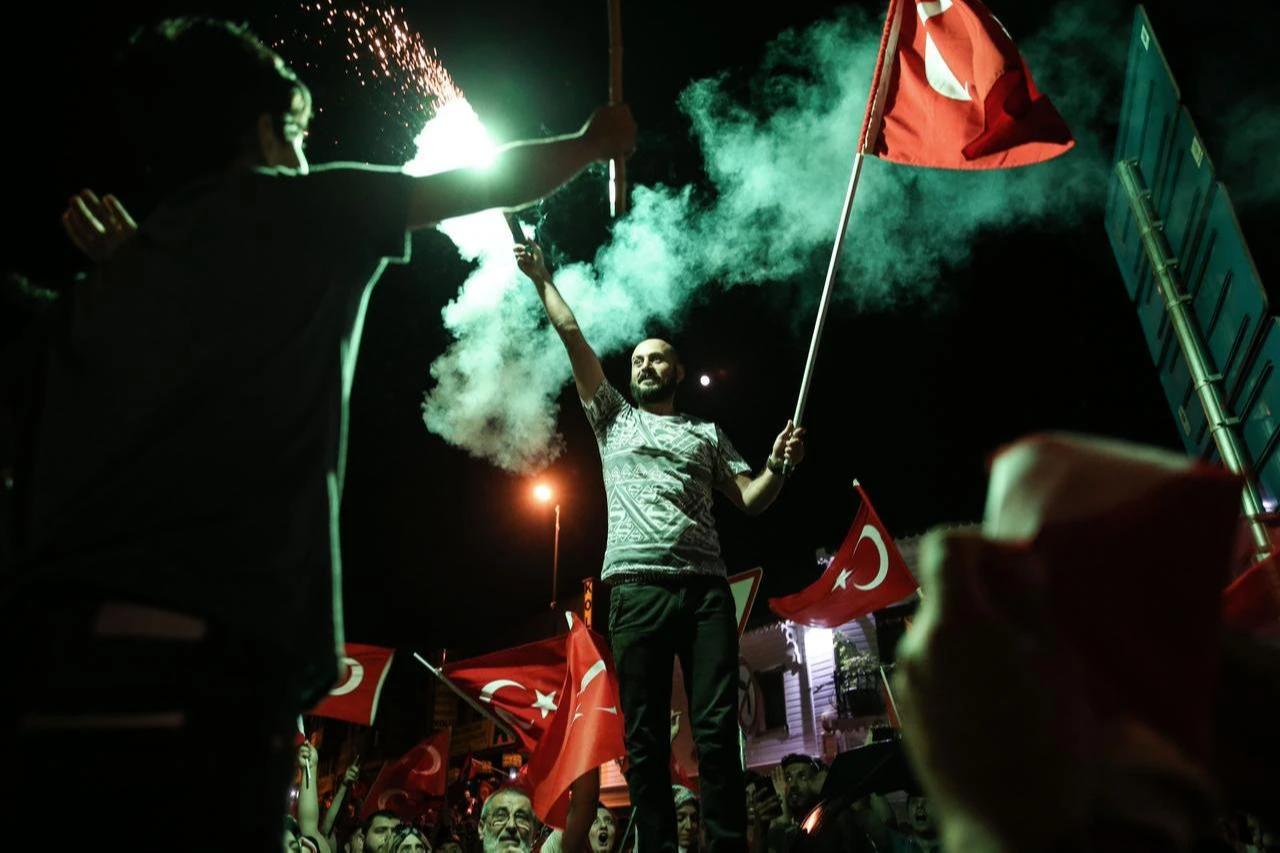
Members of the Fetullah Terrorist Organization (FETO) attempted to overthrow Türkiye's elected government, deploying tanks, fighter jets and military helicopters in Ankara and Istanbul and targeting state institutions, security forces and civilians.
The organization, led from the United States by Fetullah Gulen, had spent years building a covert presence inside the military, judiciary, police and other state institutions. Gulen died in Pennsylvania in October 2024.
The coup attempt was defeated after about 21 hours. It killed 253 people and injured more than 2,000, according to Turkish authorities.
Its political consequences extended well beyond that night.
The shared opposition of the AK Party and the Nationalist Movement Party (MHP) to the coup attempt brought the two parties closer, helping lay the foundation for an alliance that would become central to Turkish politics in the years that followed.
In 2017, voters narrowly approved constitutional changes replacing Türkiye's parliamentary system with a presidential model and removing the requirement for the president to cut ties with a political party.
The change allowed Erdogan to return.
In May 2017, less than three years after leaving the AK Party, he was once again elected its chairman.
The office of prime minister was later abolished as the new system took full effect following the 2018 elections. Erdogan became the first president under the new model, while the AK Party and MHP institutionalized their cooperation through the People's Alliance.
The transformation was one of the clearest dividing lines in the party's quarter-century history.
The AK Party had started its rule under a parliamentary system with Erdogan as prime minister. It entered its third decade under a presidential system with Erdogan simultaneously serving as president and party chairman.
The alliance with the MHP also became a lasting feature of the new political landscape.
The AK Party remained the largest party in the 2023 parliamentary election, while Erdogan won another presidential term after a runoff.
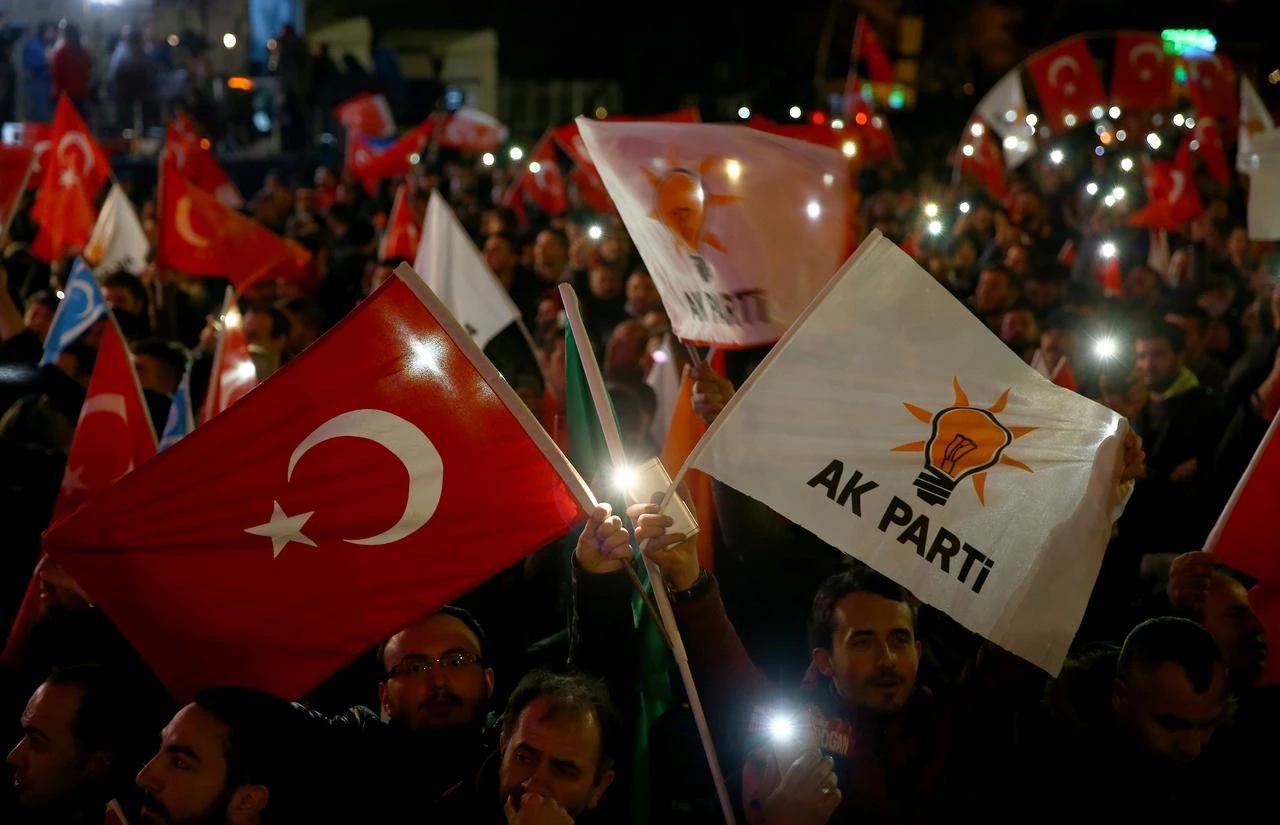
The March 2024 local elections brought another important signal.
The AK Party received 35.49% of the vote and won 24 provincial municipalities, a result that prompted Erdogan to acknowledge the message sent by voters.
“We will certainly take the necessary steps by weighing the messages given by the nation at the ballot box in the most accurate and objective way, on the scales of reason and conscience,” he said after the election.
A new period of internal renewal followed.
Provincial organizations were reshuffled, and at the party's congress in February 2025, more than half of its main decision-making body was renewed.
It was another example of a pattern visible throughout the AK Party's history: electoral pressure followed by changes in personnel, organization or political strategy.
As the party approached its 25th anniversary, another major political initiative was also taking shape.
The “Terror-Free Türkiye” process began after MHP leader Devlet Bahceli's call in October 2024 and was subsequently backed by Erdogan. A parliamentary commission was established, followed by legislation dealing with the next stage of the process if the terrorist group PKK/KCK ends its armed presence and surrenders its weapons.
The bill passed Parliament on Aug. 10 with 467 votes in favor, just four days before the AK Party's anniversary.
The development places one of Türkiye's longest-running security and political issues among the major questions confronting the party as it enters its second quarter-century.
The AK Party will mark its 25th anniversary Friday with a major gathering at Ankara's Millet Bahcesi under the slogan, “A Quarter Century With Our Nation, Türkiye Ready for the Future.”
Erdogan is expected to address party members and supporters and set out the movement's vision for the years ahead.
He will do so as the same man who stood before an audience in Ankara 25 years ago and announced the arrival of a new political party.
At the time, Erdogan was merely a former Istanbul mayor whose path to national elected office was blocked by a political ban. He would go on to become prime minister, president, leave his party and then return to lead it under an entirely different system of government.
The AK Party, meanwhile, went from being a political newcomer to Türkiye's longest-serving governing party of the multiparty era. Its leadership, political vocabulary, alliances and relationship with the institutions of the state changed along the way.
“Nothing in Türkiye will ever be the same,” Erdogan said in 2001.
Twenty-five years later, the political system, the party and the country around it all look very different from the ones in which that sentence was first spoken.


 Set as preferred source
 Set as preferred source


 3 min read
 1 min read


