Newsletters


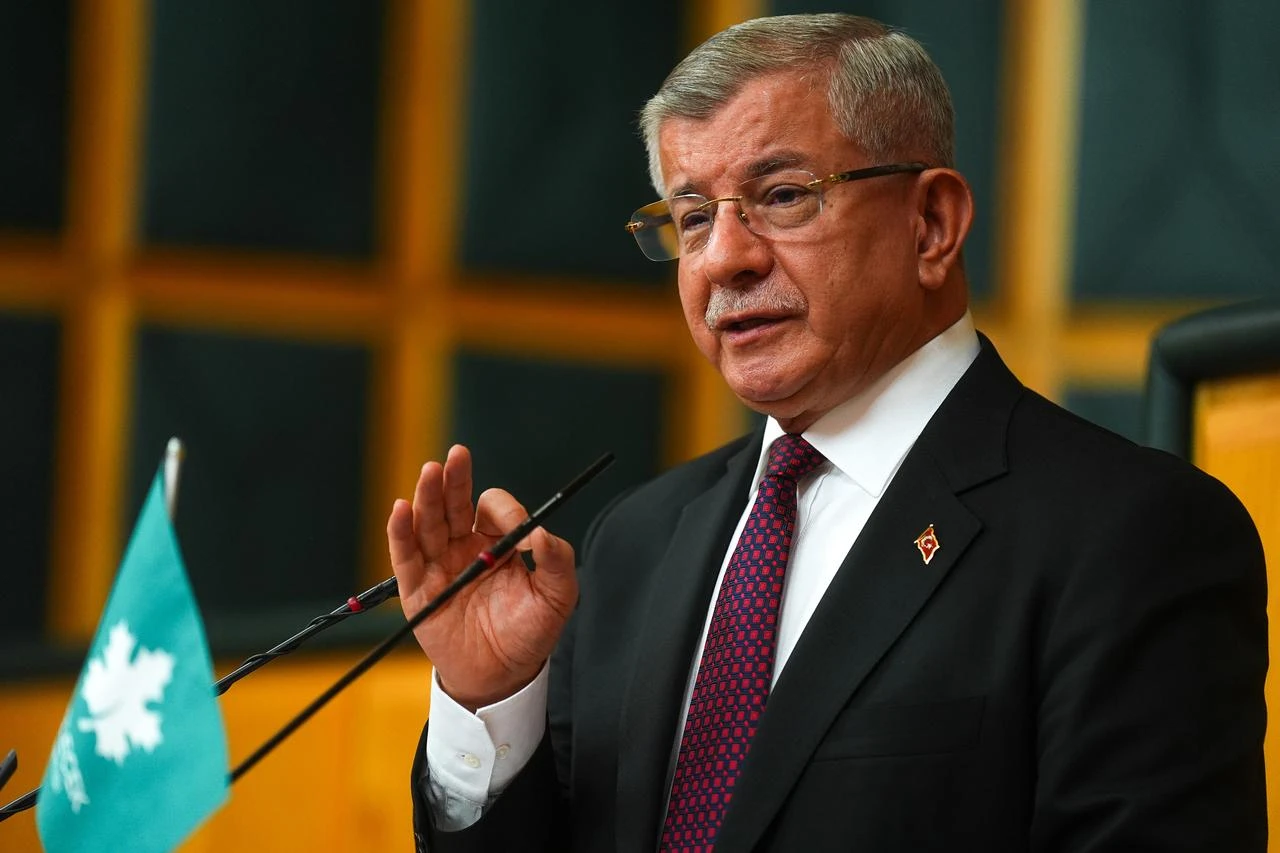


The academic who helped shape Türkiye’s foreign policy rose to the premiership, broke with Turkish President Recep Tayyip Erdogan and tried to build a conservative alternative. Less than seven years after launching his own party, the experiment ended without becoming an independent electoral force.
Former Turkish Prime Minister Ahmet Davutoglu left party politics much as he entered it: with a lengthy argument about ideas.
But beneath the language of morality, political philosophy and national renewal was a stark political fact. The former prime minister and foreign minister, once one of the most influential figures in Türkiye, said he had decided to withdraw from party politics and end the political activities of the Future Party, the movement he founded after breaking with President Erdogan’s ruling party.
Davutoglu announced the decision in a written statement on July 29, saying Türkiye’s political system had reached a "deadlock" and that he did not want his party to remain part of what he called a “polluted political climate.”
He insisted the move was “not a decision of surrender,” describing it instead as an attempt to establish “moral distance” from day-to-day political calculations. He said he would remain active in fields including education, culture, diplomacy, economics and public debate.
Davutoglu had not risen through municipal politics, party branches or years of election campaigning. He entered government as an academic and adviser whose theories offered the ruling Justice and Development Party (AK Party) an intellectual framework for Türkiye’s expanding regional ambitions.
He later became foreign minister, AK Party chairman and prime minister. At the height of his influence, few discussions of Turkish foreign policy could avoid his name.
Yet the political movement he created under his own leadership never came close to matching the reach of the movement he had helped shape from within.
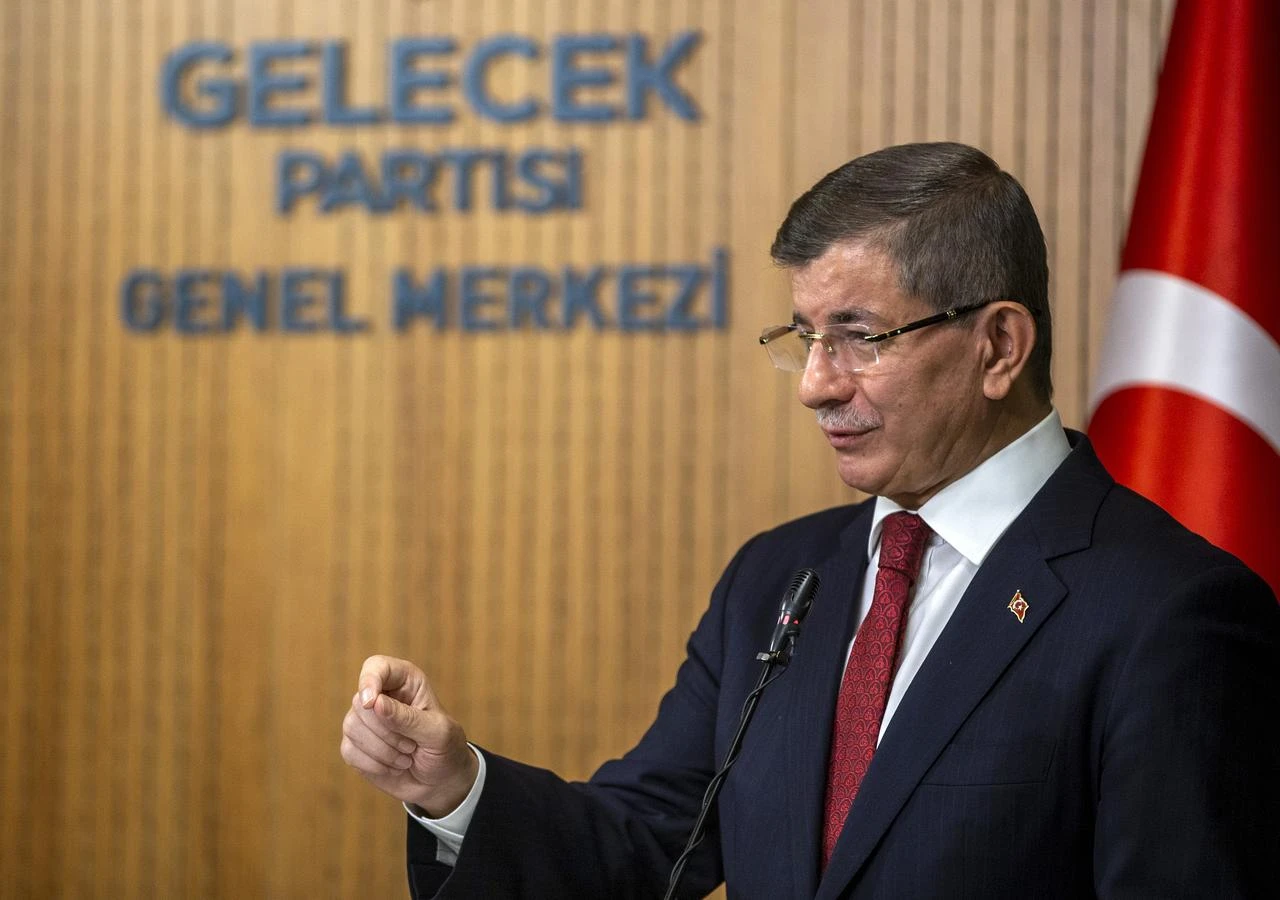

Born in the central Anatolian province of Konya in 1959, Davutoglu studied economics and political science at Bogazici University, one of Istanbul's prestigious universities, before completing graduate work at the same institution.
He taught at the International Islamic University Malaysia and later at universities in Türkiye, becoming a professor before entering government. His best-known book, "Strategic Depth," argued that Türkiye’s history and geography gave it influence across several overlapping regions, including the Balkans, the Middle East, the Caucasus, Central Asia and the Black Sea.
As one example of that vision, Davutoglu viewed the Balkans as a “natural and historical hinterland” of Turkish foreign policy, citing ties forged over centuries of Ottoman rule.
So, the central proposition was that Türkiye should not behave merely as a peripheral member of the Western alliance or as a bridge between East and West. It should act as what Davutoglu called a “central power,” using diplomatic engagement, economic links, historical relationships and soft power to operate in several regions at once.
The theory found a political home after the AK Party came to power.
Davutoglu became an adviser to then-Prime Minister Erdogan in the early 2000s and was appointed foreign minister in 2009. Unlike many politicians, he had developed a doctrine before obtaining the authority to implement it.
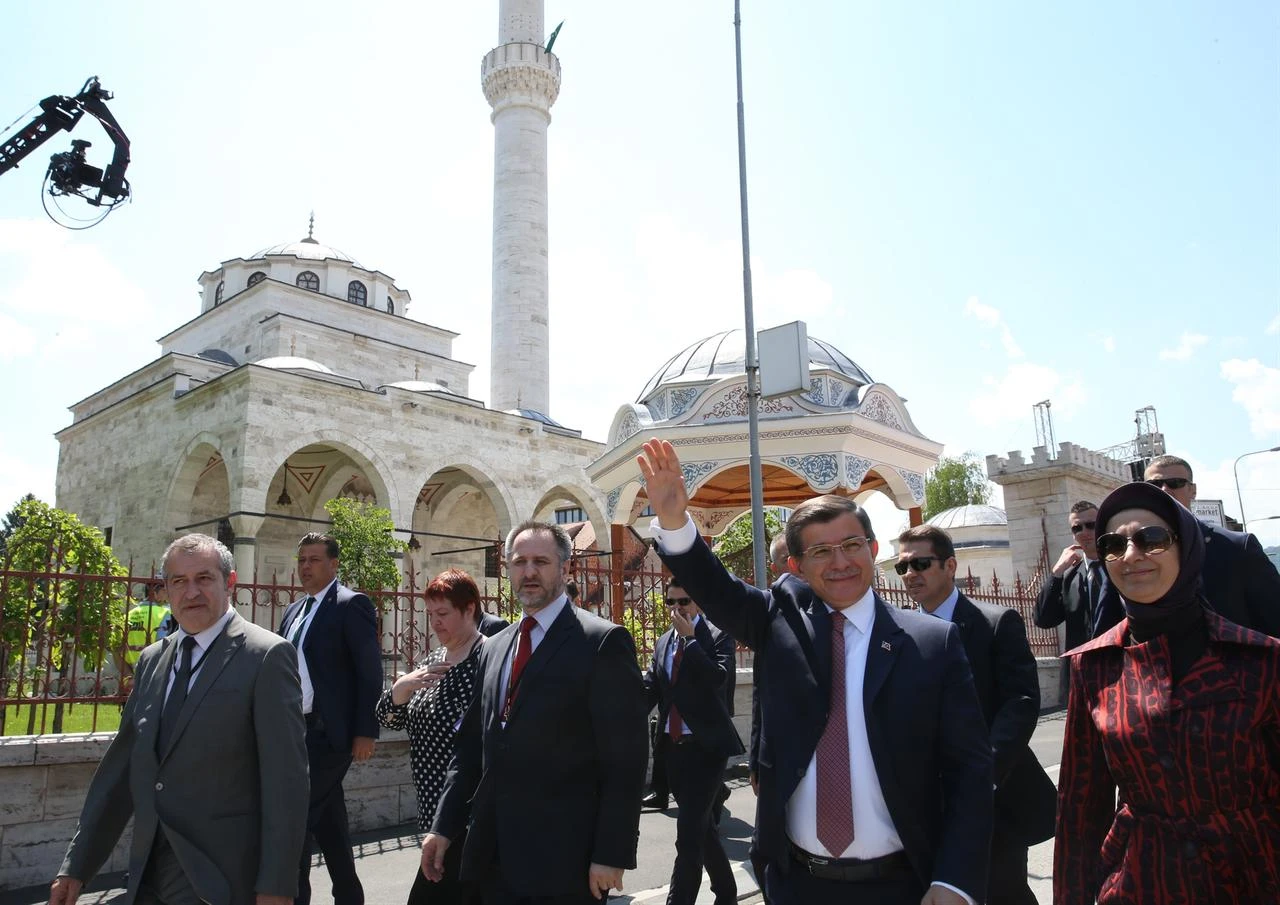
During Davutoglu’s years at the center of foreign policy, Ankara sought closer commercial and diplomatic ties across the Middle East, the Balkans and surrounding regions.
The best-known slogan of the period was “zero problems with neighbors,” an aspiration to reduce regional disputes and increase Türkiye’s room for diplomatic maneuver.
He was also one of the key figures in shaping Türkiye’s soft-power-oriented foreign policy. Under his influence, Ankara sought to expand its regional standing through trade, development assistance, cultural ties, visa liberalization, mediation efforts and engagement with communities across the former Ottoman geography, alongside traditional diplomacy and security policy.
For a time, the policy appeared to match the wider atmosphere. Türkiye expanded trade, lifted visa restrictions with several countries, deepened its involvement in regional mediation and presented itself as a state able to communicate with Western governments, Muslim-majority countries and competing regional powers.
Davutoglu’s influence extended beyond individual foreign policy decisions. He supplied the vocabulary through which the government explained Türkiye’s changing place in the world.
But the environment in which the doctrine had been conceived did not last.
The Arab uprisings, the Syrian civil war, political upheaval in Egypt and conflicts elsewhere in the region produced instability rather than gradual integration.
Supporters of Davutoglu argued that Türkiye could not remain passive while the region was being transformed and that his policies had expanded the country’s diplomatic reach.
Critics said the approach overestimated Ankara’s ability to shape political outcomes and left Türkiye entangled in regional conflicts, particularly in Syria.
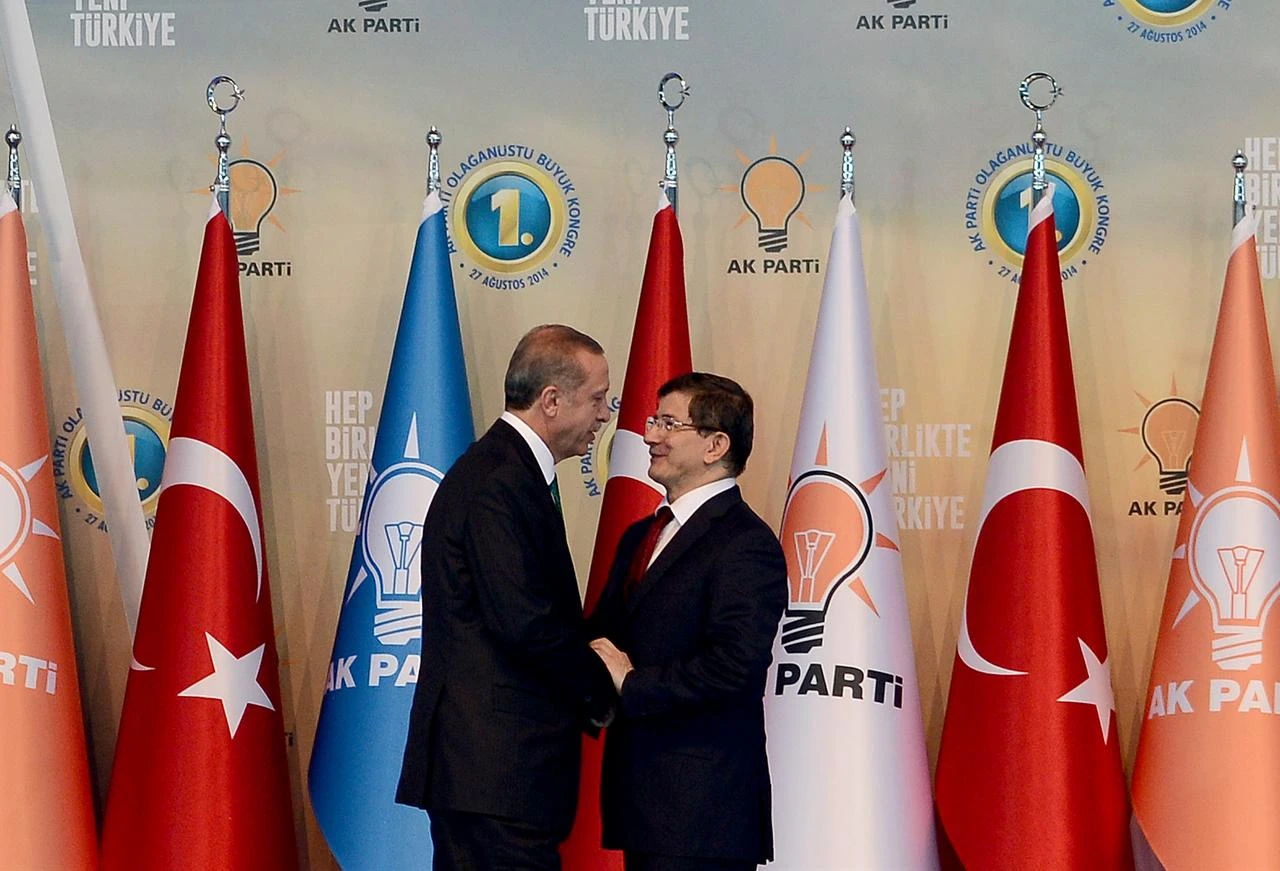
Davutoglu’s elevation to the premiership in 2014 appeared to complete his transformation from professor to political leader.
After Erdogan was elected president, Davutoglu became AK Party chairman and Türkiye’s 26th prime minister. Yet the arrangement contained a built-in tension.
Türkiye formally remained a parliamentary system in which the prime minister headed the government. Erdogan, however, sought a stronger presidency and remained the dominant figure within the AK Party and the broader conservative movement.
Davutoglu’s tenure was also marked by electoral volatility and worsening security conditions.
In June 2015, the AK Party lost its parliamentary majority for the first time since coming to power. Coalition talks failed, and Türkiye returned to the polls about five months later.
Under Davutoglu’s leadership, the AK Party won about 49.5% of the vote and secured 317 of the 550 seats in Parliament, restoring its ability to govern alone.
In May 2016, less than six months after leading the party to its election victory, Davutoglu announced that he would step aside as chairman and prime minister.
“The fact that my term lasted far shorter than four years is not a decision of mine but a necessity,” he said at the time.
The paradox was difficult to miss: Davutoglu had led the AK Party back to a commanding parliamentary majority, but he had not secured control over his own premiership.
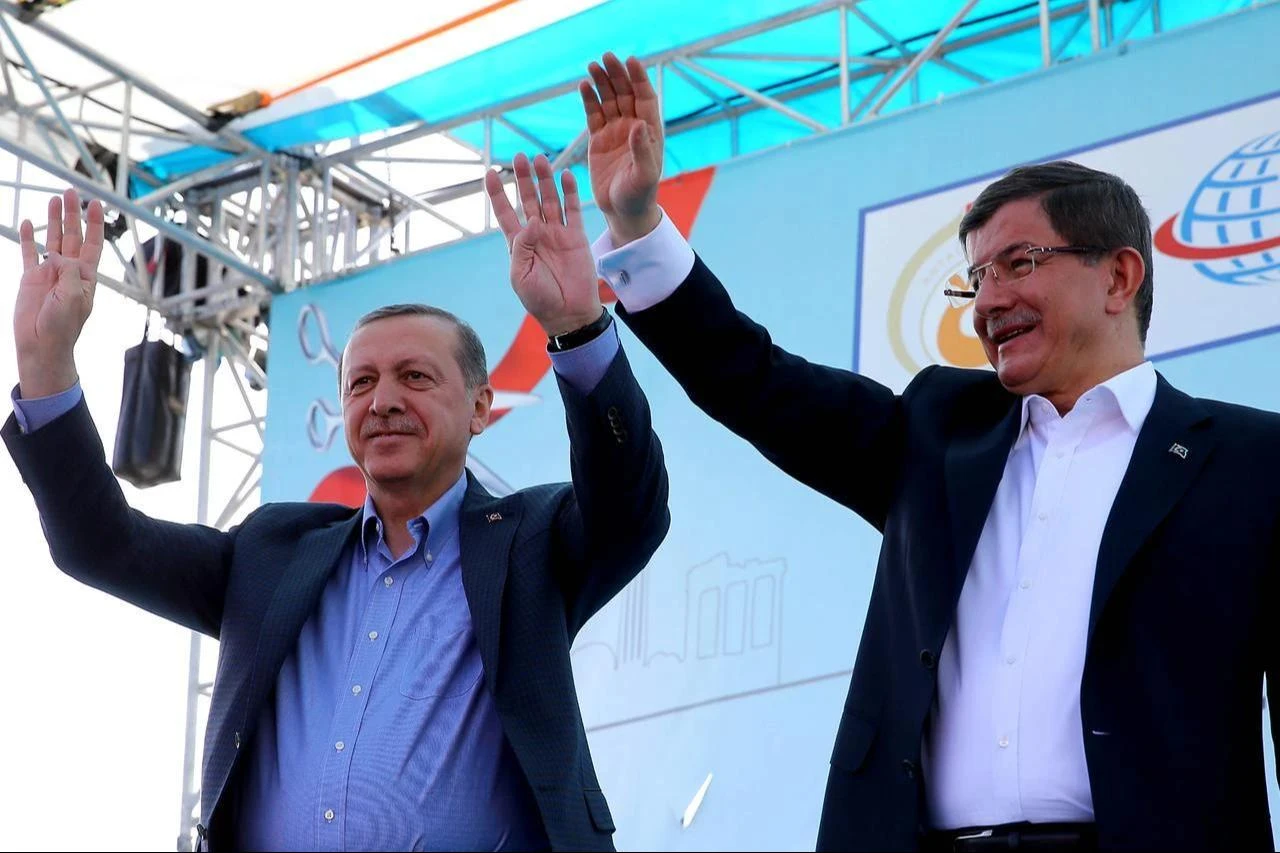
Davutoglu did not immediately leave the AK Party after resigning as prime minister.
He remained inside the party for several years while gradually becoming more outspoken about the presidential system, economic policy, internal decision-making and what he regarded as the erosion of political and institutional standards.
In April 2019, following local elections in which the AK Party suffered major setbacks, Davutoglu published an extensive critique of the party’s direction. By September, facing possible disciplinary action, he resigned.
Three months later, in December 2019, he founded the Future Party.
The new movement sought to appeal primarily to conservative voters who had become dissatisfied with Erdogan but were unwilling to migrate toward Türkiye’s established secular opposition.
Yet the project faced a basic political problem from the beginning.
Many voters dissatisfied with the government did not distinguish the Future Party sharply enough from the AK Party it criticized. Davutoglu remained burdened by his record in government, while voters who approved of that record had little reason to abandon Erdogan.
His greatest asset (his experience at the center of power) was also his greatest liability as an opposition leader.
The Future Party joined the six-party opposition alliance formed before the 2023 presidential and parliamentary elections.
But it did not test its support under its own name in the parliamentary vote. Its candidates entered the election on the lists of the main opposition Republican People’s Party (CHP).
Ten Future Party politicians entered Parliament through those lists. The result gave Davutoglu parliamentary representation, but it did not demonstrate that his party could independently attract enough votes to win seats.
That distinction became central to the party’s later difficulties.
Davutoglu had once led a party that received nearly half the national vote. His own party reached Turkish Parliament only through an electoral arrangement with an ideologically different and much larger opposition party.
The opposition alliance then lost the presidential election, and its internal cooperation rapidly unraveled.
The Future Party also suffered a series of defections. Several of its lawmakers eventually joined the AK Party, while others moved in different political directions. By the time Davutoglu announced the end of the party’s political activities, it had four lawmakers operating within a shared parliamentary group.
The party had gained representation without establishing an independent electoral base, and it could not keep all of the representation it had gained.
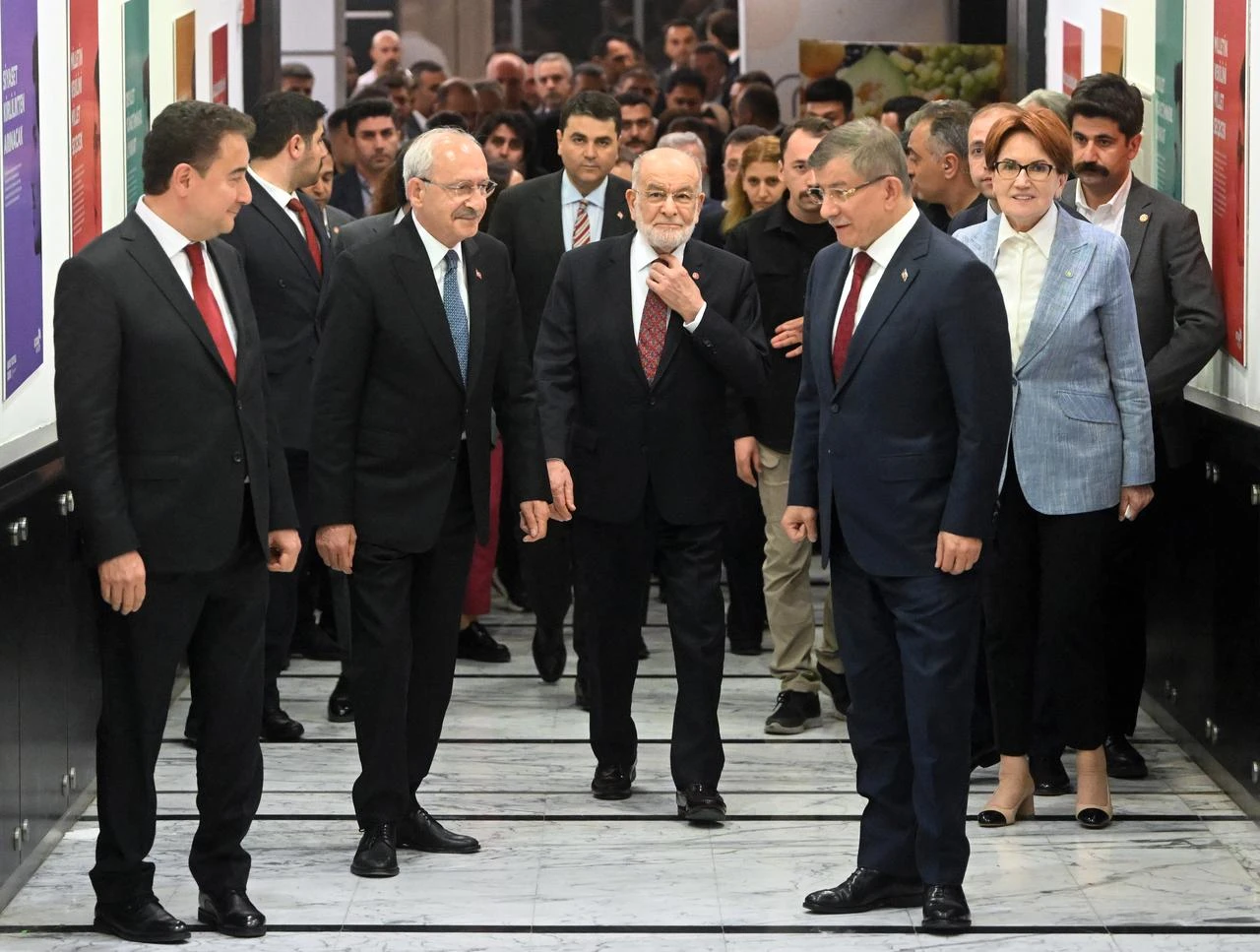
Davutoglu’s final years as a party leader were increasingly shaped by efforts to unite Türkiye’s smaller conservative and center-right opposition parties.
The Future Party held talks at different stages with the Democracy and Progress Party (DEVA Party), founded by former Deputy Prime Minister Ali Babacan, as well as the Felicity Party and other conservative movements.
The parties shared several positions, including opposition to the presidential system and criticism of the AK Party’s economic and institutional record. But leadership questions, organizational interests and strategic differences repeatedly prevented them from merging into a single durable political force.
In January 2025, the Future Party, DEVA Party and Felicity Party established the New Path (Yeni Yol) structure to operate through a common parliamentary group while preserving their separate party identities.
Reports in Turkish media said Davutoglu’s withdrawal came after further merger discussions involving the Future Party, the New Welfare Party (YRP) and the Felicity Party failed to produce an agreement.
Eventually, the attempt to create a reformist conservative alternative had reached the same obstacle that had constrained the Future Party from its beginning: several prominent leaders and organizations existed, but none could generate enough momentum to unify the space between Erdogan’s governing bloc and the established opposition.
In the closing lines of the resignation statement, Davutoglu said his struggle had not begun with a government post and would not end with the formal dissolution of a political party.
That may prove true.
He remains an academic, author, former foreign minister and former prime minister with extensive international contacts and an identifiable body of political thought. He can continue to speak on foreign affairs and seek a role in international diplomacy without leading a party (though whether that visibility still translates into influence is another question).
After all, intellectual influence was always his strongest political currency.
But his record as an independent party leader is less ambiguous.
Davutoglu helped give Türkiye’s dominant political movement an international vision. He translated academic theories into government policy, rose to the top of the parliamentary system and led the AK Party to one of its largest election victories.
He was unable, however, to convert that experience, recognition and intellectual authority into a durable political constituency of his own.
The professor who once argued that Türkiye possessed untapped strategic depth ultimately discovered the limits of his own political reach.


 Set as preferred source
 Set as preferred source


 1 min read
 1 min read