Newsletters


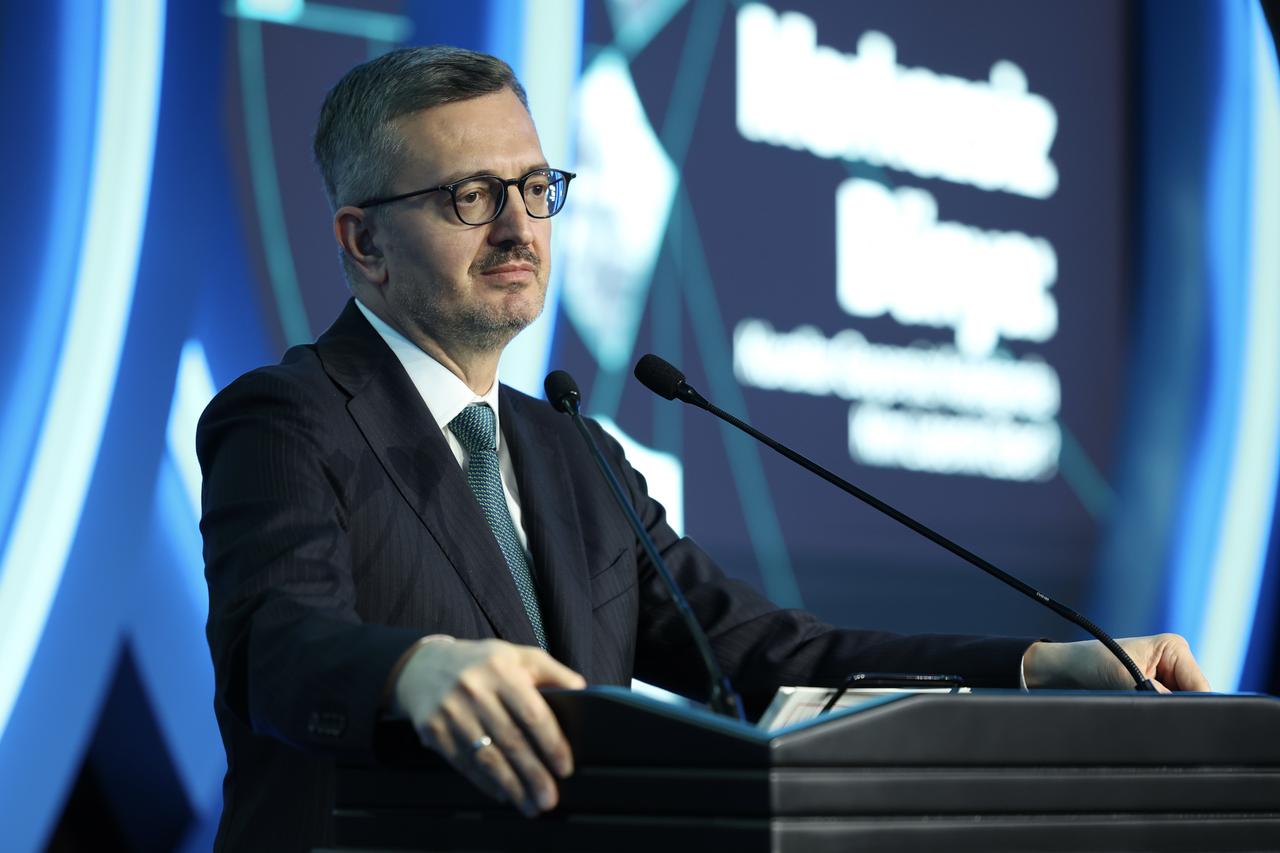


Algorithms are replacing traditional editorial gatekeepers and increasingly deciding which stories reach audiences, Communications Director Burhanettin Duran said Saturday.
He warned that technology companies’ growing influence on digital platforms poses challenges to media independence, national sovereignty and cultural identity.
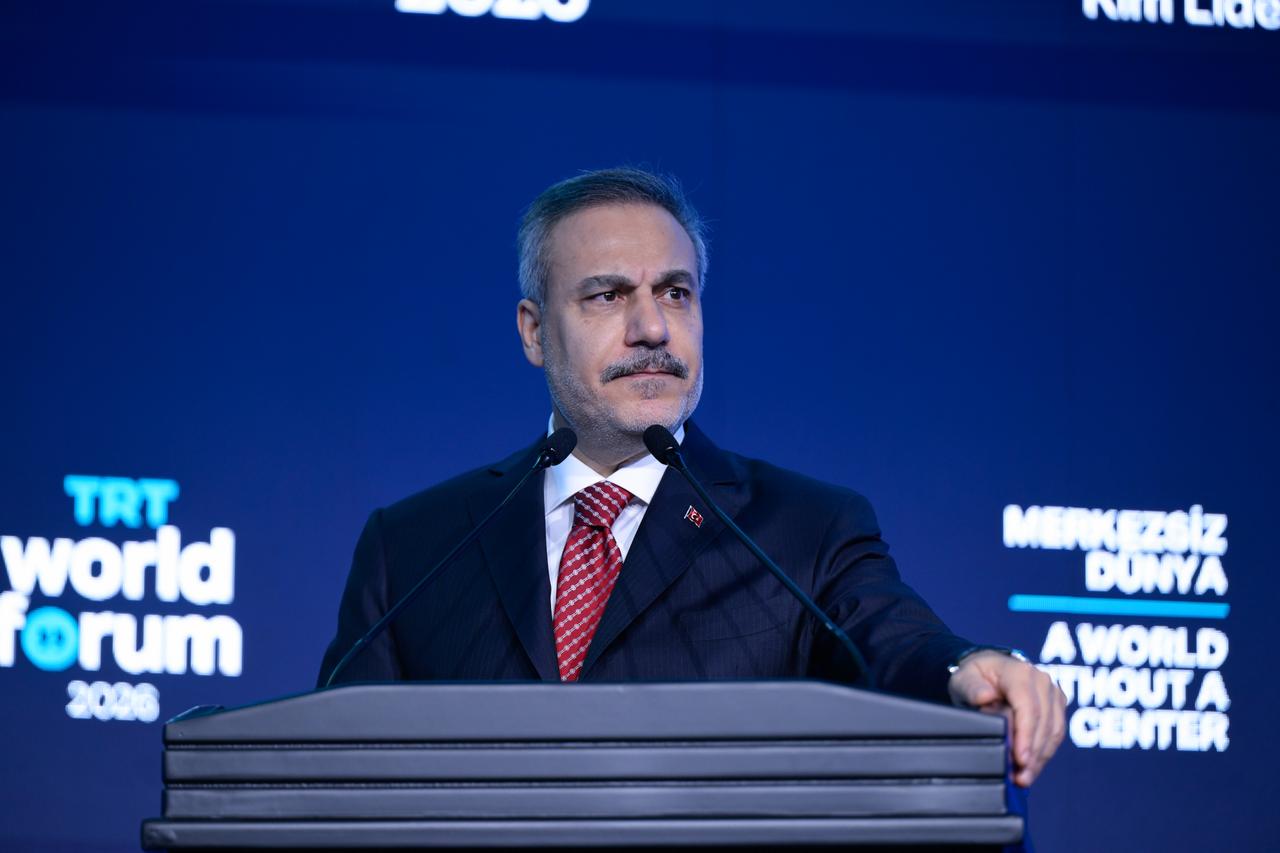
Duran, head of the Presidency’s Directorate of Communications, spoke at a panel titled “Who Is in Charge in the Algorithmic Age? Companies, Countries, Citizens” at the Turkish Radio and Television Corporation (TRT) World Forum in Istanbul, Türkiye’s largest city, in the northwest of the country.
Duran said: “Algorithms are not neutral. Human choices lie behind them, serving commercial and political interests.” He argued that these systems surface or hide stories, rather than editors.
He warned that a handful of technology companies could shape public opinion by controlling the information people encounter, while journalists and news organizations struggle to maintain financial independence as digital platforms benefit from their reporting.
“Journalism cannot survive on visibility alone,” he said, stressing the need for financial support, independence and strong professional ethics.

Duran also raised concerns about the impact of algorithms on collective memory, arguing that younger generations increasingly rely on digital platforms to learn about the histories, cultures and identities of their countries.
He described digital sovereignty as a national priority, saying countries must protect their data, preserve their cultural identities, and communicate their own narratives internationally.
Duran outlined three principles for a fairer digital environment: accountability, fairness in algorithmic distribution and plurality.
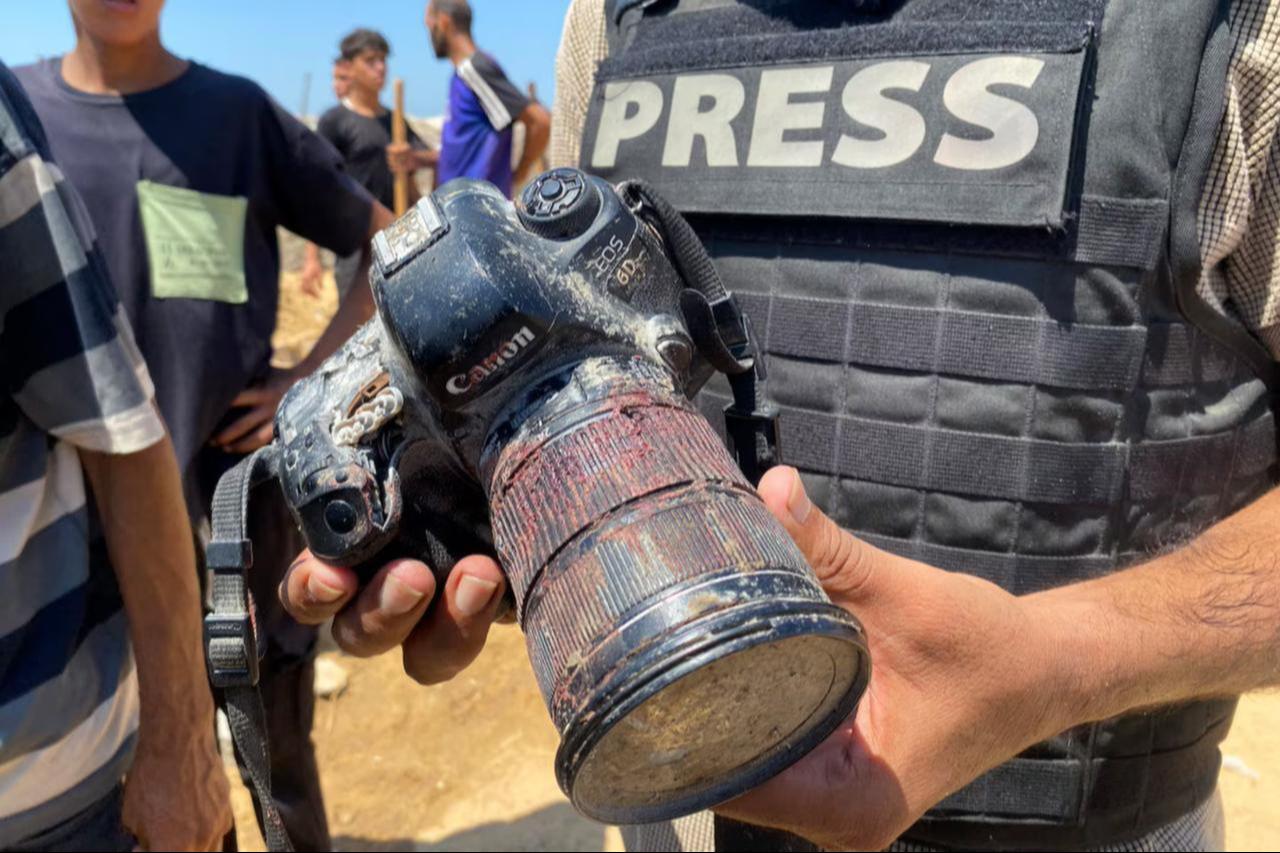
He also criticized the removal and restriction of reporting from the Gaza Strip on major digital platforms, citing the deaths and injuries suffered by journalists working for Anadolu Agency (AA) and TRT.
Duran recalled that AA freelance cameraman Muntasar El-Sawaf was killed in an Israeli strike, while TRT Arabic cameraman Sami Shahadeh was seriously injured and lost his right leg while reporting from Gaza.
He said such restrictions could prevent documented reporting from reaching international audiences, warning that suppressing factual information could make disinformation more powerful.
“The future must remain in the hands of people, people who are capable of exercising judgment, defending the truth, and accepting responsibility for their choices,” Duran said.
He concluded that algorithms should be guided by human and ethical principles rather than being allowed to determine the direction of the digital world.


 Set as preferred source
 Set as preferred source


 1 min read