Newsletters


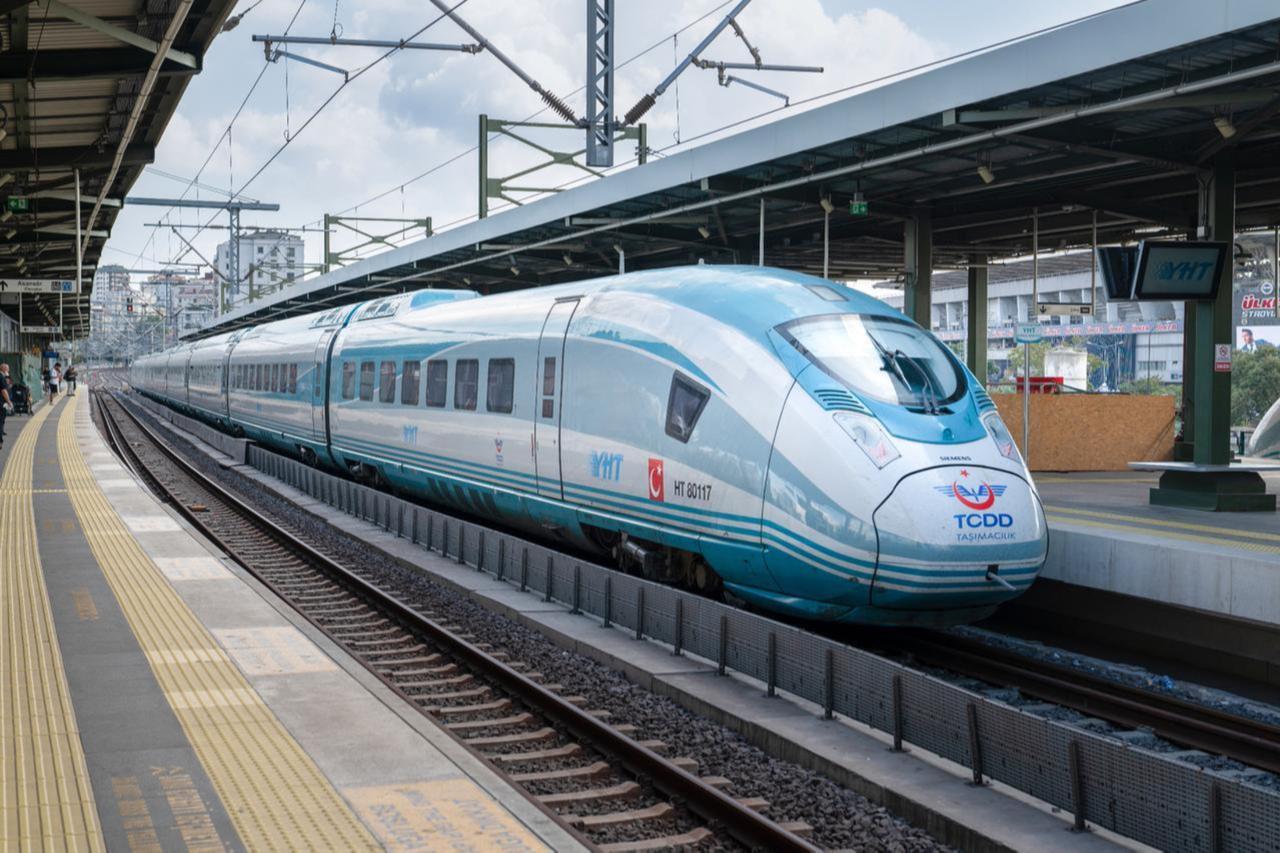


Türkiye's planned high-speed railway linking the southern cities of Mersin and Gaziantep is expected to cut travel time between the two cities to just 2 hours and 15 minutes, while opening up a major new freight corridor connecting regional industries to international trade routes.
Transport and Infrastructure Minister Abdulkadir Uraloglu outlined the latest progress on the 312.5-kilometer (194-mile) Mersin-Adana-Osmaniye-Gaziantep railway project, which is being built to accommodate electric trains operating at speeds of up to 200 kilometers per hour (124 mph).
Once operational, the line is expected to carry 3.1 million passengers and 37.1 million tons of freight annually, according to the ministry's projections.
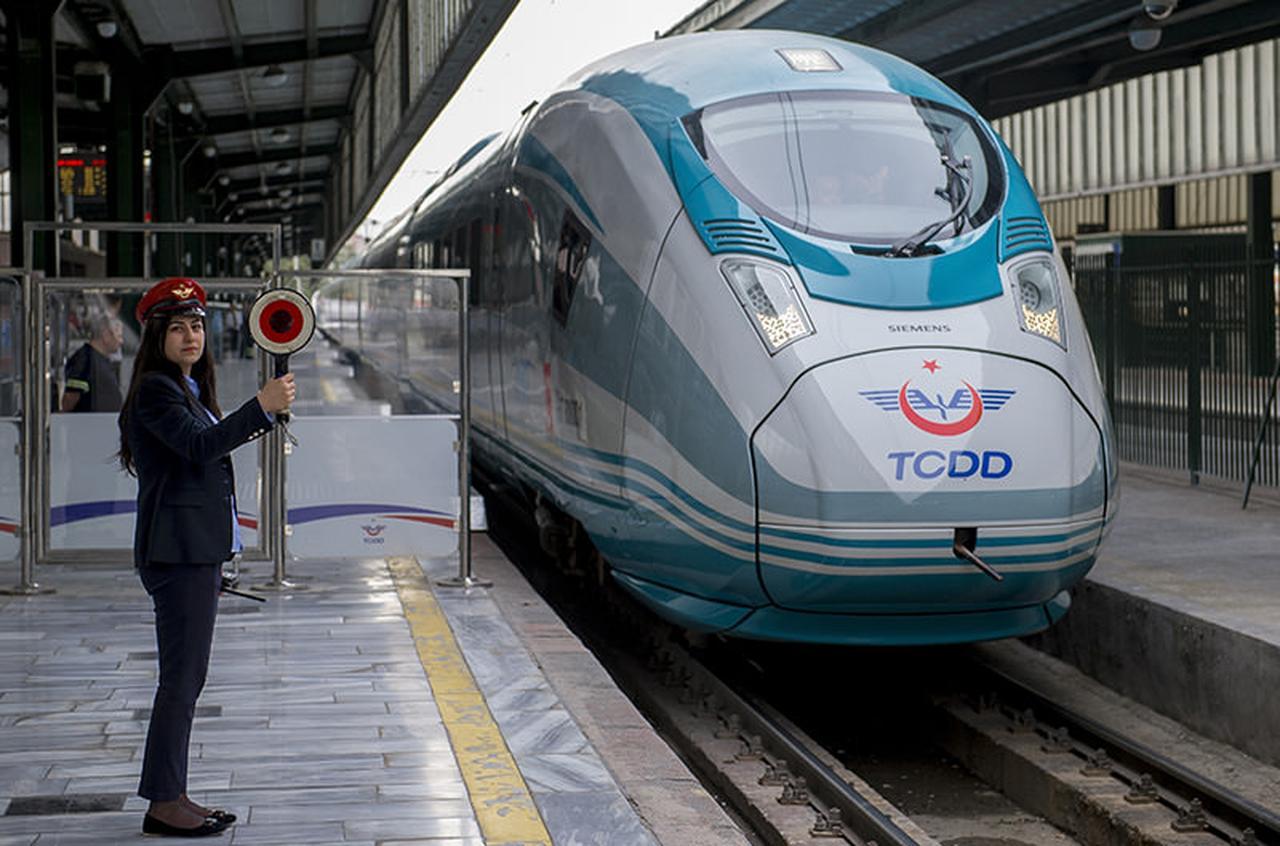

Uraloglu said construction was moving forward across several sections of the railway, with the Mersin-Adana segment reaching 84.72% physical completion. Work on this section is scheduled to wrap up in 2027.
The railway infrastructure connecting Cukurova Airport has been completed, along with the Seyhan and Cukurova viaducts, which are elevated structures designed to carry trains across valleys or other obstacles.
In Tarsus, excavation and reinforced concrete works for the railway's passage through the city have also been completed, while platform construction and track installation remain underway.
Elsewhere along the route, railway superstructure work has been completed across 17 kilometers of the Toprakkale-Mamure section, while concrete lining work inside the Nurdagi tunnels has been finalized.
The overall project includes plans for 12 tunnels, 10 viaducts, 35 bridges and 21 stations, supported by electrified tracks and modern signaling systems.
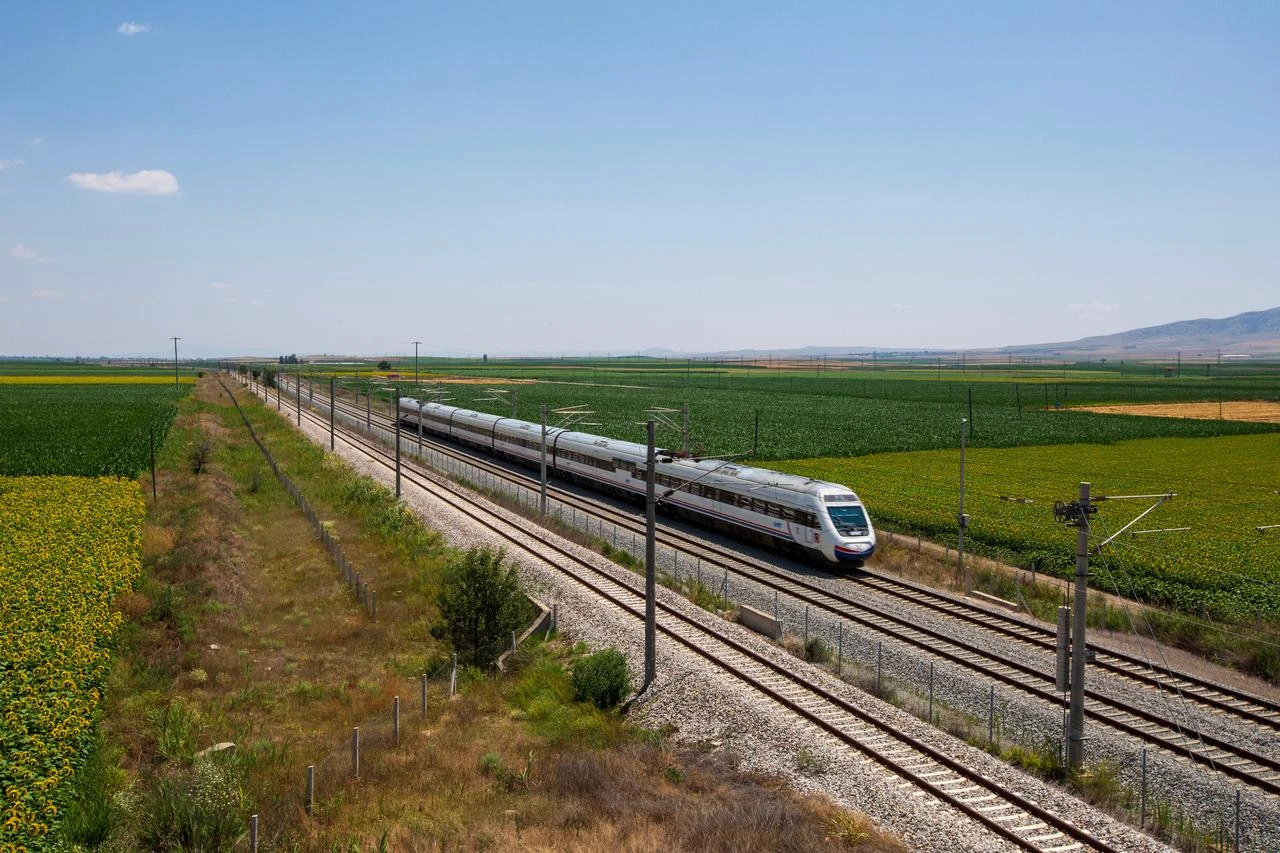
Beyond reducing passenger travel times, the railway is designed to strengthen freight transportation between Mersin Port, a major maritime trade gateway, and the Gaziantep Organized Industrial Zone, an industrial production area bringing together manufacturing businesses.
The planned connection is expected to bring down transportation costs and support manufacturing and exports across southern Türkiye.
Uraloglu also highlighted the railway's position along international logistics routes, including the Development Road and the Middle Corridor, which aim to improve trade connections between Türkiye and surrounding regions.
Once the railway enters service, the government expects it to strengthen Türkiye's role in international freight transportation and expand trade opportunities with countries in the Caucasus and Central Asia.


 Set as preferred source
 Set as preferred source


 4 min read