Newsletters


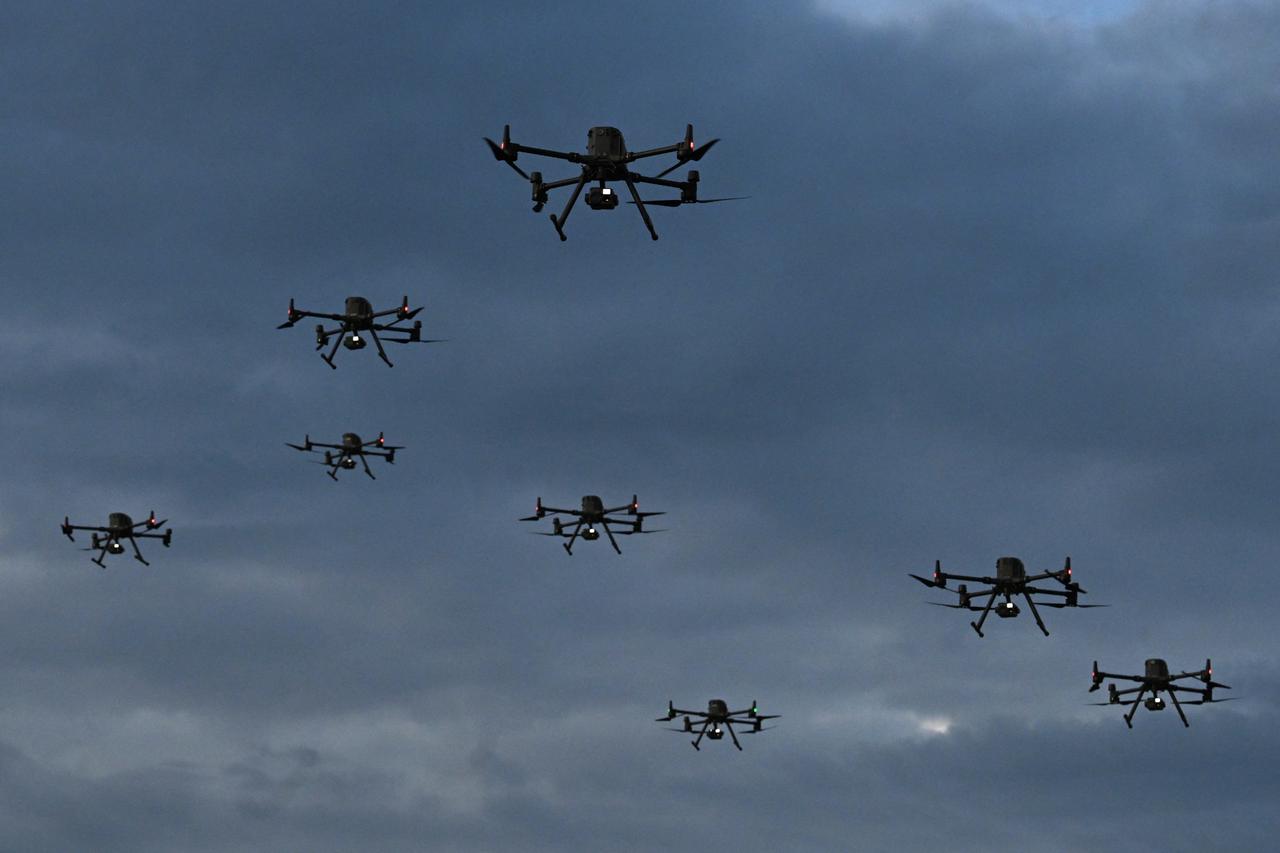


The unidentified drone shot down by Turkish F-16s on Dec. 15 fragmented into very small pieces and scattered over a wide area, complicating efforts to recover intact wreckage, the Ministry of National Defense said Thursday.
"It is assessed that the UAV was destroyed by being hit in the air, fragmented into very small pieces, and scattered over a wide area. This situation makes it difficult to detect single-piece or intact wreckage in the field," the ministry said at a weekly press briefing.
"Search, sweep and technical examination activities continue meticulously by relevant units," the ministry added.
The ministry rejected suggestions that the incident exposed weaknesses in Türkiye's air defense system.
"The process related to the drone in question was successfully managed and concluded. Claims that our air defense system has weaknesses do not reflect reality," the ministry said.
"Control of our airspace is provided on a 24/7 basis with a layered and integrated architecture covering radar, early warning, electronic warfare and interception elements," the ministry added, urging the public to disregard speculation about the incident before verification processes are completed.
"It is important not to give credence to speculative assessments and disinformation-containing claims made about the incident before verification processes are completed," the ministry said.
The ministry noted that detection, identification and reaction processes are regularly reviewed in light of experience gained, and operational procedures and technical capabilities are continuously being developed.
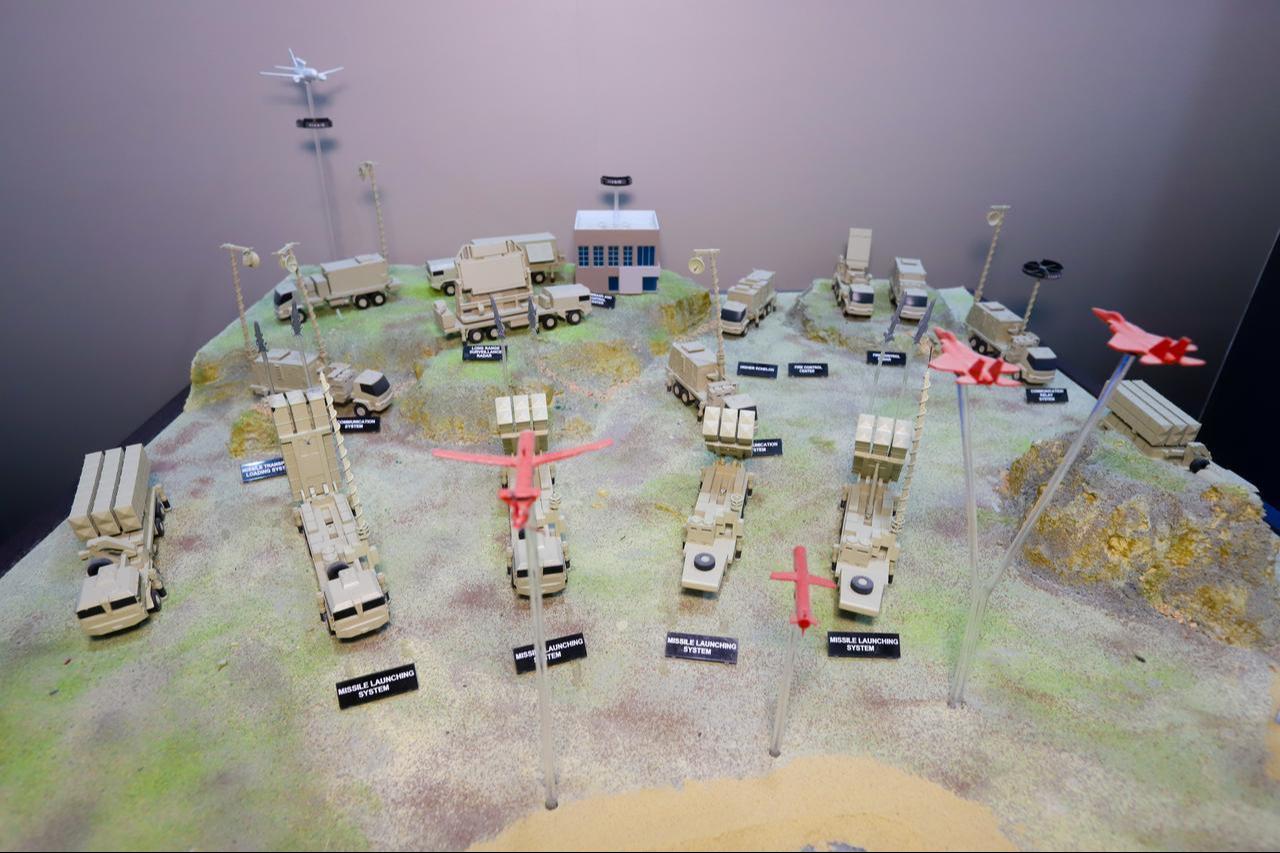

The ministry explained that the drone's small size presented significant detection challenges, requiring data from multiple sensor systems.
"On Dec. 15, 2025, upon detection of a UAV approaching our airspace from the Black Sea direction, the detection, identification and tracking process was immediately initiated by all relevant units within the framework of current regulations and standard operational procedures," the ministry said.
"The process was conducted based on cross-verification of multiple data obtained from radar, electro-optical, electronic warfare and early warning systems, rather than relying on a single sensor data, due to the difficulty of detecting the UAV in terms of altitude, speed and size, and its low radar cross-section," the ministry added.
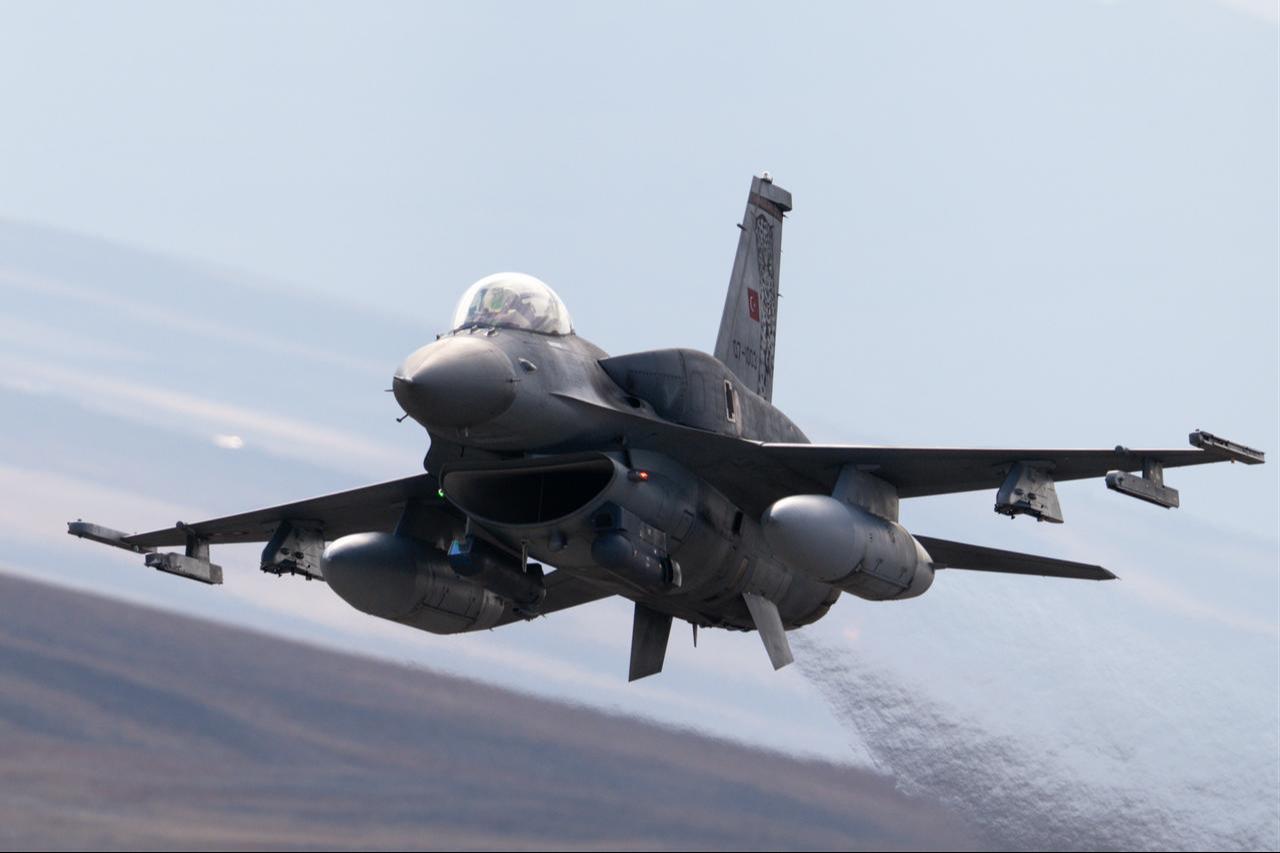
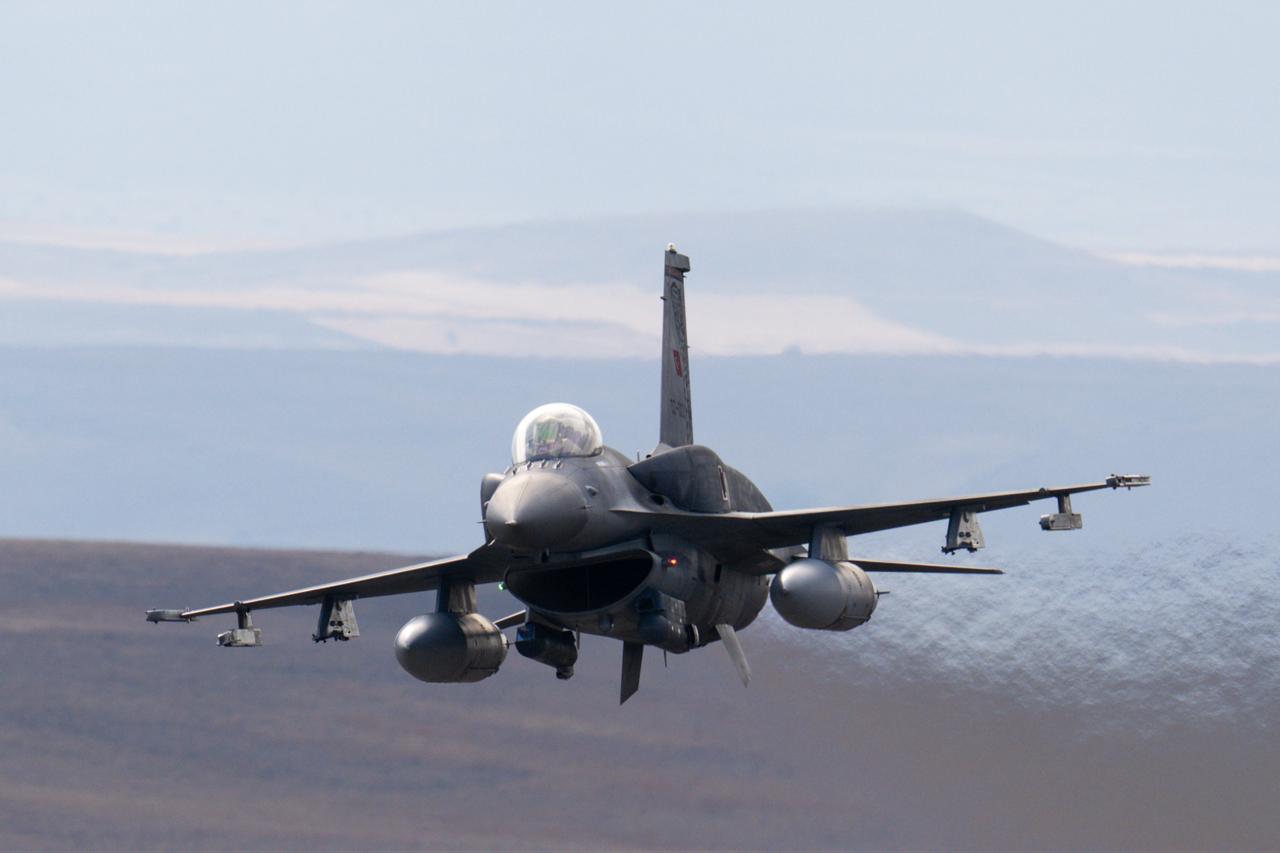
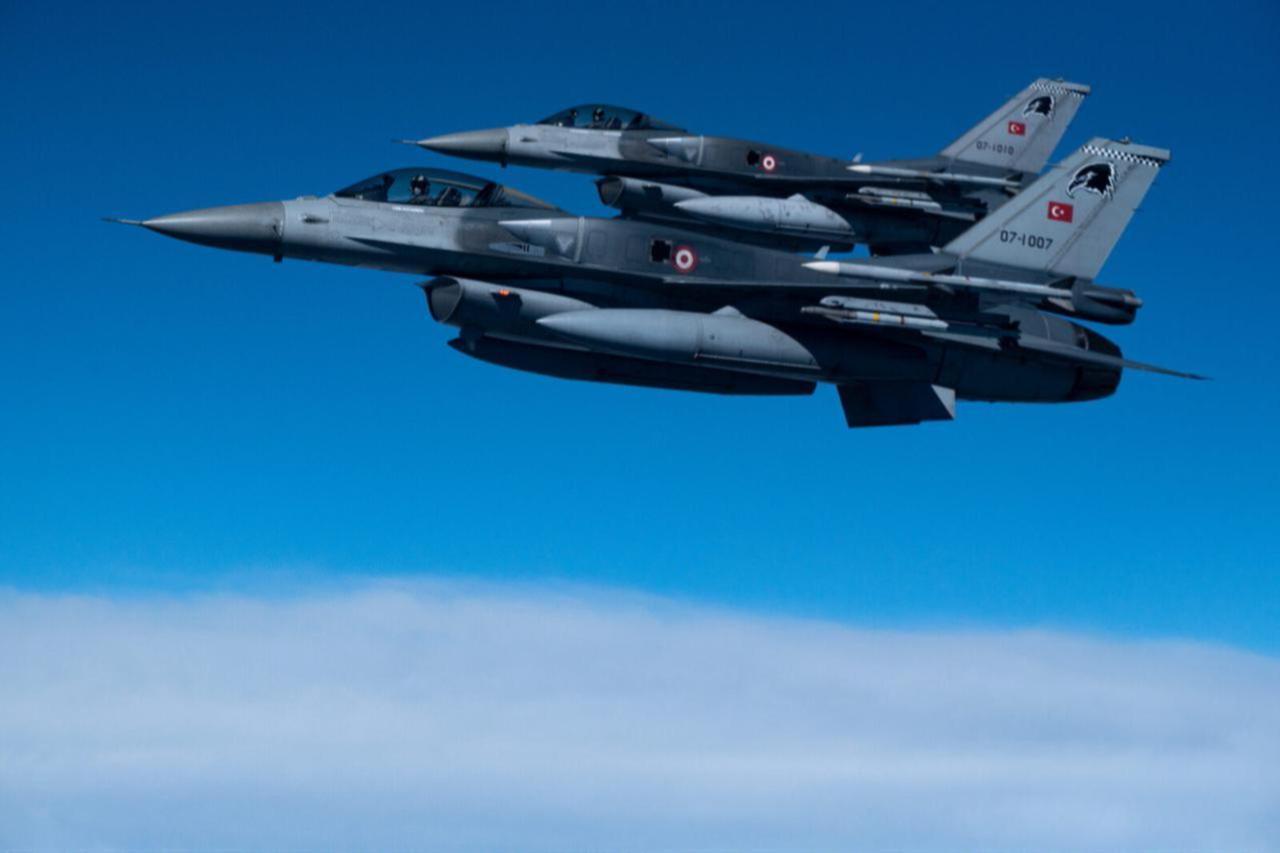
The ministry said F-16 fighter jets tracked the out-of-control drone and shot it down at the most appropriate location following completion of standard procedures.
"As a result of the assessments made, to maintain airspace safety and protect the life and property safety of our citizens, the UAV, which was understood to be out of control, was tracked by our F-16 aircraft and shot down with a controlled intervention at the most appropriate location after procedures were completed," the ministry said.
All decisions were made with "high sensitivity" based on protecting airspace safety, including civilian air traffic, preventing risks to residential areas and holistic evaluation of obtained data.
"The method applied in this context was executed as the most cautious and safe approach that eliminates risks to residential areas and also prioritizes the safety of civil aviation activities," the ministry said.
The ministry said both parties to the ongoing Russia-Ukraine war have been warned to exercise greater caution regarding incidents affecting Black Sea security.
"In addition to all this, both parties have been warned by our counterparts to be more careful about such negativities regarding the security of the Black Sea due to the ongoing war between Ukraine and Russia," the ministry said.
The drone entered Turkish airspace via the Kastamonu corridor from the Black Sea and was tracked toward central Anatolia before being shot down near Cankiri with an AIM-9X Sidewinder missile, according to earlier reports.
The drone's origin has not been officially confirmed, though it is assessed to likely belong to either Russia or Ukraine, given its entry point from the Black Sea.


 Set as preferred source
 Set as preferred source


 2 min read
 1 min read