Newsletters


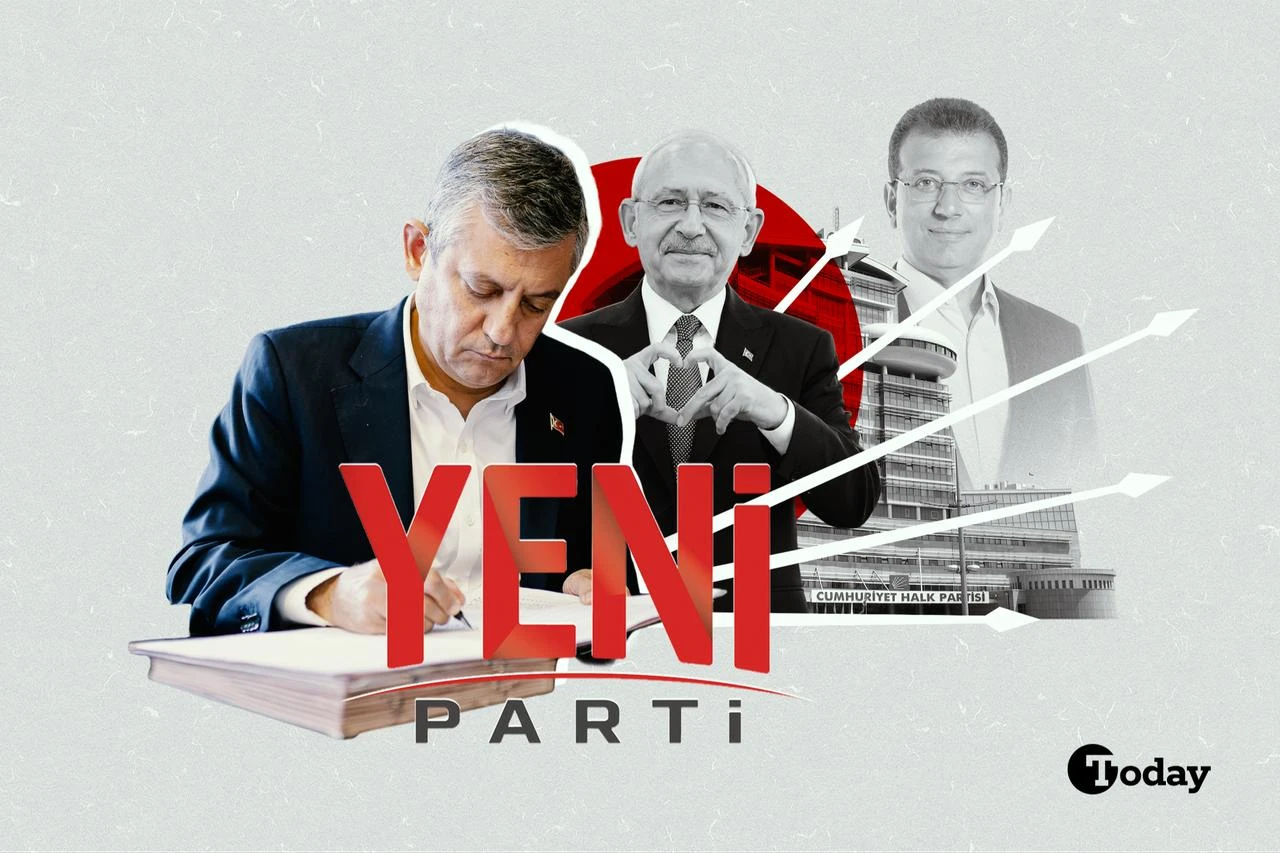


On July 24, Türkiye’s official party registry recorded the establishment of the New Party under former Republican People's Party (CHP) leader Ozgur Ozel. Ninety-one former CHP deputies joined its founding body, giving it the second-largest group in parliament. The scale of the move creates the impression of a clean break: the institutional weight moved quickly, while the political identity remained largely where it was.
The New Party inherited much of the CHP’s elected leadership, parliamentary machinery, program, and declared presidential strategy. Its future now depends on whether an emergency relocation can become a party with a reason to exist beyond the emergency that produced it
Türkiye’s center-left has good reason to fear division. Depending on how successor parties and personal breakaways are classified, more than a dozen formations have emerged from the CHP tradition. Most failed to build a durable national constituency, with Bulent Ecevit’s Democratic Left Party (DSP) being the main exception.
The electoral cost of fragmentation is visible in the 1990s. In the 1994 local elections, the mayoral vote shares of the SHP, DSP and CHP were 16.8%, 7.9% and 4.4% respectively, while the conservative icon Necmettin Erbakan-led Welfare Party won 18.9% nationwide. A year later, the DSP received 14.64% and the CHP 10.71% in the general election. Their combined vote exceeded the Welfare Party’s winning 21.38%. While these figures cannot be added together as though voters were interchangeable, they still show how separate parties can collectively command a large electorate while lowering the threshold an opponent needs to finish first.
The present case does not yet resemble an even division. A Rawest survey, conducted face-to-face with 1,985 respondents before the party was established, placed an Ozel-led party at 35.6% and a Kilicdaroglu-led CHP at 5.1% after undecided voters were distributed. An AREA telephone survey of 2,030 respondents produced a much narrower result: 19.4% for the prospective New Party and 11.8% for the CHP. Both questions concerned a party that did not yet have a name, program or final roster. They measured political permission, sympathy and reaction to the court process alongside firm voting intention.
Even so, both surveys point in the same direction. More legitimacy appears to have moved with Ozel than remained with the CHP emblem. The Rawest interviews also suggested that strong despair among opposition voters had not yet hardened into electoral apathy. This gives the New Party an opening, though probably not an unlimited one.
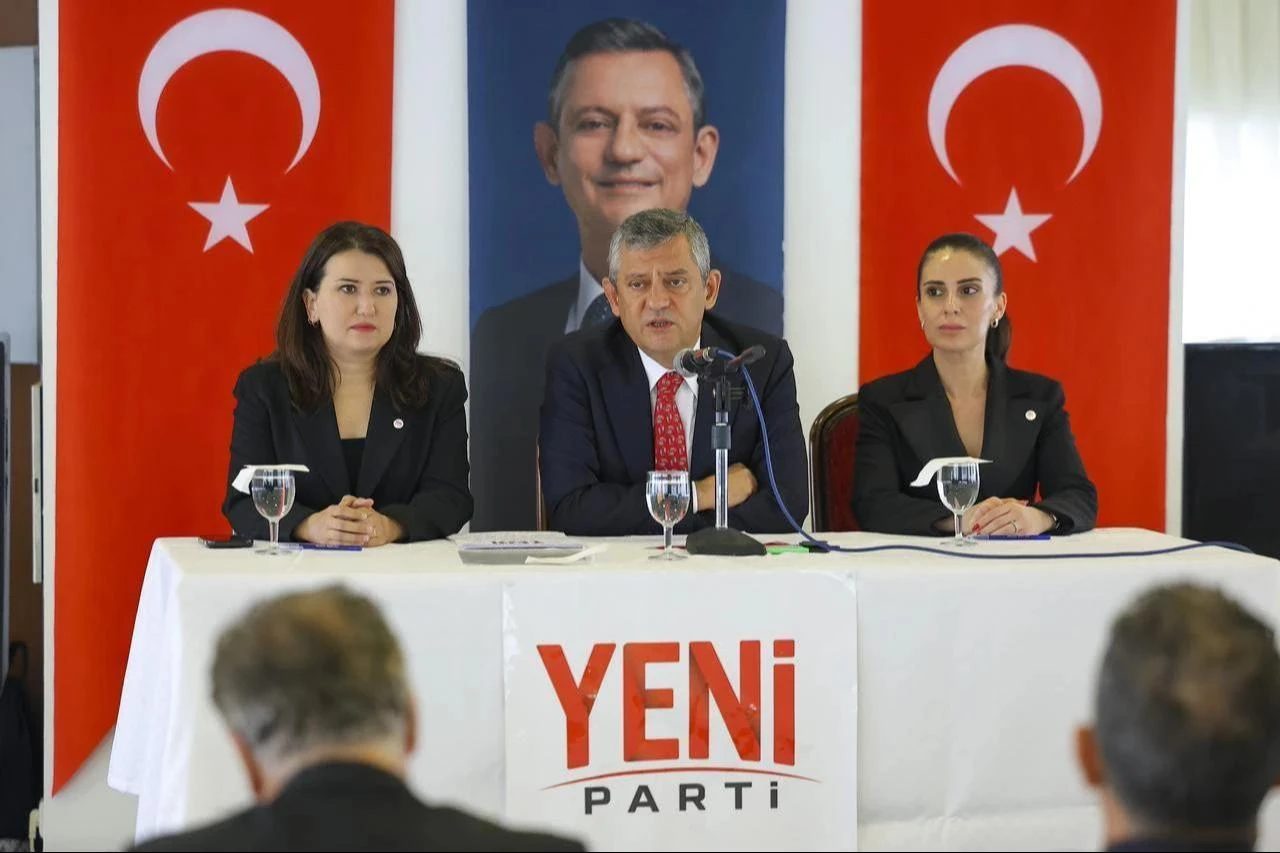

Its first decisions favor continuity. The 41-page program retains the six main principles, also known as Six Arrows, defines the party through contemporary social democracy and borrows heavily from the program prepared under Ozel’s CHP leadership. It calls for a parliamentary system and presents a broad “Turkiye Alliance” that includes voters from the left, right, nationalist, and conservative traditions. In parliament, Ali Mahir Basarir, Murat Emir, and Gokhan Gunaydin continued as group deputy chairs.
There were practical reasons for this. A party assembled under political pressure needed experienced legislators and a ready program. Yet the same choices make its claim to novelty harder to see. The split has so far concerned democratic legitimacy, organizational control, and the response to judicial intervention. No clear division has emerged over economic policy, foreign affairs, social protection, or the role of the state.
This leaves the party with a difficult task. It must preserve enough of the CHP’s memory to carry its existing electorate, while giving voters outside that tradition a reason to enter. A broad invitation cannot do this by itself. The party will need a governing cadre whose authority does not come solely from the previous CHP hierarchy. At present, the public can identify Ozel and his political associates more easily than a government-in-waiting.
The presidential question sharpens this problem. During the struggle over the CHP leadership, Ekrem Imamoglu receded from the daily center of the story, and Ozel became the opposition’s operational leader. The New Party nevertheless reaffirmed Imamoglu as its presidential candidate. His university diploma has been annulled, and a court rejected his initial challenge in January 2026. Unless that legal position changes, his nomination expresses a claim to democratic legitimacy more clearly than an executable electoral plan. The party therefore has a leader who carries day-to-day responsibility and a candidate who cannot currently conduct an ordinary campaign or meet the existing legal qualification for office.
 1 min read
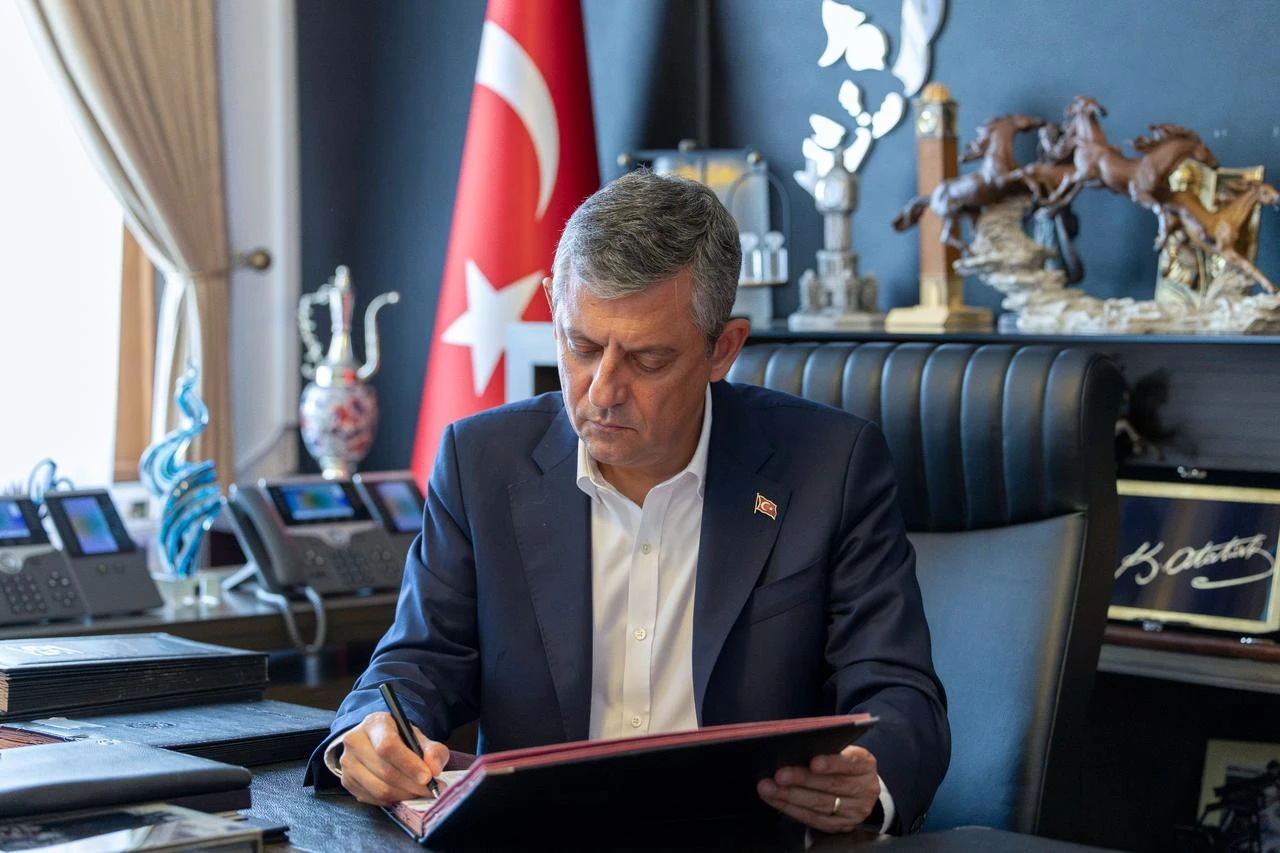
The CHP’s present weakness should not be treated as permanent. Much of the anger directed at Kilicdaroglu concerns the manner of his return through a court ruling. A credible congress could change the terms of the dispute.
A future leadership contest might bring forward figures such as Oguz Kaan Salici, an MP who previously served as the CHP vice-chair responsible for party organization, or Muharrem Ince, a former leadership challenger and the party’s 2018 presidential candidate. Neither name guarantees recovery, but their relevance lies elsewhere. A chair elected by party delegates would no longer derive authority from the judgment that caused the rupture.
That would not reverse the departure of 91 deputies or erase the New Party’s new organization. It could, however, turn today’s largely one-way movement into a competition between two opposition parties with separate claims to legitimacy. The New Party’s immediate advantage is that much of the opposition currently places democratic legitimacy on its side. Its risk is to assume that this initial verdict will survive without a distinct identity, a credible governing team and an electoral strategy that can withstand further legal pressure. The party might be legally new, but politically, it is still being formed.


 Set as preferred source
 Set as preferred source


 1 min read