Newsletters


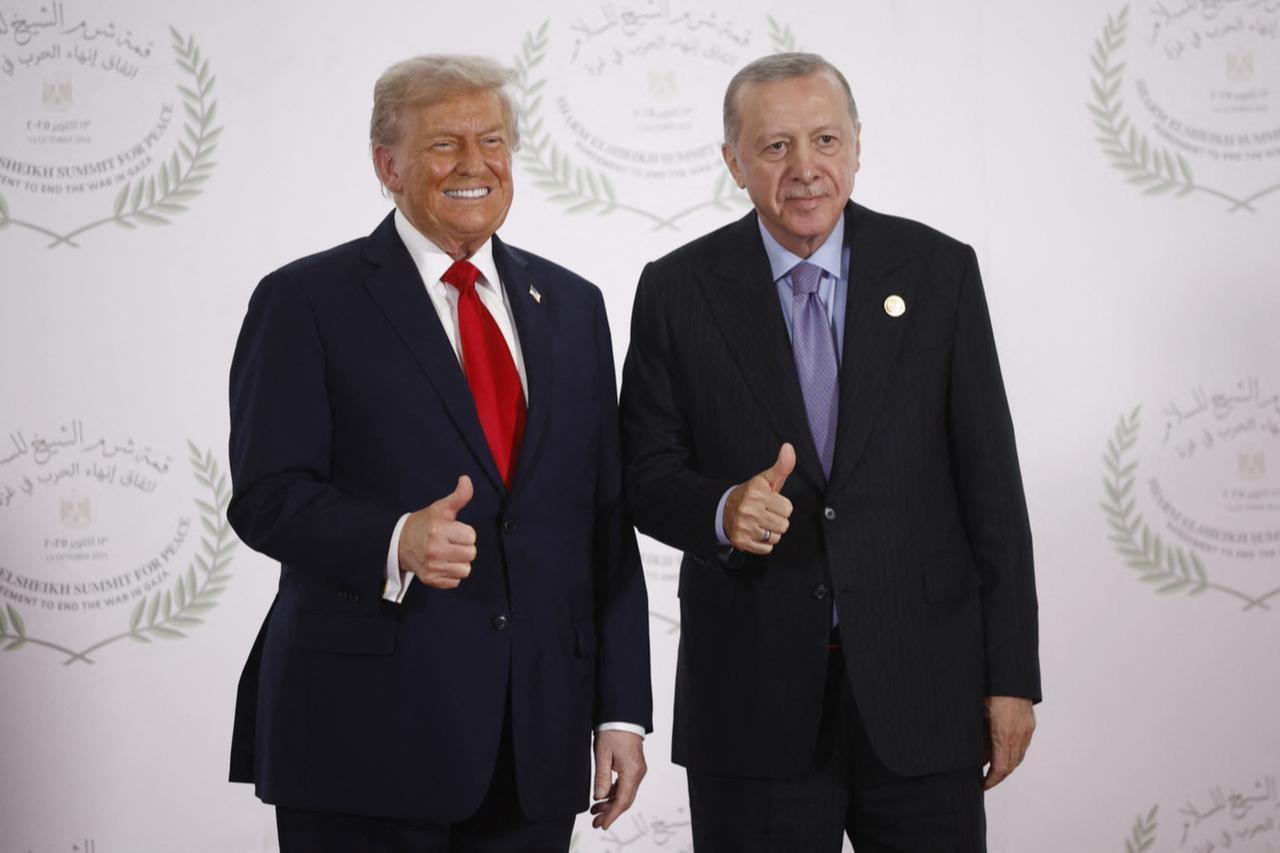


As Ankara and Washington maintain close coordination at the presidential and executive levels, Türkiye is increasingly focused on what it views as a persistent shortfall in Congressional engagement.
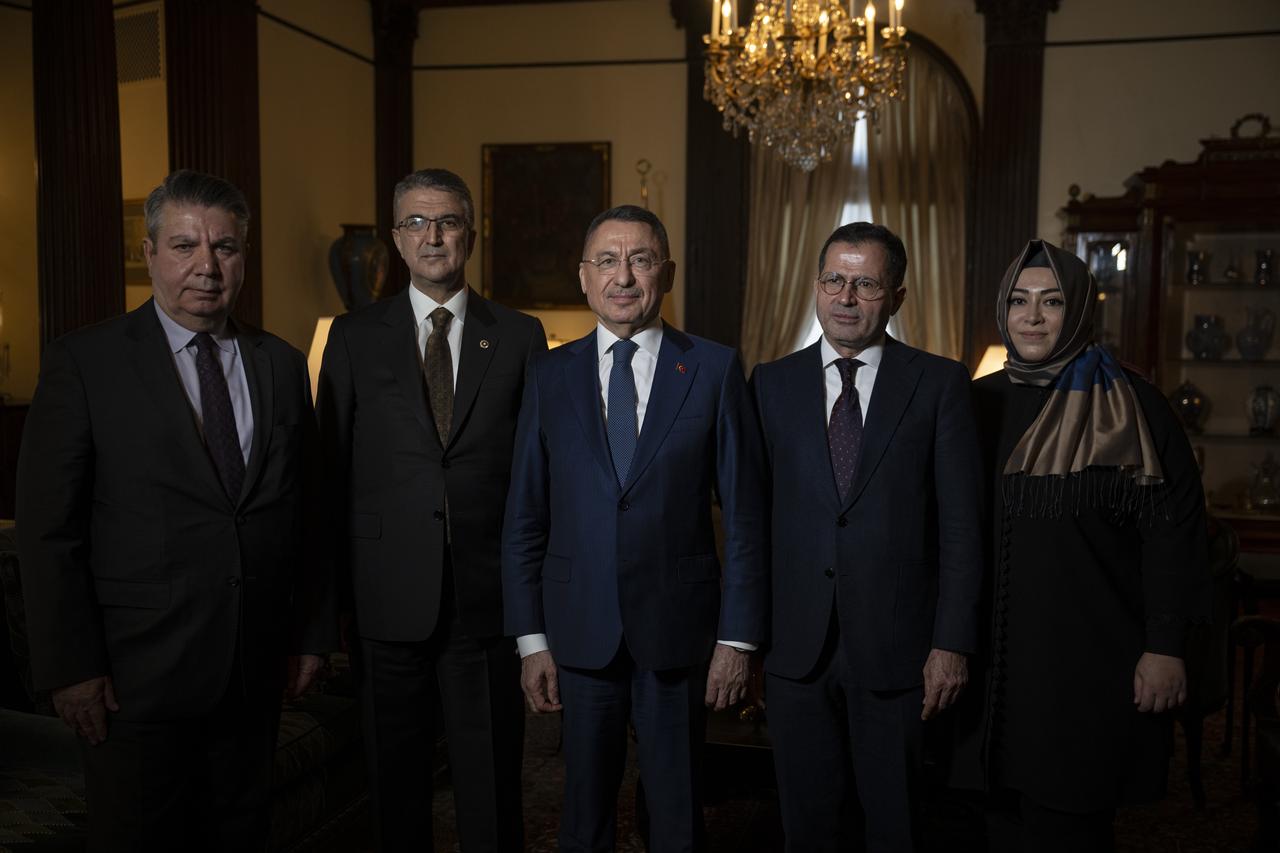
On Feb. 10, a delegation led by Fuat Oktay, chair of the Turkish Parliament's Foreign Affairs Committee, was in Washington to strengthen parliamentary-level ties with both chambers of Congress.
The timing was deliberate. With the 2026 midterm election cycle approaching, members of Congress are becoming more inward-looking, prioritizing local political concerns. Turkish officials see this period as a narrowing window to translate the constructive tone at the executive level into more sustained, institutional relationships with lawmakers.
The visit underscores Ankara’s belief that long-term stability in bilateral relations requires Congressional buy-in. While presidential diplomacy has helped resolve major disputes, Türkiye views parliamentary diplomacy as essential to preventing future policy reversals driven by domestic political dynamics in Washington.
The delegation's visit to Washington this week reflects that effort and highlights four immediate workstreams shaping the bilateral agenda.
Progressing from crisis management to cooperation, these priorities on the topics of trade, sanctions, and regional coordination frame Ankara’s current approach to Washington.

With the North Eastern Syria issue mostly resolved, the most severe rupture between the two NATO allies since the Cold War has now been resolved, removing a major obstacle in bilateral ties.
Ankara believes its core national security concerns have been addressed under the Trump administration, creating space for a faster momentum in relations. This development, along with many other reasons like ideology, has pushed Türkiye closer to Washington’s strategic orbit.
However, Turkish officials argue that momentum generated at the leadership level must now be institutionalized. Without deeper engagement across bureaucratic and legislative channels, recent gains risk remaining fragile.
The current push toward Congress reflects a broader strategy to make improved relations sustainable. Ankara is signaling that close ties are no longer just about fixing past disputes, but about building mechanisms that can withstand political transitions on both sides.
Economic ties form another central pillar of the renewed agenda. Bilateral trade currently stands at around $100 billion in target volume, a figure both sides view as achievable but constrained by structural and political barriers.
Turkish officials see trade not merely as an economic issue but as a stabilizing force in the relationship. Expanding commercial ties is viewed as a way to create constituencies in both countries that favor predictable and cooperative relations.
Visa restrictions, regulatory hurdles, and lingering political concerns remain obstacles. Ankara is seeking to address these issues through more structured dialogue, arguing that a stronger economic relationship would reinforce strategic alignment and reduce the risk of future tensions.
Sanctions remain one of the most sensitive issues on the bilateral agenda. Ankara maintains that punitive measures between NATO allies undermine alliance cohesion and weaken collective security, particularly in the defense sector.
From Türkiye’s perspective, a stronger Turkish defense posture contributes directly to a stronger NATO. Sanctions, especially those affecting defense cooperation, are seen as counterproductive at a time when the alliance faces mounting challenges across multiple regions.
The issue is expected to feature prominently in discussions on Capitol Hill. Ankara is pressing the case that resolving sanctions is not a bilateral concession but a strategic necessity for the alliance as a whole.
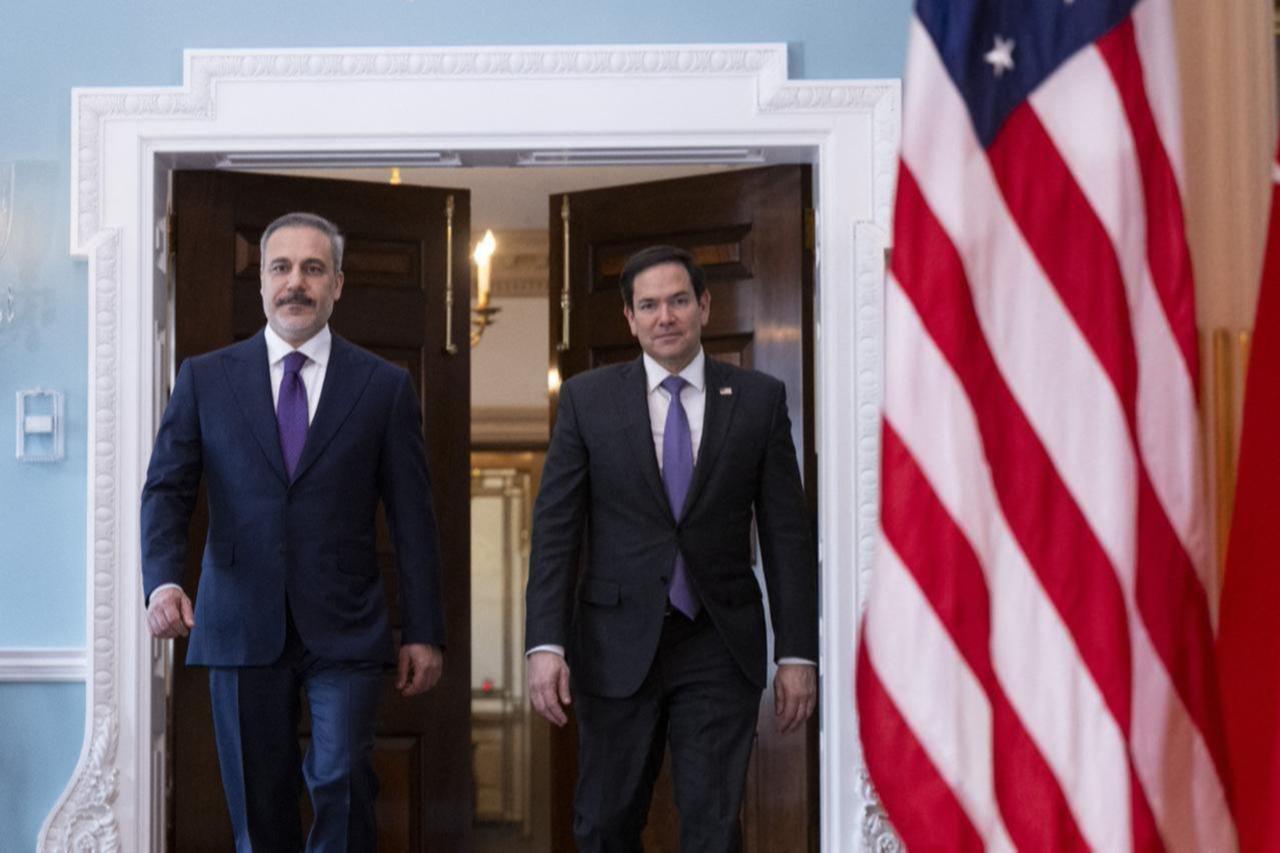
Regional crises continue to define the strategic context of Turkish-American relations. Syria, Gaza, Iran, Ukraine and the Caucasus all feature prominently in Ankara’s discussions with Washington, reflecting Türkiye’s geographic and political centrality to multiple theaters.
Ankara emphasizes a policy of “regional ownership,” arguing that local actors must take the lead in addressing regional problems while maintaining open channels with global partners like the United States and the European Union. This approach aligns with the Trump administration’s increasing emphasis on burden-sharing and local solutions.
Turkish officials point to growing convergence with U.S. policy on several regional issues. They argue that closer coordination not only improves the chances of diplomatic success but also enhances the credibility and effectiveness of Western engagement in the region.
The current phase of Turkish-American relations is defined by an effort to lock in recent gains. Ankara’s outreach to Congress signals a recognition that strong presidential ties, while valuable, are insufficient on their own.
By focusing on trade, sanctions relief, regional coordination, and parliamentary diplomacy, Türkiye is seeking to broaden the foundation of the relationship. The aim is not simply to resolve outstanding issues but to create a framework that can endure political change and shifting regional dynamics.
From Türkiye’s perspective, partnership with Ankara offers Washington a pathway to transform regions of chronic instability into areas of managed competition and potential cooperation.
Whether this momentum translates into lasting institutional cooperation will depend on how receptive Congress proves to Ankara’s message.


 Set as preferred source
 Set as preferred source


 7 min read