

 Newsletters




Democrats have seized control of both chambers of the United States Congress in the midterm elections, dealing a major political setback to U.S. President Donald Trump and reshaping the balance of power in Washington for the final two years of his presidency.
The election results end Republican control of Congress, giving Democrats greater power to challenge Trump's legislative agenda, investigate his administration and block presidential nominees when the new Congress takes office in January 2027.
Although Trump retains substantial executive authority over foreign policy, his administration will now have to navigate a Congress controlled by political opponents, potentially complicating efforts to advance some of its domestic and international priorities.
But what does this political shift in Washington mean for Türkiye, a key NATO ally whose relations with the United States encompass longstanding defense disputes, strategic cooperation and a wide range of regional issues?
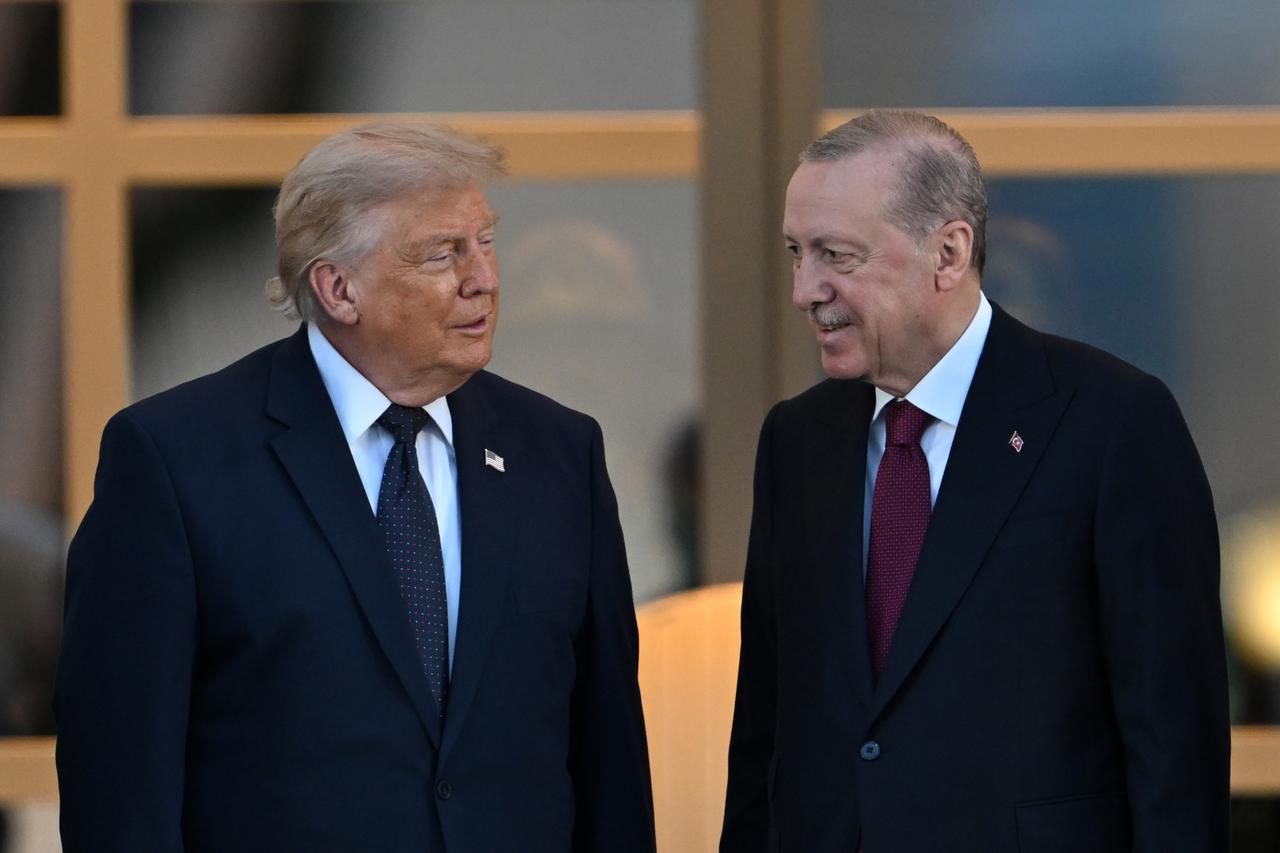
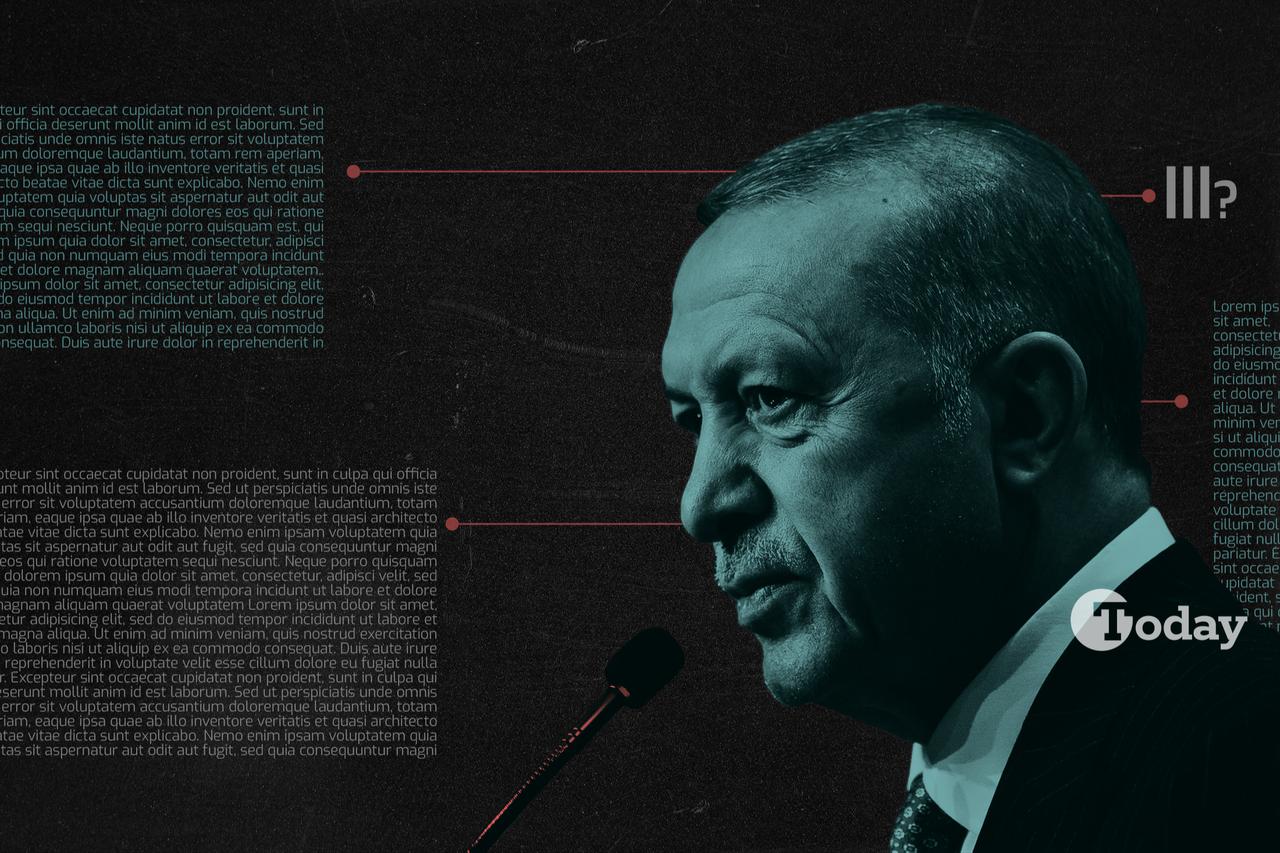
Türkiye does not want its relations with Washington to be portrayed as merely the result of an "Erdogan-Trump bromance." While personal diplomacy between Trump and Turkish President Recep Tayyip Erdogan remains important, bilateral ties extend far beyond the two leaders, encompassing decades of NATO cooperation, institutional relations and shared strategic interests.
With Democrats set to take control of Congress, that broader relationship faces a new political reality, particularly over longstanding disputes involving U.S. sanctions and F-35 fighter jets.
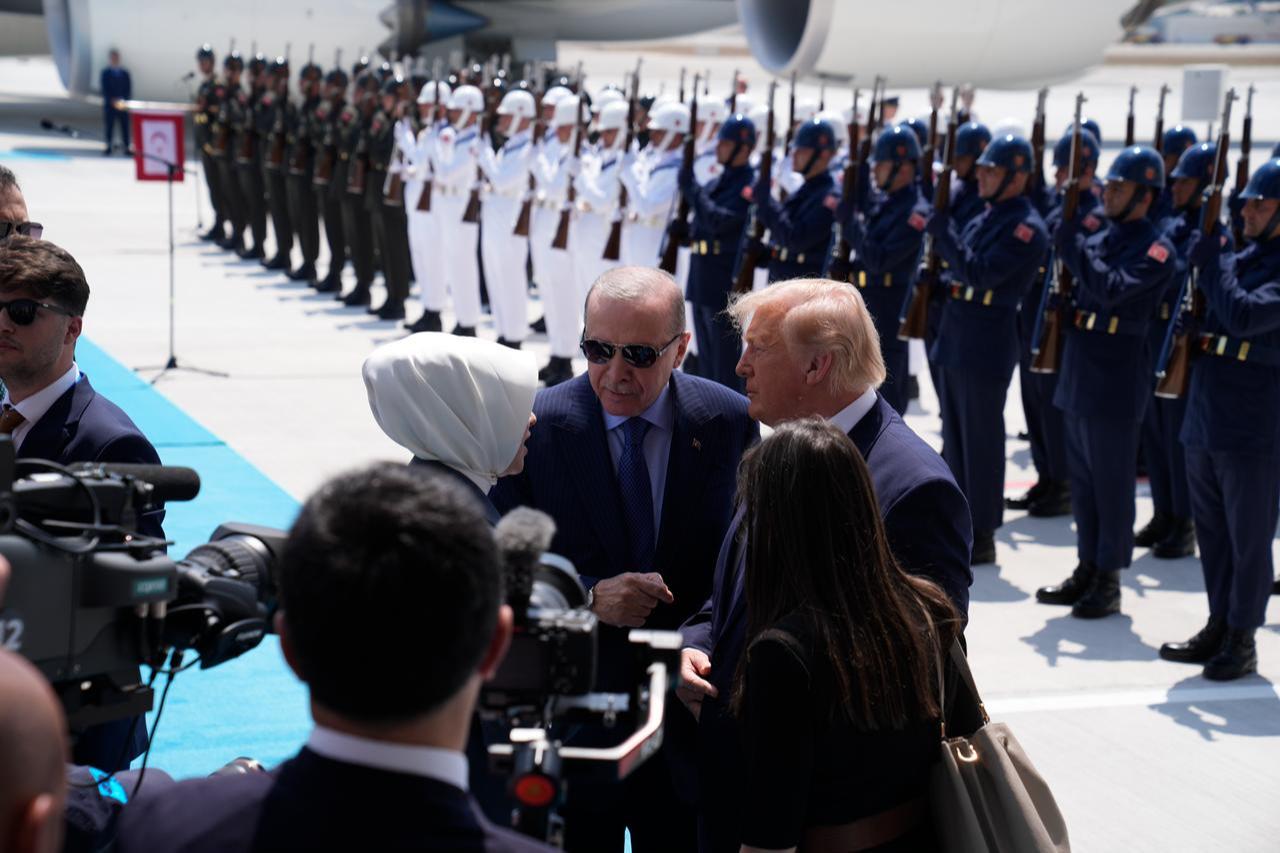

Relations between Trump and Turkish President Recep Tayyip Erdogan have provided an important diplomatic channel for addressing disputes between the two NATO allies.
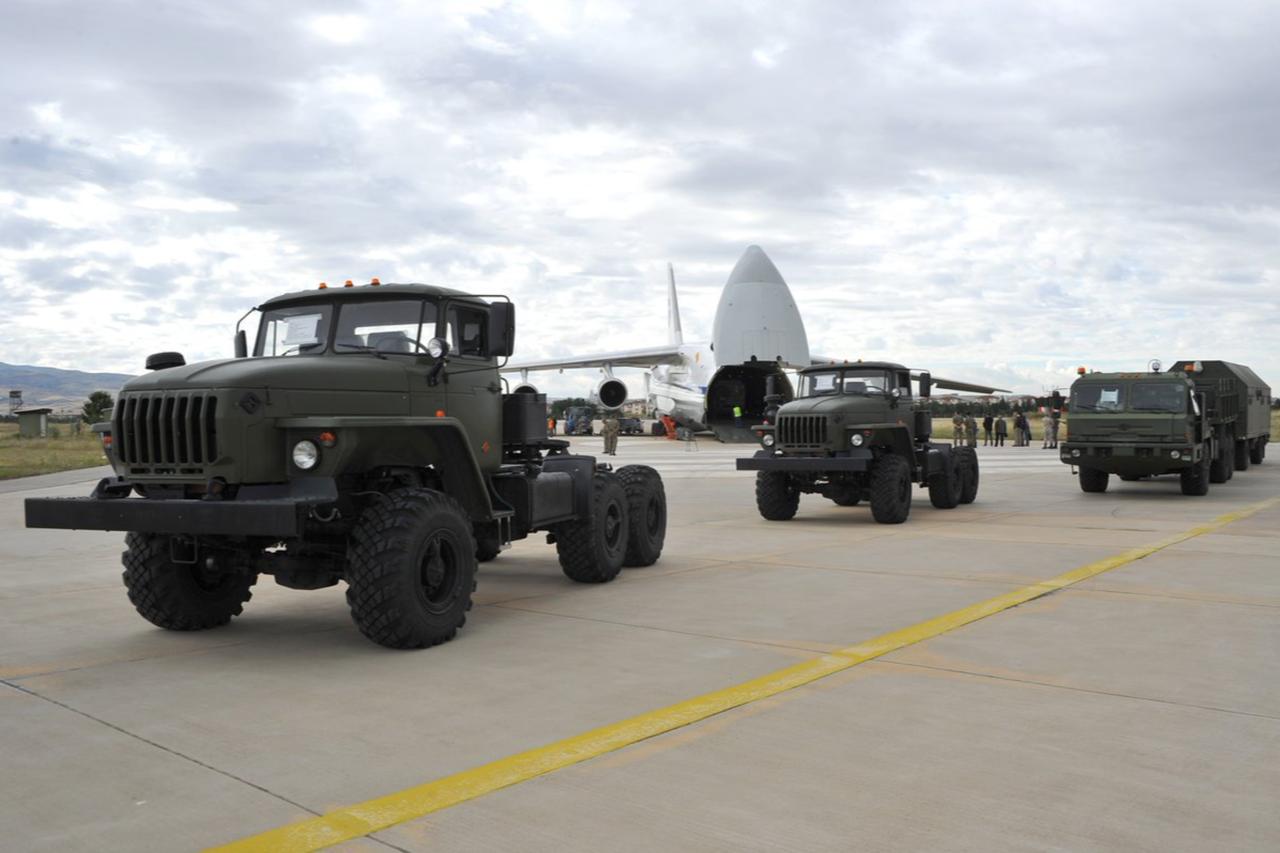
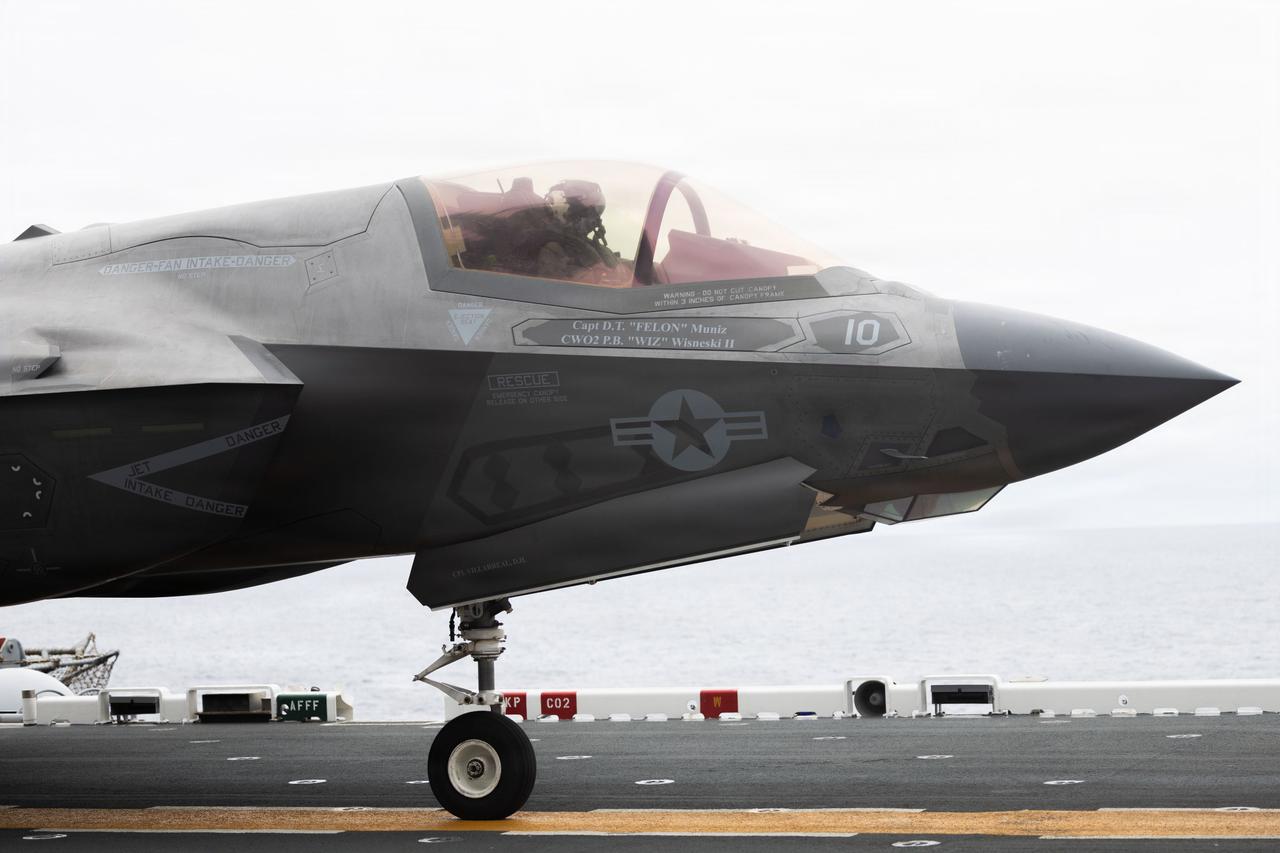
During the NATO summit in Ankara in July, Trump expressed his intention to lift sanctions imposed on Türkiye over its purchase of Russian S-400 air defense systems and said Washington would consider selling F-35 fighter jets to Ankara.
However, neither issue has been resolved despite continued diplomatic contacts.
Türkiye has repeatedly called for the removal of sanctions under the Countering America's Adversaries Through Sanctions Act (CAATSA), along with other restrictions affecting its defense industry.
Turkish officials have repeatedly said that such restrictions are inconsistent with the spirit of the NATO alliance.
Deputy Defense Minister Alpaslan Kavaklioglu also said Ankara was engaged in "intensive contacts" with Washington over six F-35 aircraft manufactured for Türkiye but still held in the United States.
The Democratic takeover does not automatically halt these negotiations. It does, however, give the opposition greater influence over congressional committees responsible for foreign policy, defense legislation and arms sales.
Congressional concern over Türkiye’s purchase of Russian defense systems has been bipartisan, so the obstacles facing Ankara did not disappear under Republican control.
Among the most significant issues are the legal restrictions governing U.S.-Türkiye defense cooperation.
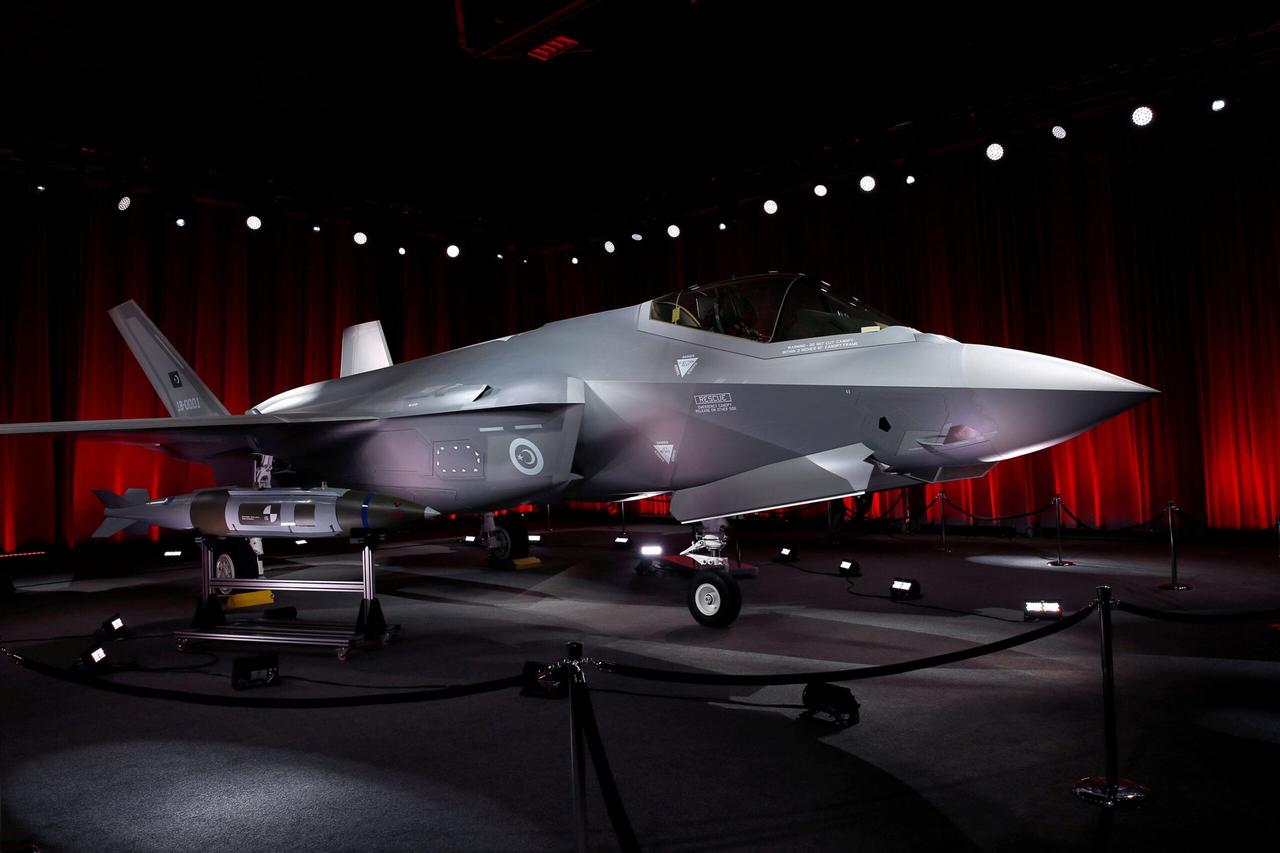
Washington removed Türkiye from the F-35 program in 2019 following Ankara's acquisition of the Russian S-400 air defense system, citing concerns that the equipment could compromise sensitive fighter jet technology.
Congress subsequently passed legislation restricting the transfer of F-35 aircraft to Türkiye.
Under the fiscal 2020 National Defense Authorization Act, the administration can waive the transfer prohibition only after certifying that Türkiye no longer possesses the S-400 system, providing additional assurances and observing 90 days.
CAATSA sanctions, imposed in December 2020 on Türkiye's defense procurement agency and associated officials, operate under a separate legal framework.
According to the Congressional Research Service, the president has certain authority to waive or terminate the sanctions, although some procedures involve congressional review.
With Democrats controlling both chambers, any proposal by the Trump administration to ease these restrictions could face closer scrutiny from lawmakers.
However, congressional oversight does not necessarily mean negotiations will fail. The administration retains certain legal authorities, while Trump's presidential veto remains a potential obstacle to legislation opposed by the White House.
Another factor is opposition to potential U.S. arms sales to Türkiye from Israel and Greece, whose officials have previously raised concerns with Washington over a possible F-35 deal. Greek American advocacy groups have also campaigned against fighter jet sales to Ankara, while Israeli officials have publicly opposed Türkiye's acquisition of F-35s.
There have also been signs of progress in bilateral defense cooperation. In July, the United States cleared the export of 80 General Electric F110 engines for Türkiye's domestically developed KAAN fighter aircraft.
Turkish Aerospace Industries CEO Mehmet Demiroglu said the export authorization had cleared congressional review on July 9, despite objections from some Democratic lawmakers. The decision allows the procurement process to move forward, with initial deliveries expected in 2027.
Defense industry disputes are not the only issues on the agenda between Ankara and Washington.
The two NATO allies also cooperate on alliance security and regional developments involving Syria, Ukraine and the Middle East, even as differences remain over some policies.
Türkiye has emphasized diplomatic efforts to prevent further escalation involving Iran, while the Trump administration faces increased domestic scrutiny over the conflict.
A Democratic-controlled Congress will have more opportunities to examine the administration's regional policies, question officials and influence legislation affecting U.S. foreign relations.
Nevertheless, the president retains substantial authority to conduct diplomacy and maintain cooperation with foreign governments.
For Ankara, this means relations with Washington will continue to involve both direct engagement with the Trump administration and the congressional processes that shape sanctions, defense exports and other areas of bilateral cooperation.
The coming months will show whether ongoing diplomatic negotiations can deliver concrete results on CAATSA sanctions, F-35 fighter jets and KAAN engines under the new political balance in Washington.


 Set as preferred source
 Set as preferred source


 1 min read
 1 min read


