Newsletters


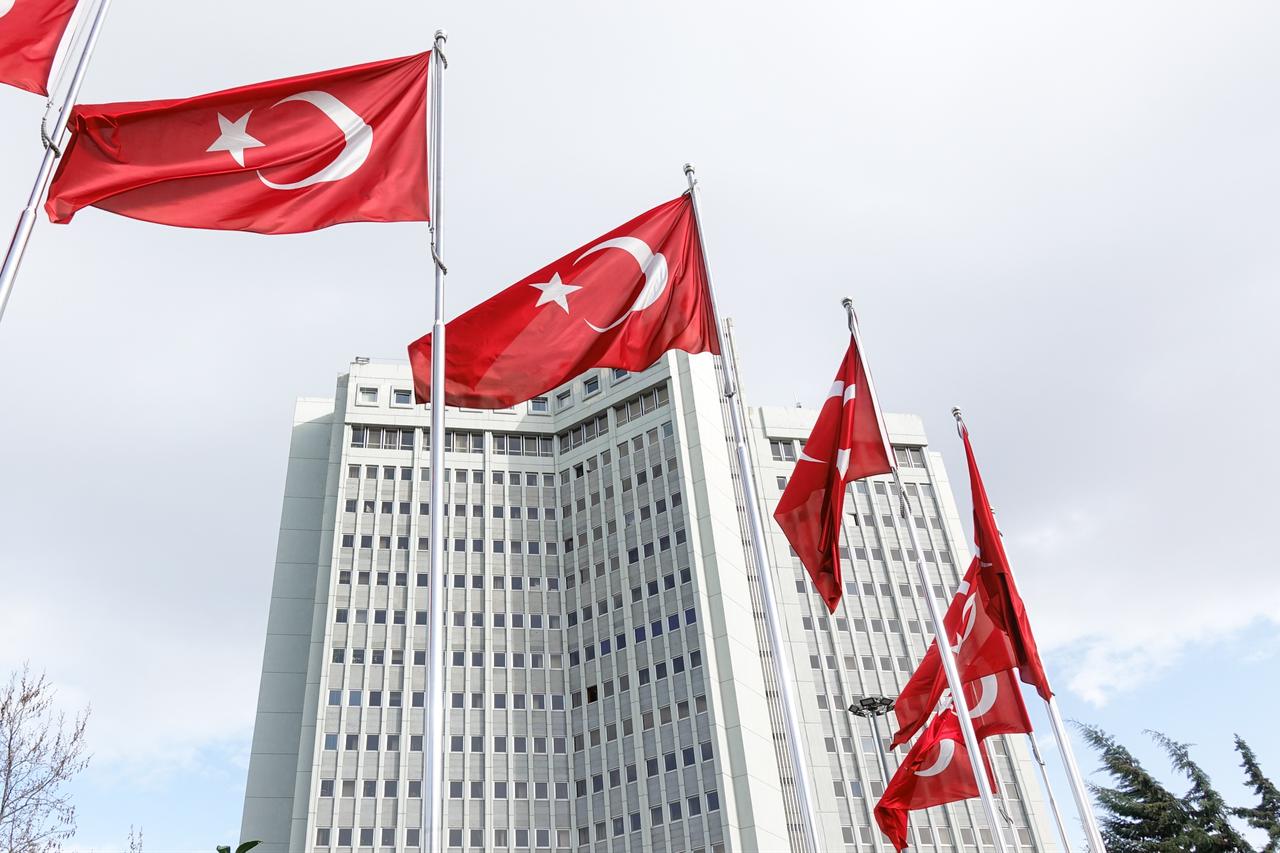


Türkiye said Saturday that Greece continues to disregard the fundamental rights and religious freedoms of the Turkish minority in Western Thrace by appointing muftis in Komotini and Xanthi, the Turkish Foreign Ministry said.
Athens is ignoring rights guaranteed under the Lausanne Peace Treaty and international agreements by naming "so-called muftis" in the region, the ministry said in a written statement, calling on Greece to recognize the muftis elected by the minority.
"The institution of the Mufti is an integral part of the religious, social, and cultural identity of the Turkish Minority in Western Thrace," the ministry said.
"By refusing to recognize the Muftis elected by the Turkish Minority in Western Thrace, an official minority in the country, Greece is ignoring the Minority’s will and religious freedom, thereby once again revealing its distorted perspective on fundamental human rights," it said.
"We call on the Greek authorities to recognize the legitimate Muftis elected by the Minority and to put an end to their attempts to impose appointed muftis," the ministry added.
The Greek government made new appointments to the Komotini and Xanthi mufti offices despite the Turkish minority’s demand to elect its own muftis.
A presidential decree published in Greece’s Official Gazette appointed Bilal Kara Halil, former deputy mufti of Xanthi, as mufti of Komotini. Sukru Serif Damatoglu, a religious official on the island of Kos, was appointed mufti of Xanthi.
According to the decree, both muftis will serve five-year terms.
 1 min read

The dispute began in 1985, when Greek authorities started appointing muftis after the death of Komotini Mufti Huseyin Mustafa Efendi.
In 1991, Greece made the appointment system permanent by repealing provisions for electing muftis. This created a dual structure of state-appointed muftis and muftis elected by the Turkish minority in Western Thrace.
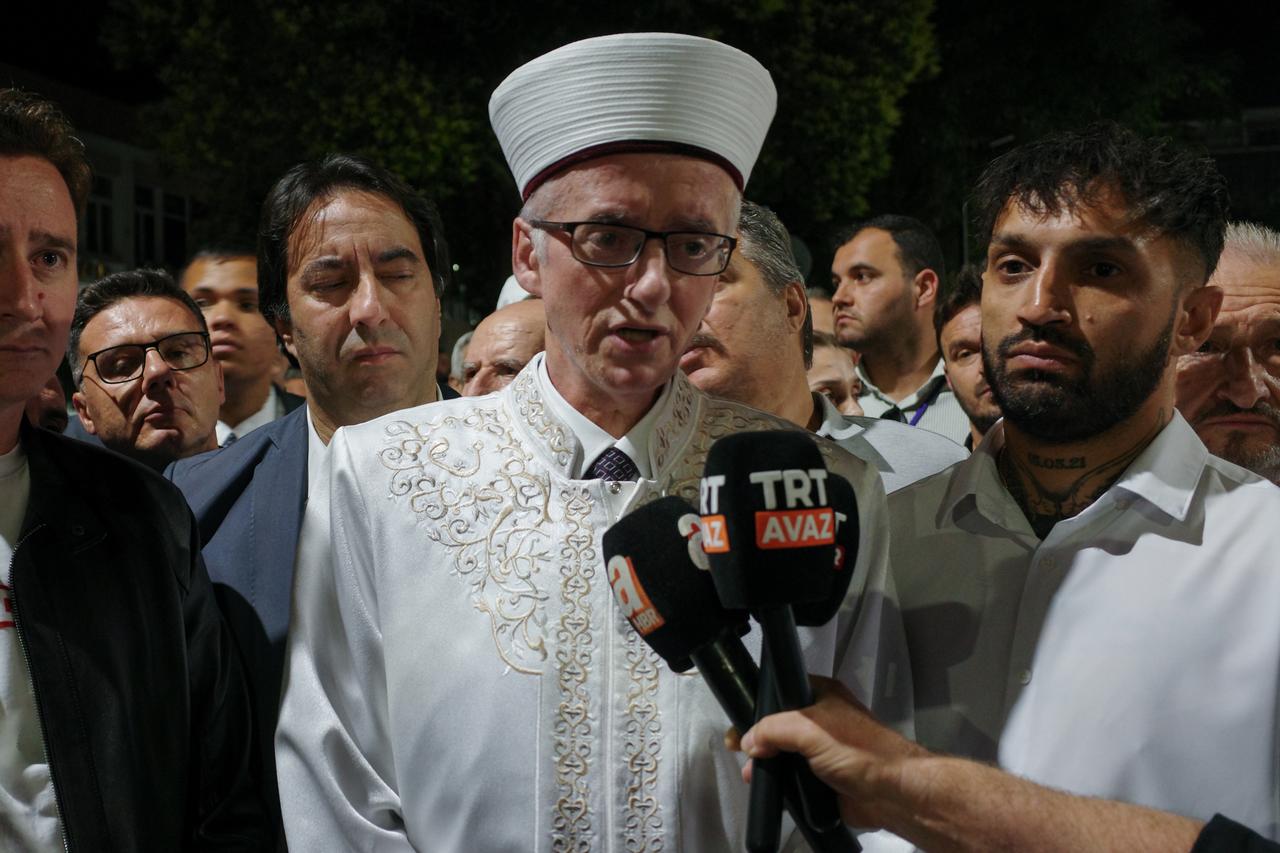
Greek authorities do not officially recognize the elected muftis, while the minority continues to accept the religious leaders it chose. Ibrahim Serif in Komotini and Mustafa Trampa in Xanthi are recognized by the minority as its elected muftis.
Minority representatives cite the 1923 Lausanne Peace Treaty, the 1913 Treaty of Athens, and Law No. 2345 of 1920 as the legal basis for their right to elect muftis. Greece treats muftis as public servants and maintains the appointment system.
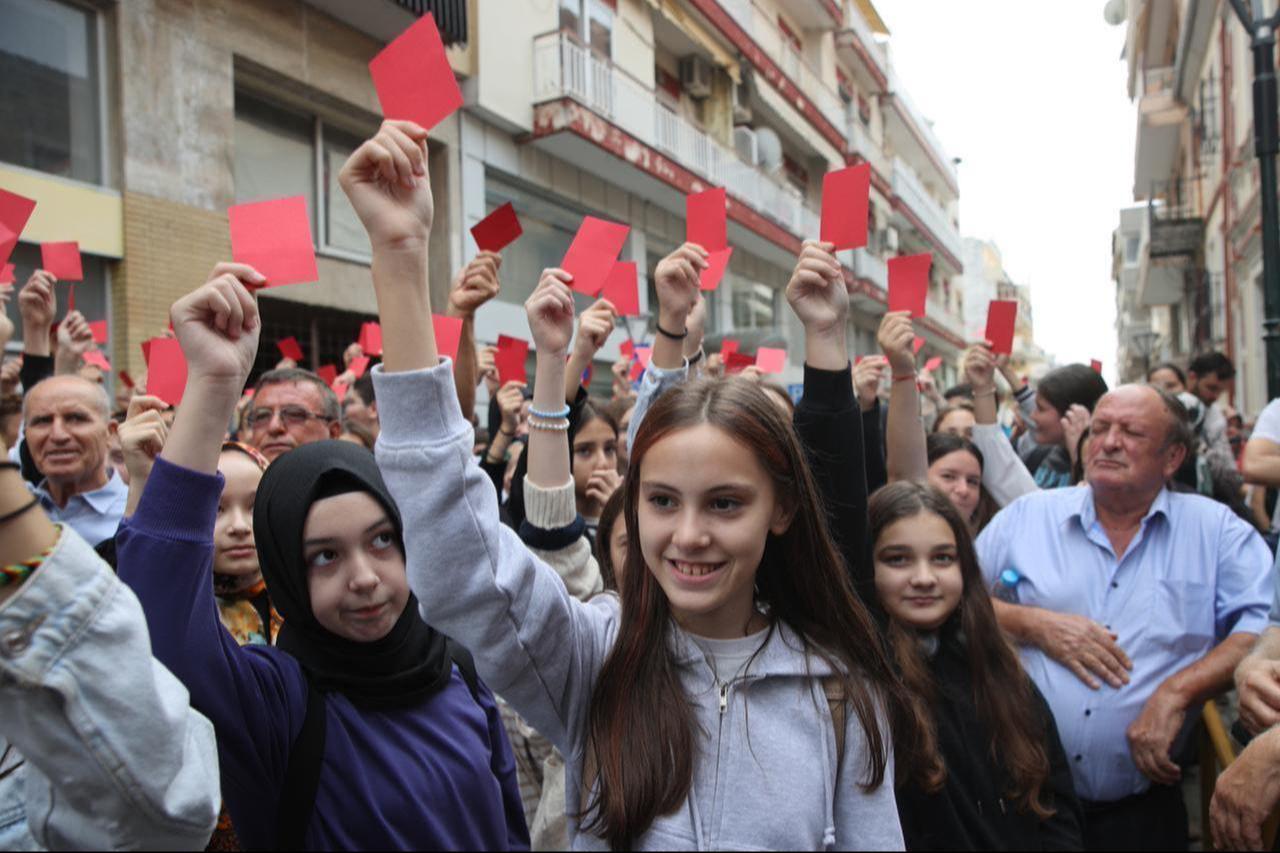

The European Federation of Western Thrace Turks (ABTTF) called on the European Union to show the same sensitivity to minority rights in member state Greece that it expects from candidate countries.
"These principles, which form the foundation of the EU, also apply to member states and do not grant our country the privilege of being beyond scrutiny on human rights and minority rights," the federation said.
The ABTTF said the ethnic Turkish identity of the community is denied and its freedom of association is violated. It said Greece has not implemented European Court of Human Rights rulings on minority associations for more than 18 years.
"The problems of Western Thrace Turks and the rights violations they face must be resolved on the basis of law, equality and human rights rather than being ignored," it said.
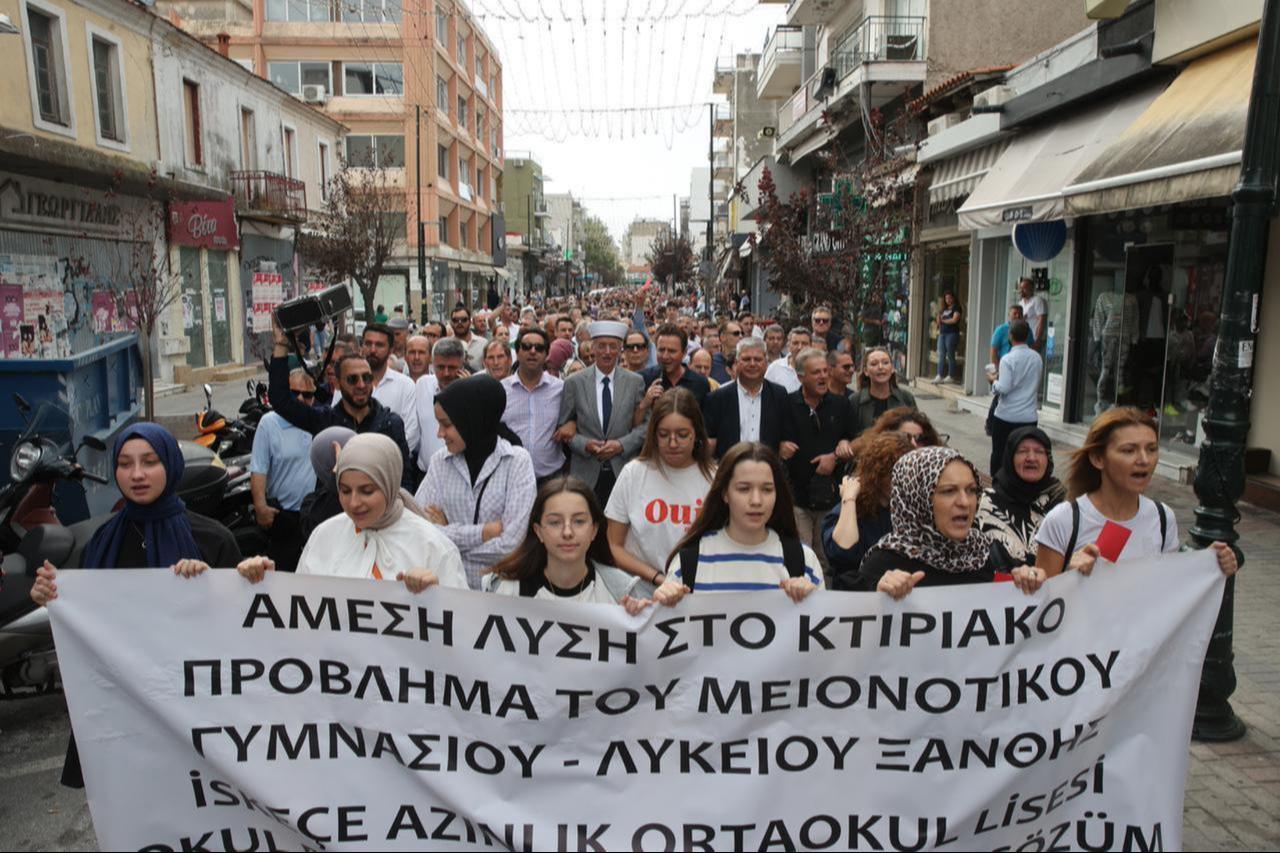
Eight Turkish minority primary schools were suspended for the 2026-2027 school year, five in Rhodope, two in Xanthi and one in Evros, said Mustafa Trampa, head of the Western Thrace Turkish Minority Advisory Board and elected mufti of Xanthi.
Trampa said the schools had effectively closed despite the move being described as temporary. He said minority education holds a special status under the Lausanne Treaty, bilateral agreements and international law.
"Now, if we want to preserve this language, our Turkish, we have to preserve our schools as well," Trampa told Türkiye's state-run Anadolu Agency (AA).
He noted Türkiye works to keep Greek minority schools in Istanbul and Gokceada open despite low student numbers and said the minority expects a similar approach from Greece.
"The closure of a school in a village means the disappearance of that village’s cultural atmosphere. It means the disappearance of that educational atmosphere," Trampa said.
Ozan Ahmetoglu, head of the board of trustees of the Xanthi Minority Secondary and High School, said Greece applies general closure rules to minority schools without regard to their special and autonomous status.
He said the Greek Education Ministry should consult the minority community to find an acceptable solution. "Unfortunately, we see that there is no such environment of dialogue and consultation," Ahmetoglu said.
"This is an acquired right of ours, and we want to exercise this right," he said of education in Turkish and Greek.
"We do not see the minority school merely as a school, but also as a very important institution that sustains cultural continuity, identity and belonging," Ahmetoglu said, concluding: "We want, expect and demand that this wish, this demand, this expectation of ours be accepted and respected by the Greek state."


 Set as preferred source
 Set as preferred source


 1 min read