Newsletters


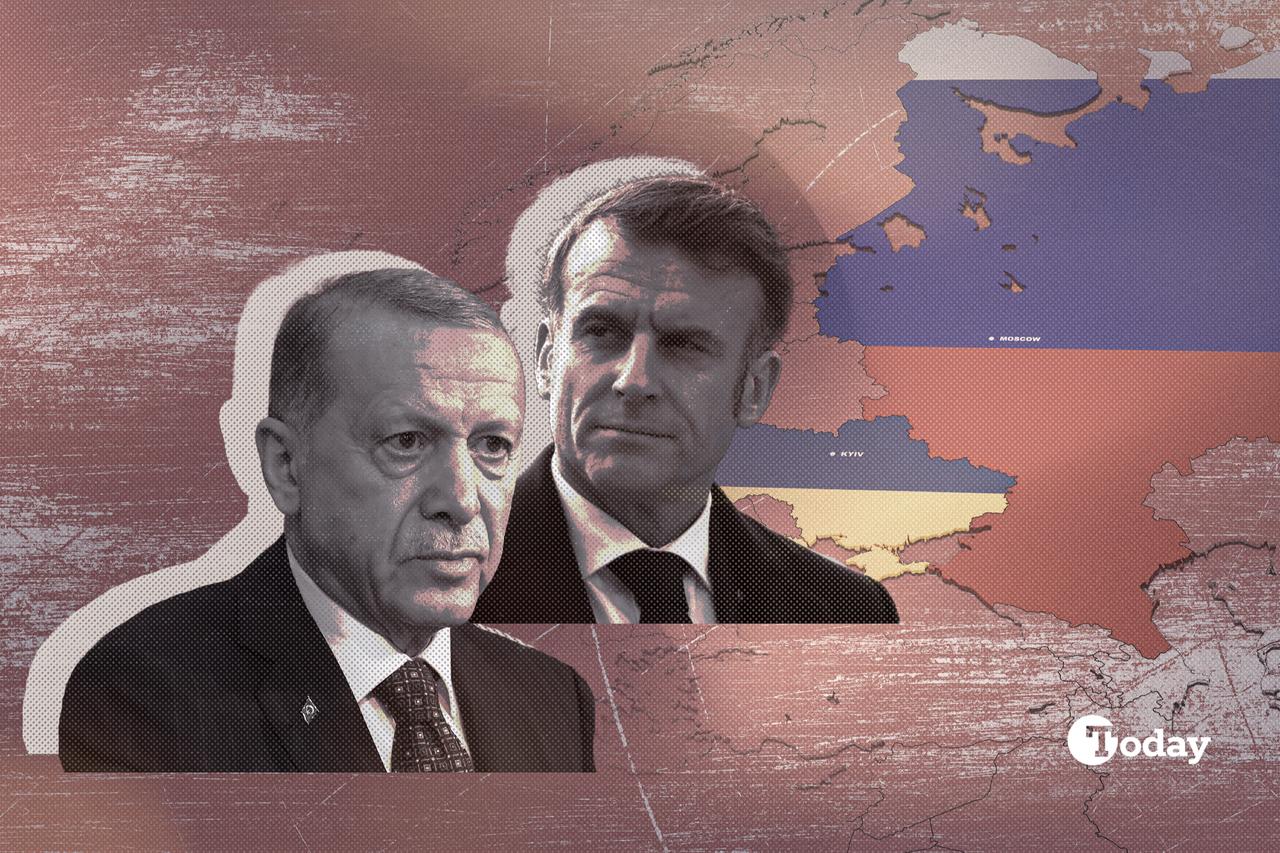


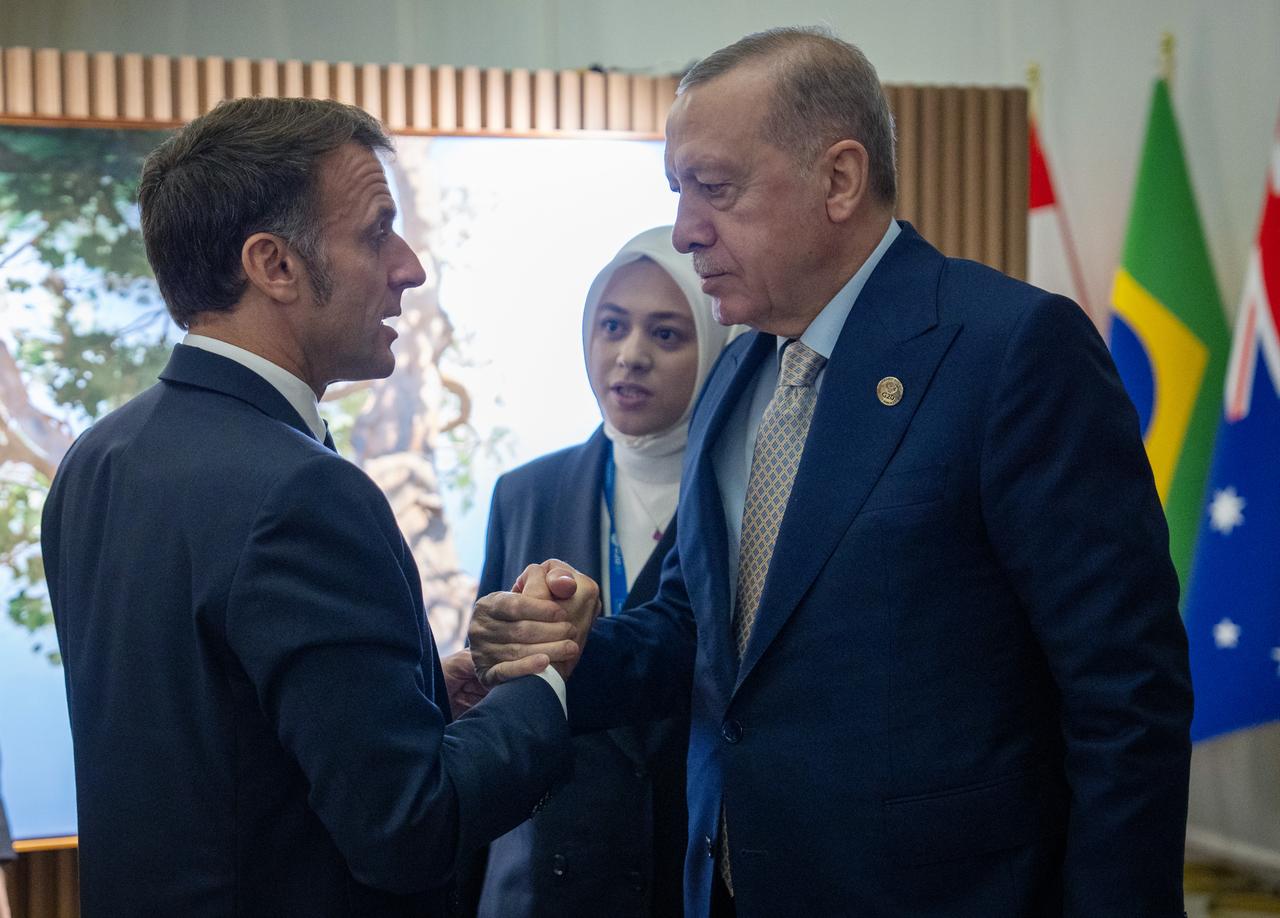
Turkish President Recep Tayyip Erdogan and French President Emmanuel Macron discussed the Russia-Ukraine war and several global issues during a phone call Wednesday, requested by the French leader, according to the Turkish Presidency.
The leaders also reviewed bilateral relations and regional developments, the presidency said in a statement on the social media platform X.
Erdogan emphasized that advancing cooperation between Türkiye and France remains essential, adding that the two nations will continue taking steps to strengthen ties.
On the Russia-Ukraine war, Erdogan said Türkiye is making “maximum efforts” to help end the conflict through a just and lasting peace. He noted that contacts with both sides to revive the Istanbul process are ongoing and reaffirmed that Türkiye stands ready to “make every possible effort” to help open the door to peace.
He stressed that diplomatic channels must be used effectively to achieve a durable settlement and said Türkiye will continue to support efforts toward a ceasefire and subsequent peace process. Avoiding actions that could endanger global stability, he added, would contribute to ongoing mediation efforts.
The two presidents also discussed developments in the Caucasus, Gaza, and Syria.

Macron said in late November that Turkish, British and French troops could take part in a planned “reassurance force” to be deployed to Ukraine once a peace agreement is reached in the Russia-Ukraine conflict.
The reassurance force would be stationed “far away from the front line,” Macron said, focusing on training and security missions in a postwar environment. “There are British, French, Turkish soldiers who, the day peace is signed, not in a context of war, are there to conduct training and security operations, as we do in certain countries on NATO’s eastern flank,” he said.
Macron added that around 20 countries have already expressed readiness to participate in the mission, offering capabilities on land, at sea or in the air.
Türkiye later signaled that it is prepared to join the proposed multinational reassurance force following any eventual peace agreement with Russia, reaffirming its commitment to regional stability and post-conflict security operations.
Rear Adm. Zeki Akturk, spokesperson for the Turkish Defense Ministry, said at a weekly briefing in late November that the Turkish Armed Forces are ready to contribute to any initiative ensuring peace in the region.
“The Turkish Armed Forces are prepared to contribute to any initiative aimed at ensuring security and stability in our region,” Akturk said. “First and foremost, a ceasefire must be established between Russia and Ukraine. Then, a mission framework, with clearly defined objectives and each country’s contribution, must be determined.”
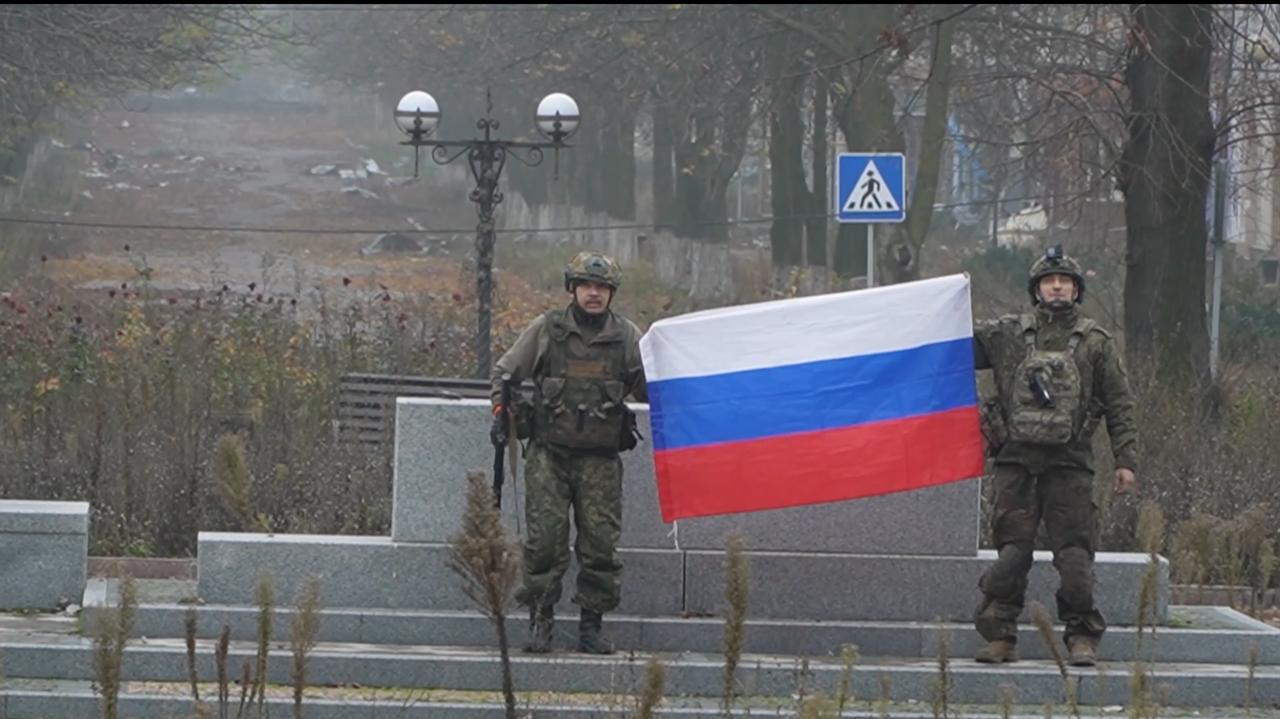
Meanwhile, Russian President Vladimir Putin said Tuesday that Moscow is “ready” to respond immediately if Europe were to launch hostilities, accusing European countries of obstructing U.S.-led peace efforts and proposing terms “unacceptable” to Russia.
“We’re not going to fight Europe; I’ve said that a hundred times. But if Europe suddenly wants to fight us and starts, we’re ready right now,” Putin said, as quoted by Russia’s Tass news agency.
He claimed that European governments have “excluded themselves” from Ukraine peace talks and are now trying to undermine U.S. President Donald Trump’s ongoing diplomacy with Kyiv and Moscow.
“(European countries) have removed themselves from this process first. Second, seeing that they don’t like the results today, they have begun to hinder both the current U.S. administration and President Trump from achieving peace through negotiations,” he said.
Putin argued that Europe’s attempts to amend U.S. peace proposals are designed to derail the wider process. “All these changes are aimed at only one thing, to block the entire peace process, to put forward demands that are absolutely unacceptable for Russia, and they understand this,” he said, adding that European governments are attempting to shift blame for any collapse onto Moscow.
He said Russia would allow European nations to rejoin negotiations if they “take into account realities on the ground.”
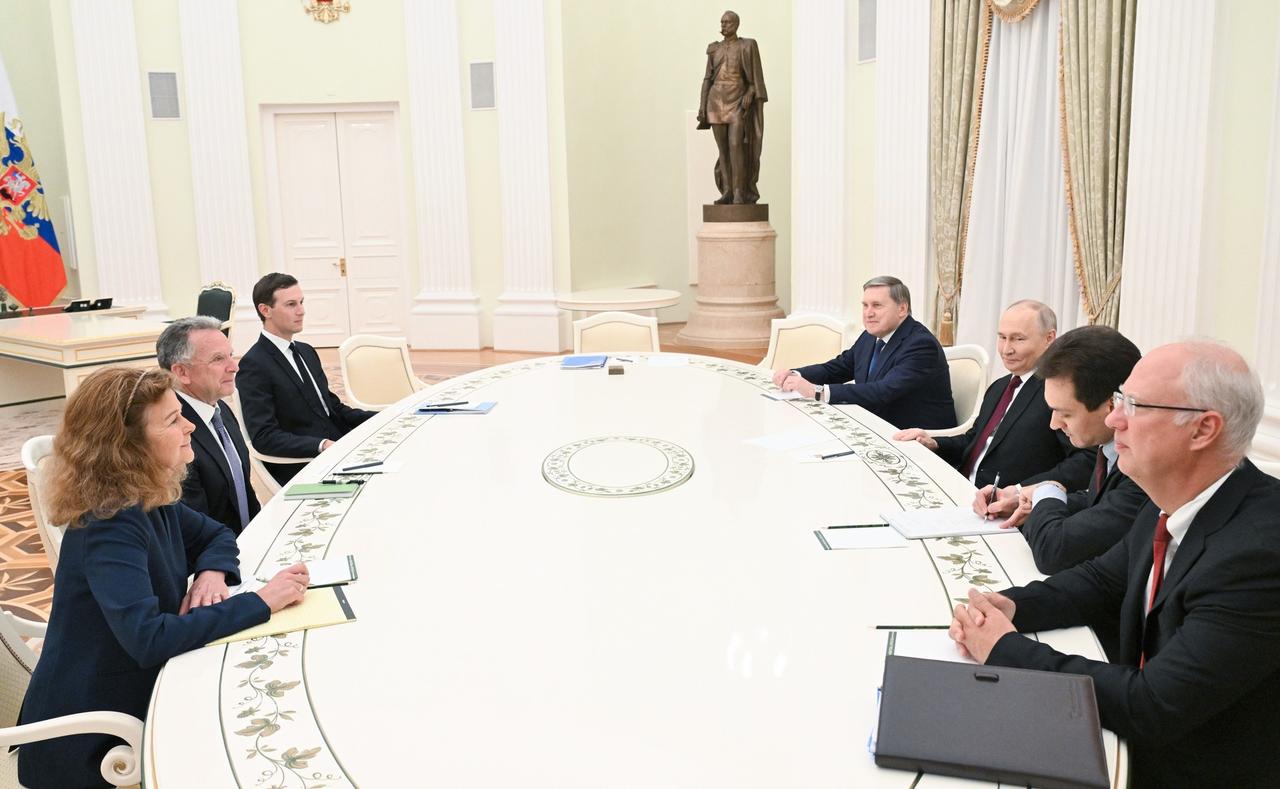
Also Tuesday, a high-level meeting in Moscow between Putin and Trump’s special envoy Steve Witkoff and senior adviser Jared Kushner concluded after about five hours, Russian officials said early Wednesday.
Kirill Dmitriev, Putin’s envoy, described the meeting as “productive” in a post on X, sharing a photo from inside the Kremlin talks.
Russian presidential aide Yuri Ushakov called the discussions “constructive, very useful, and informative,” saying they “thoroughly” covered a possible settlement over five hours.
Ushakov said Moscow found some U.S. proposals acceptable while others were not. He noted that Putin told the U.S. side Russia “could agree to some aspects of the U.S. plan, but others were criticized.”
He said Moscow had received “four more documents” in addition to Trump’s original 28-point proposal, which included discussion of territorial issues.
There was no immediate statement from the U.S. delegation. Axios reported that Witkoff and Kushner are expected to brief Ukrainian President Volodymyr Zelenskyy in Europe later Wednesday on the discussions.
The U.S. peace plan, initially 28 points, has reportedly been narrowed during recent talks with Kyiv to focus primarily on defining a de facto border under a potential ceasefire.


 Set as preferred source
 Set as preferred source


 2 min read
 1 min read