Newsletters


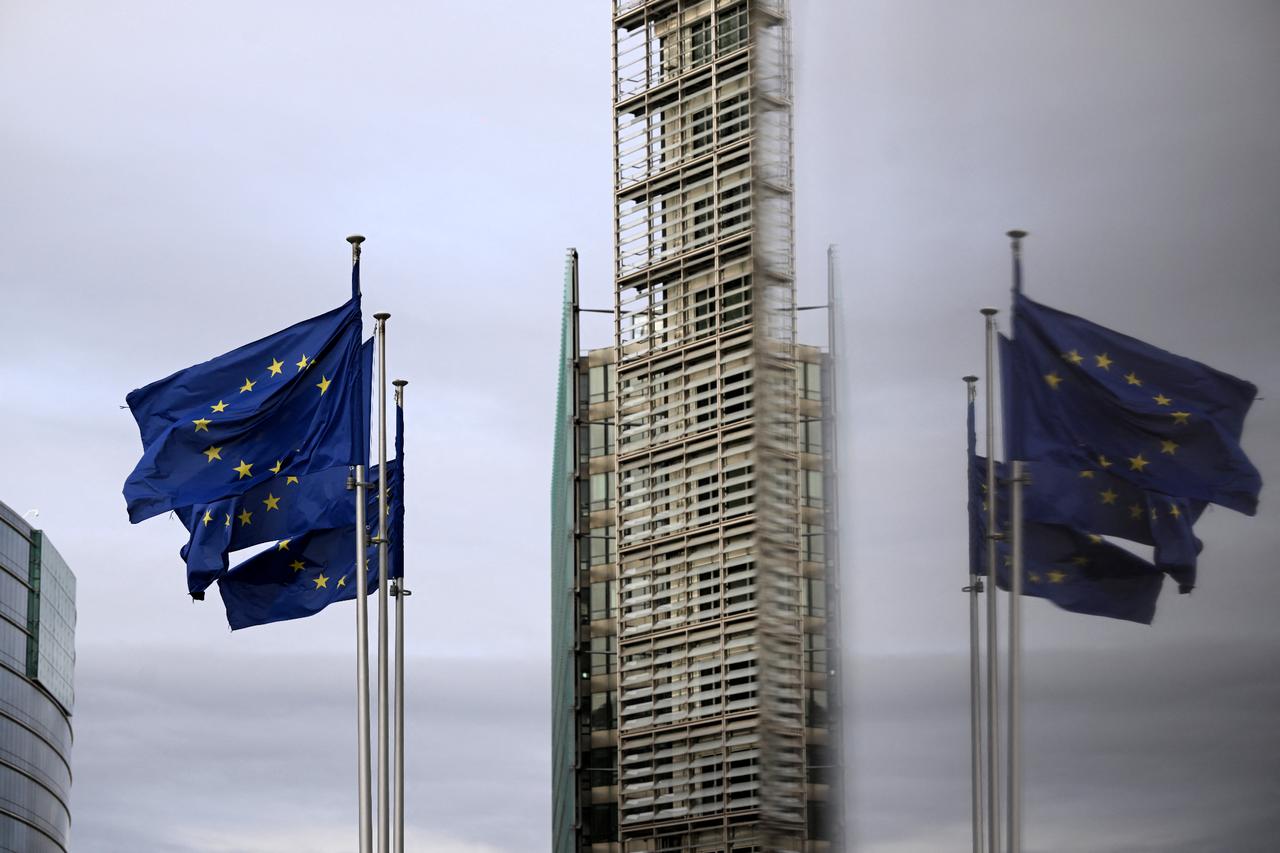


The European Union must overcome its "strategic blindness" toward Türkiye and see the country as a strong strategic partner rather than a buffer zone, the head of the Turkish parliament’s Foreign Affairs Committee, Fuat Oktay, said in Berlin.
He called on Germany to lead a "strategic mindset change" in Europe, saying it makes no sense to seek close defense cooperation with Türkiye while applying double standards on economic integration and full membership.
"Seeing Türkiye as indispensable when threats emerge but keeping a distance when decisions and opportunities are to be shared damages mutual trust and runs counter to Europe’s own long-term interests," the Turkish official said at a roundtable organized by the SETA think tank.
"We expect Berlin to actively lead this strategic mindset change," Oktay noted.
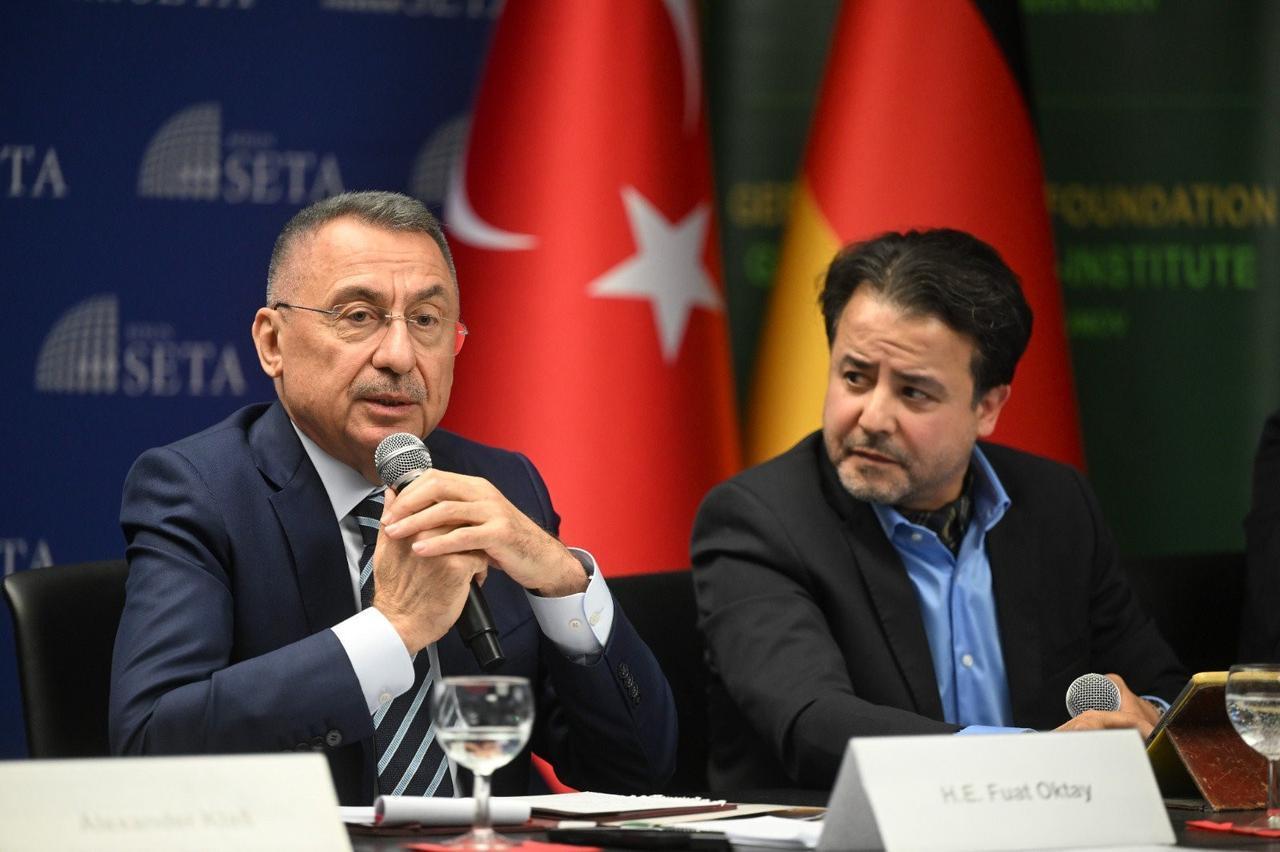

"Europe should see Türkiye not as a buffer zone but as a strong strategic European partner to transform its economic ties into a forward-looking partnership," he said.
"Türkiye offers an indispensable security umbrella for German industry and the direct interests of customers and consumers in Europe," the Turkish official added.
He outlined three pillars for the partnership.
The first is strategic defense cooperation. "As NATO allies, we share a common responsibility for Europe’s security," he said, pointing to opportunities for joint production, air and missile defense and unmanned systems with Germany. "Export restrictions should not lead to non-reciprocal industrial partnerships."
The second is deepening economic integration.
Germany remains Türkiye’s leading trade partner, and "modernization of the Customs Union will remedy long-standing structural imbalances and increase competitiveness on both sides," Oktay said.
The third, he said, is overcoming the EU’s strategic blindness.
Türkiye's ties with Europe date back to the 1963 Ankara Agreement, and a customs union with the EU took effect in 1996.
Accession negotiations began on Oct. 3, 2005, but have reached a deadlock over political blockages by member states and the Cyprus issue, with 16 chapters opened and one provisionally closed.
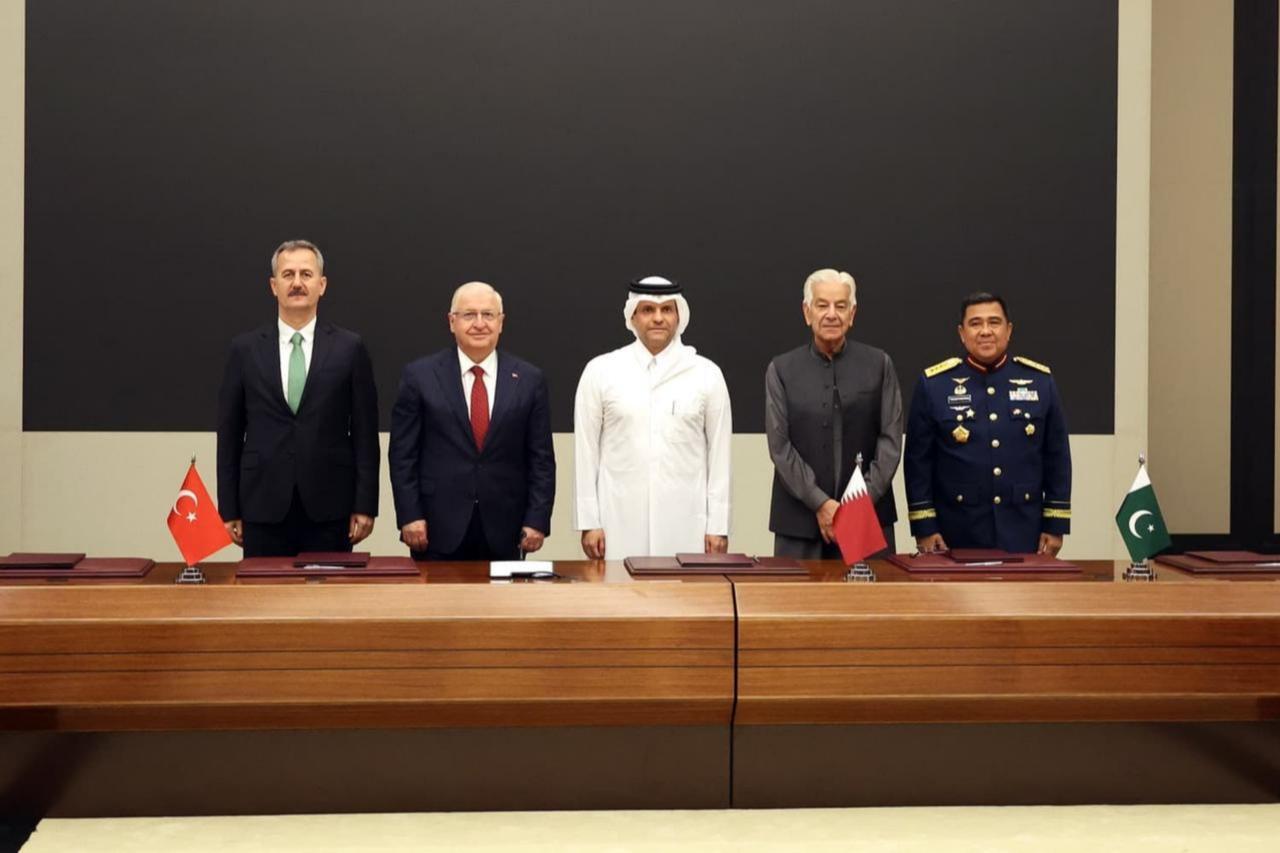
"Our commitment to regional ownership is not just in words. The Mecca Joint Defense Agreement, which recently passed the Turkish Parliament’s Foreign Affairs Committee, is clear proof of this will. This is a purely defensive agreement designed to encourage stable and respected participants," Oktay said.
He said Türkiye is working to eliminate terrorist elements in Iraq and aims to connect the region through economic opportunities offered by the Development Road project.
"The tragedy in Gaza stands before us as the most painful, most concrete and most devastating proof of global moral collapse. International law loses its credibility when it is applied according to the identity of the victim or the perpetrator," he said.
"Instability in the region most of all opens space for the aggressive policies of the Netanyahu government in Israel," the Turkish official added.
Oktay also said Türkiye is among the countries that can talk to all parties to keep the Strait of Hormuz open and bring regional actors back to the negotiating table.


 Set as preferred source
 Set as preferred source


 2 min read
 1 min read