Newsletters


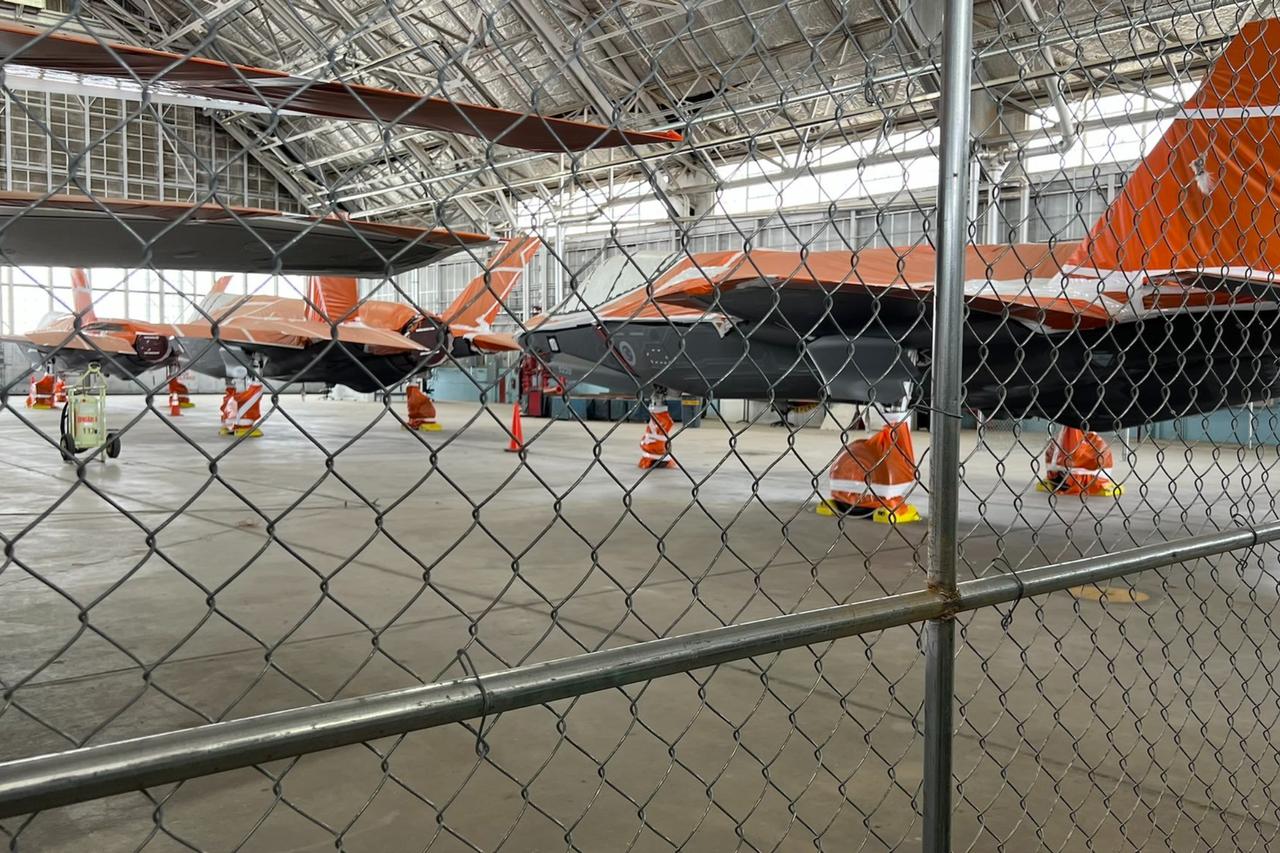


Six F-35A Lightning II jets built for the Turkish Air Force have been spotted in storage in the United States, where they have sat sealed and maintained for years.
The jets were not transferred to the U.S. Air Force after Türkiye was removed from the F-35 program in 2019. Their systems are filled with anti-corrosion fluids, sensitive components are sealed, and the aircraft receive regular maintenance.
The images resurfaced as Ankara and Washington weigh Türkiye's possible return to the program, with delivery of the six stored jets seen as the first step in a four-stage roadmap.
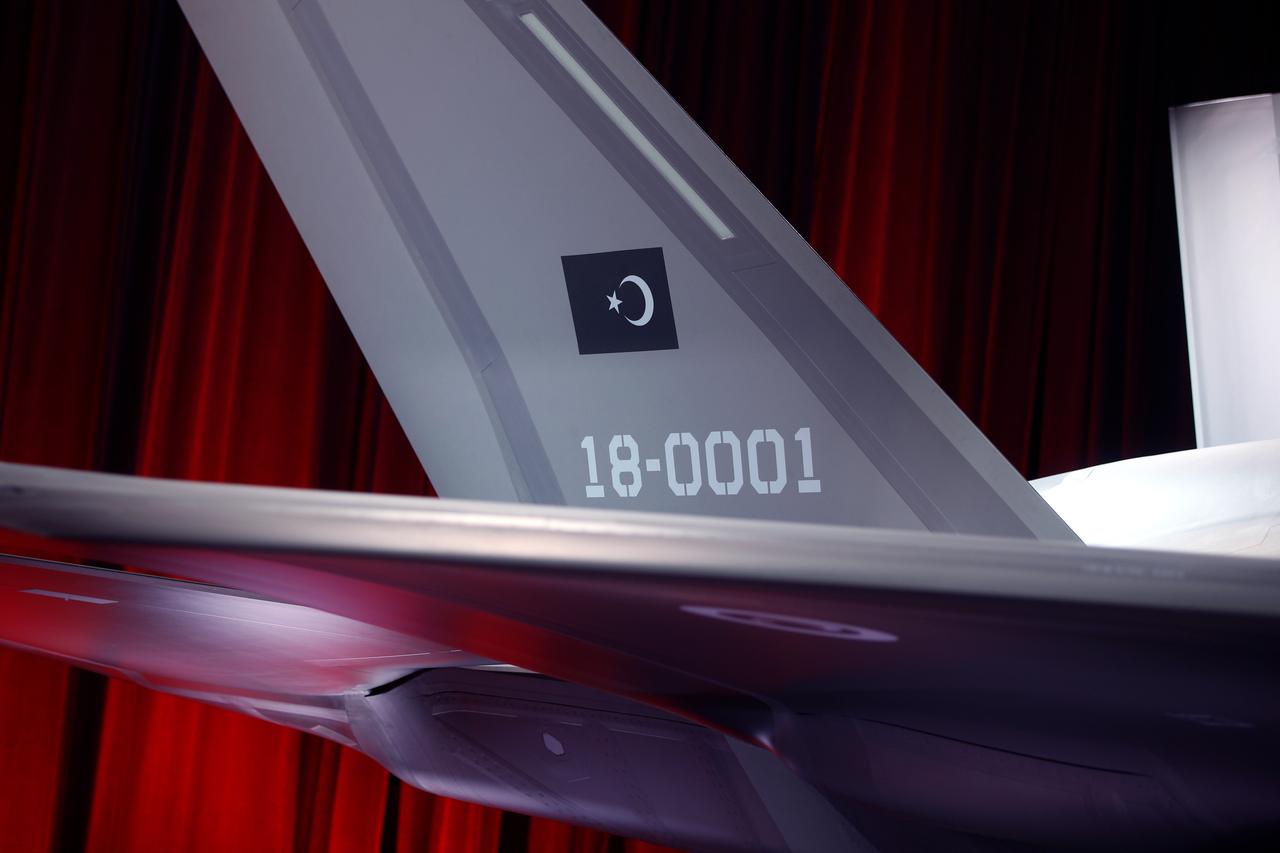
The first six aircraft, which were assigned tail numbers, were kept in the United States to train Turkish pilots. The first jet for Türkiye was delivered in 2018, and Turkish pilots made their first flights with two delivered aircraft.
Before its removal, Türkiye planned to buy 30 F-35As in a first phase and 100 in total.
Türkiye joined the program in 2002, and Turkish defense firms entered its manufacturing and supply chain in 2003. Ankara has paid $1.4 billion under the program.
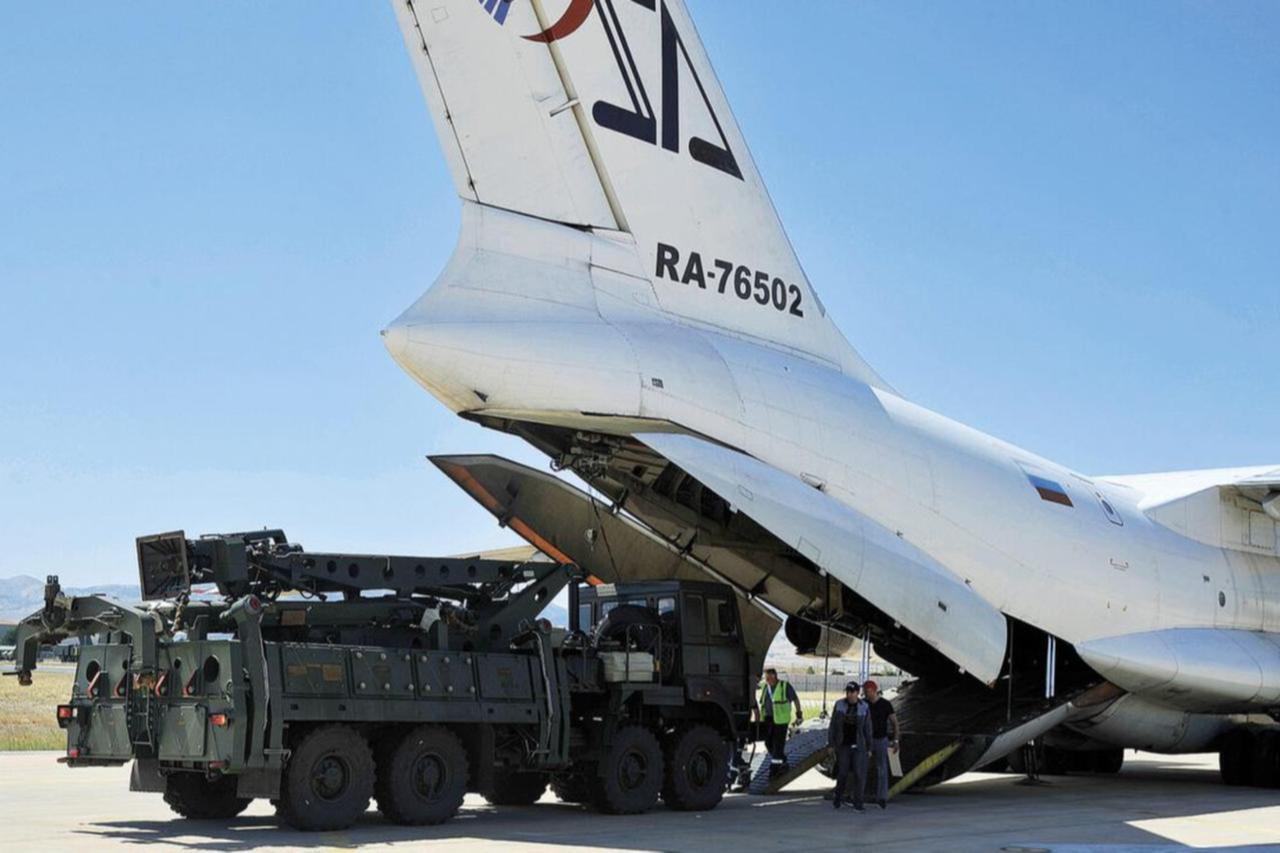
Washington removed Türkiye from the program in 2019 after it bought Russia's S-400 air defense system and halted the jets' transfer to Türkiye.
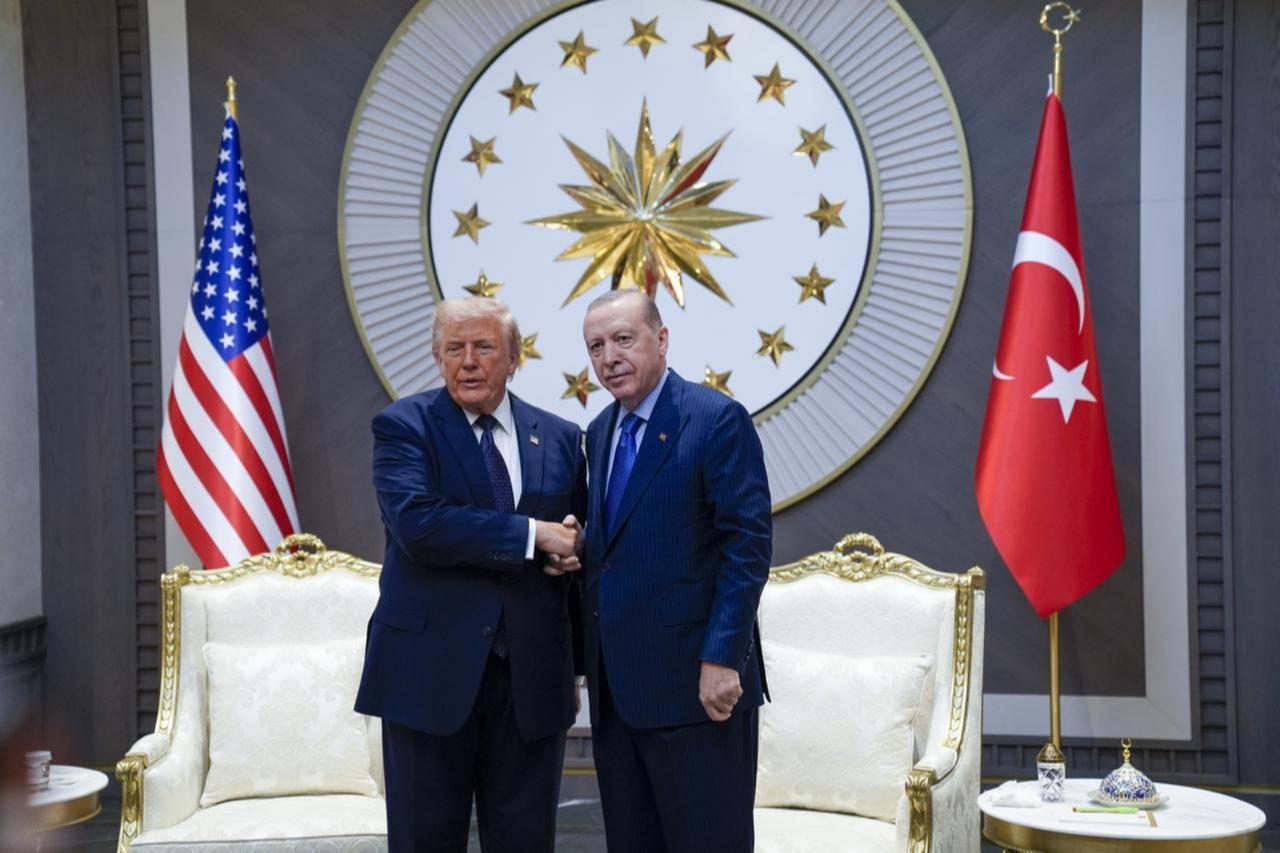
The first signals of a possible return came after U.S. President Donald Trump's contacts with President Recep Tayyip Erdogan at the NATO summit in Ankara.
A four-stage roadmap is reportedly envisaged once all conditions are met: delivery of the six stored jets, a timeline for a new order of 30 F-35As, Turkish companies rejoining production, and the supply of Turkish munitions, led by the SOM-J cruise missile, to the global F-35 fleet.

The S-400 remains the biggest obstacle to Türkiye's return to the F-35 program and the lifting of CAATSA sanctions.
Transferring the systems to a third country has emerged as a leading option, but Türkiye cannot do so without Moscow’s approval.
Russian Foreign Minister Sergey Lavrov said on Sept. 26 that Moscow could approve a transfer if the recipient maintains friendly relations with Russia and guarantees the systems will not be passed on, including to Ukraine.
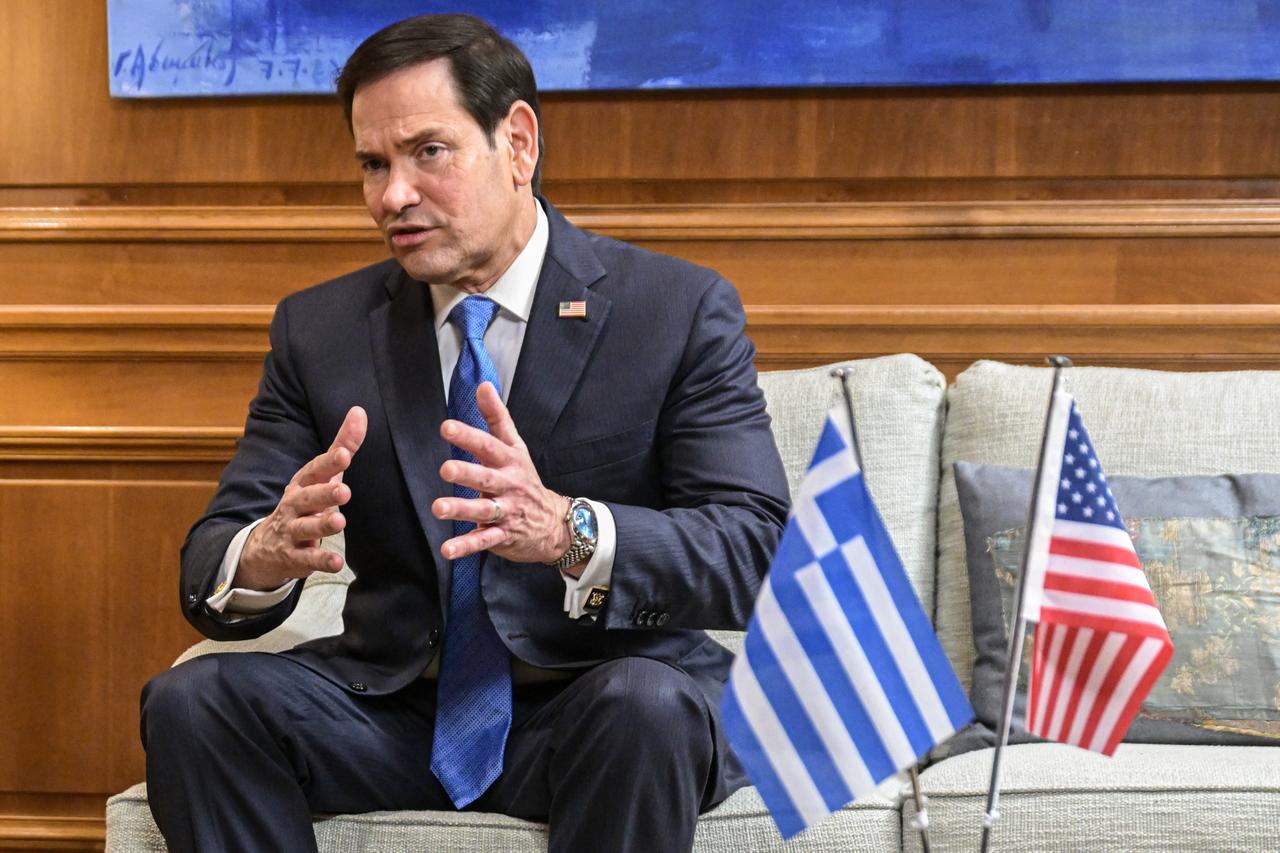
U.S. Secretary of State Marco Rubio told Greek newspaper Kathimerini on Thursday that Trump would like deliveries to proceed, "if feasible," since Türkiye has already paid for some of the jets.
"The issue revolves around the S-400 system," he said, adding that U.S. law bars the transfer until it is resolved, keeping Türkiye's F-35s in storage for now.


 Set as preferred source
 Set as preferred source


 1 min read
 1 min read