Newsletters





Türkiye’s new constitution-making process began on Oct. 1, following President Recep Tayyip Erdogan’s address to Parliament, presidential chief adviser Mehmet Ucum said Thursday. He argued that any new constitution must be put to a referendum, even if all 600 lawmakers approve it.
Speaking to journalists at Ankara's Cankaya Mansion, Ucum, who also serves as deputy chairman of the Presidential Legal Policies Board, said Erdogan's Oct. 1 speech marked the beginning of a process that could culminate in the adoption of a new constitution following the 2028 elections.
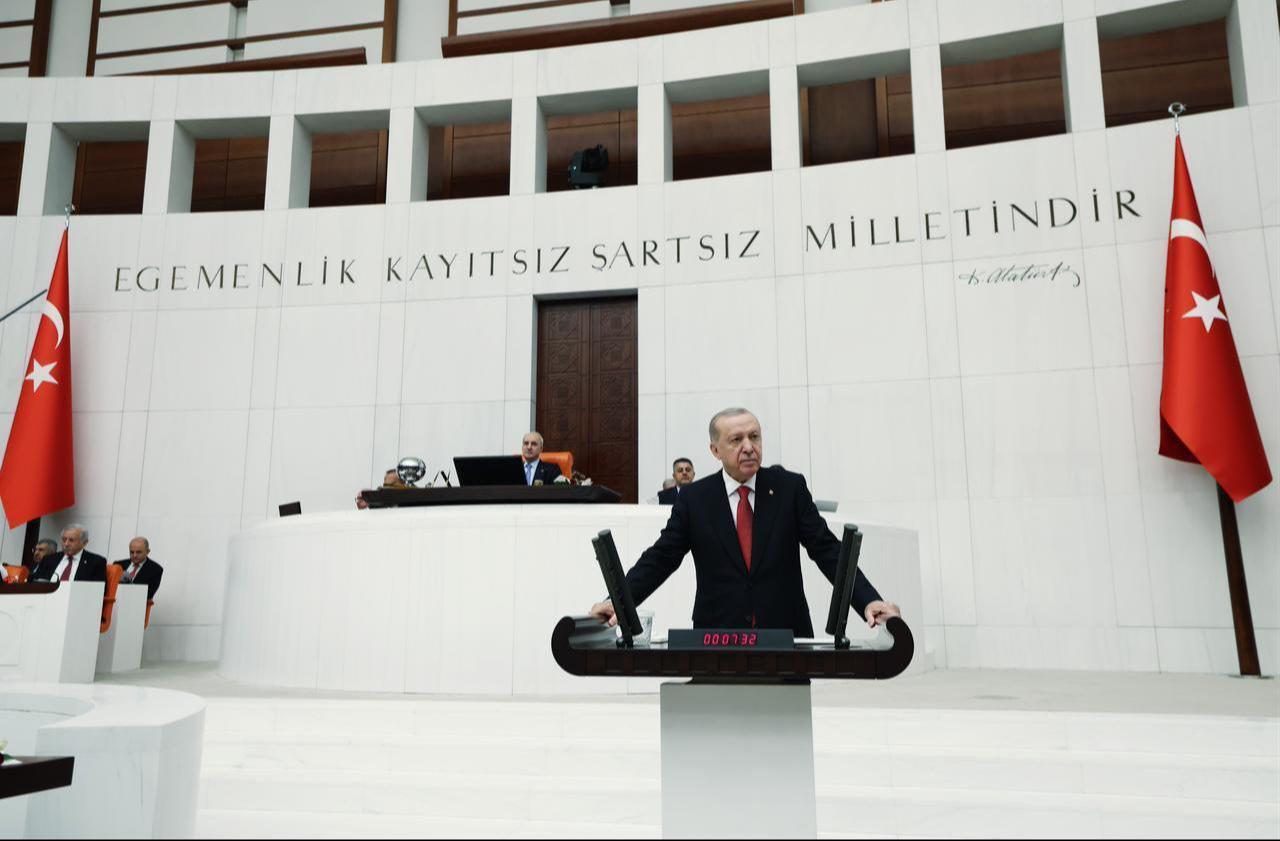
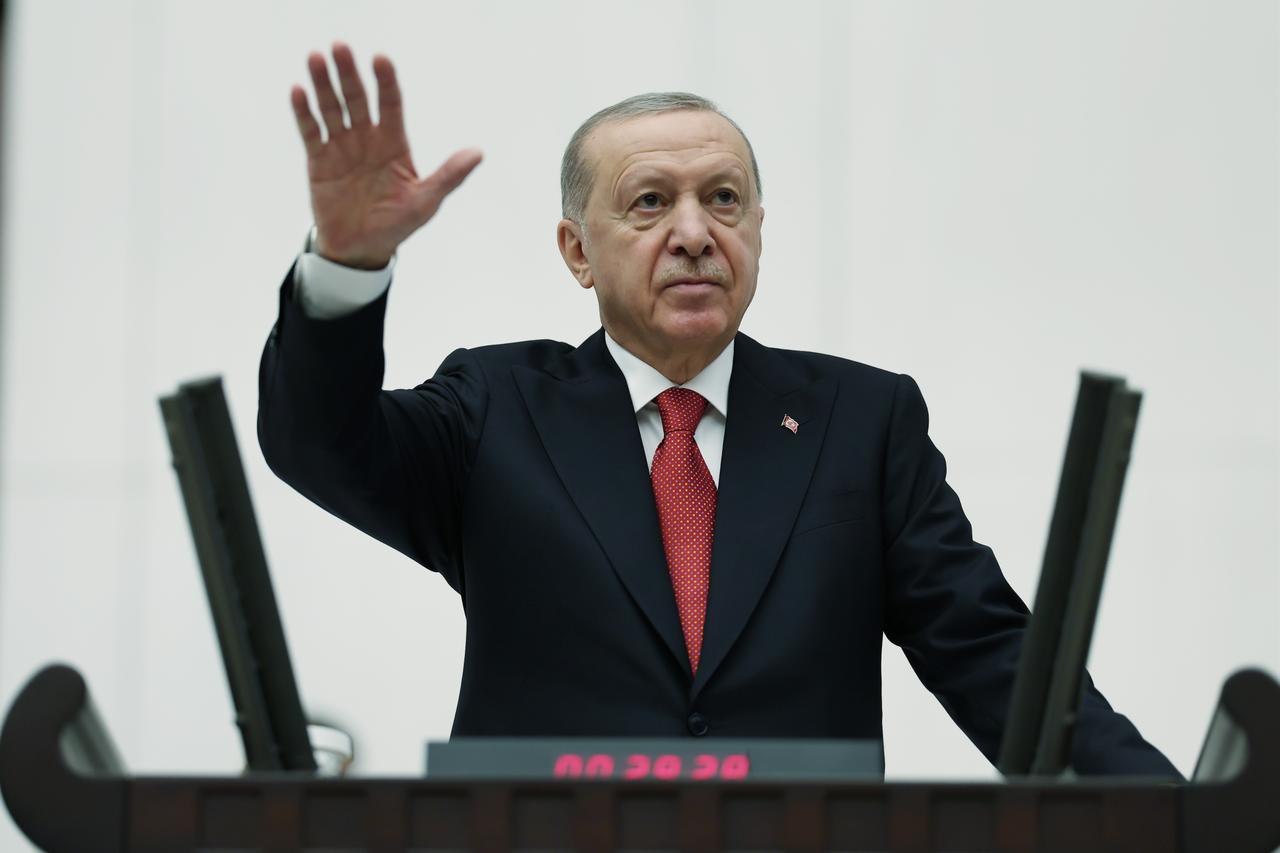
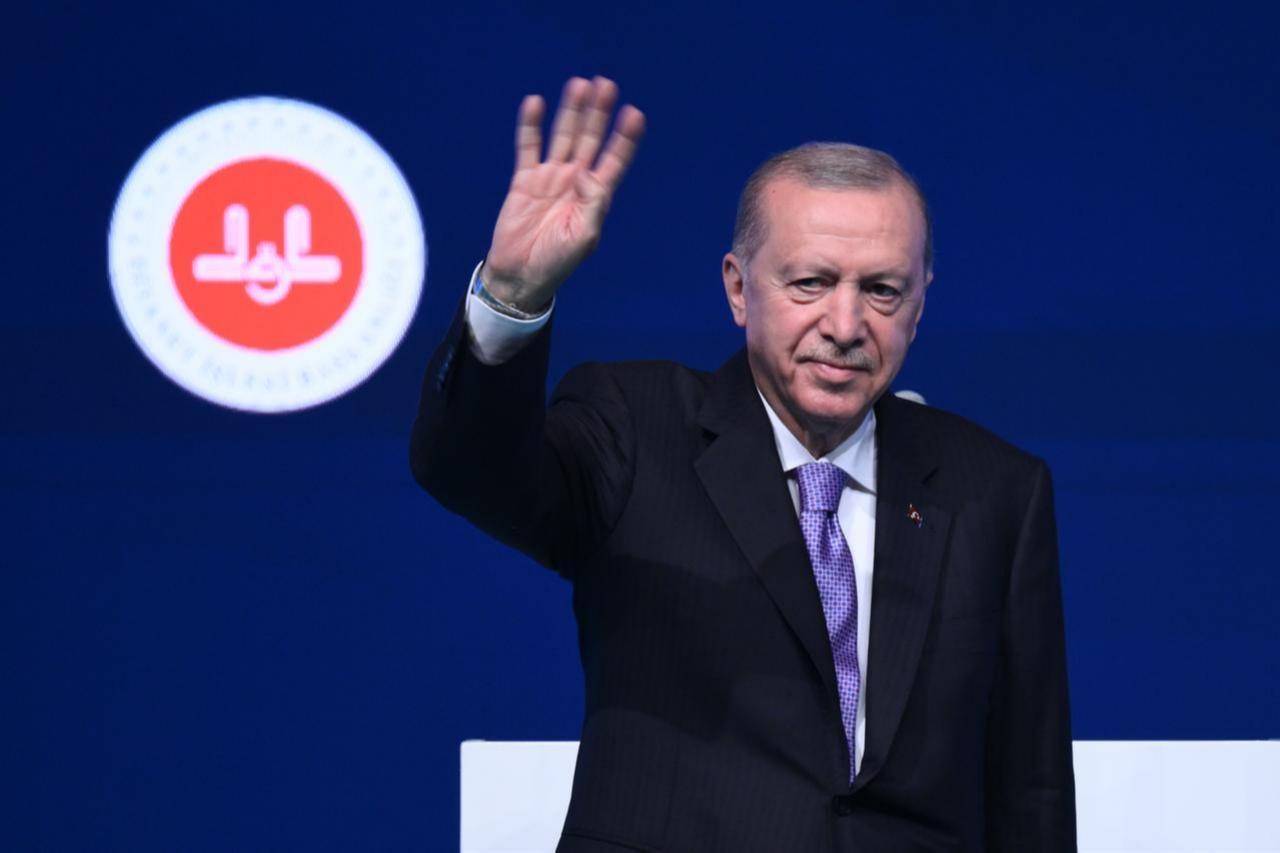
Oct. 1 marked the opening of Parliament's new legislative year following its summer recess. In his address to lawmakers, Erdogan called on political parties to move forward with their commitments to a new civilian constitution and expressed hope that the legislative year would become a year of constitutional progress.
Türkiye’s current constitution, adopted in 1982 after the 1980 military coup, is the fourth since 1921, following those of 1921, 1924 and 1961. Counting the Ottoman Empire’s 1876 constitution, it is the fifth in the country’s broader constitutional history.
Despite numerous amendments, proponents of a new civilian constitution argue that the current charter still bears the legacy of military rule.
"An issue that had previously been on the agenda as an aspiration or a political promise has now begun as a constitution-making process as of Oct. 1, 2026," Ucum said.
"We can identify Oct. 1, 2026, as the starting date of the new constitution-making process," he added.
Ucum reiterated the date during a question-and-answer session, describing Erdogan's speech at the opening of the parliamentary year as the starting point of the effort to replace Türkiye's existing constitution.
He clarified that the process did not mean constitutional articles were already being drafted. Instead, he said, political parties should first establish the need for a new charter, discuss its fundamental principles and institutional structure, and seek common ground before preparing a formal proposal.

Ucum emphasized that adopting an entirely new constitution differs from amending the existing charter, arguing that public approval through a referendum would be necessary regardless of the level of parliamentary support.
"Even if 550 or 600 lawmakers approve it, a new constitution cannot enter into force without a referendum," he said.
Under Türkiye's current constitutional amendment procedures, amendments approved by 360 to 399 lawmakers must go to a referendum, while those supported by at least 400 lawmakers may be submitted to a public vote at the president's discretion.
However, Ucum argued that those provisions cannot be applied directly to an entirely new constitution, since the authority to establish a new constitutional order ultimately rests with the people.
He described his approach as a constitution-making process that begins and ends with public participation and approval.
Ucum said the current 28th parliament could theoretically adopt a new constitution before the 2028 elections if political parties reached an agreement on fundamental principles and the system of government.
He said the elections were increasingly expected to take place in March or April 2028, leaving approximately 18 months for political parties to seek agreement.
However, he suggested the remaining parliamentary term was more likely to focus on developing the foundations of the new charter, potentially without producing a formal draft.
In that scenario, the 29th parliament, formed after the 2028 elections, could adopt a new constitution in 2029 and submit it to a nationwide referendum.
Asked whether the new constitution would alter presidential eligibility requirements or the current two-term limit, Ucum said none of the drafts he had reviewed contained such changes.
"The two-term requirement is preserved," he said, referring to the drafts he had seen.
Ucum also acknowledged differences between political parties over the system of government, saying the governing alliance supports maintaining and improving the presidential system, while other parties favor parliamentary government. He added that a semi-presidential model, similar to France's, had also entered the discussion.
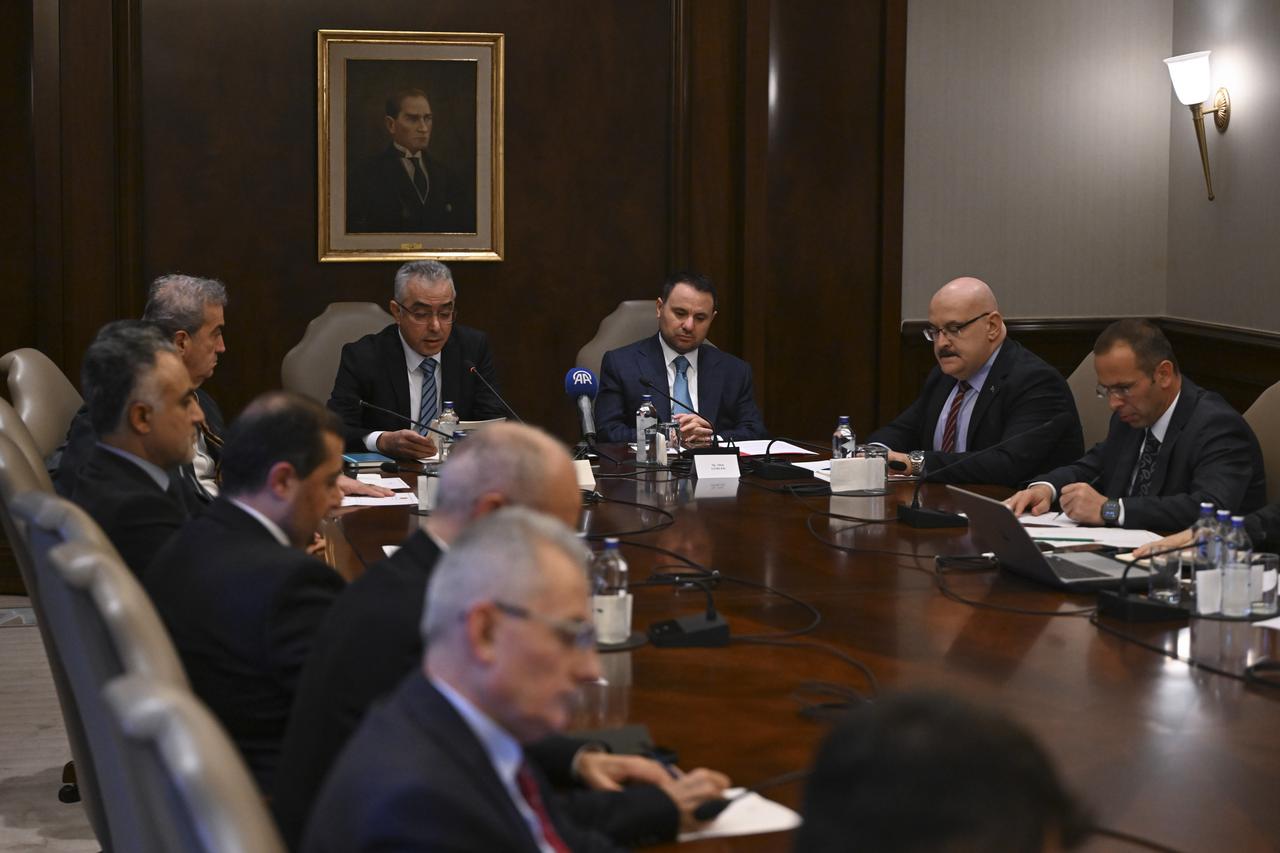
His remarks followed an Oct. 14 meeting of the Presidential Legal Policies Board attended by Justice Minister Akin Gurlek, who called for a new civilian constitution to replace the current charter, according to Anadolu Agency.
Separately, Ucum said he considered it highly likely that a key National Security Council (MGK) decision concerning Türkiye's ongoing "terror-free Türkiye" initiative would be announced before the end of 2026, paving the way for the next stage of the legal process.
He referred to Law No. 7595, officially titled the Law on Strengthening National Solidarity and Social Integration, which parliament adopted on Aug. 10 with 467 votes in favor and which was published in the Official Gazette on Aug. 18.
Under the legislation, security authorities must establish that the terror group PKK/KCK and its affiliated formations have ended their operational existence and surrendered the weapons and ammunition under their control. The findings must then be confirmed through a National Security Council decision published in the Official Gazette.
Ucum said publication of the decision would trigger a six-month application period for individuals seeking to benefit from the law.
The legislation requires eligible individuals seeking its benefits to submit written notifications to the relevant prosecutors' offices or institutions designated by the Monitoring and Evaluation Board within six months of the decision's publication.
Prosecutors would review applications involving investigations, courts would examine pending trials, and enforcement judges would assess cases involving prison sentences.
 2 min read
The legislation allows for the deferral of certain investigations, prosecutions and prison sentence enforcement measures for individuals meeting its conditions, while excluding certain offenses.
Ucum said the Monitoring and Evaluation Board, headed by Vice President Cevdet Yilmaz, had already held meetings and established subcommittees to oversee the law's implementation.
"It appears highly likely that the National Security Council decision will be announced before the end of this year," Ucum said.
He added that the measures envisaged under the subsequent six-month application process could be implemented before the end of the first half of 2027.
Responding to criticism from some members of the pro-Kurdish DEM Party that the National Security Council's involvement amounted to military tutelage over the process, Ucum rejected the characterization.
He argued that the council's current structure, headed by the elected president and including civilian ministers, differed fundamentally from its role under the original 1982 constitutional framework.
Ucum maintained that the council's formal confirmation would provide an important legal safeguard for the process and urged critics to support the decision's publication.


 Set as preferred source
 Set as preferred source


 1 min read