Newsletters


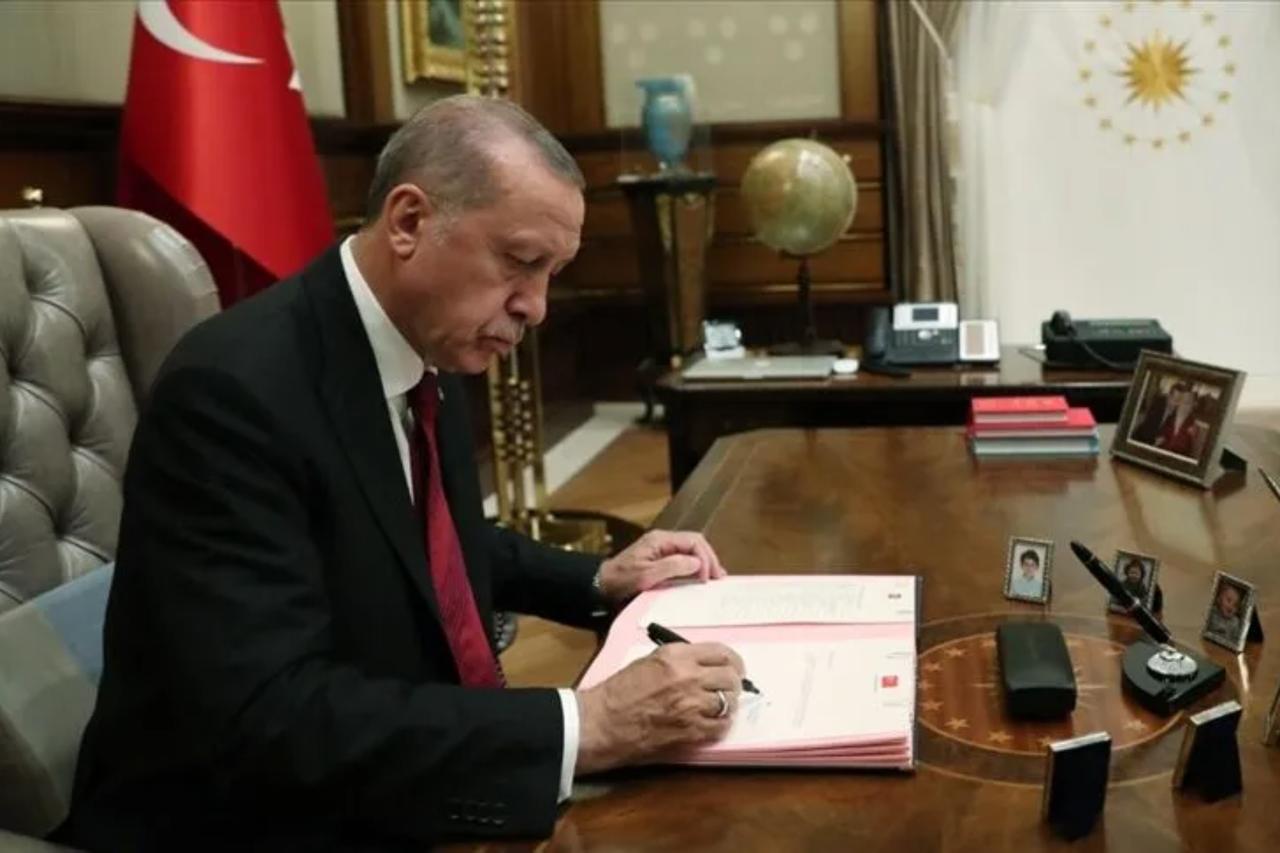


The Law on Strengthening National Solidarity and Social Integration, adopted by the Turkish Parliament as part of the “Terror-Free Türkiye” process, entered into force after being published in the Official Gazette late Monday.
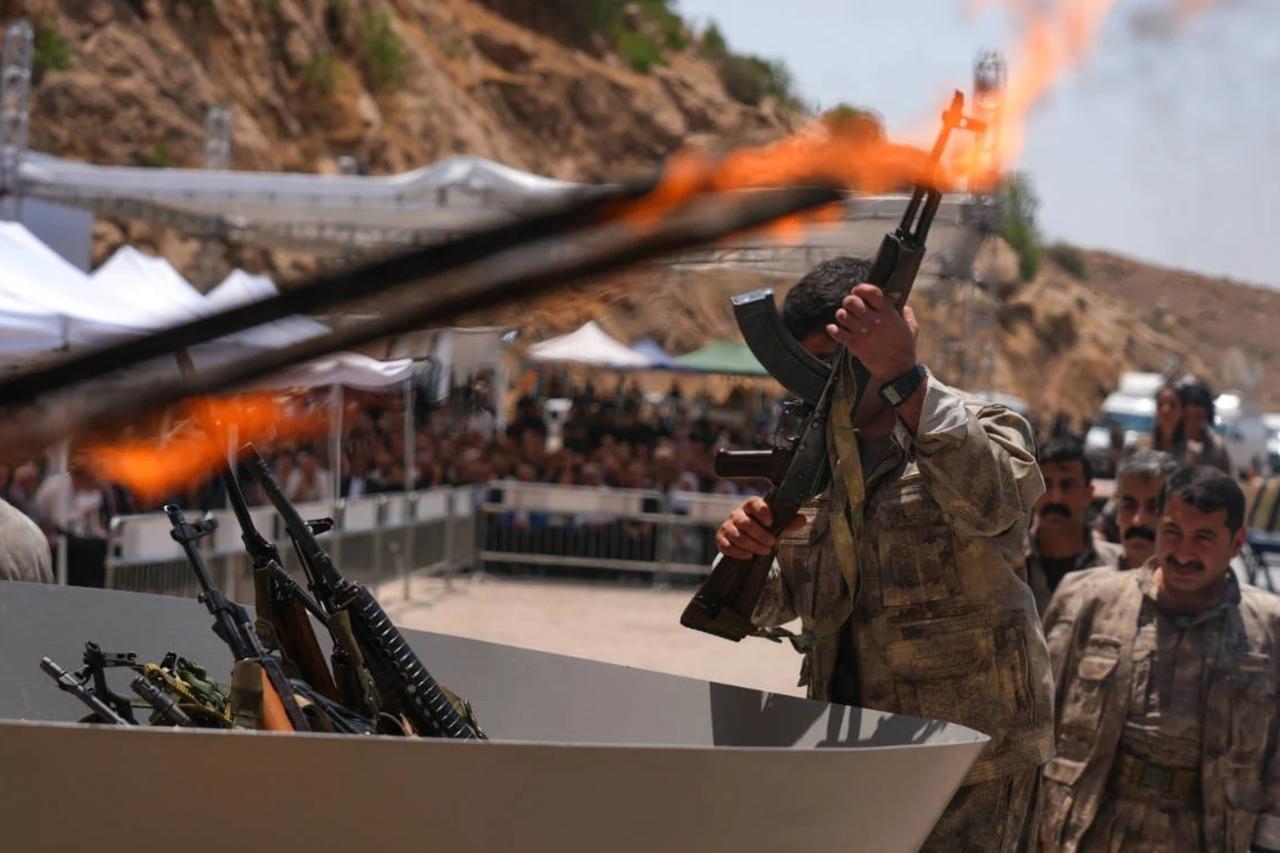
The law sets out procedures for postponing ongoing investigations and prosecutions, the execution of conviction rulings and other related procedures after Türkiye’s security institutions determine that the PKK/KCK terrorist organization and all formations linked to it have ended their actual existence and surrendered all weapons and ammunition under their control.
The regulation covers offenses including establishing or leading the PKK/KCK terrorist organization, membership in the organization, knowingly and willingly aiding it and making propaganda for the organization.
It also covers crimes committed within the scope of the organization’s activities and crimes committed in favor of the organization under Türkiye’s Law on the Prevention of the Financing of Terrorism.
The law defines the “organization” as the PKK/KCK terrorist organization and all formations linked to it, while the “Board” refers to the oversight body to be established under the regulation.
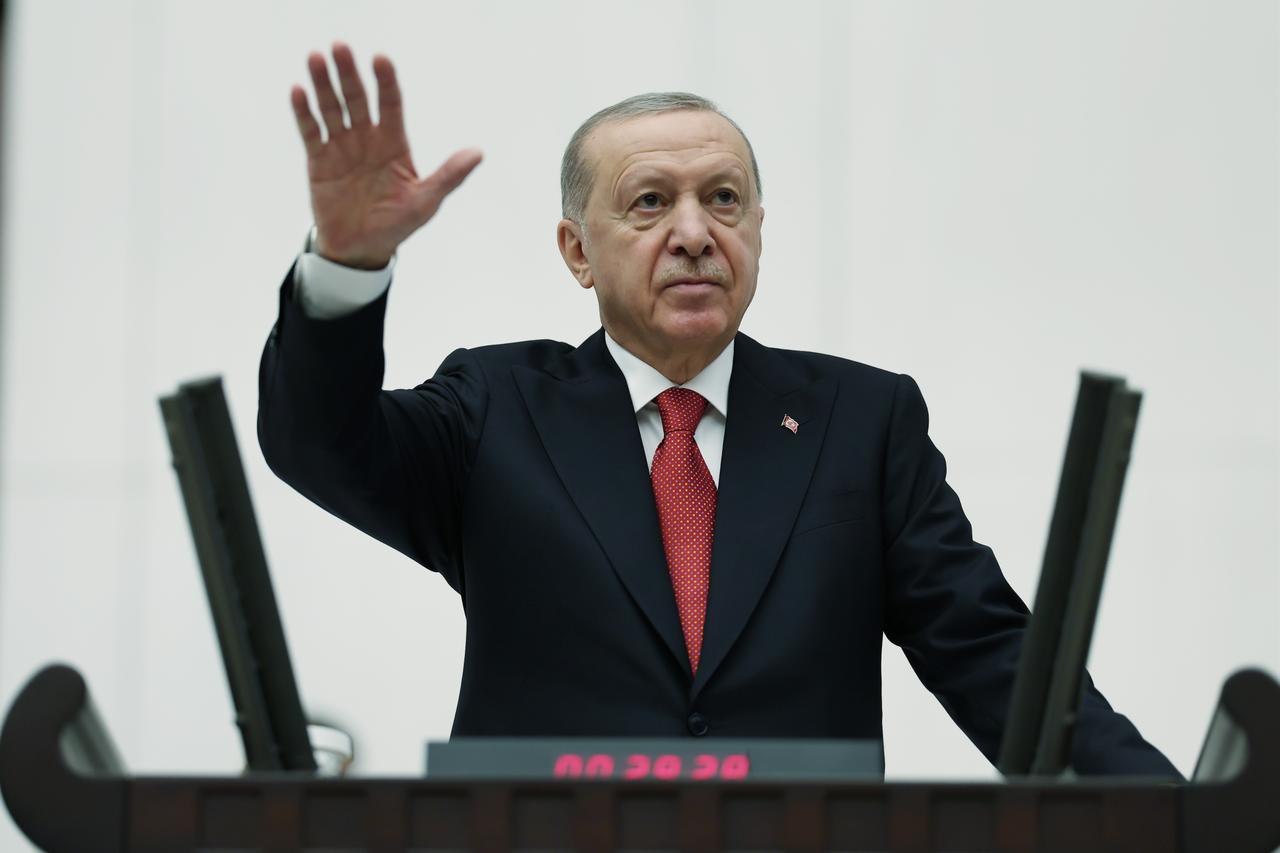
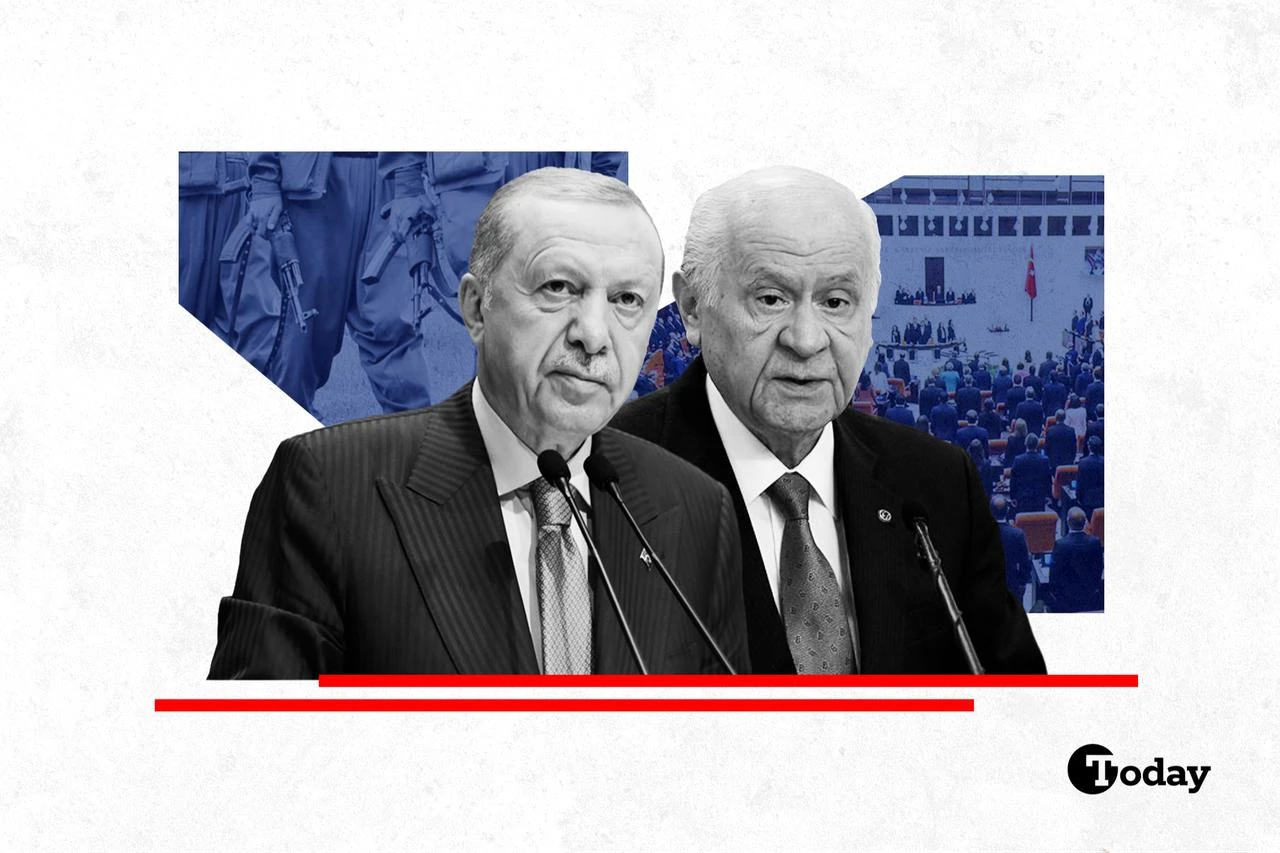
President Recep Tayyip Erdogan welcomed the law’s entry into force, saying it had been adopted with broad parliamentary support.
“I wish that the Law on Strengthening National Solidarity and Social Integration, which was adopted in our veteran Parliament with the support of 467 lawmakers as an example of historic consensus and entered into force as of today, will lead to beneficial outcomes,” Erdogan said in a post on social media.
Erdogan thanked Nationalist Movement Party (MHP) Chair Devlet Bahceli, Türkiye’s parliament speaker Numan Kurtulmus, the Justice and Development Party (AK Party) parliamentary group, and all political party groups and lawmakers who contributed to the process.
He said lawmakers “standing in different lanes” had displayed a constructive attitude for Türkiye’s peaceful, prosperous and secure future.
“I congratulate the institutions and officials of our state who contributed to the process reaching this point without any accident or trouble,” Erdogan said.
“We will continue to manage the process, which we have carried out with an approach that takes into account the sensitivities of our entire nation, especially the relatives of our martyrs and our veterans, on the basis set by the law, under the leadership of our relevant institutions and boards, with the same sincerity and meticulousness,” he added.
The Turkish Parliament passed the bill following about 12 hours of debate, marking the first legislative step under the country’s Terror-Free Türkiye initiative.
Lawmakers approved the legislation with 467 votes in favor, nearly four-fifths of Parliament’s 600 members, reflecting broad political consensus behind the process.
The law establishes a conditional legal framework for certain investigations, prosecutions and the enforcement of prison sentences after the verified dissolution and disarmament of the PKK/KCK terrorist organization and its affiliated structures.
Its explanatory rationale stresses that the measure does not constitute an amnesty, abolish convictions or terminate criminal liability.
It describes the arrangement instead as a “limited and conditional” measure within the criminal justice and penal system.
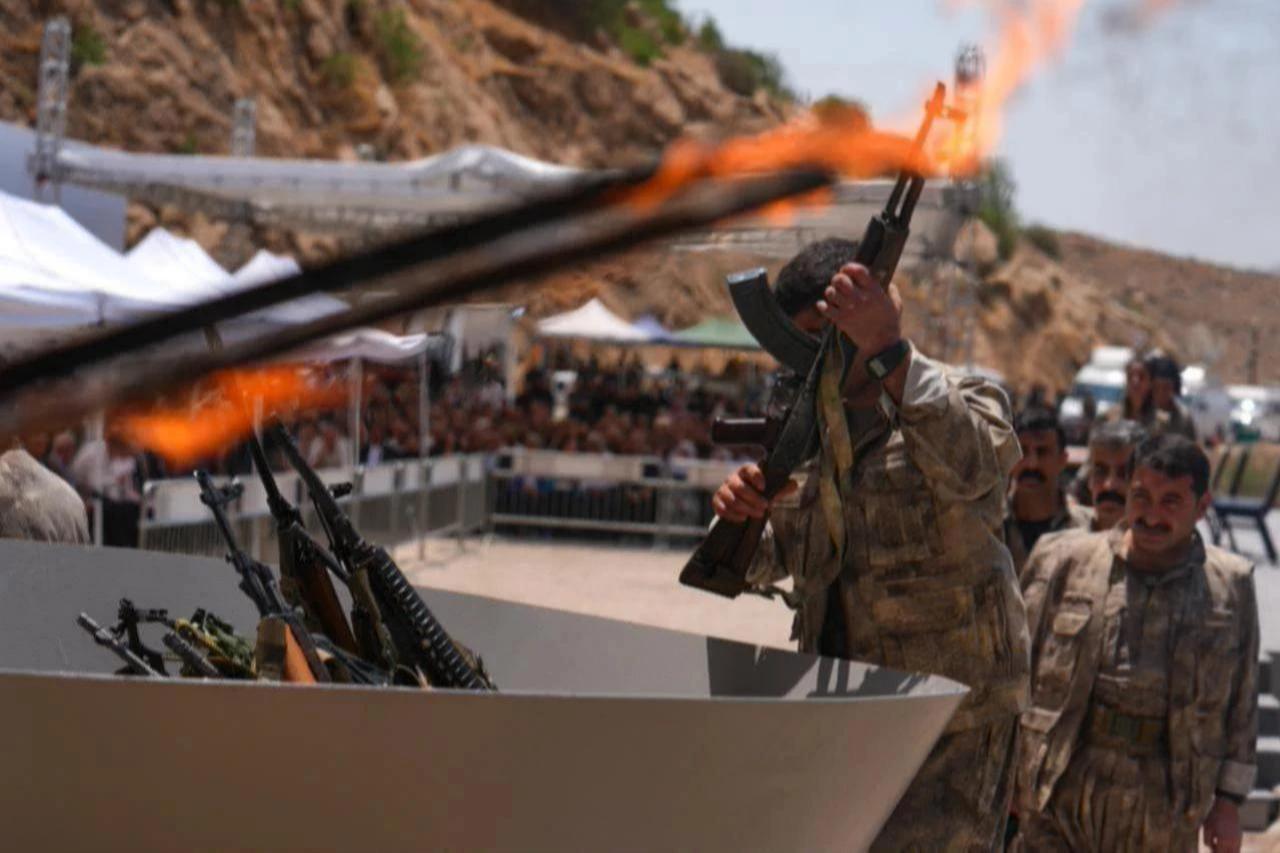

The law covers offenses related to establishing or leading the PKK/KCK, membership in the organization, knowingly assisting it, disseminating its propaganda, committing crimes as part of its activities and terrorism-financing offenses committed for its benefit.
For investigations and prosecutions involving offenses punishable by up to 15 years in prison, proceedings may be deferred for five years.
For offenses carrying more than 15 years in prison, life imprisonment or aggravated life imprisonment, the deferral period is 10 years.
Similar periods apply to the enforcement of finalized prison sentences: five years for total sentences of up to 15 years and 10 years for sentences exceeding 15 years, including life and aggravated life imprisonment.
The mechanism does not apply to intentional killings committed as part of the organization’s activities. Certain offenses committed before June 1, 2005, are also excluded.
The law’s rationale says the measure does not abolish criminal convictions, change the legal character of offenses or terminate criminal liability.
Instead, investigations, prosecutions and finalized convictions remain legally in place while proceedings or enforcement are deferred under specified conditions.
If an individual commits another terrorism-related offense during the deferral period, the measure is revoked and criminal proceedings or enforcement of the sentence resumes.
If no such offense is committed, an investigation or prosecution ultimately ends with a decision not to prosecute or dismissal, while a finalized prison sentence is deemed served once the relevant deferral period expires.
The law establishes an oversight board chaired by Türkiye’s vice president.
Its members include the ministers of justice, foreign affairs, interior and national defense, the secretary-general of the Presidency, the head of the National Intelligence Organization (MIT) and the secretary-general of the National Security Council.
The board will monitor implementation, periodically assess whether the organization has fully dissolved based on observation reports and may seek additional judicial, administrative or legislative measures when necessary.
It will also periodically review decisions made under the framework.
Parliament will retain an oversight role. The board will regularly brief lawmakers, while a parliamentary Monitoring Commission will follow implementation and issue recommendations.
The legislation may not be the final measure under the broader process. Its explanatory rationale says additional amendments or new legislation could be introduced depending on emerging needs, accumulated experience and changing circumstances.


 Set as preferred source
 Set as preferred source


 2 min read
 1 min read